Explore the latest books of this year!
Bookbot

Douglas Massey

    October 5, 1952
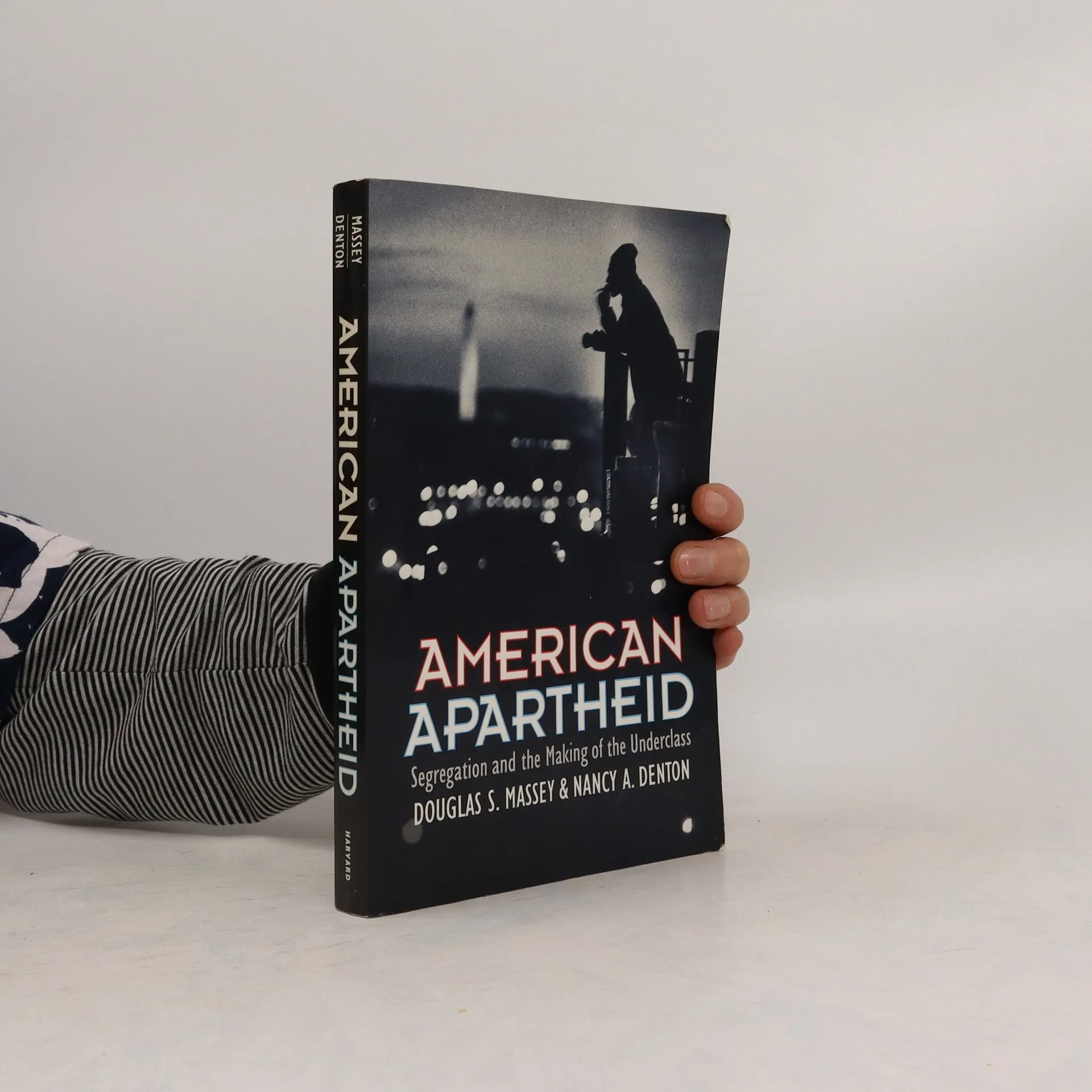
    American Apartheid. Segregation and the Making of the Underclass
    Young, Gifted and Diverse
    • An in-depth look at the rising American generation entering the Black professional classDespite their diversity, Black Americans have long been studied as a uniformly disadvantaged group. Drawing from a representative sample of over a thousand Black students and in-depth interviews and focus groups with over one hundred more, Young, Gifted and Diverse highlights diversity among the new educated Black elite―those graduating from America’s selective colleges and universities in the early twenty-first century.Differences in childhood experiences shape this generation, including their racial and other social identities and attitudes, and beliefs about and interactions with one another. While those in the new Black elite come from myriad backgrounds and have varied views on American racism, as they progress through college and toward the Black professional class they develop a shared worldview and group consciousness. They graduate with optimism about their own futures, but remain guarded about racial equality more broadly. This internal diversity alongside political consensus among the elite complicates assumptions about both a monolithic Black experience and the future of Black political solidarity.

      Young, Gifted and Diverse
    • This powerful and disturbing book clearly links persistent poverty among blacks in the United States to the unparalleled degree of deliberate segregation they experience in American cities. American Apartheid shows how the black ghetto was created by whites during the first half of the twentieth century in order to isolate growing urban black populations. It goes on to show that, despite the Fair Housing Act of 1968, segregation is perpetuated today through an interlocking set of individual actions, institutional practices, and governmental policies. In some urban areas the degree of black segregation is so intense and occurs in so many dimensions simultaneously that it amounts to "hypersegregation." The authors demonstrate that this systematic segregation of African Americans leads inexorably to the creation of underclass communities during periods of economic downturn. Under conditions of extreme segregation, any increase in the overall rate of black poverty yields a marked increase in the geographic concentration of indigence and the deterioration of social and economic conditions in black communities. As ghetto residents adapt to this increasingly harsh environment under a climate of racial isolation, they evolve attitudes, behaviors, and practices that further marginalize their neighborhoods and undermine their chances of success in mainstream American society. This book is a sober challenge to those who argue that race is of declining significance in the United States today.

      American Apartheid. Segregation and the Making of the Underclass