

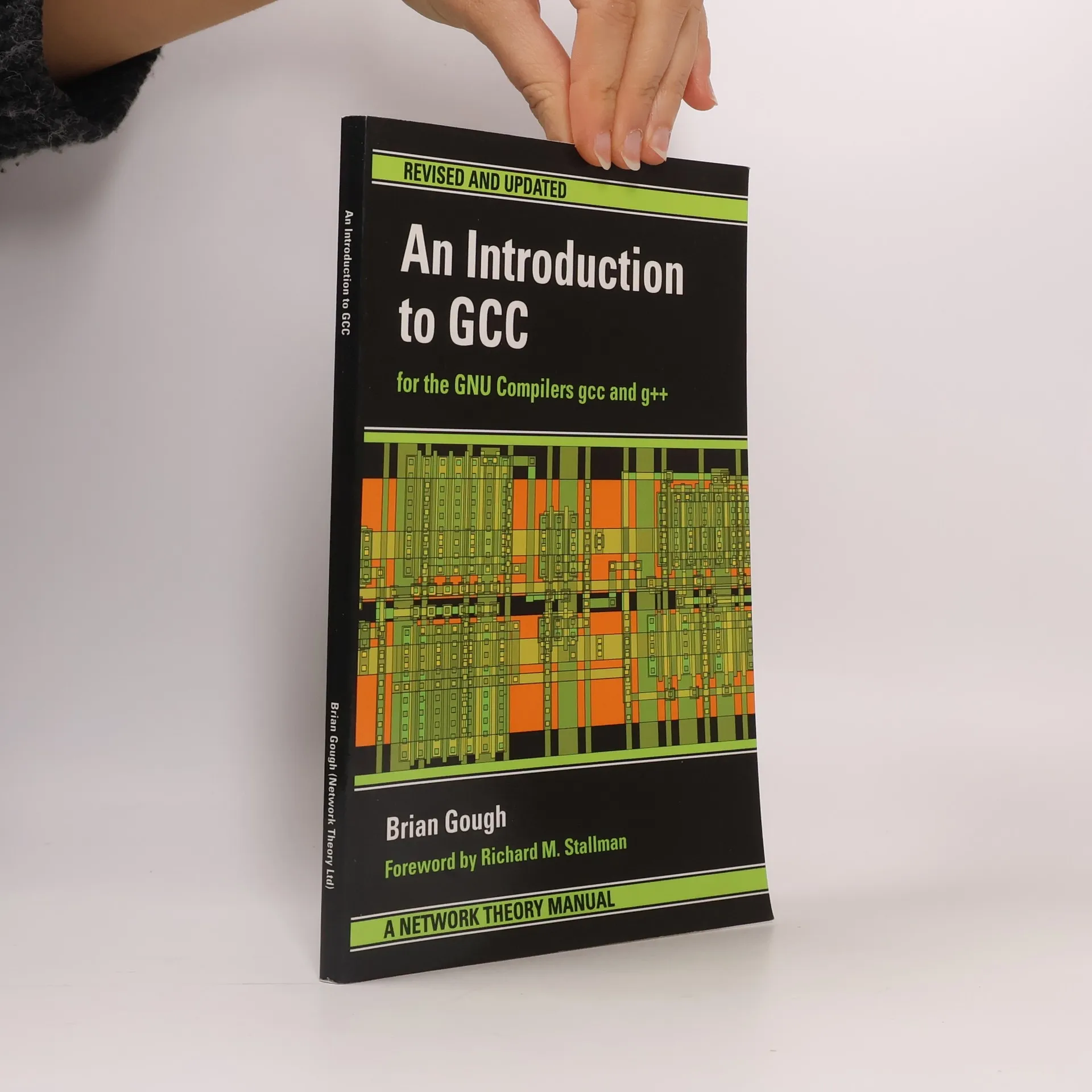
This manual provides a complete tutorial introduction to the GNU C and C++ compilers, gcc and g++. Many books teach the C and C++ languages, this book teaches you how to use the compiler itself. All the common problems and error messages encountered by new users of GCC are carefully explained, with numerous easy-to-follow "Hello World" examples. Topics covered include: compiling C and C++ programs using header files and libraries, warning options, use of the preprocessor, static and dynamic linking, debugging, optimization, platform-specific options, profiling and coverage testing, paths and environment variables, and the C++ standard library and templates. Features a special foreword by Richard M. Stallman, principal developer of GCC and founder of the GNU Project. All the money raised from the sale of this book will support the development of free software and documentation.
Richard M Stallman Books
Richard Stallman is a visionary leading the free software movement, who initiated the development of the GNU operating system and founded the Free Software Foundation. He pioneered the concept of copyleft and authored the widely used GNU General Public License. Stallman dedicates his time to advocating for the ethical ideas of software freedom and campaigning against software patents and overreaching copyright laws. His commitment to fostering digital freedom continues to inspire and shape the technological landscape.

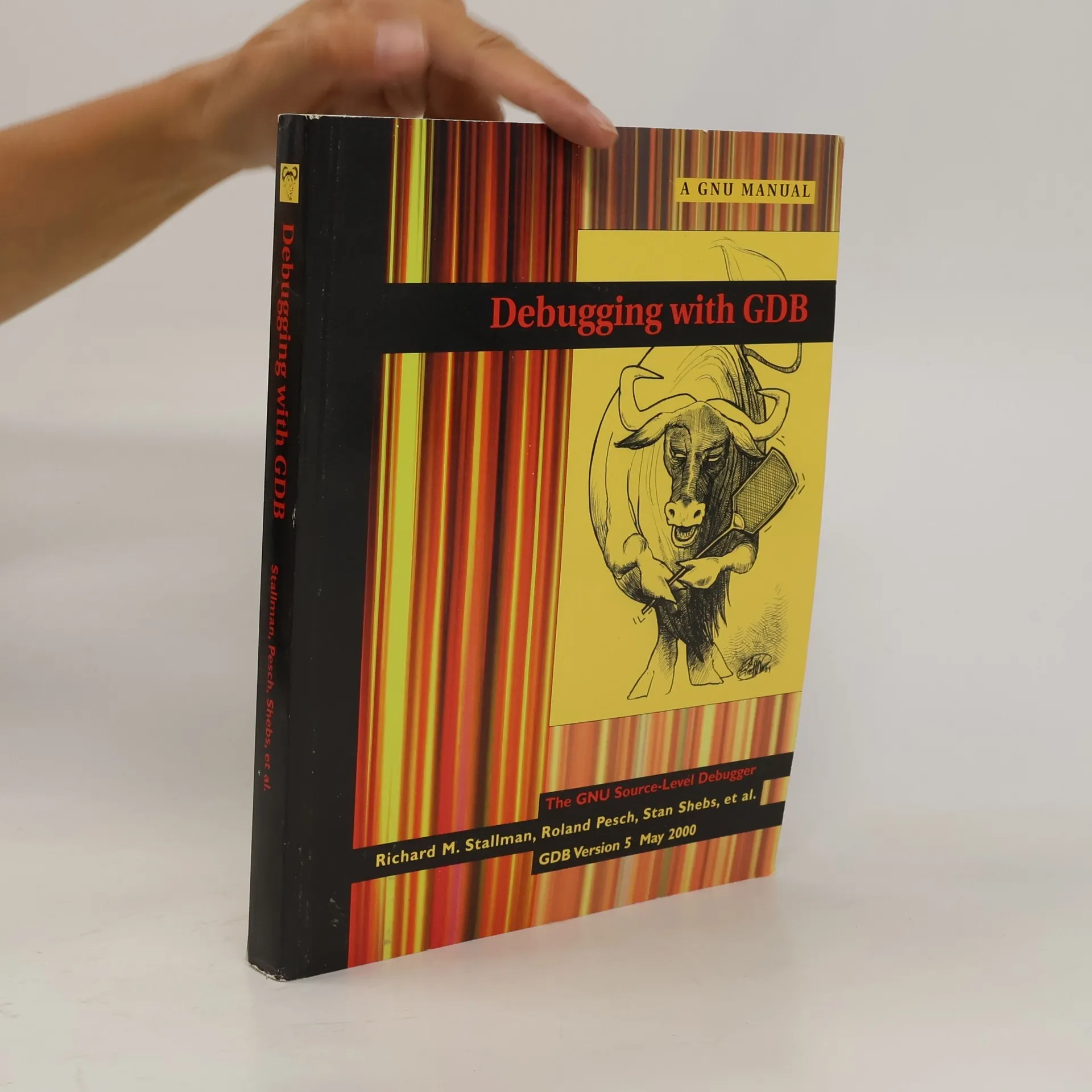
The GNU Debugger allows you to see what is going on "inside" a program while it executes - or what a program was doing at the moment it crashed. GDB supports C, C++, Java, Fortran and Assembly among other languages; it is also designed to work closely with the GNU Compiler Collection (GCC). The GNU Debugger Program has four special features that helps you catch bugs in the * It starts your program for you, specifying anything that might affect it's behavior.* Makes your program stop under specified conditions.* Examines what happened when the program stopped.* Allows you to experiment with changes to see what effect they have on the program. This book will show * setting and clearing breakpoints* examining the stack, source files and data* examining the symbol table* altering program execution* specifying a target for debugging* how to control the debugger* how to use canned command sequences* how to install GDB* and much more! This manual is written for programmers. It is designed so someone can begin utilizing GDB after just reading the first chapter, or read the whole manual and master the program. Synopsis of ideas and extensive examples are given.
GNU Emacs Lisp Reference Manual 1/2
- 572 pages
- 21 hours of reading