

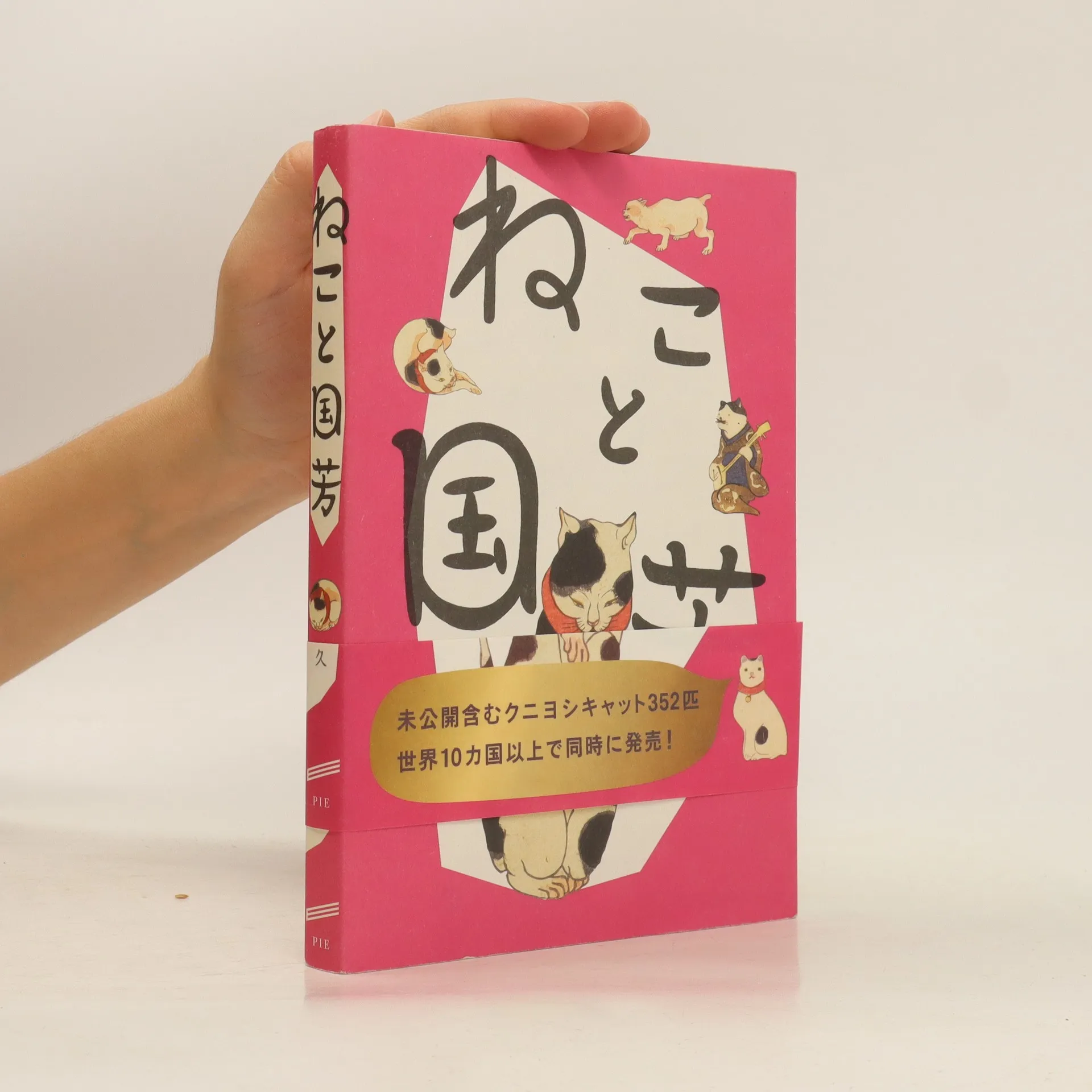
Amazing illustrations of cats in Ukyio-e woodblock prints by Kuniyoshi. The book has a lot of figures.
Utagawa Kuniyoshi Books
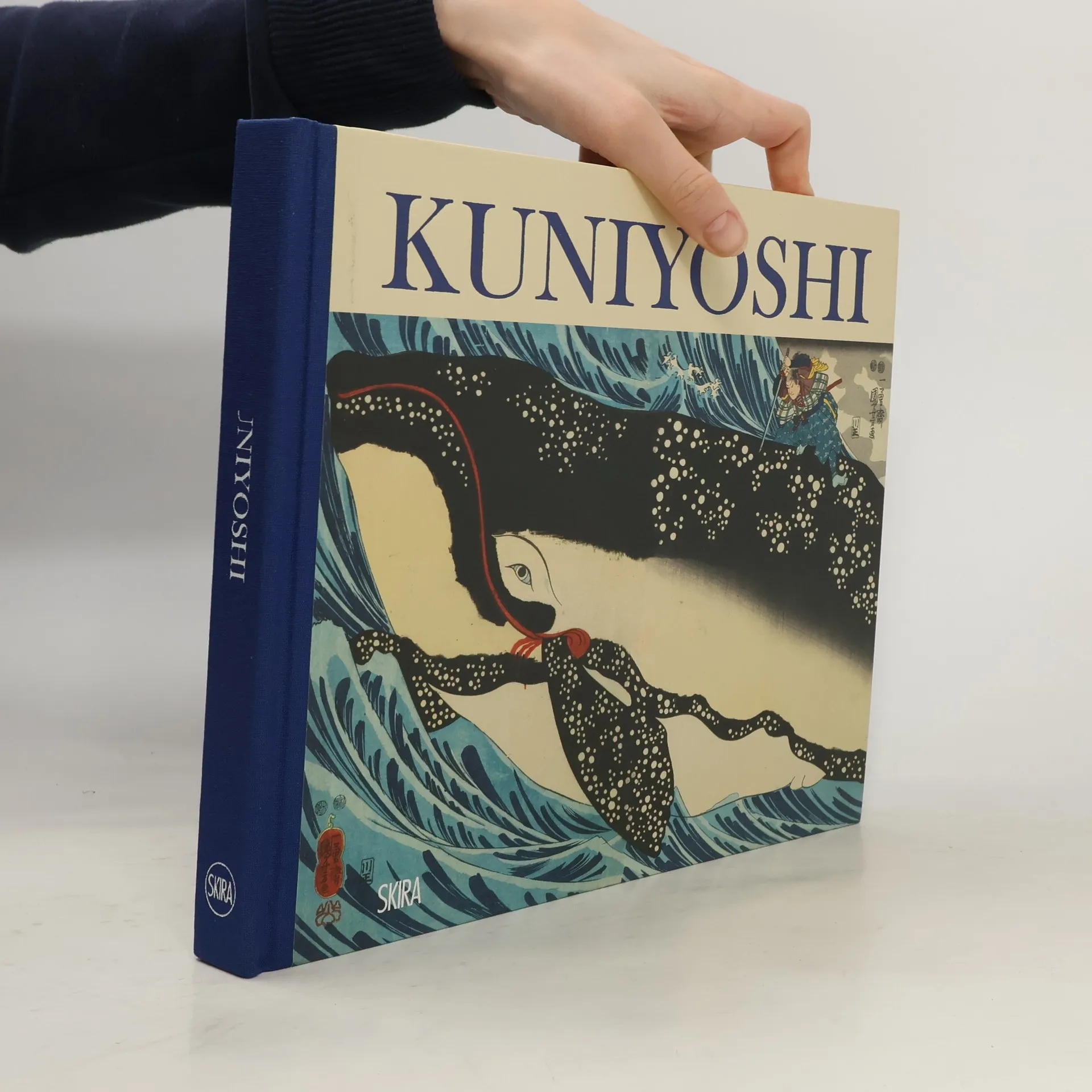
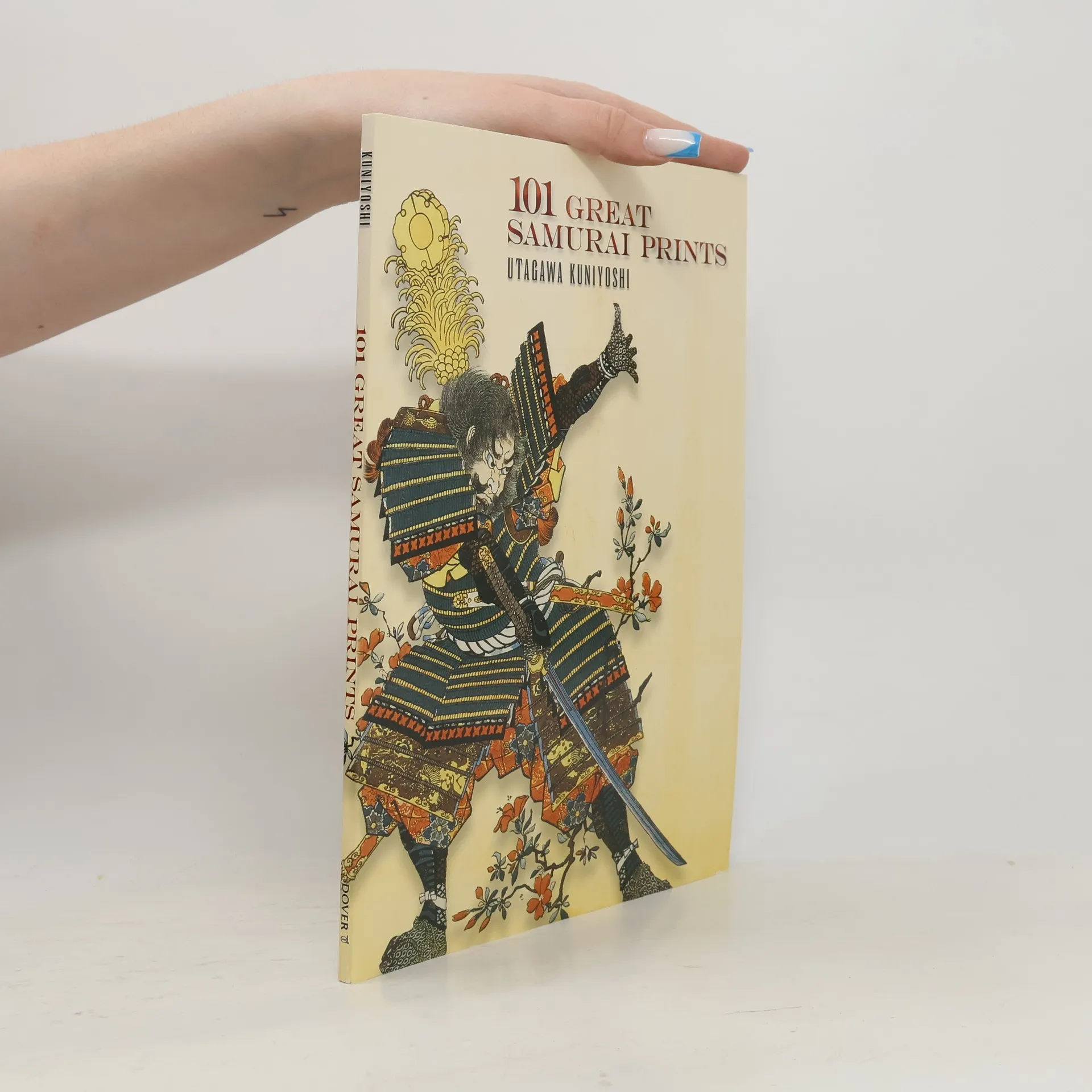
One of the last great names in the Japanese ukiyo-e style, Utagawa Kuniyoshi was an undisputed master of the warrior woodblock print. Born in Tokyo in 1797, his talent became evident by the tender age of 12, when he became an apprentice to a famous print master. Starting out with vivid illustrations of cultural icons — including Kabuki actors and Japanese heroes — he moved on to a unique treatment of warrior prints, incorporating elements of dreams, omens, and daring feats that characterized his distinctive style. These dramatic eighteenth-century illustrations represent the pinnacle of his craft. One hundred and one full-color portraits of legendary samurai pulse with movement, passion, and remarkably fine detail. A must for collectors of Japanese art and a perfect first work for those who want to start their own collection, it includes brief captions and a new introduction.
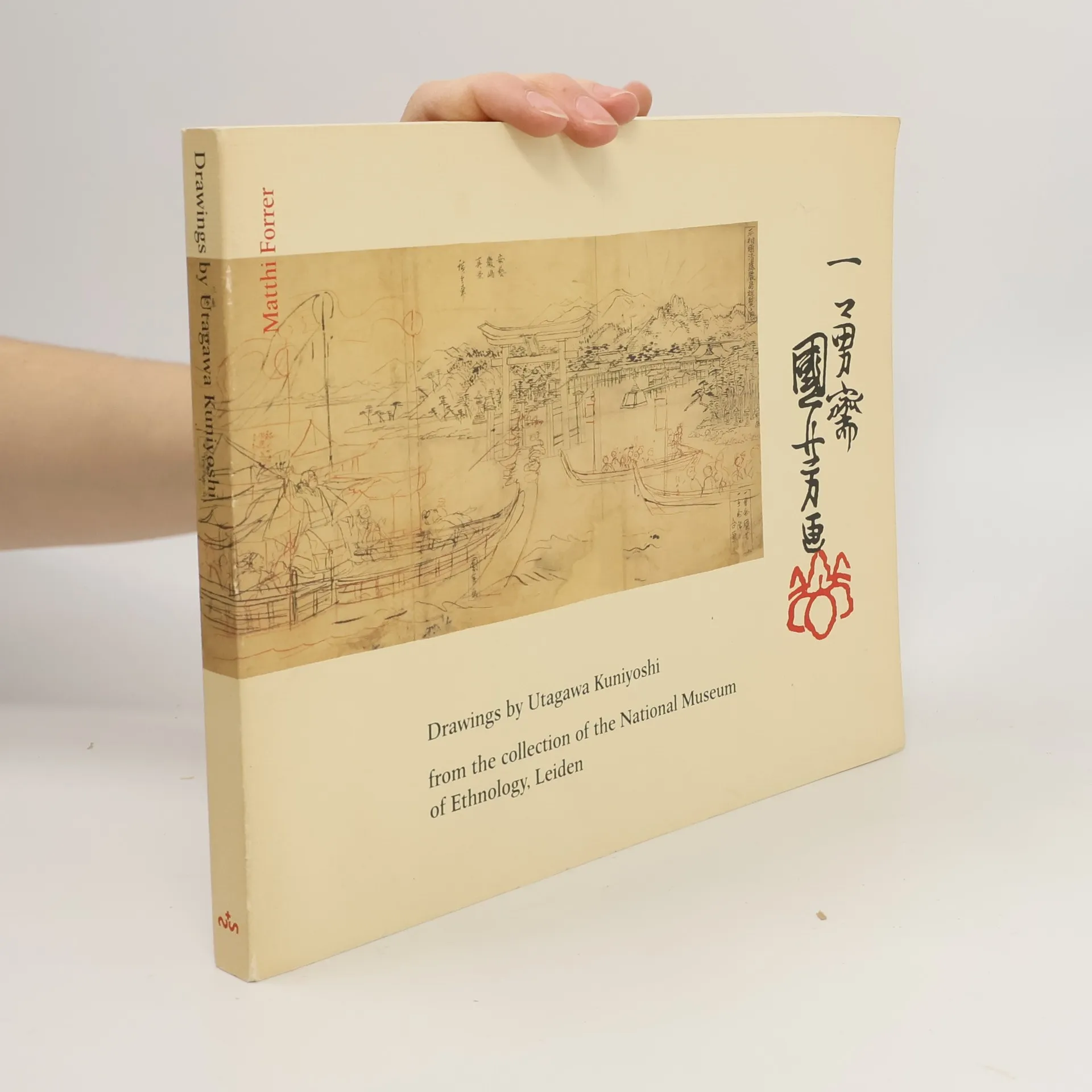
Drawings by Utagawa Kuniyoshi from the Collection of the National Museum of Ethnology, Leiden
- 146 pages
- 6 hours of reading
Book by Forrer, Matthi
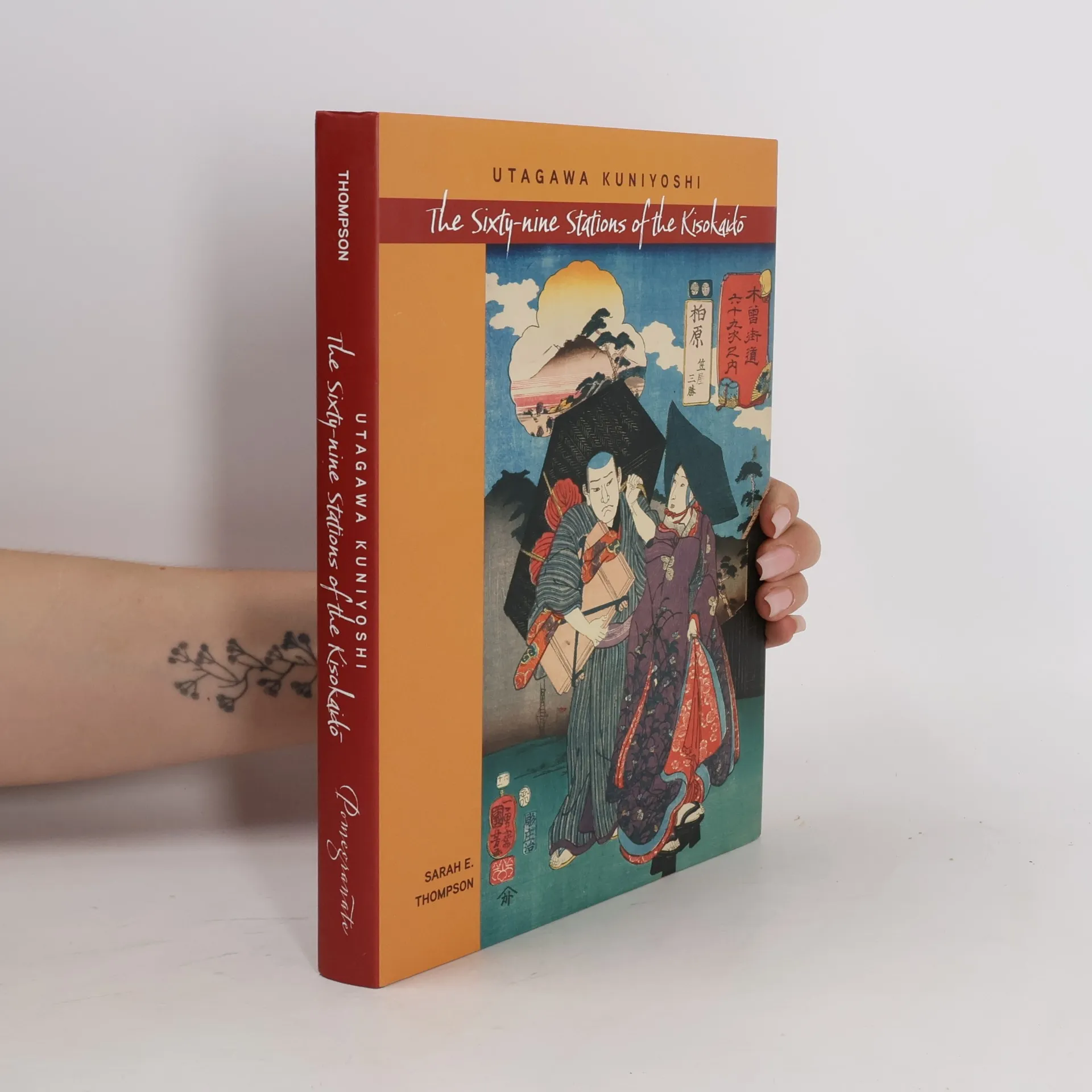
Originally published in 1852 and 1853, this richly entertaining series of woodblock prints by master artist Utagawa Kuniyoshi (1797-1861) features seventy-two finely executed prints, each representing a resting point along the historic Kisokaidō (Kiso Road) from Edo (modern Tokyo) to Kyoto, along with views of both endpoint cities and a title page. Although Kuniyoshi never traveled the mountainous route, he drew inspiration from historic events, kabuki plays, popular legends, and classical literature to illustrate his vision of the towns and stations. This stunning collection of colorful ukiyo-e prints showcases Kuniyoshi's artistic mastery and clever humor. Each print includes a main picture, an inset landscape of the station, and a title block. Employing parody and puns to convey humor and evade government censorship, Kuniyoshi linked each location to beloved stories of his time, such as a reimagined Odyssey and the Japanese fairy tale of Urashima. He made these tales the focal point of the main image, embedding clues in the title blocks. The work celebrates Kuniyoshi's creativity, featuring over seventy-five full-color illustrations, including reproductions of all prints in the series. An introductory essay by Sarah E. Thompson explores the history of ukiyo-e and provides descriptions of each print.