Keith L. Moore Book order (chronological)


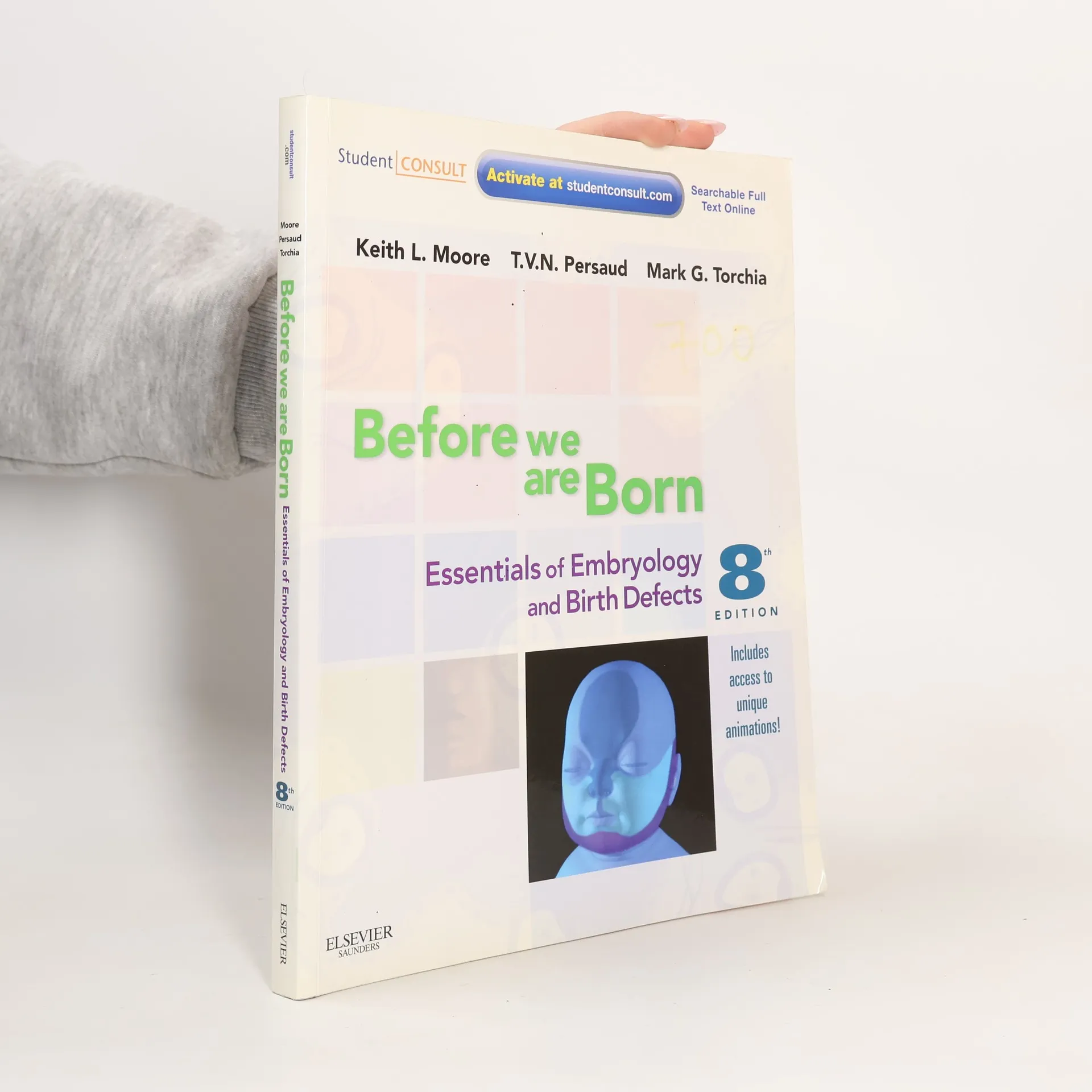
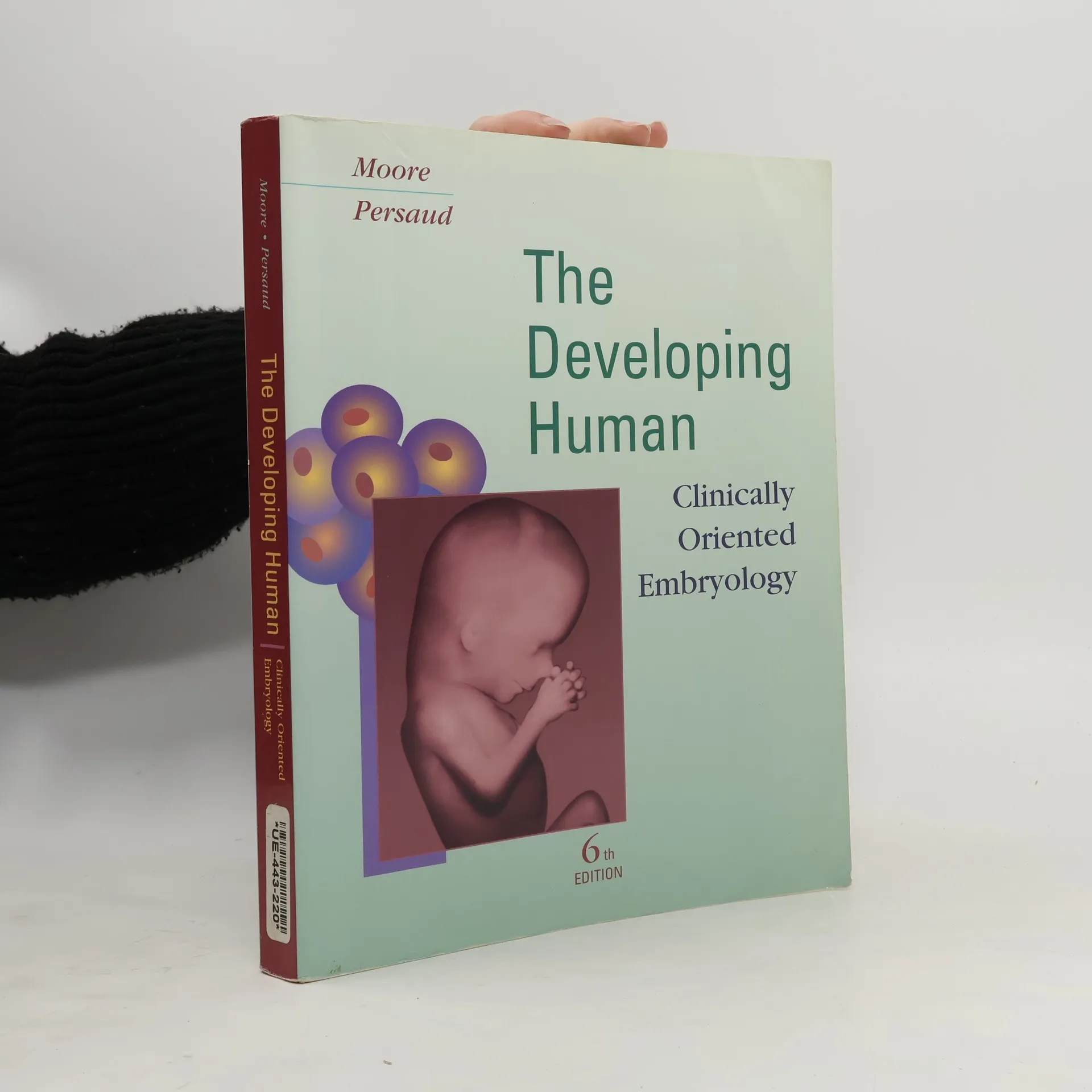
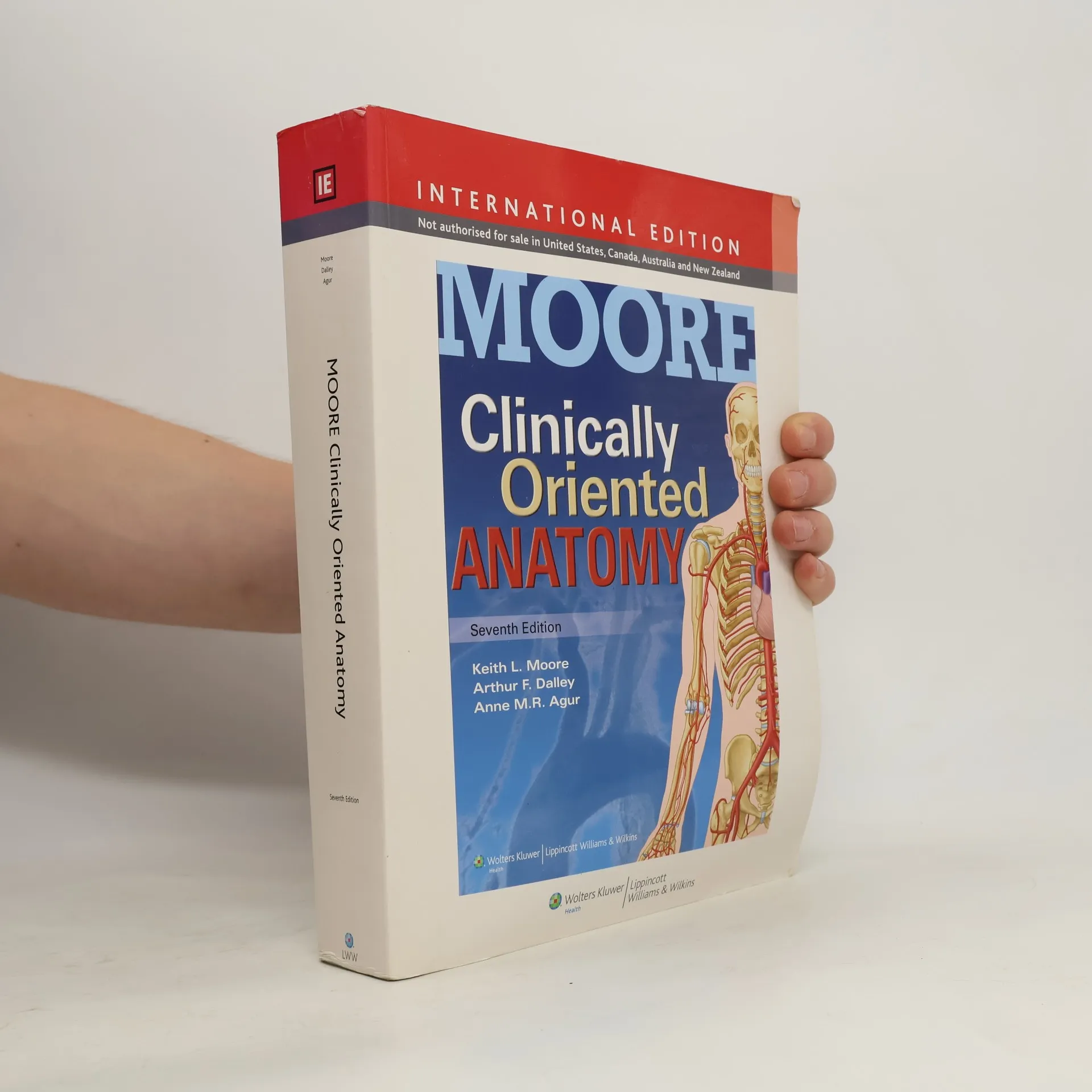
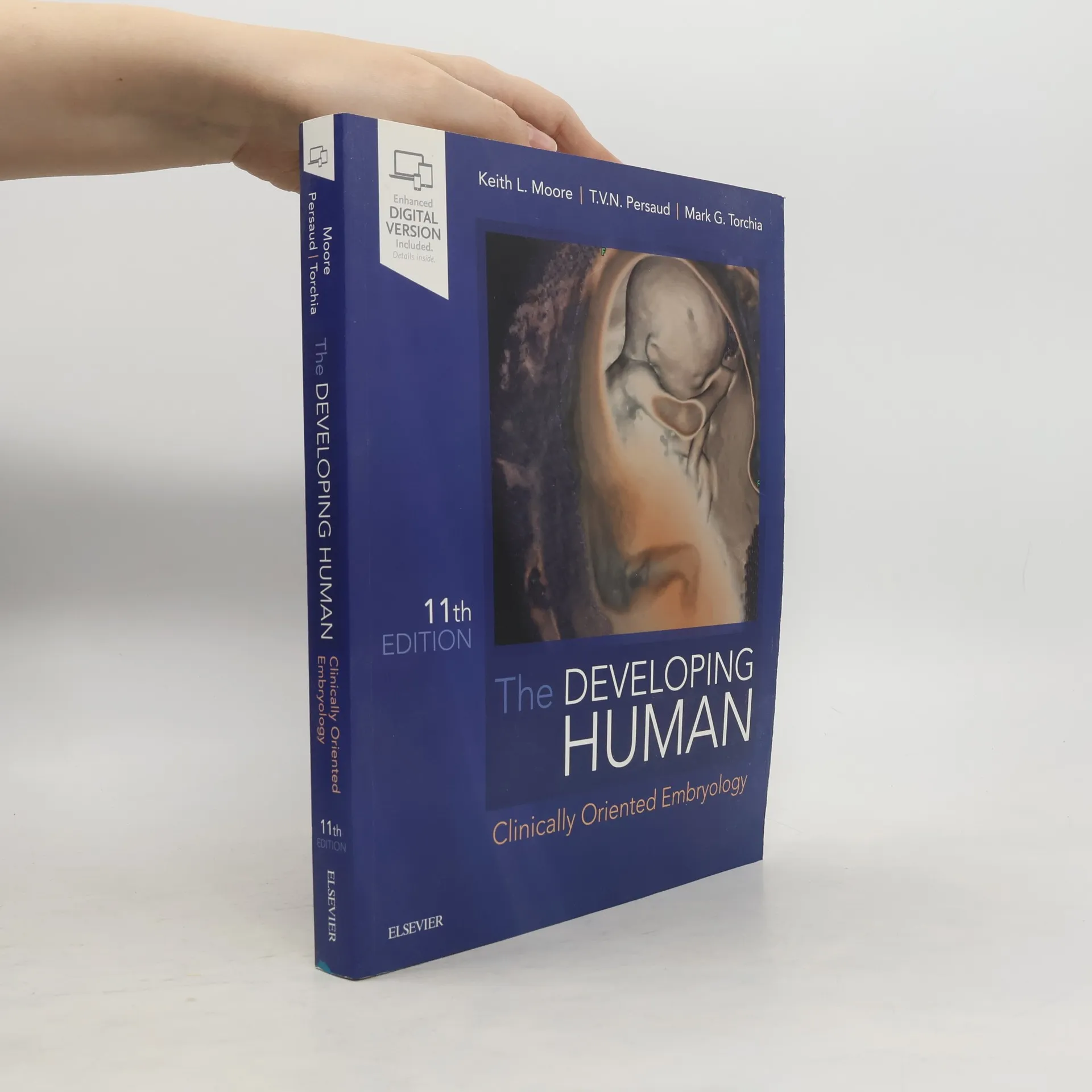
Extensively revised, this edition covers all aspects of normal and abnormal embryonic and fetal development, incorporating recent research and current clinical practice. It is designed for medical and health sciences students, providing a comprehensive review of a complex subject in a clear, concise manner, supported by lavish illustrations. Bonus online features, including multiple-choice questions and narrated animations, enhance student success. The text guides readers through embryo and fetal organ and systems development month by month and stage by stage, featuring full-color photographs of clinical cases and modern medical imaging. New 3D HD color-rendered images and reconstructions of embryos are included. Each chapter presents clinically-oriented problems with answers and explanations to facilitate discussion and learning, along with online self-assessment questions. The book features 18 exceptional color animations with narration to aid understanding of embryological development. Updated information includes annotations on molecular events in embryogenesis, essential for professional examinations, and enhanced clinical material with updated tables and Clinical Case highlights. It also covers significant topics like gene editing (CRISPR/Cas9) and induced pluripotent stem cells (iPS). An Enhanced eBook version is available, allowing access to the text, figures, and references on various devices.
Zrození člověka: Embryologie s klinickým zaměřením
- 564 pages
- 20 hours of reading
Clinically Oriented Anatomy
- 1168 pages
- 41 hours of reading
"Clinically Oriented Anatomy provides first-year medical students with the clinically oriented anatomical information as it relates to the practice of medicine, dentistry, and physical therapy. The 7th edition features a fully revised art program to ensure consistency and cohesiveness of imaging style"--Provided by publisher.
Here's the New Edition of the most comprehensive, up-to-date account of the normal and abnormal development of the embryo and fetus. Every chapter has been thoroughly revised to reflect new findings in research and their clinical applications. The 6th Edition now includes full-color photographs, MR and ultrasound images, and all-new 3-D figures illustrating difficult concepts, and showing the effects of drugs and viruses on the fetus and how anomalies develop.
Essential Clinical Anatomy, Fifth Edition presents core anatomical concepts in a concise, student-friendly format. The text includes the hallmark blue Clinical Boxes, as well as surface anatomy and medical imaging features. It is an ideal text for shorter medical courses and health professions courses with a condensed coverage of anatomy. Essential Clinical Anatomy , like the authors’ more comprehensive text, Clinically Oriented Anatomy , receives global acclaim for the relevance of its clinical correlations. The book emphasizes anatomy that is important in physical diagnosis for primary care, interpretation of diagnostic imaging, and understanding the anatomical basis of emergency medicine and general surgery. The 5th Edition features:" A NEW AND IMPROVED ART PROGRAM: Illustrations have been redrawn in a modern, updated style that enhances student understanding of key concepts CLINICAL BOXES: Renowned “blue boxes” highlight information on pathology, anatomical variation, trauma, the life cycle, surgical procedures, and diagnostic procedures SURFACE ANATOMY AND MEDICAL IMAGING: Chapters include surface anatomy and imaging sections to enhance clinical and diagnostic knowledge INTERACTIVE REVIEW QUESTIONS : Prepare for board and class exams with online review questions at thePoint.lww.com
Before we are born : essentials of embryology and birth defects
- 348 pages
- 13 hours of reading
Covers important concepts related to essentials of embryology and birth defects. This book delivers the embryology knowledge you need.
Embryologie
Lehrbuch und Atlas der Entwicklungsgeschichte des Menschen; mit 10 Tabellen - Zweite Auflage
- 531 pages
- 19 hours of reading
"This popular text makes it surprisingly easy to gain an in-depth understanding of human embryology. Engaging and richly illustrated, it examines all aspects of human development, emphasizing both basic concepts and relevant clinical problems. The book presents a week-by-week and stage-by-stage view of how fetal organs and systems develop, why and when birth defects occur, and what roles the placenta and fetal membranes play in development. The comprehensively updated 8th edition comes with access to the complete contents online via Student Consult, plus 18 phenomenal embryology animations, additional review questions and answers, and more."--PUBLISHER'S WEBSITE.