Larry Jay Diamond is a leading contemporary scholar in the field of democracy studies. His work focuses on democratic development, foreign policy, and aid. Diamond's analyses delve into the intricacies of democratic processes, exploring how to foster and sustain democratic institutions globally. His research frequently informs international organizations and governmental agencies.
Saving Democracy from Russian Rage, Chinese Ambition, and American Complacency
368 pages
13 hours of reading
Larry Diamond, a lifelong scholar of democracy, examines the history of its struggles and its future. The defence of democracy has relied for decades on U.S. global leadership, including its alliances with advanced democracies in Europe and Asia. But, he warns, if America does not reclaim its traditional place as the keystone of democracy, today's global authoritarian trend will accelerate. But there is hope - Diamond offers concrete, deeply informed suggestions for policymakers and citizens alike to turn the tide and usher a new age of democratic renewal.
The last quarter of the twentieth century was marked by two dramatic political trends that altered many of the world's regimes: the global resurgence of democracy and the collapse of communism. Was the process that brought down communism in Eastern Europe and the former Soviet Union fundamentally different from the process that gave birth to new democracies in other regions of the world? Were the transitions away from communism mostly like or mostly unlike the transitions away from authoritarianism that took place elsewhere? Is the challenge of building and consolidating democracy under postcommunist conditions unique, or can one apply lessons learned from other new democracies? The essays collected in this volume explore these questions, while tracing how the countries of Eastern Europe and the former Soviet Union have fared in the decade following the fall of communism.
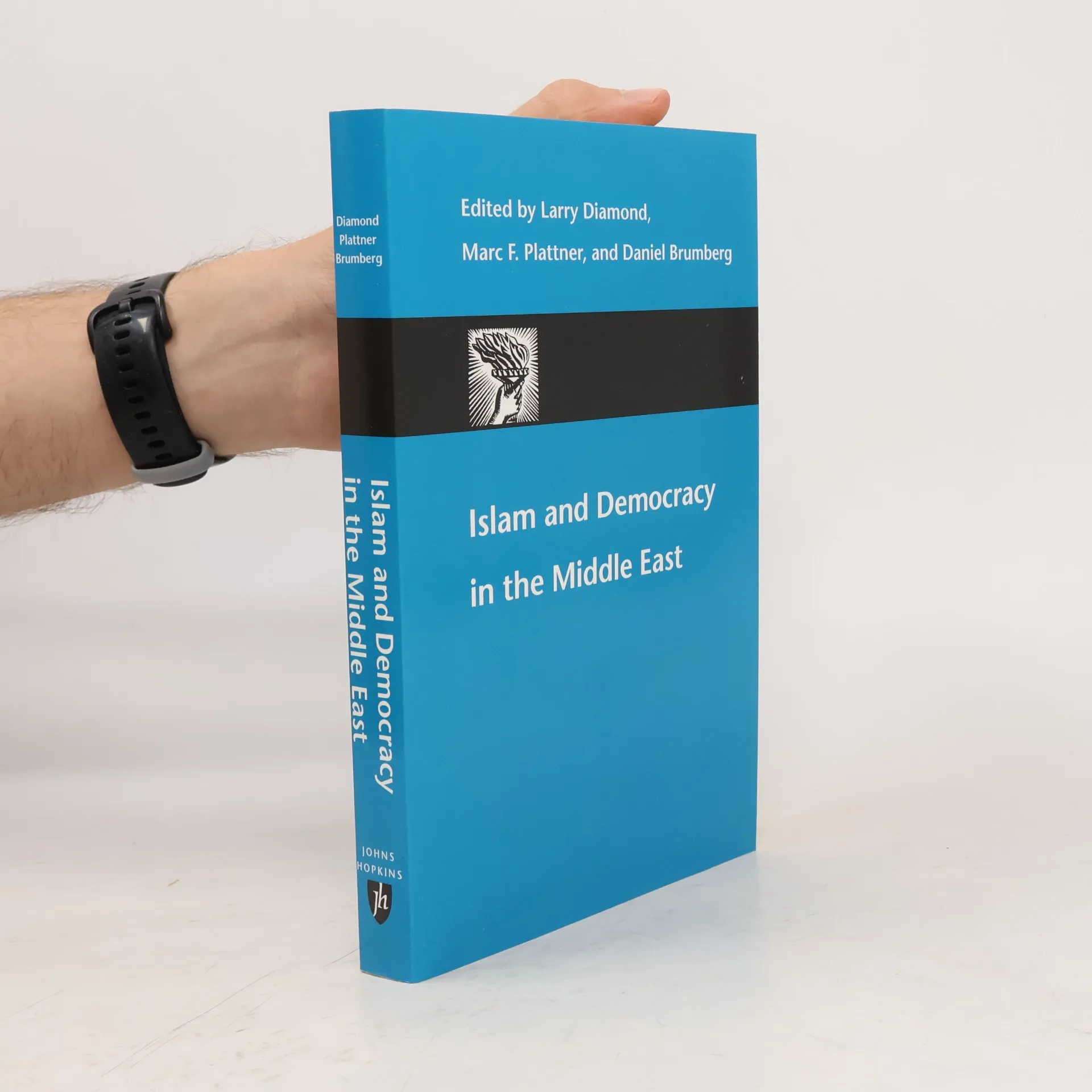
; Ziya Önis; Koç University; Soli Ozel, Bilgi University, Istanbul; William Quandt, University of Virginia; Jillian Schwedler, University of Maryland, College Park; Jean-François Seznec, Columbia University and Georgetown University; Emmanuel Sivan, Hebrew University; Mohamed Talbi, independent scholar; Robin Wright, Los Angeles Times.
The Struggle to Build Free Societies Throughout the World
464 pages
17 hours of reading
One of America's preeminent experts on democracy charts the future prospects for freedom around the world in the aftermath of Iraq and deepening authoritarianism Over three decades, the world was transformed. In 1974, nearly three-quarters of all countries were dictatorships; today, more than half are democracies. Yet recent efforts to promote democracy have stumbled, and many democratic governments are faltering.In this bold and sweeping vision for advancing freedom around the world, social scientist Larry Diamond examines how and why democracy progresses. He demonstrates that the desire for democracy runs deep, even in very poor countries, and that seemingly entrenched regimes like Iran and China could become democracies within a generation. He also dissects the causes of the "democratic recession" in critical states, including the crime-infested oligarchy in Russia and the strong-armed populism of Venezuela.Diamond cautions that arrogance and inconsistency have undermined America's aspirations to promote democracy. To spur a renewed democratic boom, he urges vigorous support of good governance--the rule of law, security, protection of individual rights, and shared economic prosperity--and free civic organizations. Only then will the spirit of democracy be secured.
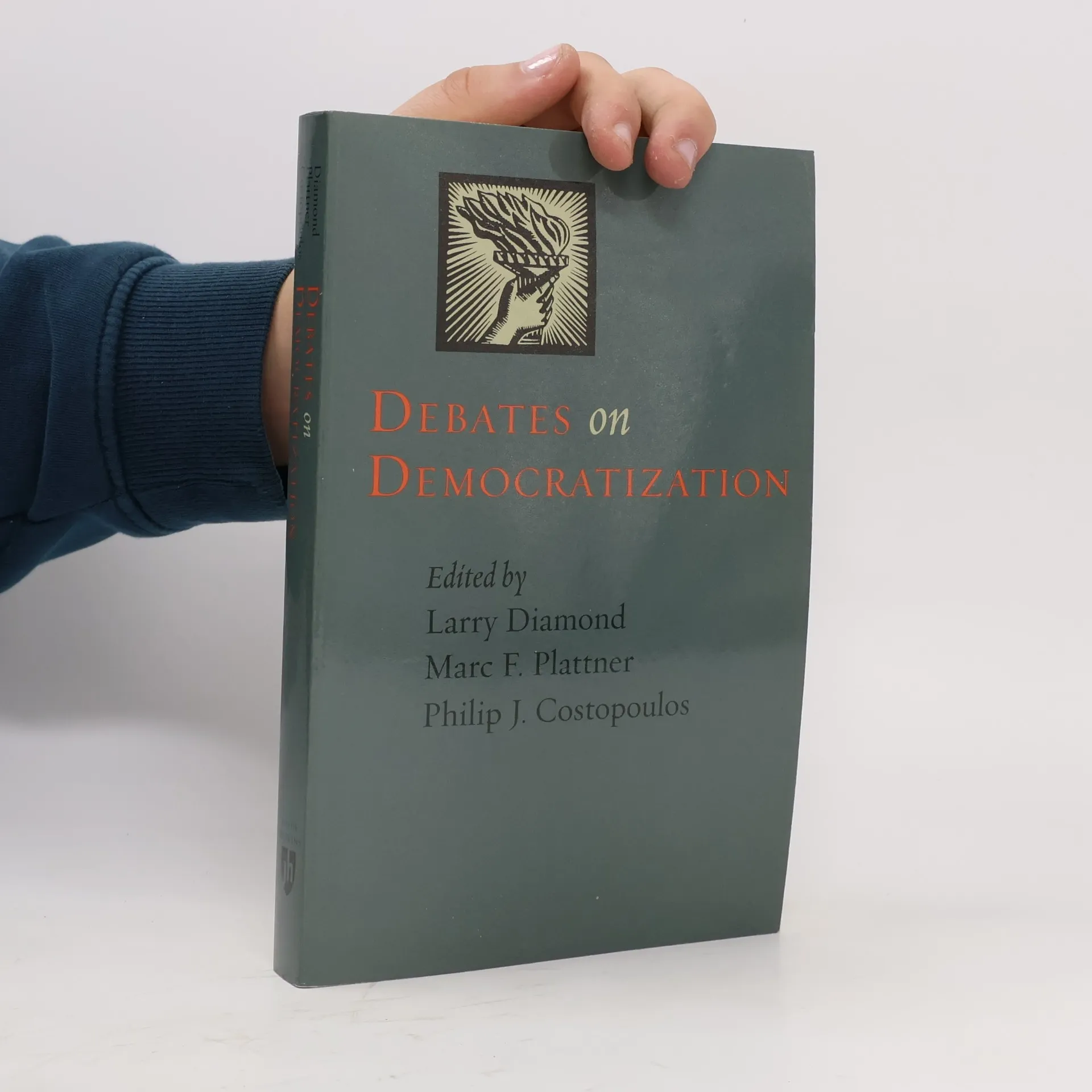
For more than twenty years, the Journal of Democracy has been a leading voice in the conversation between scholars and practitioners about government by consent and its place in the contemporary world. If democracy means anything, it means robust debates. Over the years, the pages of the Journal have certainly seen their share of lively and illuminating scholarly disagreements. As a service to students and teachers who wish to deepen their understanding of the questions and controversies that surround contemporary democratization, the Journal has now brought together a series of exchanges on the topic. Debates on Democratization explores the issues of democratic consolidation, the reality of the transition paradigm, the advisability of attempting to “sequence” elections and other liberal-democratic reforms, the nature and prospects of the “color revolutions” in the former Eastern Bloc, and the relative merits of presidentialism and its alternatives from the point of view of democratic governance and stability. The volume is filled with insightful, thought-provoking arguments by leading thinkers in the field. Graduate and undergraduate students alike will find it a useful guide to key issues facing emerging democracies today.
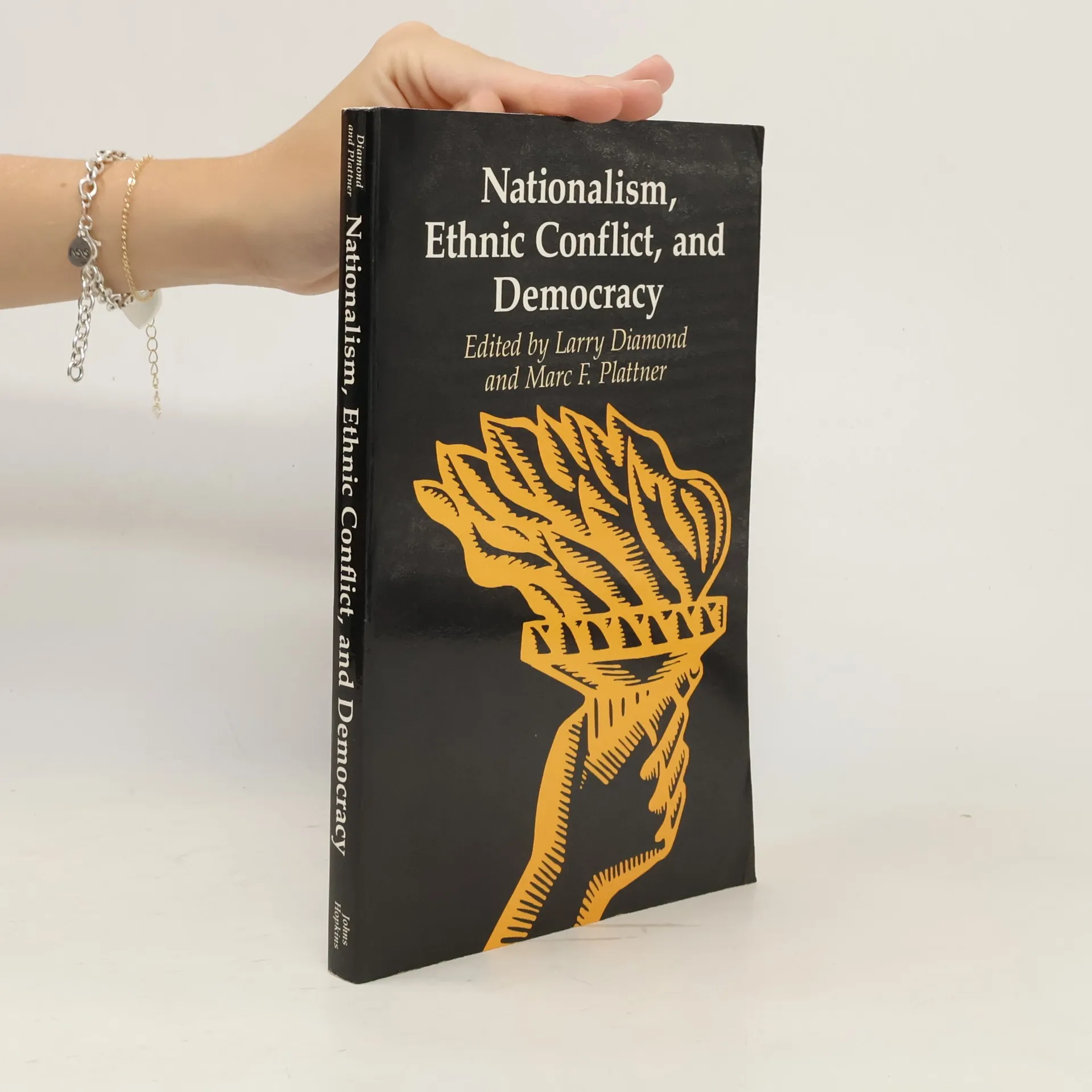
After an introduction by the volume editors, the book offers a look at the complex relationship between nationalism and democracy. The authors then examine the special challenges facing democracy in ethnically divided societies.
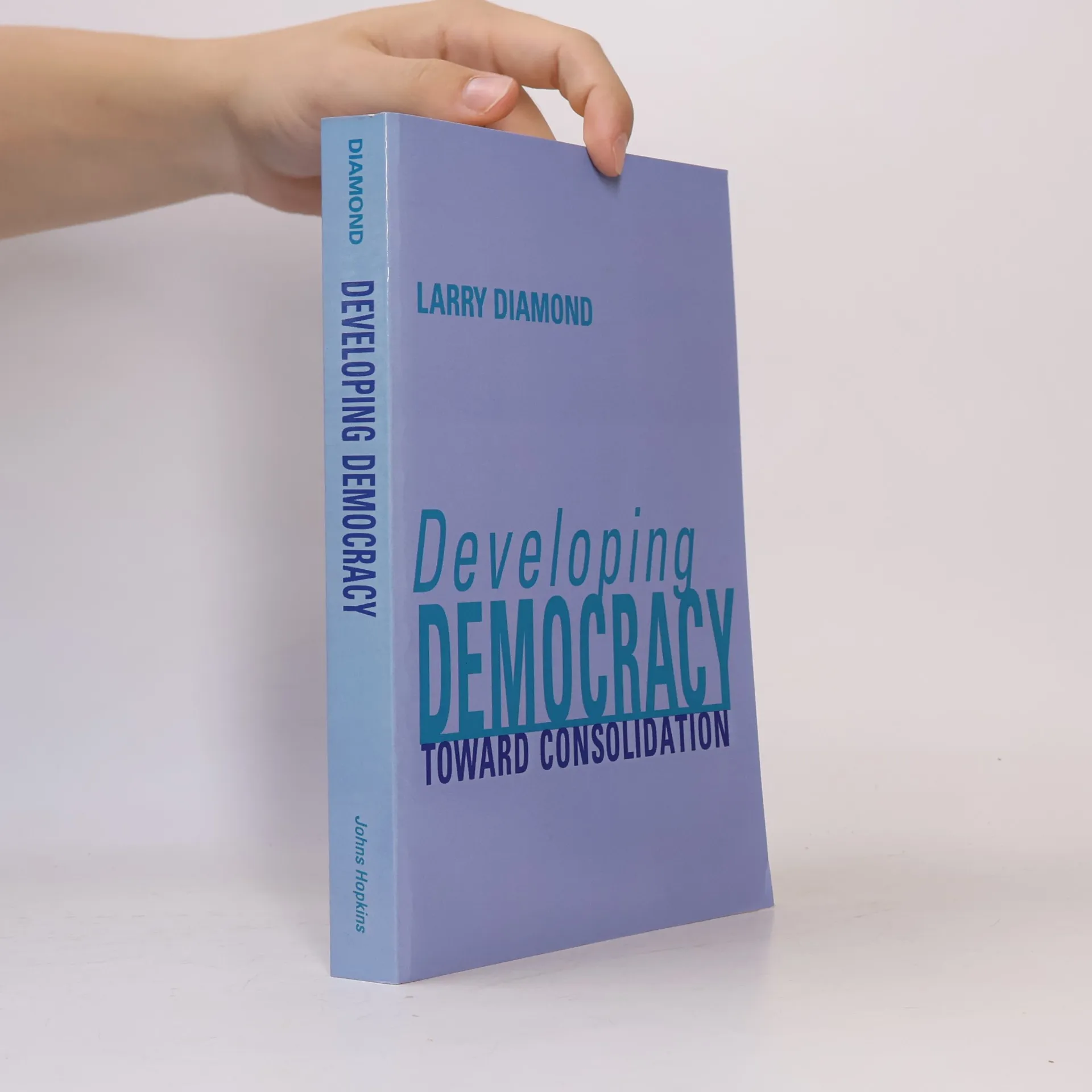
An in-depth analysis of the struggle to consolidate new and fragile democracies―available two paperback volumes for course use. The global trend that Samuel P. Huntington has dubbed the "third wave" of democratization has seen more than 60 countries experience democratic transitions since 1974. While these countries have succeeded in bringing down authoritarian regimes and replacing them with freely elected governments, few of them can as yet be considered stable democracies. Most remain engaged in the struggle to consolidate their new and fragile democratic institutions. Consolidating the Third Wave Democracies provides an in-depth analysis of the challenges that they face. Consolidating the Third Wave Democracies is available in two paperback volumes, each introduced by the editors and organized for convenient course use. The first paperback volume, Themes and Perspectives , addresses issues of institutional design, civil-military relations, civil society, and economic development. It brings together some of the world's foremost scholars of democratization, including Robert A. Dahl, Samuel P. Huntington, Juan J. Linz, Guillermo O'Donnell, Adam Przeworski, Philippe C. Schmitter, and Alfred Stepan. The second paperback volume, Regional Challenges , focuses on developments in Southern Europe, Latin America, Russia, and East Asia, particularly Taiwan and China. It contains essays by leading regional experts, including Yun-han Chu, P. Nikiforos Diamandouros, Thomas B. Gold, Michael McFaul, Andrew J. Nathan, and Hung-mao Tien.