César Vallejo Books
March 16, 1892 – April 15, 1938
César Vallejo was a Peruvian poet, considered one of the great poetic innovators of the 20th century. Though he published only three collections of poetry in his lifetime, his works were always a step ahead of literary currents, each distinct and revolutionary in its own way. His unique voice and stylistic prowess set him apart.


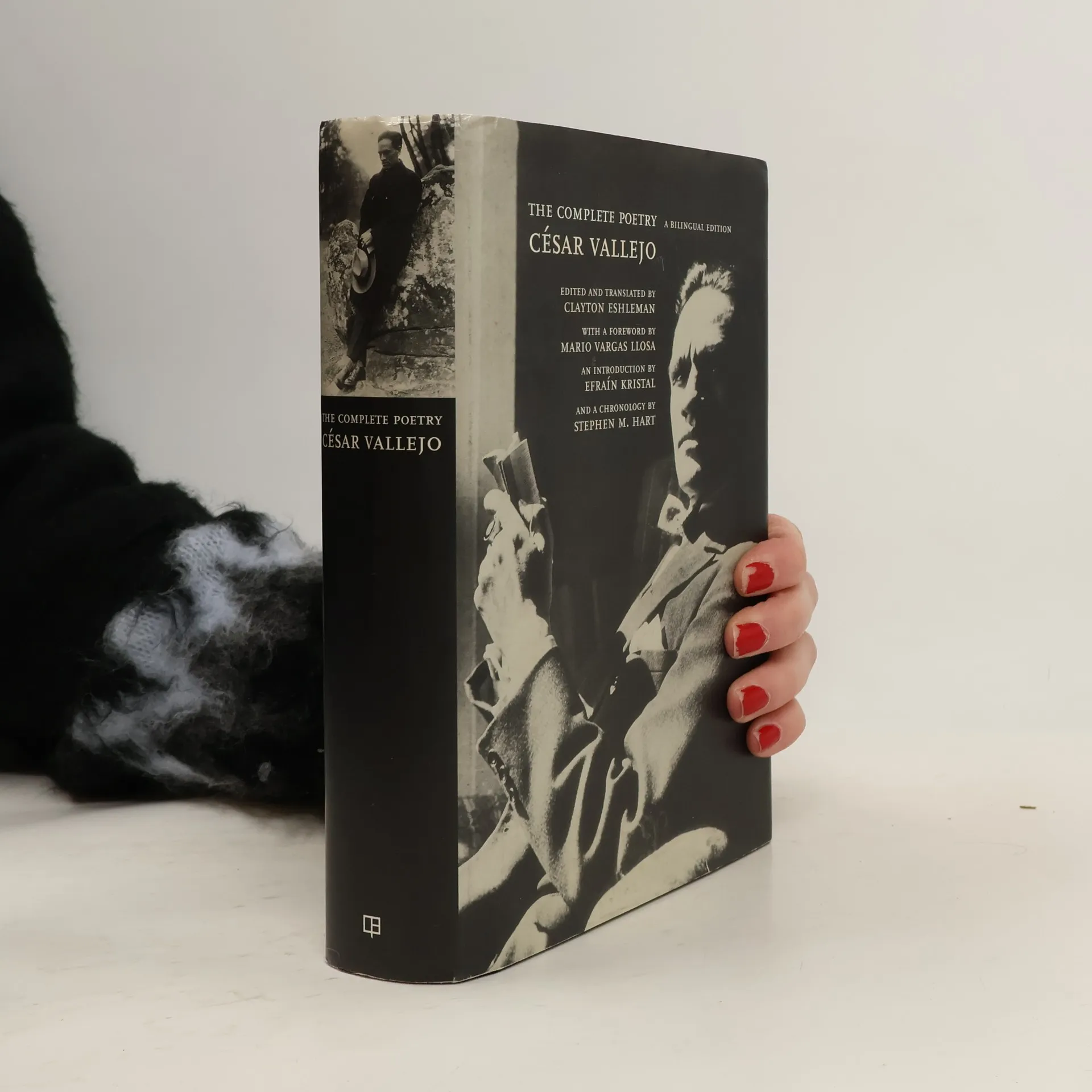
Cesar Vallejo was born in Santiago de Chuco, Peru, in 1892. He studied law and literature in Trujillo and in 1917 moved to Lima. In 1921 he spent three months in prison where he wrote some of the poems in Trilce. In 1923 he left for Paris, where he co-founded a cell of the Peruvian Communist Party. From Paris, he traveled to Russia and to Spain, during the Spanish Civil War. He died in Paris, in absolute poverty, devastated by the fall of the Spanish Republic, in 1938. Besides novels, short stories, dramas, and several journalistic and political collections, Vallejo left five books of poetry. Of these only Los heralds negros (The Black Heralds, 1918) and Trilce (1922) were published during his lifetime. Nomina de huesos (Payroll of Bones, 1923-1936), Sermon de la barbarie (Sermon on Barbarism, 1936-1938) and Espana, aparta de mi este caliz (Spain, Take This Cup from Me, 1937-1938), were published posthumously.
Cesar Vallejo is one of the best-known Latin American poets of the twentieth century. Challenging, intense, and difficult to translate, Vallejo's work has often been overshadowed by his fervent endorsement of communism. Including Spanish and English versions of more than eighty poems that span Vallejo's career, this title collects his poems.
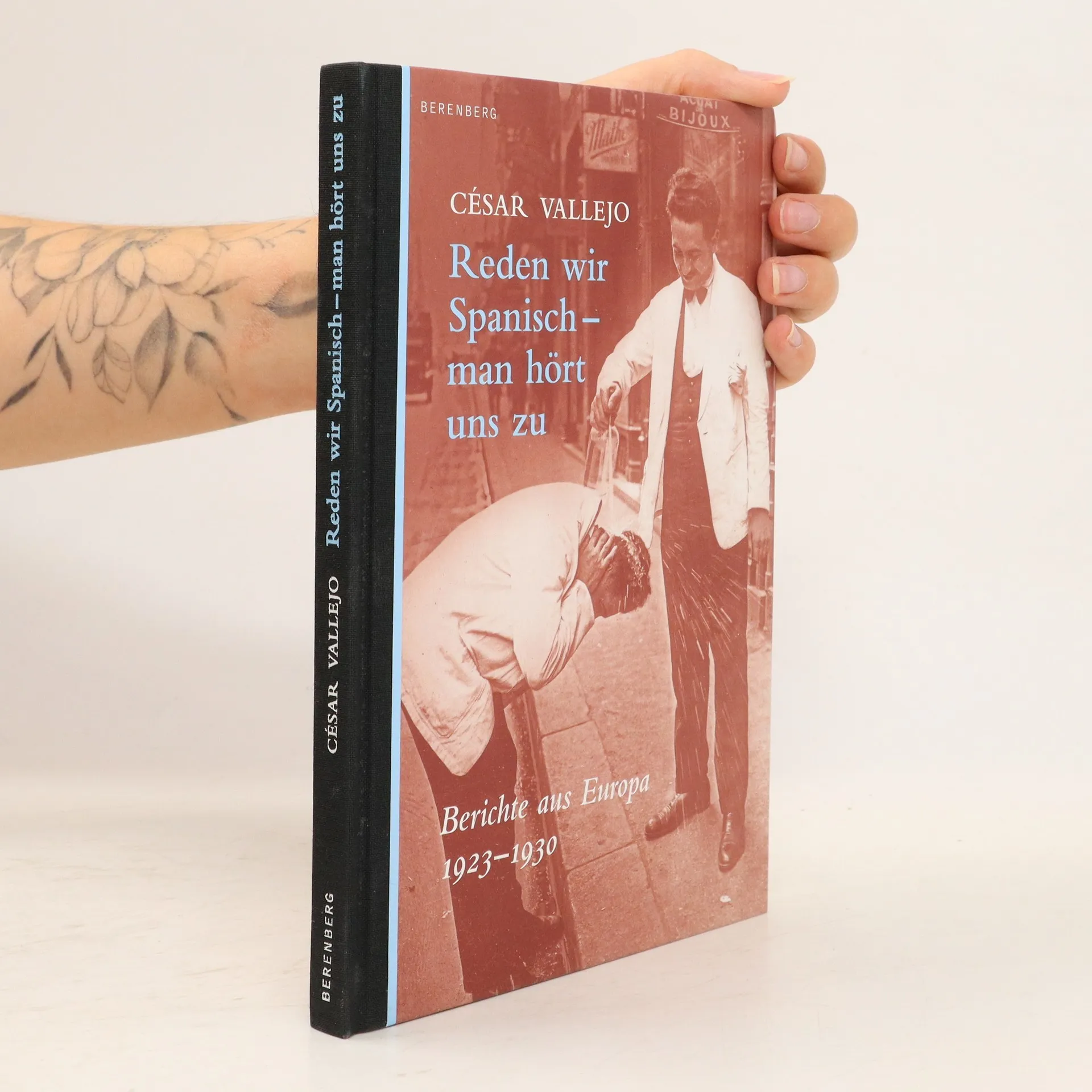
Reden wir Spanisch - man hört uns zu
- 144 pages
- 6 hours of reading
Wenn Dichter aus ihrem Wolkenkuckucksheim herabsteigen und sich mit ihrer Umgebung beschäftigen müssen, entstehen Berichte, wie man sie hier lesen kann: Als der Peruaner César Vallejo 1923 nach Paris kam, verwirklichte er einen Traum - die „Alte Welt“ kennenzulernen. Tatsächlich sollte er seine Heimat bis zu seinem Tod 1938 nicht mehr wiedersehen. Seinen Lebensunterhalt in Europa verdiente er sich als Korrespondent lateinamerikanischer Zeitungen. Und er kam herum: Auf seinen Reisen kreuz und quer durch den Kontinent, zwischen Russland auf der einen und Spanien auf der anderen Seite, und immer wieder in Paris, entstanden diese Texte. Vallejo war ein scharfer Beobachter von für ihn fremden und seltsamen Menschen und Ereignissen. Und ein Dichter, dem ein Gespür für Wahnwitz und Fantastik einen ganz neuen Blick auf überraschend aktuell und vertraut wirkende europäische Themen erlaubt.
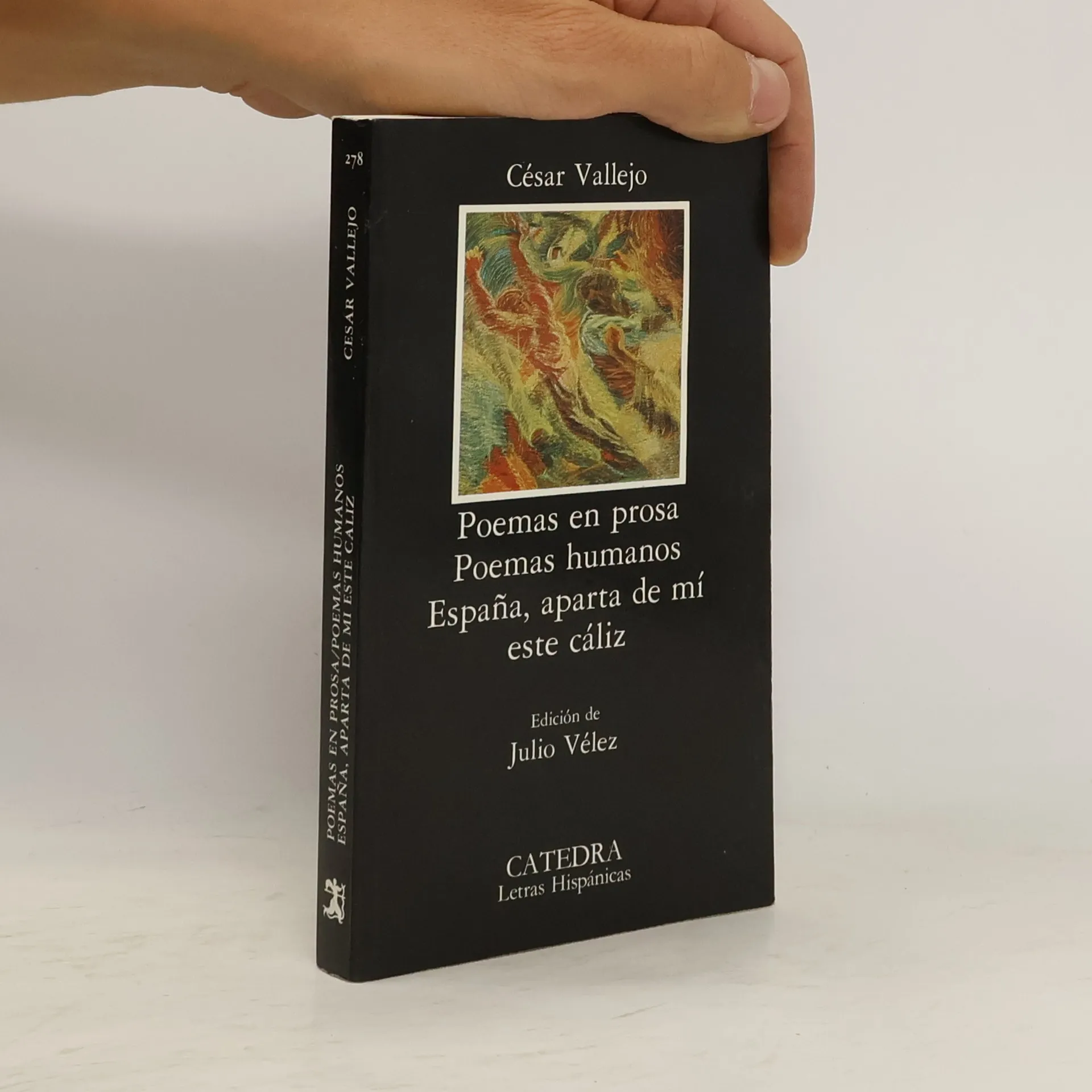
Poemas en prosa ; Poemas humanos ; España, aparta de mí este cáliz
- 289 pages
- 11 hours of reading
La escritura de Vallejo obedece a un sistema en el que cada verso representa una suma de esfuerzos y tensiones donde se articulan a la vez el lenguaje y las percepciones mentales. España, aparta de mí este cáliz, es la herencia de angustia y dolor que recibió de España.
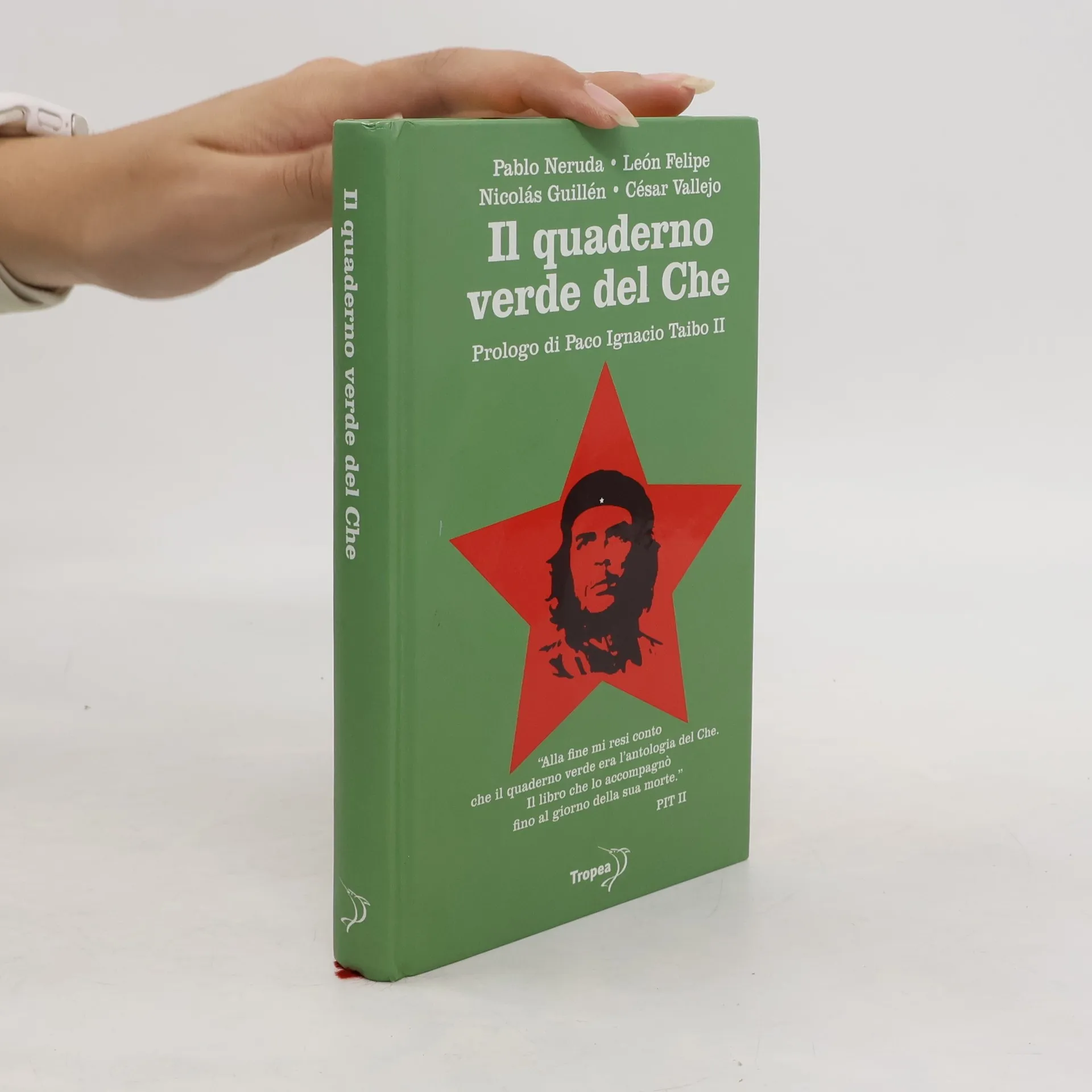
I tre ufficiali in uniforme e l'agente della CIA esaminarono minuziosamente lo zaino. Alla fine riuscirono a estrarre solo 12 rullini di pellicola, una ventina di mappe corrette con matite colorate, una radio portatile che non funzionava da tempo, un paio di agende e un quaderno verde. Il quaderno verde, dove si possono leggere alcuni versi che sembrano una serie di poesie, non sembra suscitare grande interesse. Poche ore dopo, il proprietario dello zaino, il comandante Ernesto Guevara, sarà assassinato nella scuelita di La Higuera e i suoi brevi resti terreni verranno dispersi. Nel corso degli anni, il percorso del quaderno dalle copertine verdi con lettere arabe sulla copertina, il quaderno di poesia, rimase un mistero. Conteneva poesie che il Che aveva scritto durante la campagna boliviana? Erano poesie che il Che aveva copiato negli ultimi due anni? Era una miscela di entrambi? Le poesie erano una sorta di chiave? La sfida per me era affascinante. Partii dall'identificare la quindicina di poesie che conoscevo o mi suonavano familiari. C'erano cose relativamente facili, frasi vallejiane e sonetti; il quaderno conteneva una selezione di poesie di Neruda, Vallejo, Guillén e León Felipe. Alla fine mi resi conto che si trattava di un'antologia. Un'antologia fatta dal Che. La sua antologia personale.
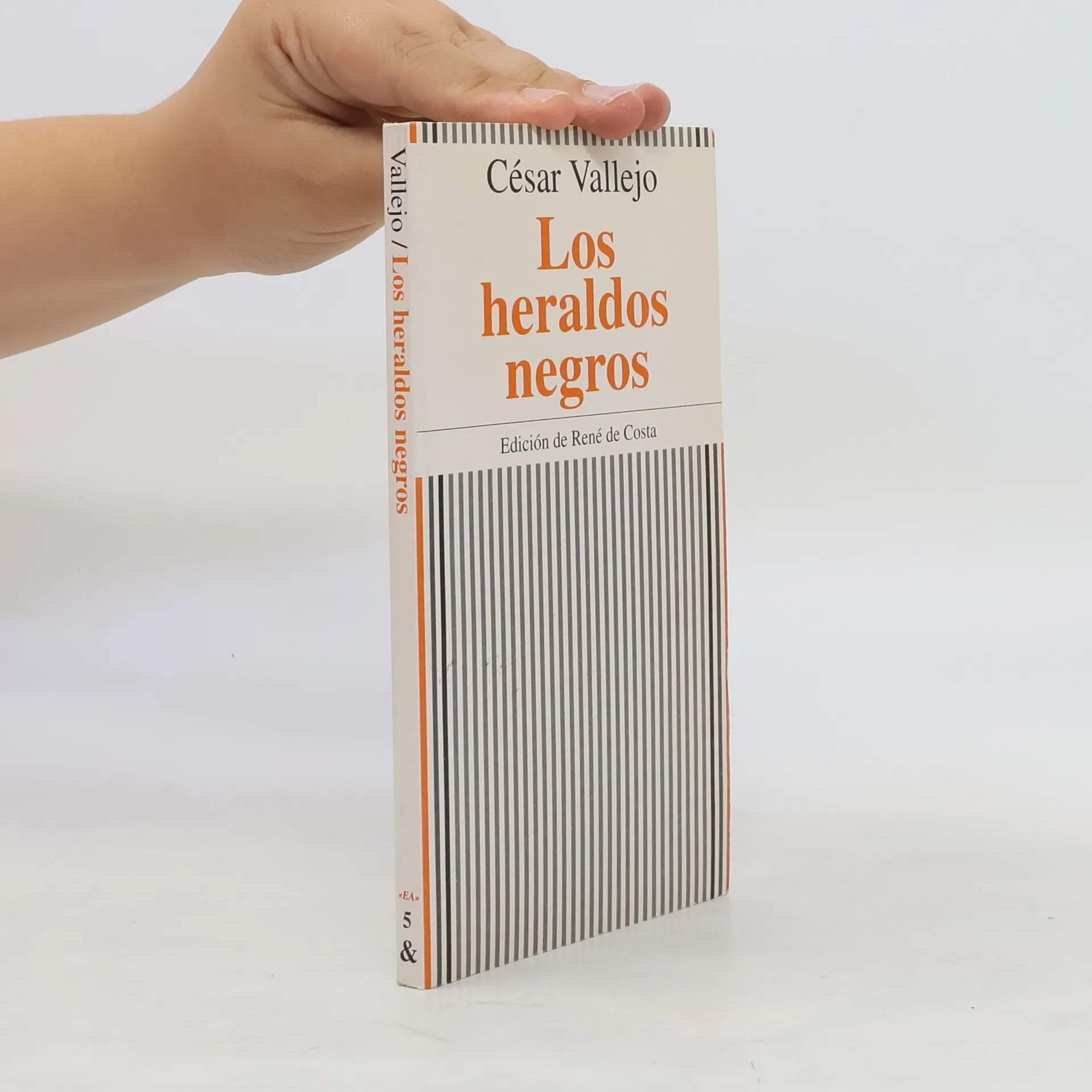
Los heraldos negros
- 156 pages
- 6 hours of reading
"Los Heraldos Negros", primer libro de César Vallejo, anuncia desde su título la mala hora que ronda las puertas de la condición humana, pero también notifica el final de un tiempo de la poesía peruana, anclada en la línea del modernismo, al inyectarle a su creación el elemento conversacional, el reflejo de lo cotidiano y símbolos. El poeta vierte en este primer poemario toda la tristeza telúrica que el hombre sin culpa ha sido condenado. No existe bálsamo para aliviar los caprichos del destino o el odio de dios al que ha sido designado. César Vallejo desde aquí irrumpe y traza otra senda para la poesía en el Perú y el mundo hispano.
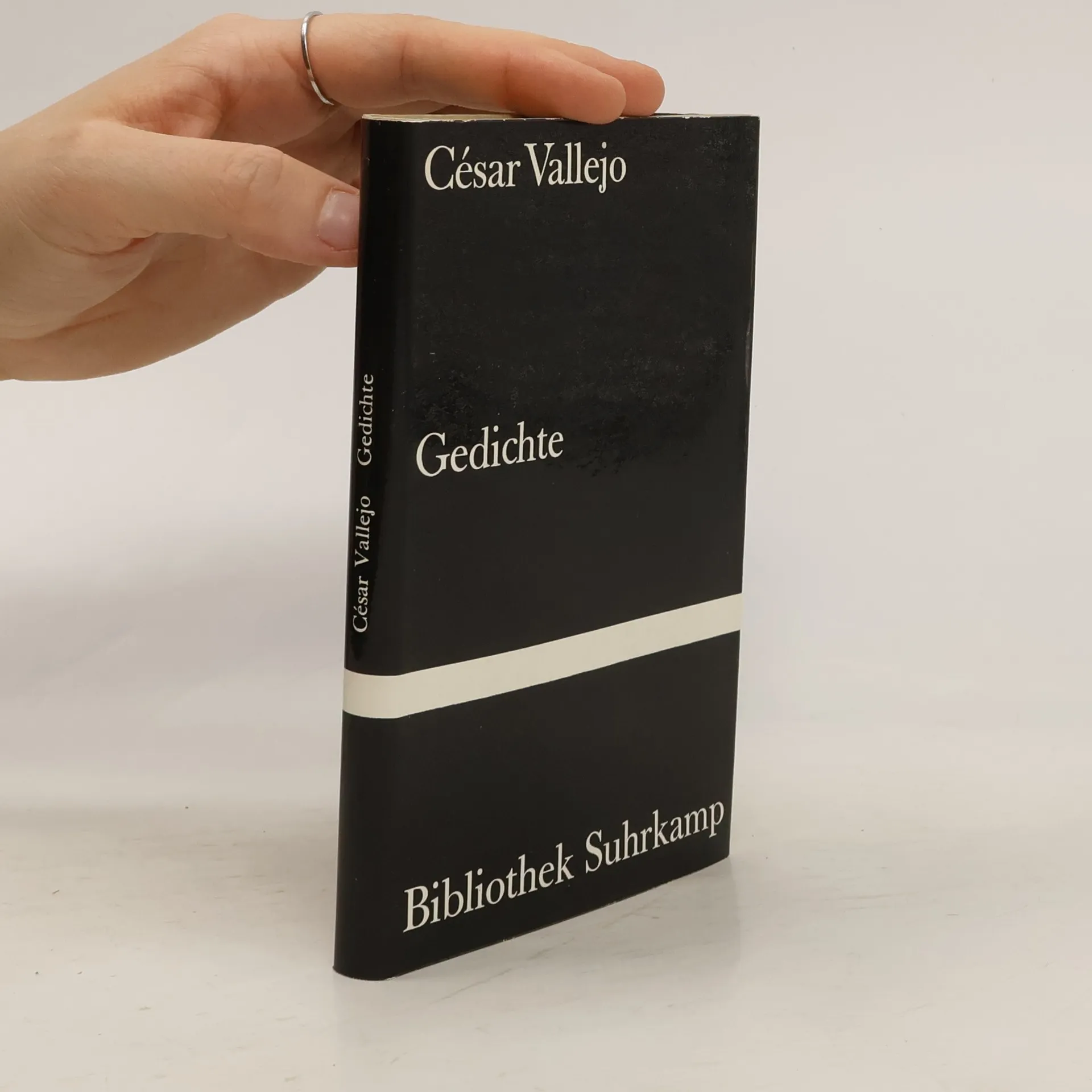
Gedichte
Spanisch und deutsch. Übertragung und Nachwort von Hans Magnus Enzensberger
Mit César Vallejo (1892?-1938) hat nicht nur Peru sich in die moderne lyrische Weltdichtung eingeschrieben, sondern die junge Dichtergeneration Südamerikas hat in ihm ihr gerühmtes und angebetetes Vorbild entdeckt. Er ist des raffiniertesten Kunstdialekts spanischer Herkunft ebenso fähig wie der elementaren Ausdrucksweise der Peones. Das Ineinander von extremer Kunstsprache und vernutzter Redensart ist seiner Poetik nicht äußerlich: es macht ihren Kern aus.
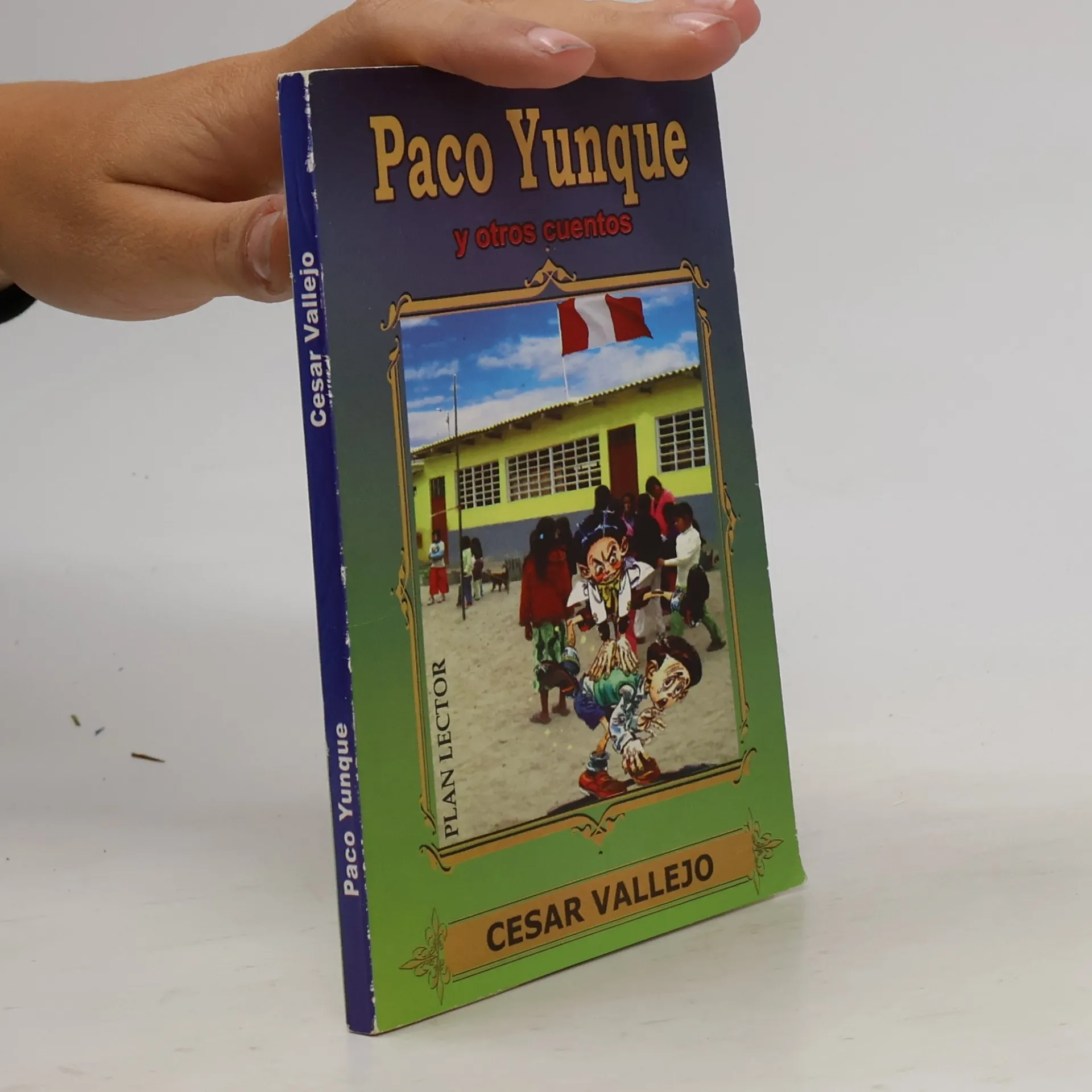
Paco Yunque
y otros cuentos
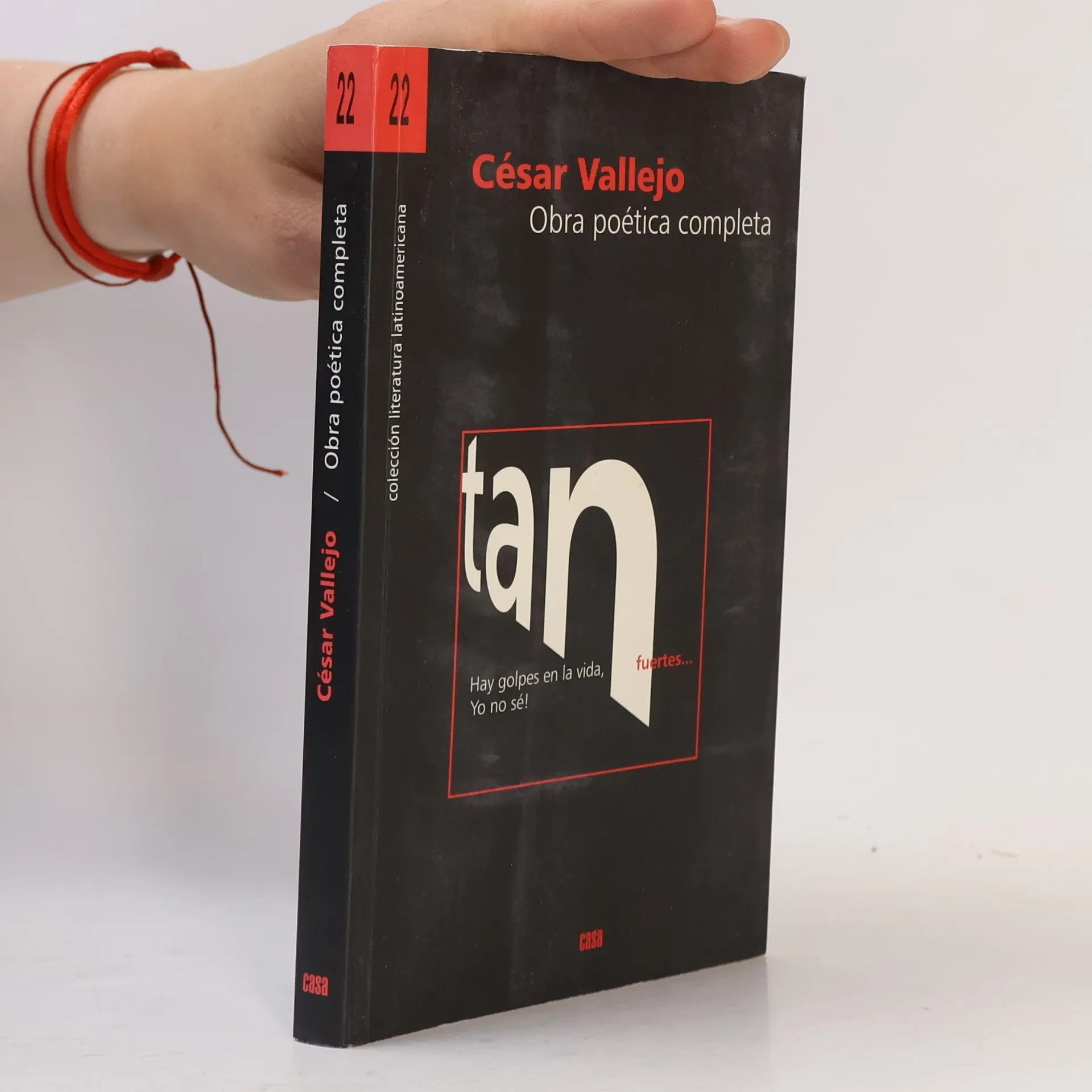
Colección Literatura Latinoamericana - 22: Obra Poética Completa
Hay golpes en la vida, fuertes... Yo no sé!
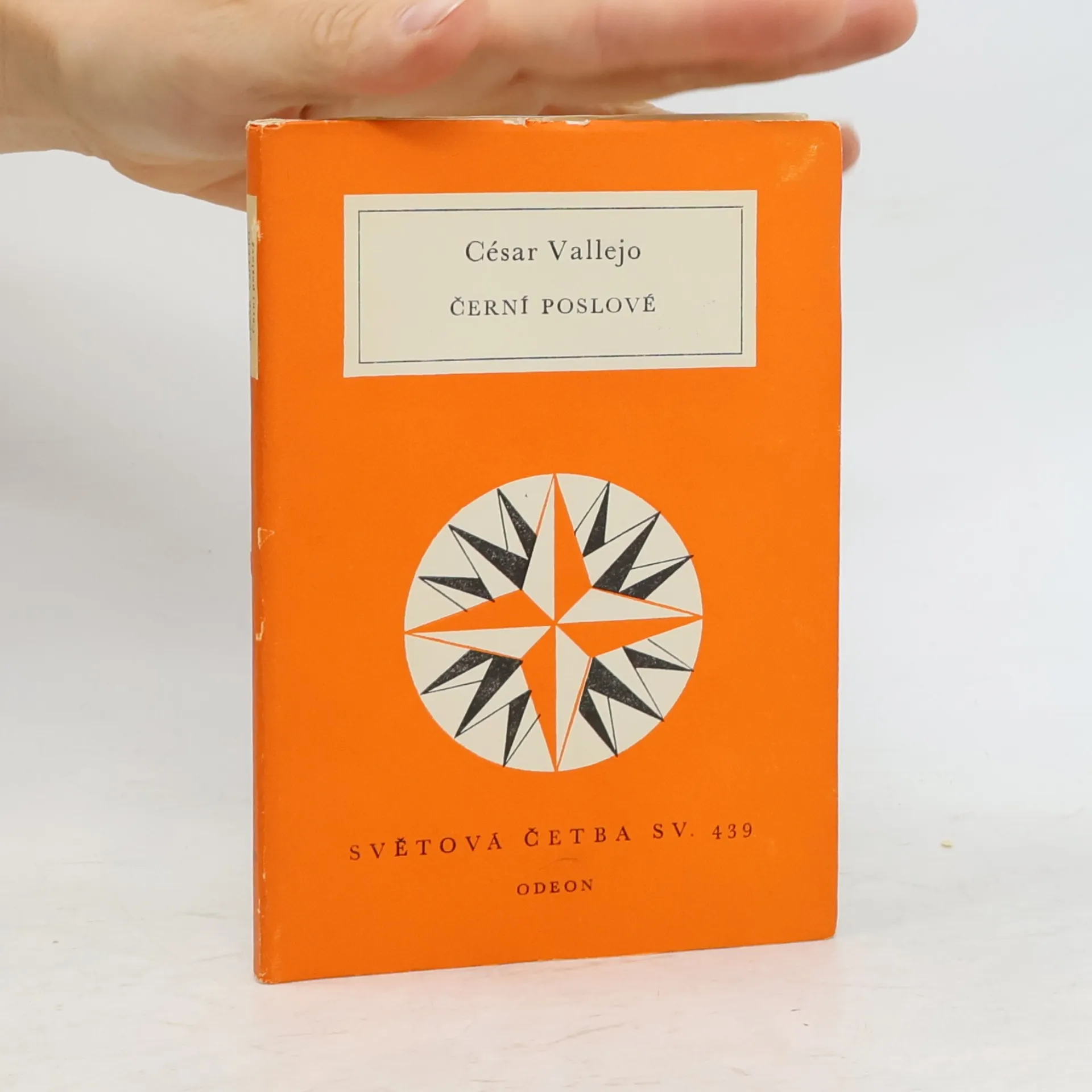
Černí poslové
- 146 pages
- 6 hours of reading
Výbor z veršů peruánského básníka, který se za emigrace v Evropě, za života mezi Paříží a Madridem, stal vrcholným představitelem hispánské básnické avantgardy v období mezi oběma světovými válkami. Výbor zahrnuje verše zesbírek Černí poslové, Trilce a Lidské básně (z nichž je zvlášť vydělen oddíl zachycující zážitky básníka, který v době občanské války ve Španělsku stál na straně republikánské armády, oddíl Španělsko, odejmi ode mne tentokalich). Verše obrážející indiánský pesimismus, sebemučivé zklamání, niterné zahloubání.
V tomto románe zachytil podmienky, v akých žijú obyvatelia horských oblastí Peru – bukolický život primitívnych „detí prírody“. Doslov napsal Vladimír Oleríny.
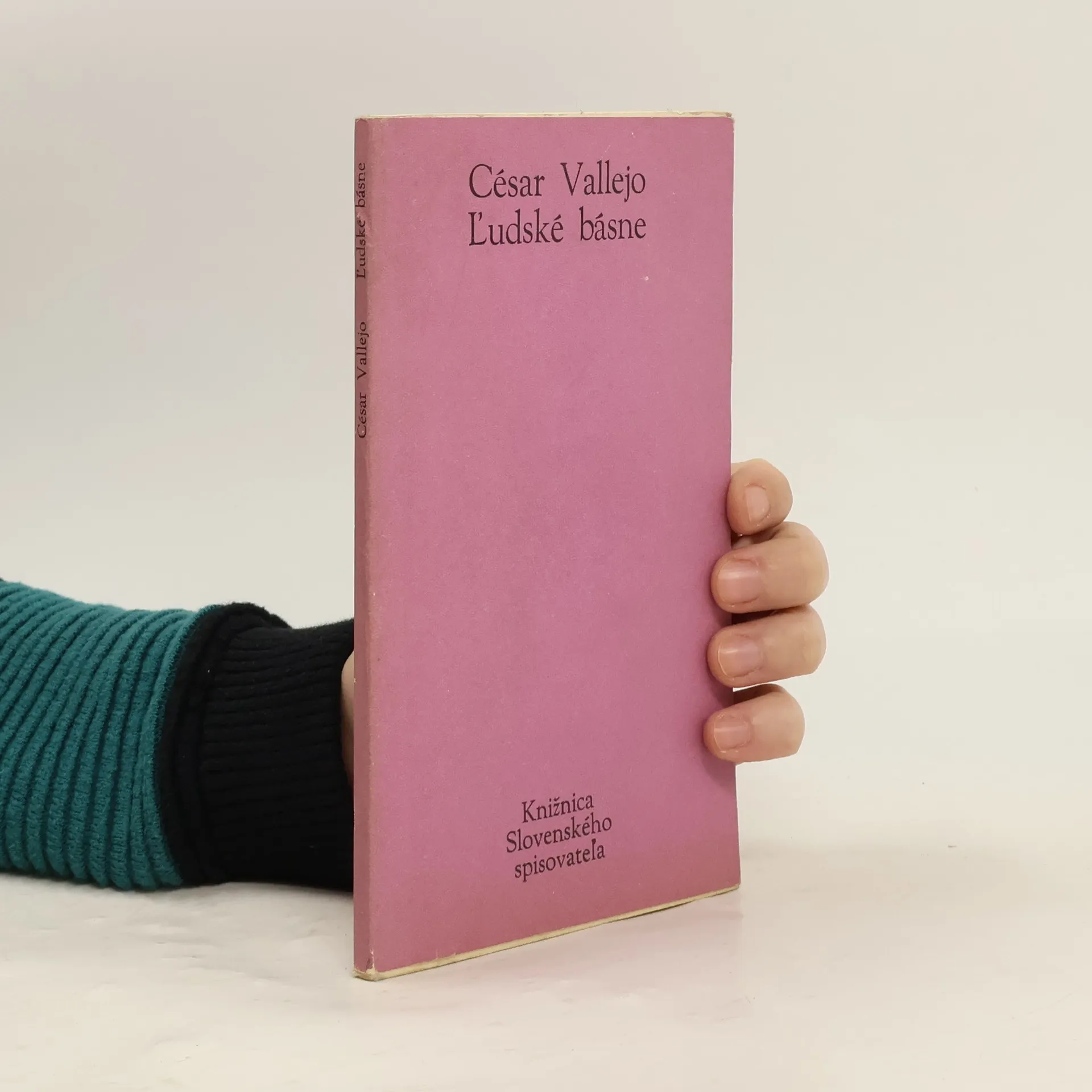
Ľudské básne
- 74 pages
- 3 hours of reading