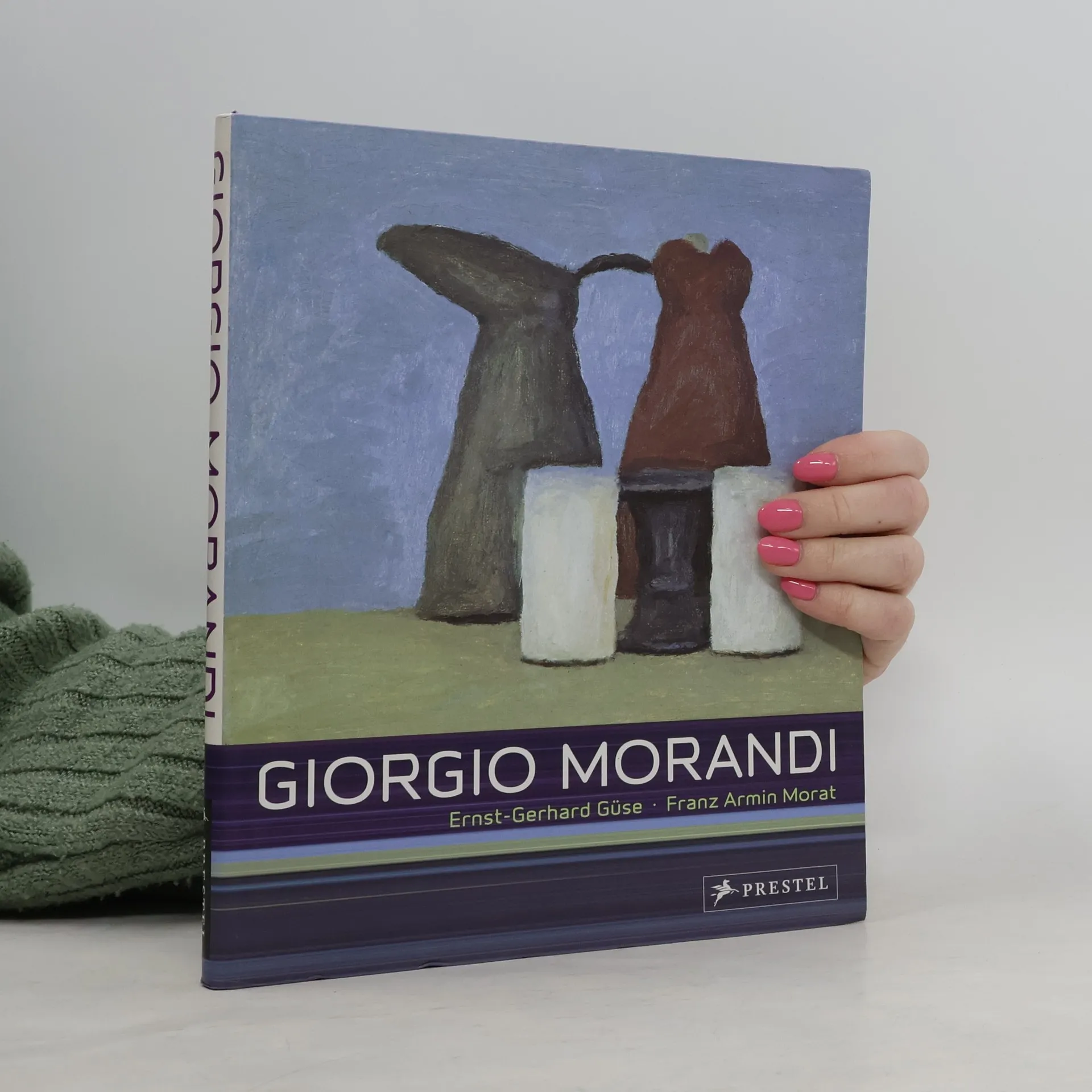
In the history of 20th-century figurative art, the Italian painter Giorgio Morandi stands out as an individual artist, capturing the simple beauty of light on forms through deft brushwork and subtle coloration. This volume brings together some 110 of his most important works.
Gerhard Ernst Books
January 1, 1971
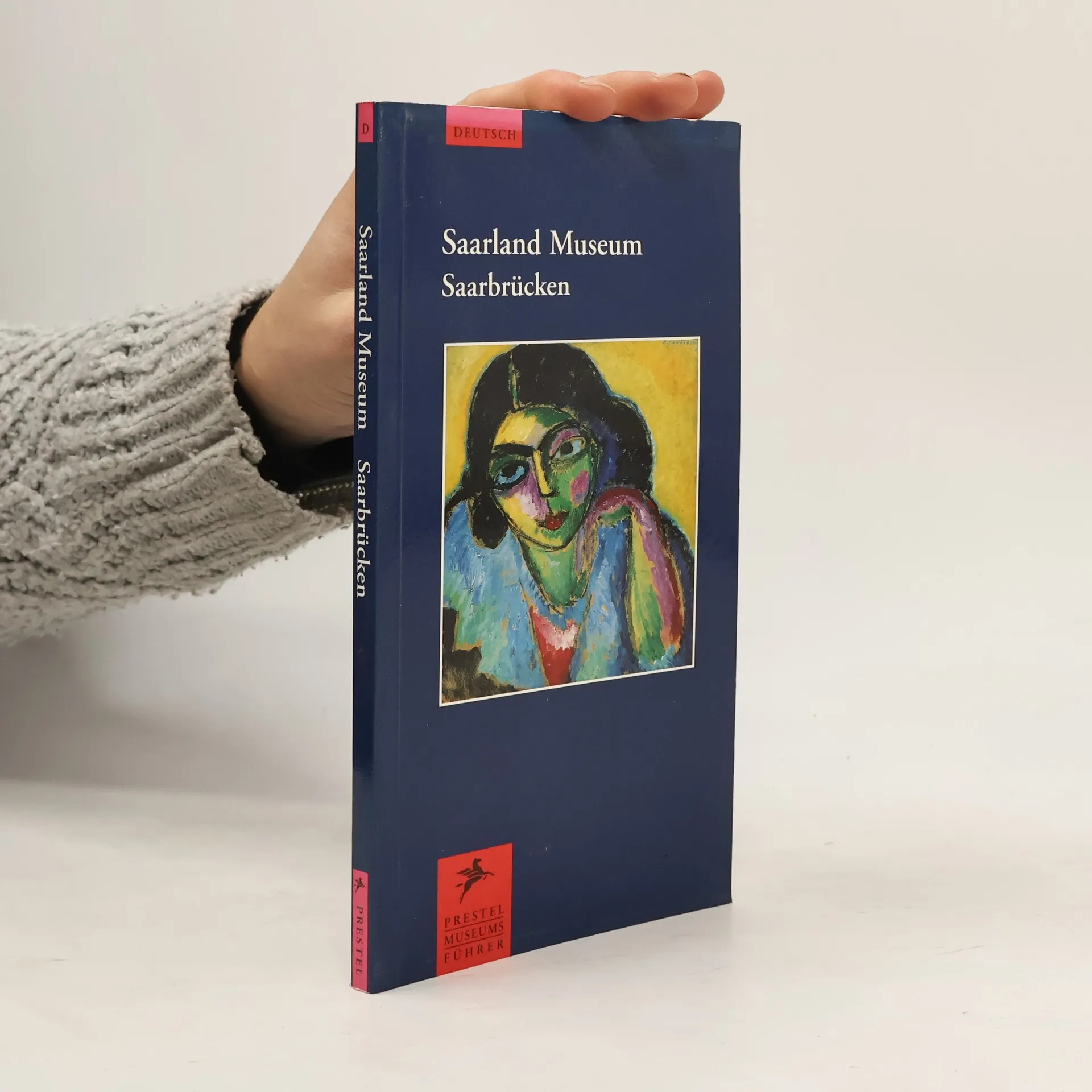
Saarland Museum Saarbrücken
- 127 pages
- 5 hours of reading
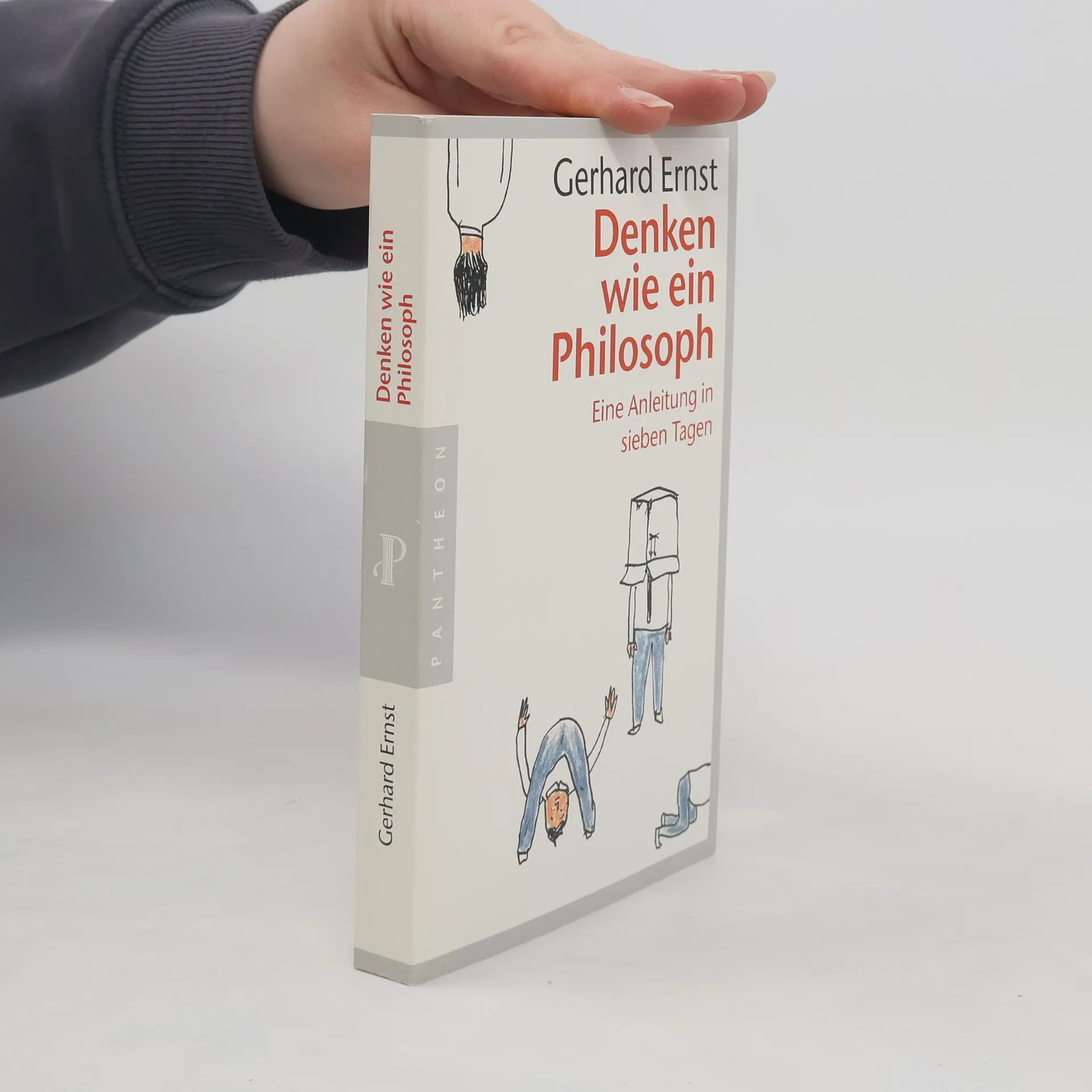
Denken wie ein Philosoph
Eine Anleitung in sieben Tagen
In sieben Tagen Philosoph Populäre Bücher über Philosophie gibt es viele, wobei die meisten schon darin irreführend angelegt sind, dass sie die Philosophie als das Äußern von Meinungen darstellen, wo es doch um den Austausch von Argumenten geht. Das Buch des Philosophieprofessors Gerhard Ernst verwechselt Philosophie nicht mit Weltanschauung und ermöglicht so dem interessierten Leser eine ernsthafte Auseinandersetzung mit der Philosophie. Und das alles in nur einer Woche. In der Tradition der antiken Philosophie gibt dieses Buch einen Anreiz zum Philosophieren. Der Leser tritt dabei in Dialog mit einem philosophischen Lehrer. So entwickeln sich sieben Gespräche – für jeden Tag der Woche eines –, in denen Fragen aus den Hauptgebieten der Philosophie besprochen werden: Montag: Wie soll ich leben? Dienstag: Wie sollen wir leben? Mittwoch: Wie objektiv ist die Moral? Donnerstag: Was können wir wissen? Freitag: Was gibt es? Samstag: Was ist Philosophie? Sonntag: Wozu philosophieren?
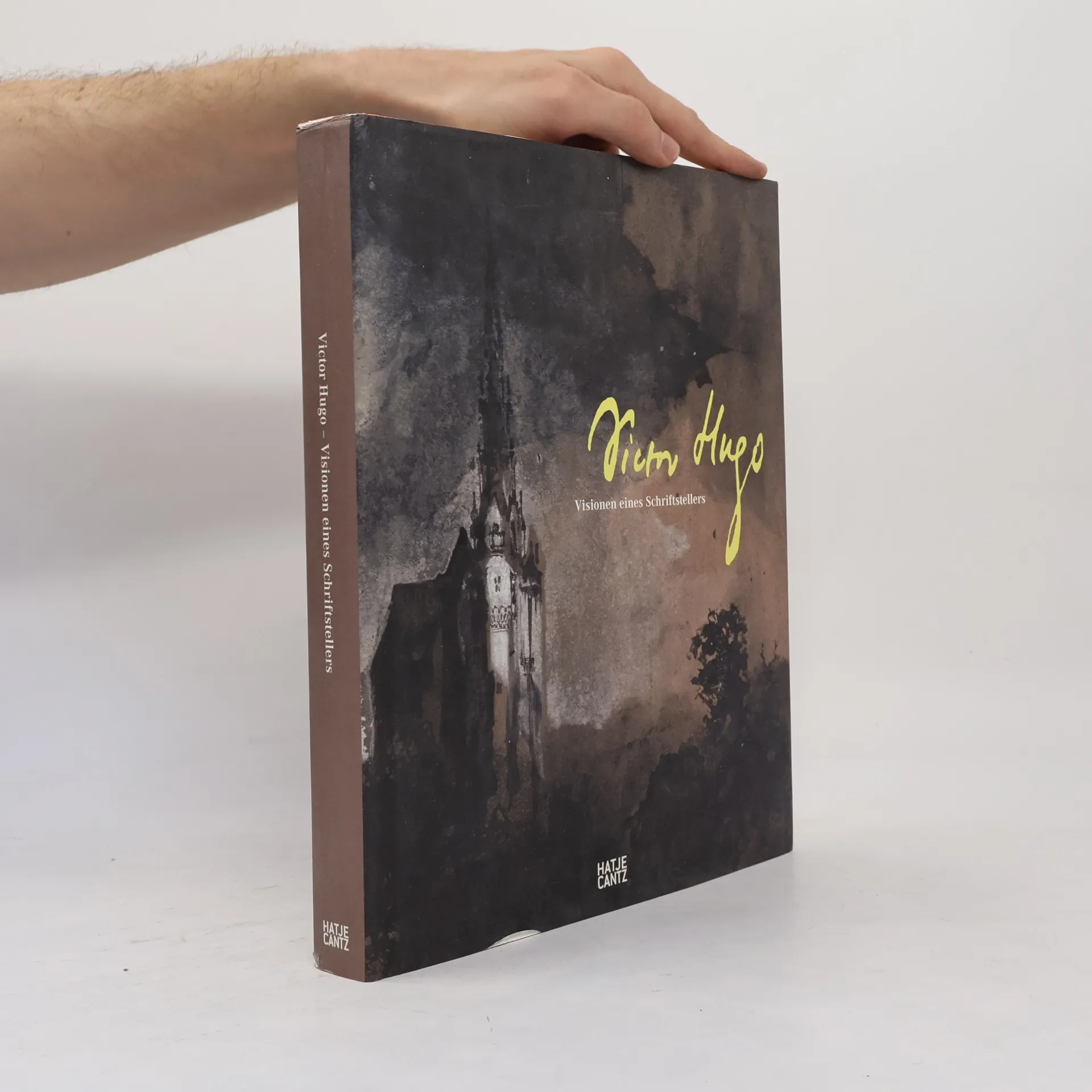
Victor Hugo - Visionen eines Schriftstellers
- 245 pages
- 9 hours of reading
In seinen dunklen, visionären Zeichnungen und Aquarellen suchte Victor Hugo (1802–1885) Antworten auf politische Entwicklungen und gesellschaftliche Umbrüche seiner Epoche. Er tropfte oder blies die Tinte übers Papier, benutzte Abklatsch- und Wischtechniken oder bezog den Abdruck seiner tintenverklecksten Finger in den Bildaufbau mit ein. Die so entstandenen Grafiken sind von erstaunlicher Modernität und wurden von den Surrealisten als Vorläufer ihrer eigenen Ästhetik gefeiert. Daneben schuf Hugo auf seinen Reisen, etwa entlang des Rheins, auch viele traditionelle Veduten, in den Jahren seines Exils auf Jersey und Guernsey zahlreiche romantische Meeresbilder, später auch Karikaturen, in denen der zeitweilige Abgeordnete der Nationalversammlung mit spitzer Feder die Schwächen seiner Modelle festhielt. Der Band präsentiert ausgewählte Blätter, verknüpft diese mit Hugos schriftstellerischem Werk und beleuchtet seine Rezeption durch Goethe. Ein weiterer Essay widmet sich erstmals gesondert Arnulf Rainers Übermalungen von Victor Hugos Zeichnungen. Ausstellung: Klassik Stiftung Weimar, Schiller-Museum 16.5.–27.7.2008
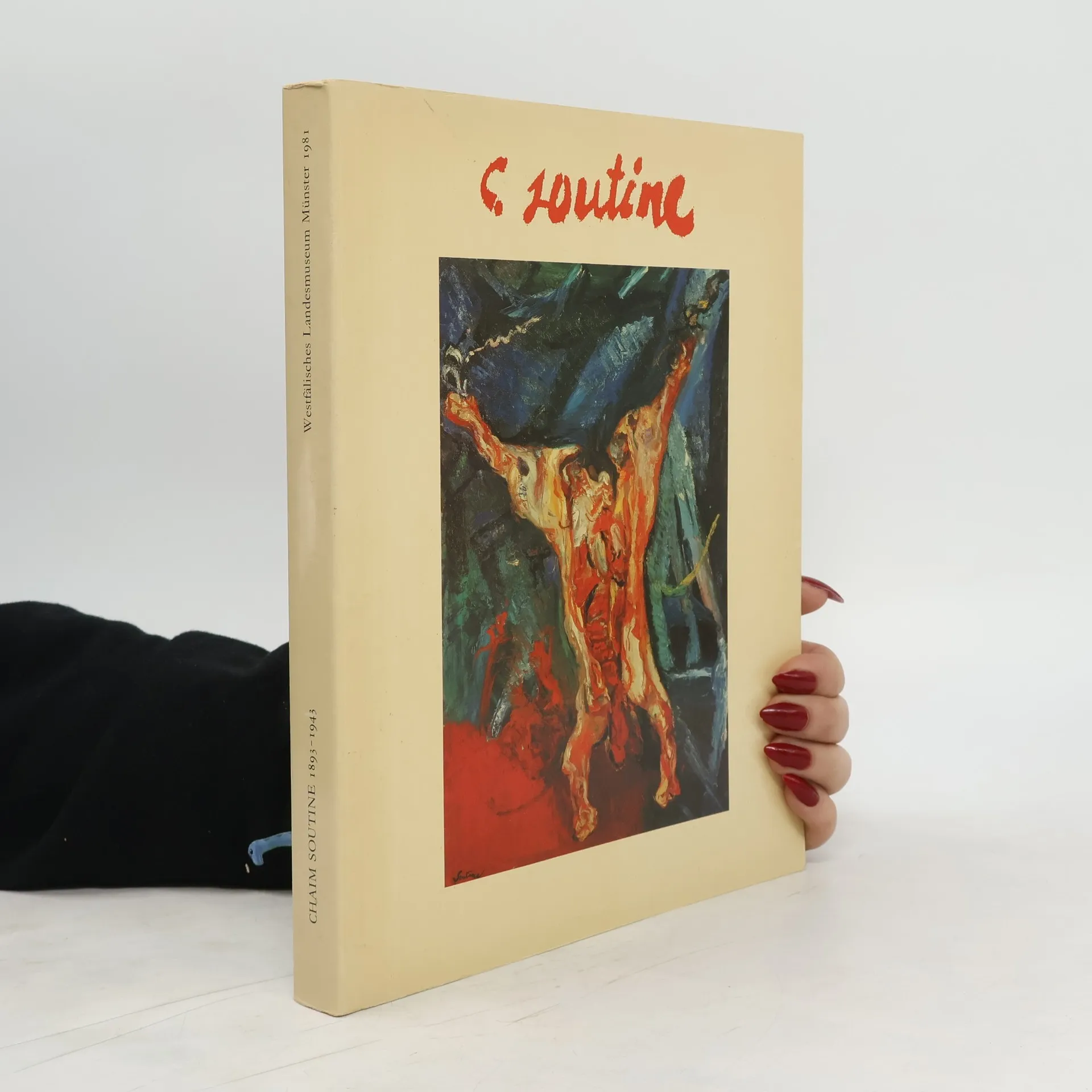
C. Soutine 1893-1943
- 257 pages
- 9 hours of reading
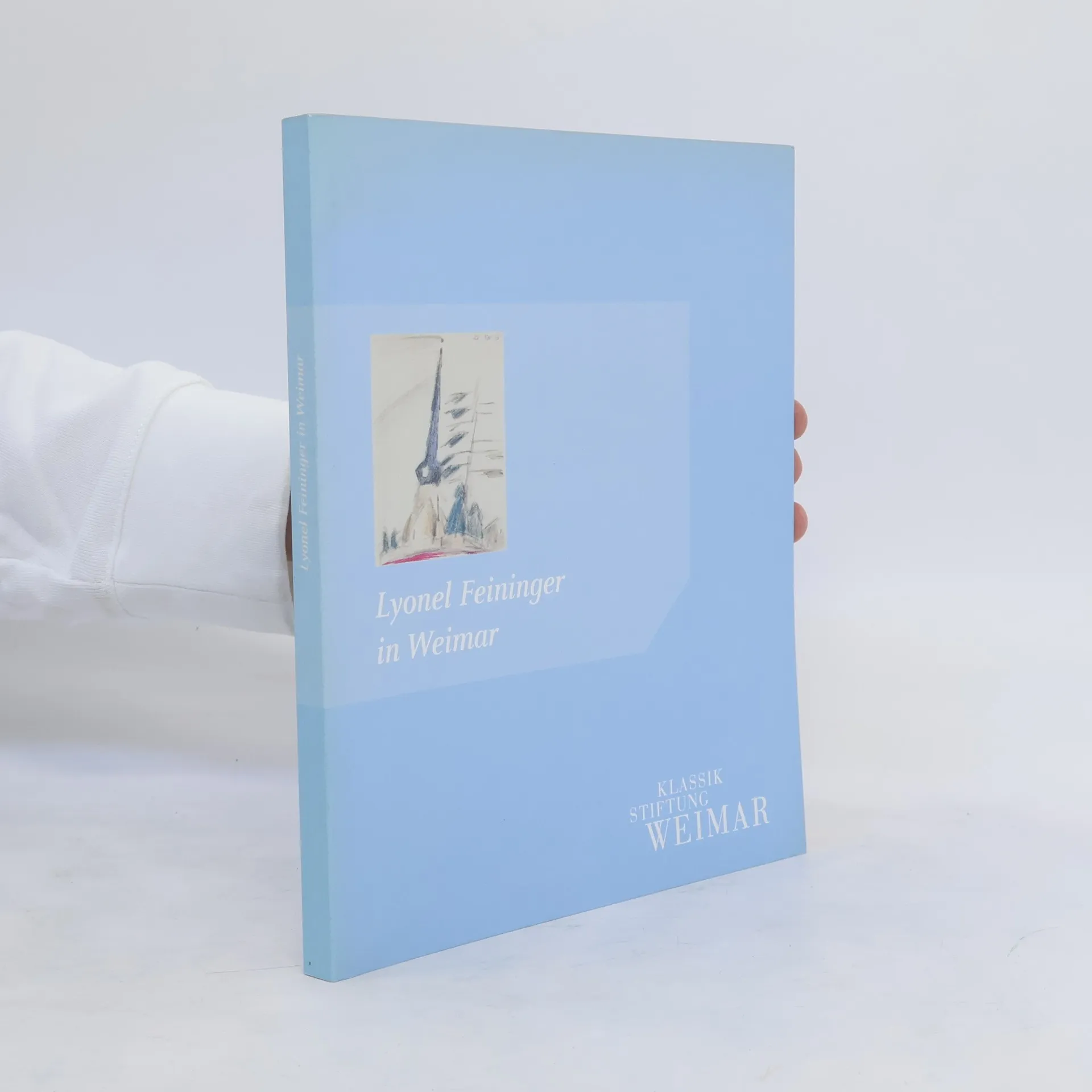
Lyonel Feininger in Weimar
- 111 pages
- 4 hours of reading
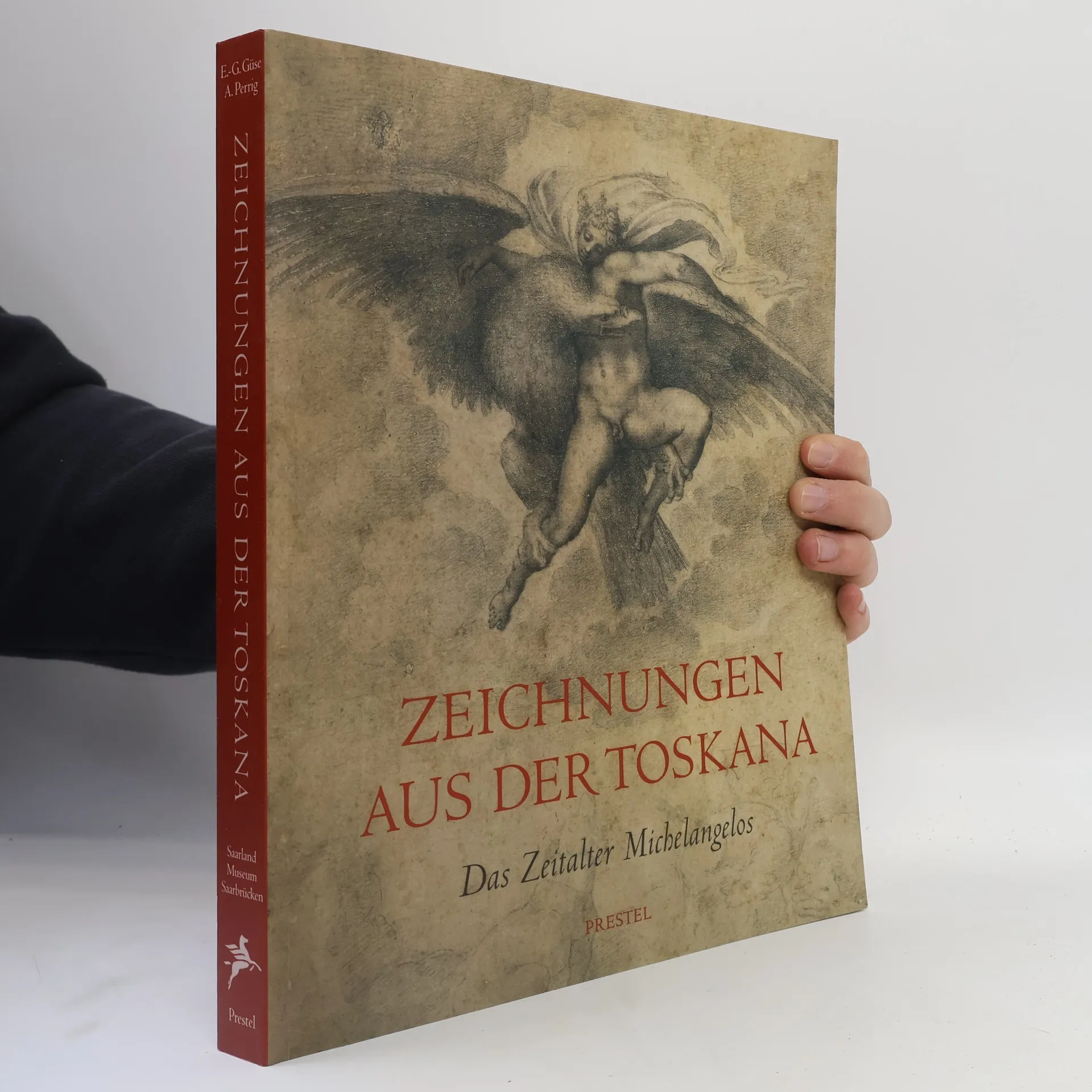
Zeichnungen aus der Toskana
- 311 pages
- 11 hours of reading
»Lebenskunst« ist fraglos und aus guten Gründen ein Trendthema unserer spätmodernen Zeit, philosophische Prominenz erlangte sie aber erstmals in der griechischen und römischen Antike. Insbesondere im Epikureismus, in der Stoa und im Skeptizismus wurden substanzielle Konzepte von Philosophie als Lebenskunst entwickelt. Die in diesem Band versammelten Beiträge schlagen die Brücke zwischen Altertumsforschung und heutigen Lebenskunstvorstellungen. Ausgehend von den antiken Vorbildern, zeigen sie, wie eine zeitgemäße Philosophie als Lebenskunst aussehen könnte – und wo ihre Grenzen liegen.
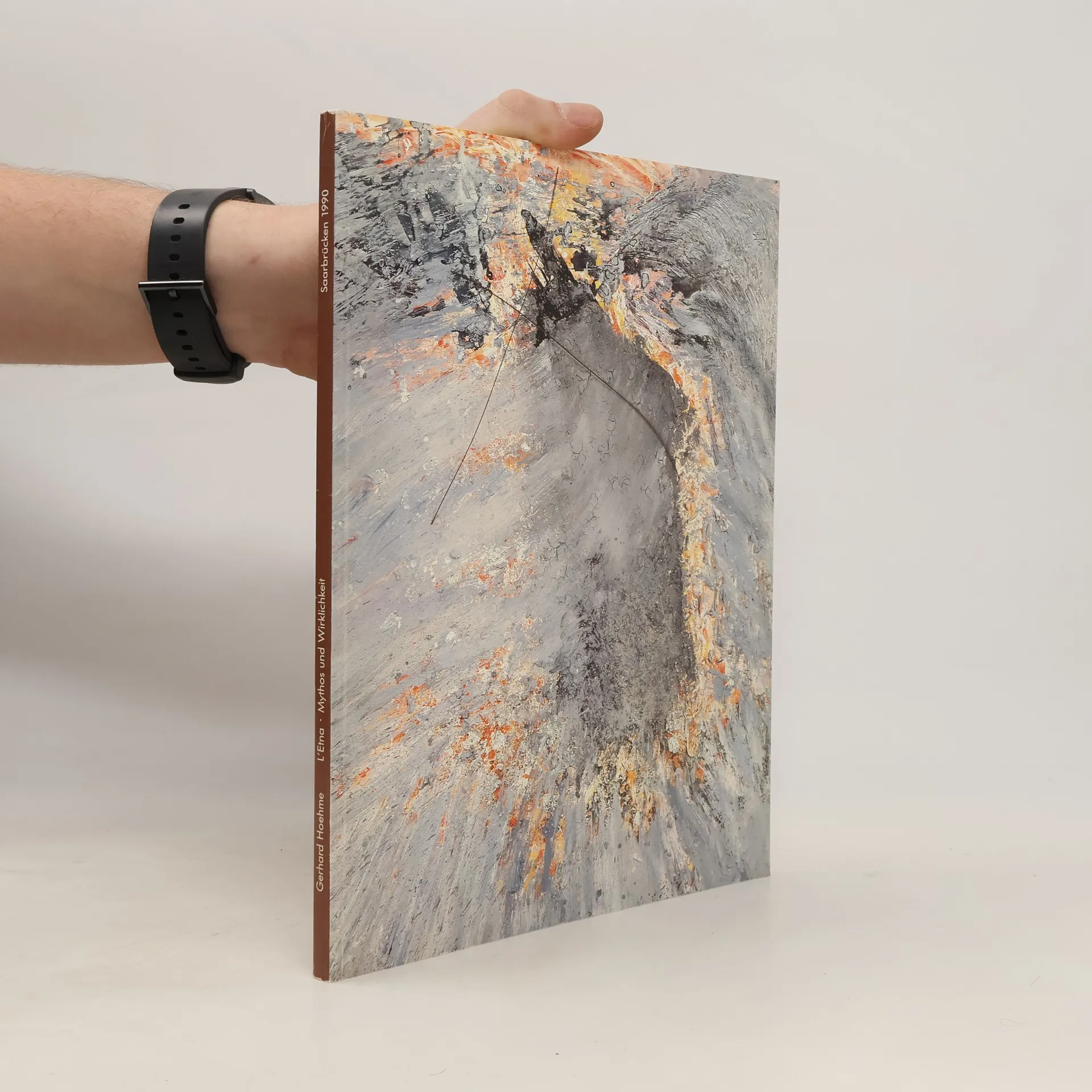
Gerhard Hoehme, l'Etna
- 109 pages
- 4 hours of reading
Gotthard Graubner
- 152 pages
- 6 hours of reading
Das Patriarchat Aquileia - Schnittpunkt der Kulturen
- 70 pages
- 3 hours of reading
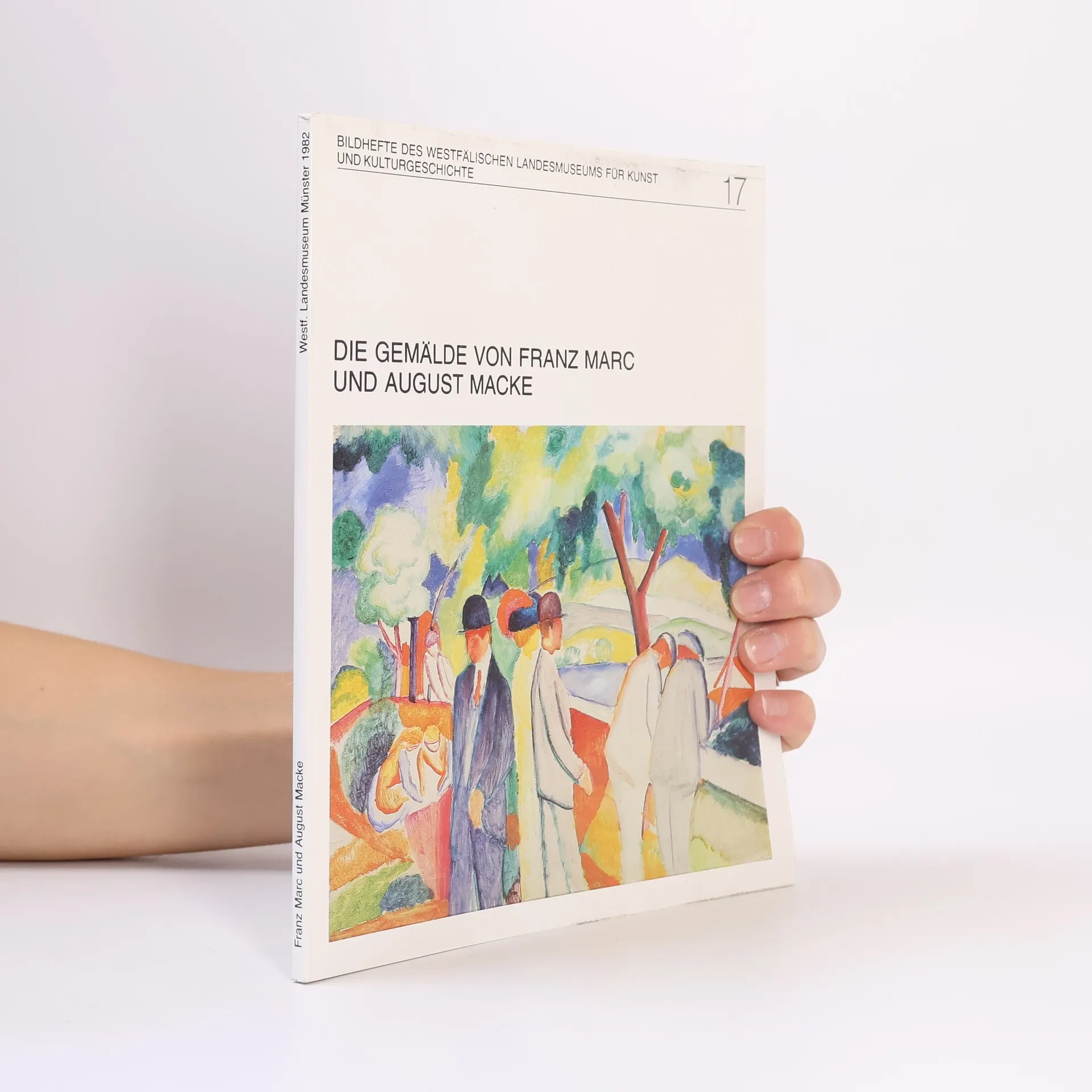
Die Gemälde von Franz Marc und August Macke im Westfälischen Landesmuseum Münster
- 68 pages
- 3 hours of reading
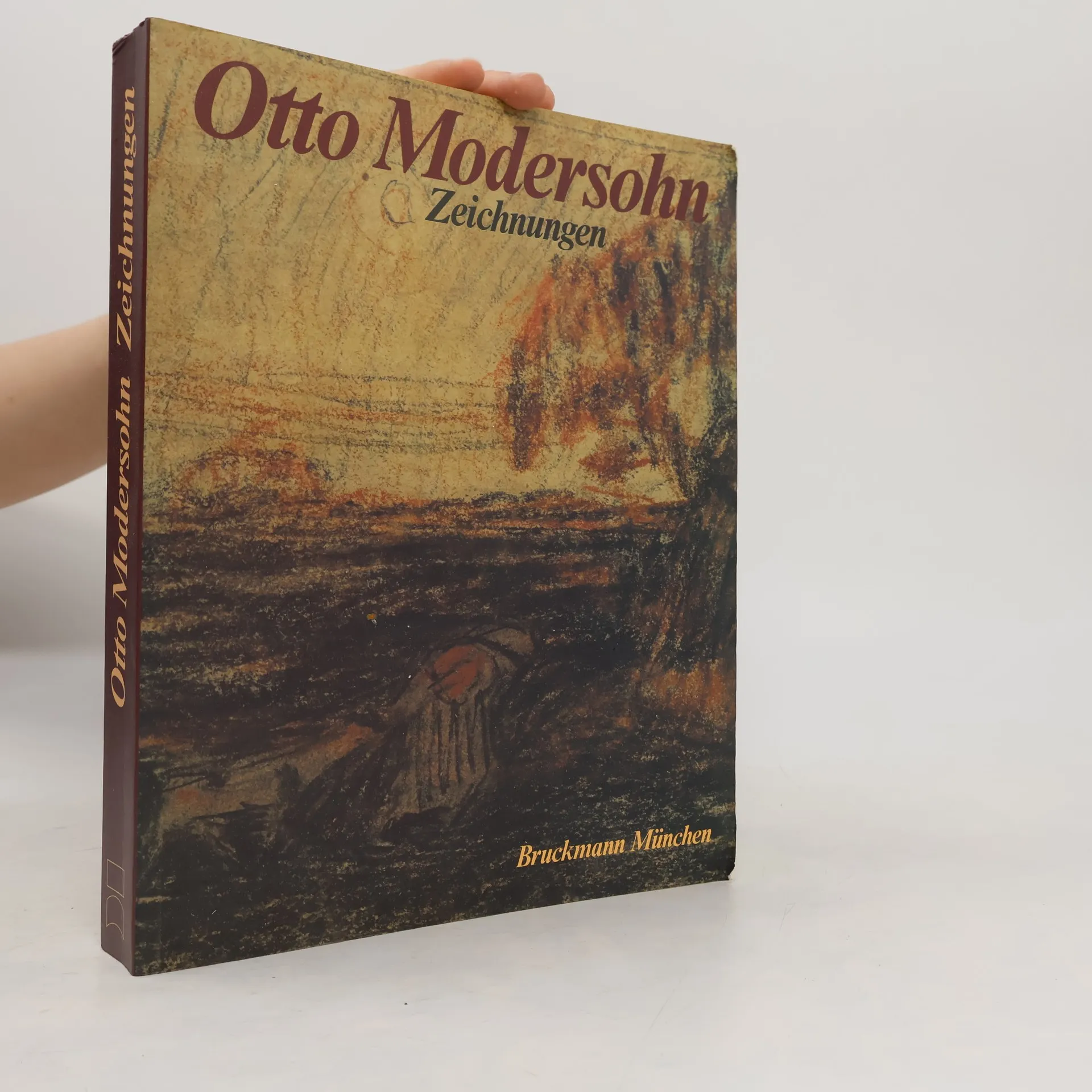
Otto Modersohn
- 368 pages
- 13 hours of reading
Rare Book
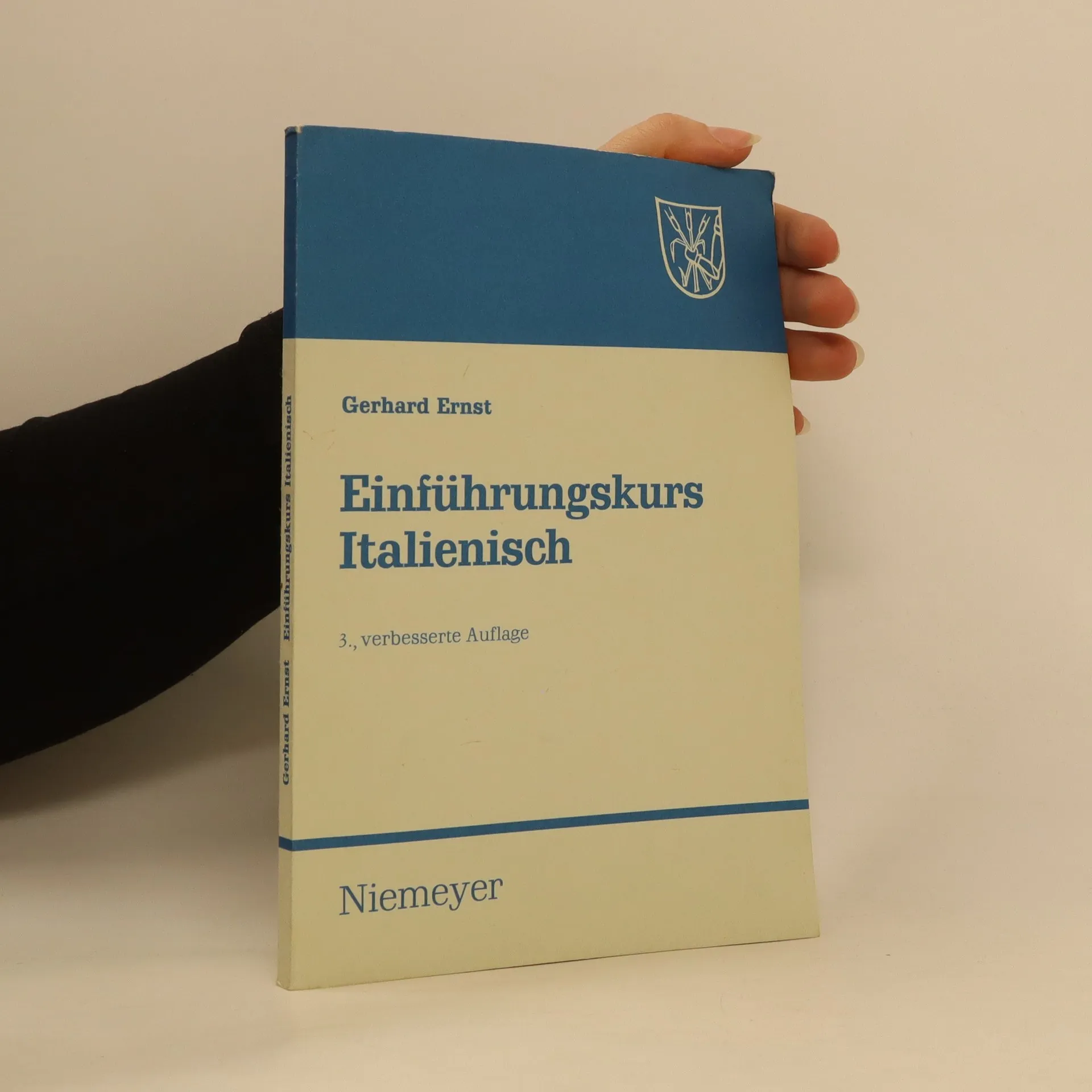
Einführungskurs Italienisch
- 170 pages
- 6 hours of reading
Dieser Kurs richtet sich an alle, die über die einfachen Anforderungen der touristischen Kommunikation hinausgehend, in kurzer Zeit Italienisch für berufliche Zwecke erlernen müssen. Er vermittelt das grundlegende Wissen, das es beispielsweise Studierenden der Romanistik ermöglicht, Veranstaltungen und Vorlesungen zu Themen rund um Italien und die italienische Sprache zu verfolgen. Der Kurs ist auf erwachsene Lernende ausgerichtet, die schnellen Lernerfolg suchen.
286 pages. Paperback. Texts in German. Bound in illustrated stiff paper covers. Well illustrated in both black and white and color.
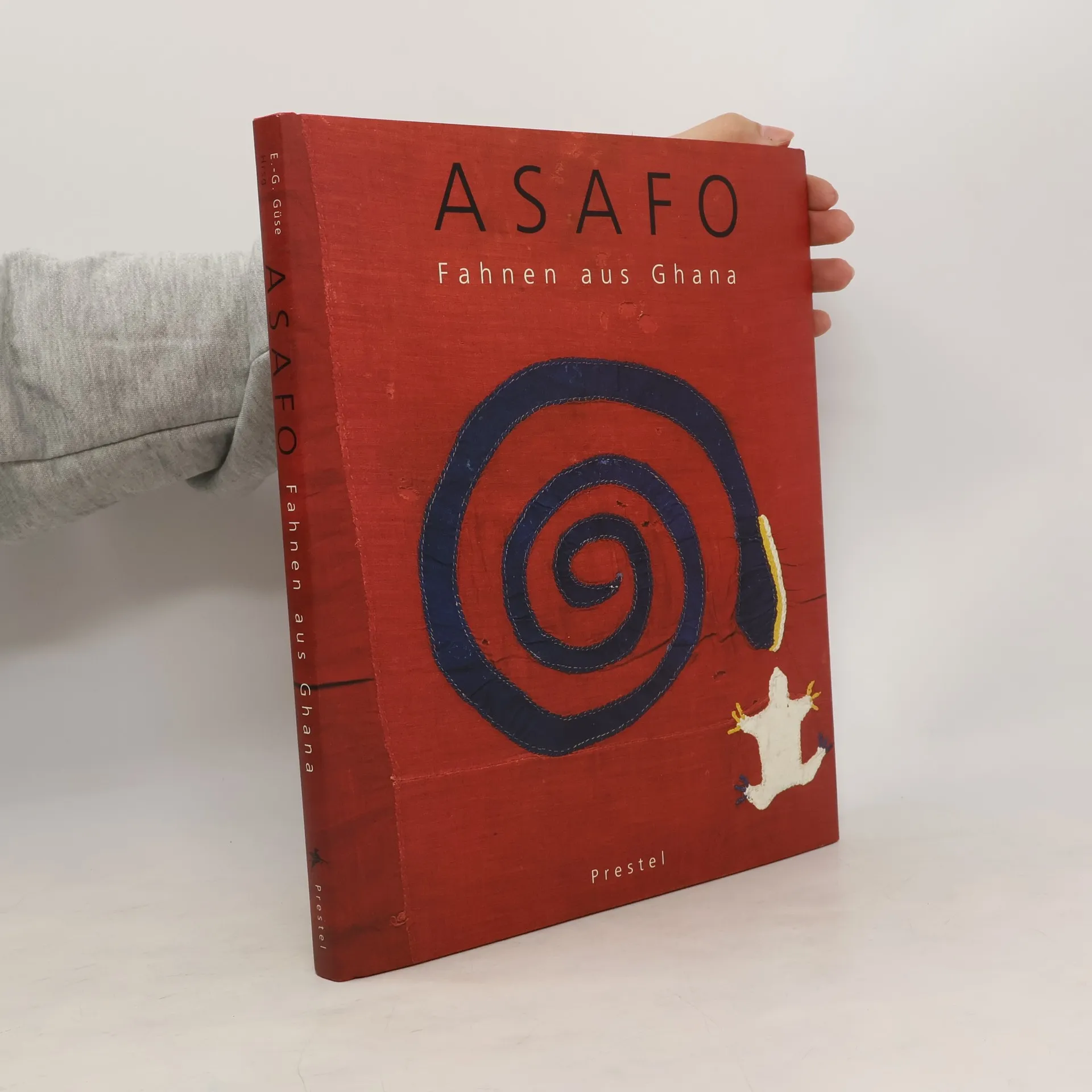
Asafo. Fahnen aus Ghana
- 159 pages
- 6 hours of reading
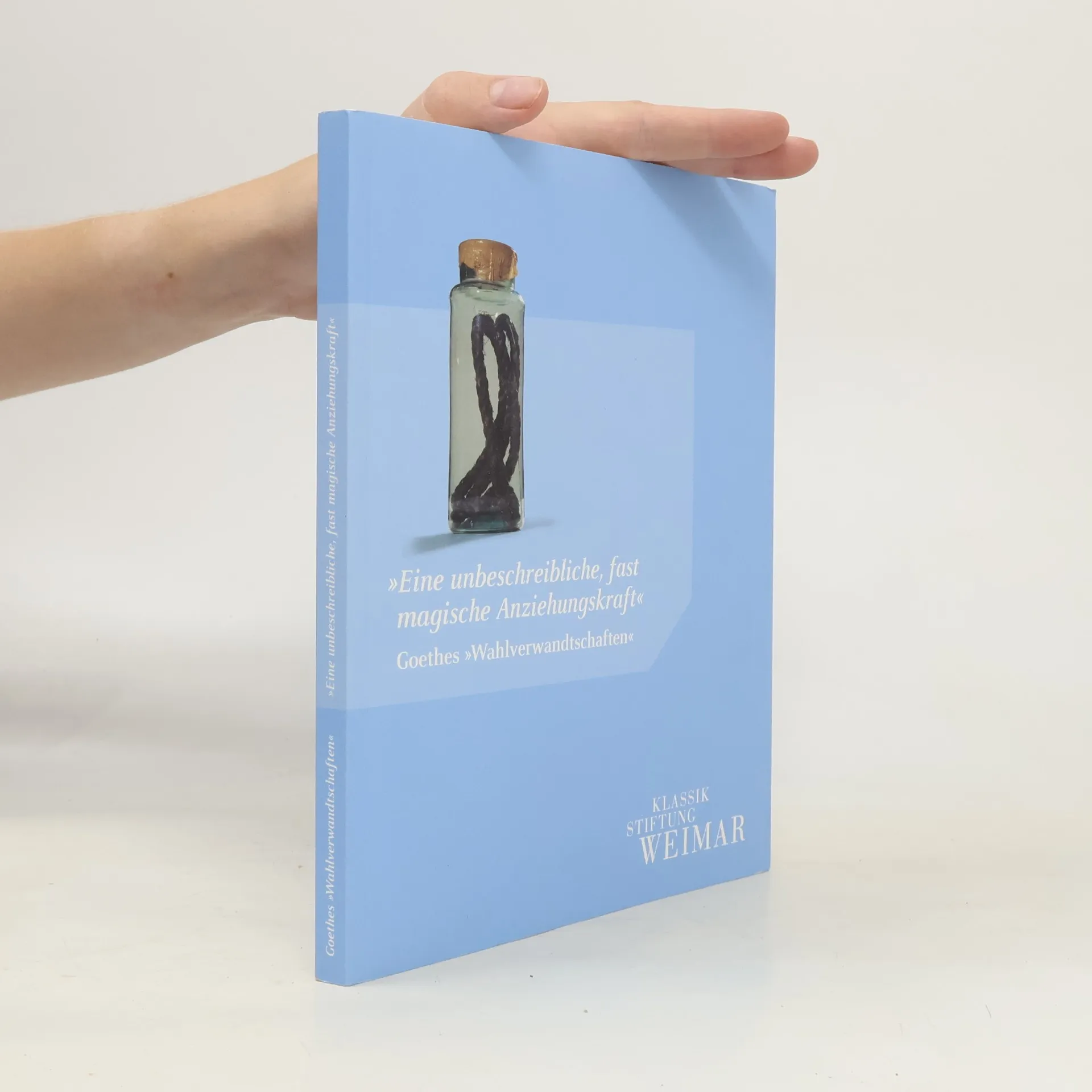
Eine unbeschreibliche, fast magische Anziehungskraft
- 112 pages
- 4 hours of reading
»Es ist ein Werk von so zarter und unerbittlicher Kenntnis des Menschenherzens, so ausgeglichen in Güte und Strenge, Klarheit und Geheimnis, Klugheit und Ergriffenheit, Form und Gefühl, daß wir es nur mit Staunen das unsere nennen.« Thomas Mann, Zu Goethes »Wahlverwandtschaften« (1925)