Text and pop-up illustrations trace the history of the universe.
Heather Couper Books
June 2, 1949 – February 19, 2020

Universe
- 80 pages
- 3 hours of reading
A dramatic guide to the past, present, and future of the universe, with text by Henbest and 200 color illustrations generated through the latest techniques in digital software, special-effects photography, and computer graphics. Many of the pictures are from full-page to double-page size (the volume is 10<1/4>x14<3/4>") and all are tremendously interesting and exciting. Annotation copyright Book News, Inc. Portland, Or.
The History of Astronomy
- 288 pages
- 11 hours of reading
As we approach the 400th anniversary of Galileo's birth, there is no better time for this extraordinary volume examining centuries of evolution in astronomy.
Exploring Space
- 96 pages
- 4 hours of reading
Looking at all aspects of space, from the life history of a star, how man travelled into space, the fate of the Universe and the possibility of life on other worlds.
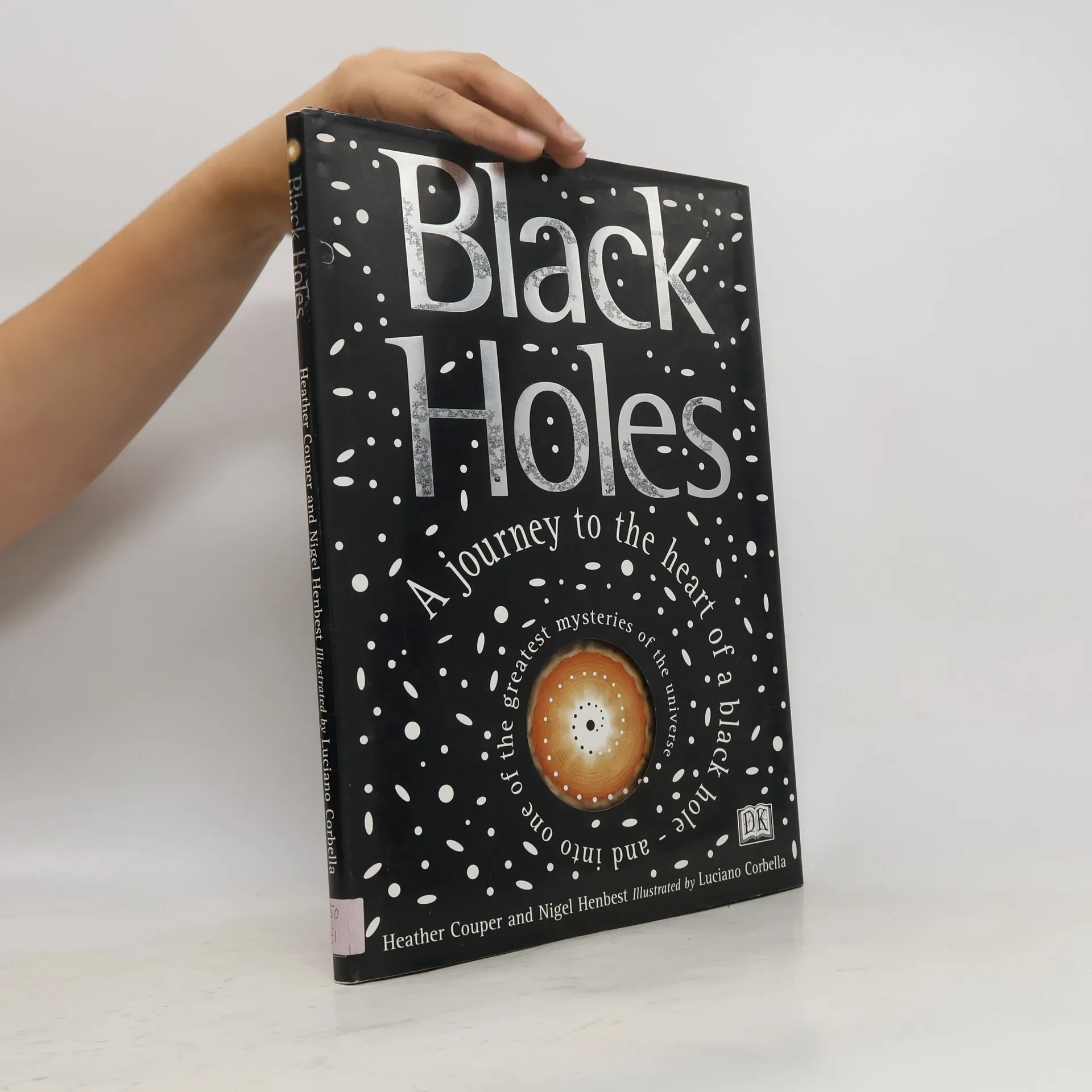
Black Holes
- 45 pages
- 2 hours of reading
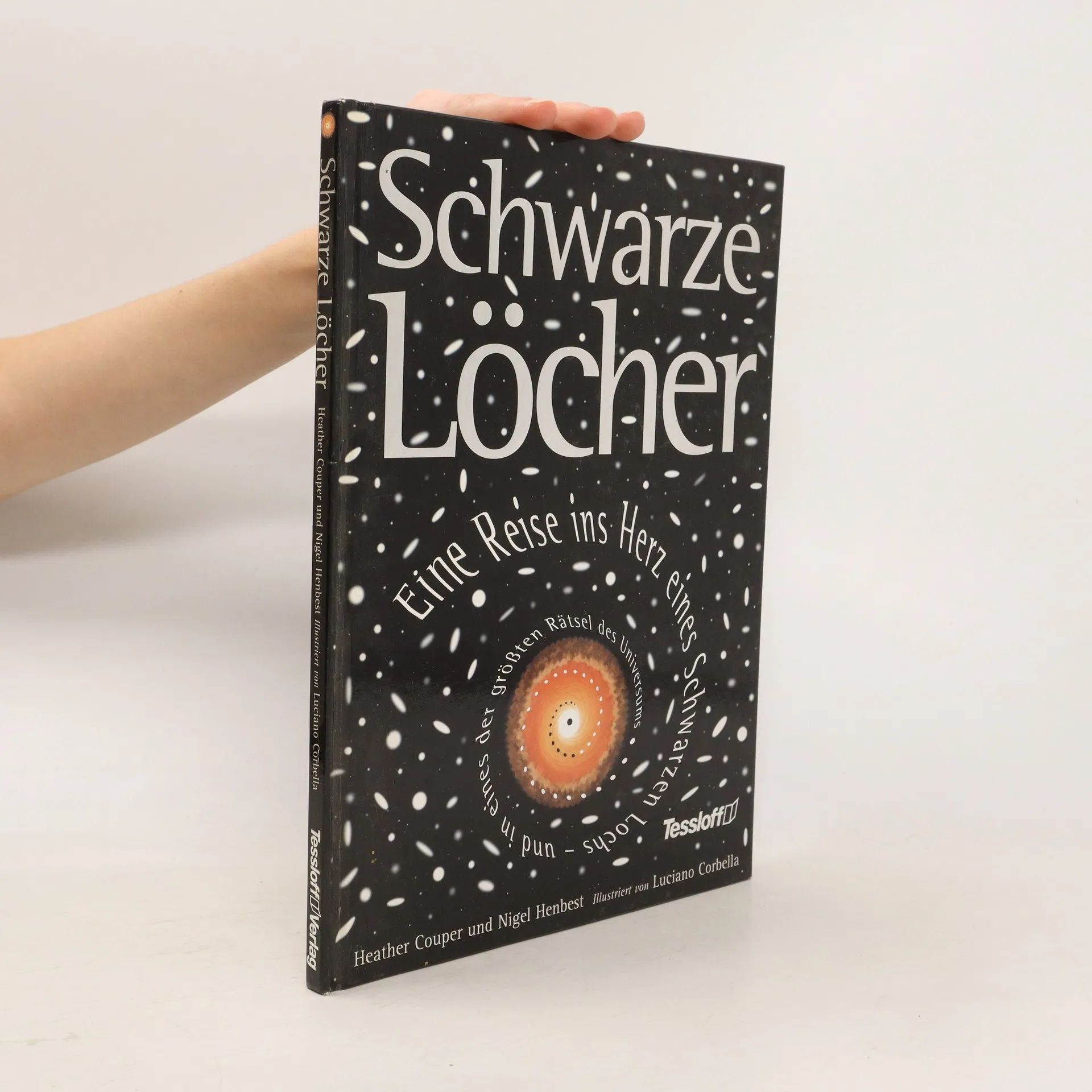
Discusses how we know about black holes, how they affect matter around them, and what would happen if you got inside one.
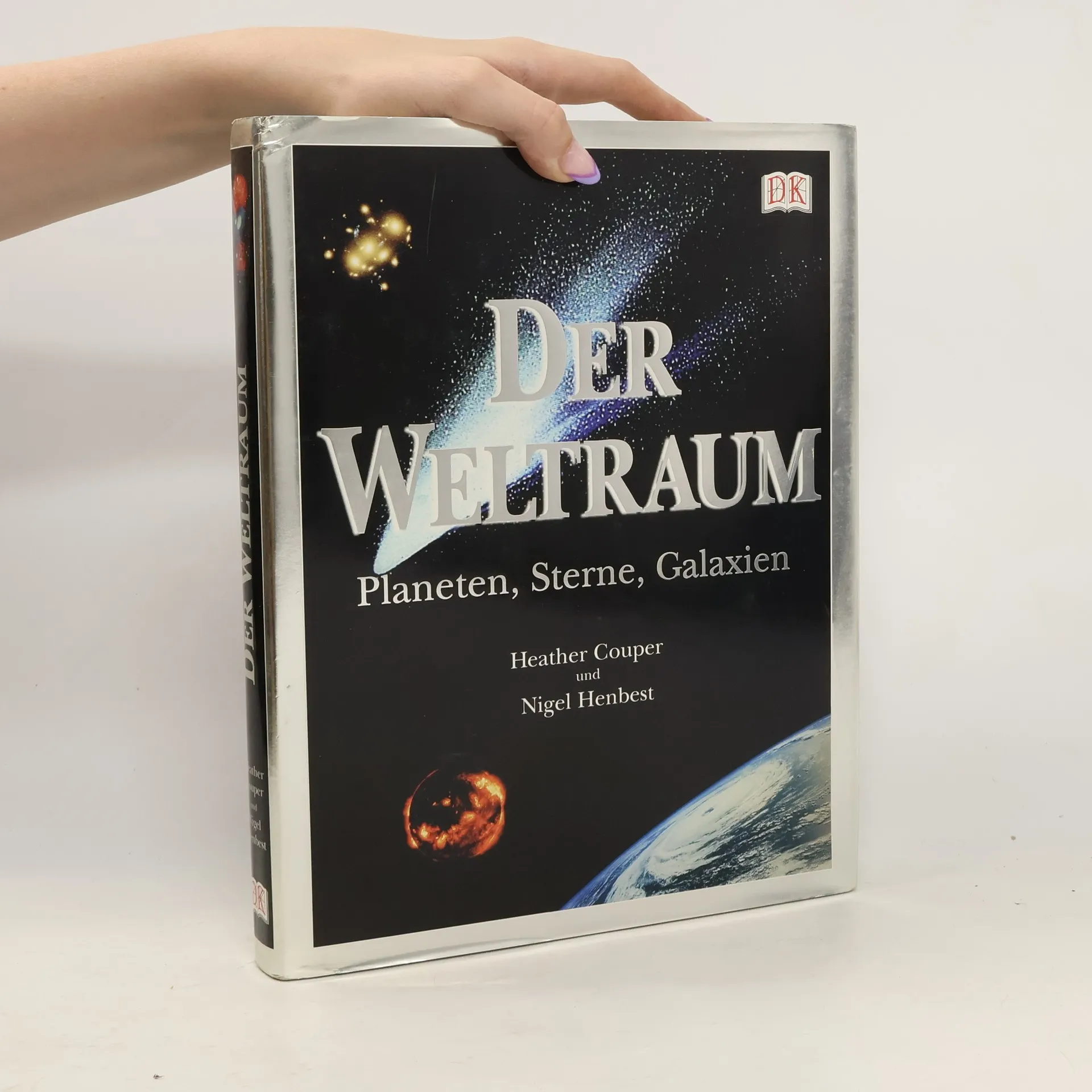
Der Weltraum: Planeten, Sterne, Galaxien
- 304 pages
- 11 hours of reading
Dieses umfassende Nachschlagewerk für Kinder und Jugendliche vermittelt anschaulich die heutigen Kenntnisse der Astronomie und Kosmologie und nimmt den Leser mit auf eine abenteuerliche Reise: von der Geburt der Sterne, über die Jagd nach Schwarzen Löchern, Beobachtungen mit Gravitationslinsen bis hin zu aktuellen Versuchen, dem Urknall auf die Spur zu kommen. Außerdem enthält es ein umfangreiches Kapitel mit Tipps für eigene astronomische Beobachtungen. Und sollte der Himmel mal bewölkt sein, so versetzt dieses Buch mit über 1000 Farbfotografien und sensationellen Aufnahmen vom Weltraumteleskop Hubble jeden Betrachter in Staunen. Ab 10 Jahren
Die Planeten
- 256 pages
- 9 hours of reading
Der Blick in den Himmel zeigt uns, dass das Universum voll faszinierender Rätsel ist. Tagtäglich werden Geheimnisse gelüftet und gleichzeitig neue entdeckt. Selbst unser Sonnensystem ist noch lange nicht erforscht. Immer wieder erreichen uns spannende Bilder aus dem All, neue Expeditionen werden geplant und Träume geboren. Gehen Sie mit uns auf eine erstaunliche Entdeckungsreise. „Die Planeten“ ist mehr als nur ein Nachschlagewerk. Es verbindet verständlich aufgeschlüsselte Daten mit neuesten Erkenntnissen der NASA und faszinierendem Bildmaterial. Von der Sonne, der Erde, Gasriesen bis hin zu den Grenzen des Sonnensystems nimmt es seine Leser mit auf eine spannende Reise. Spektakuläre fotorealistische 3D-Abbildungen zeigen unterschiedliche Perspektiven und besondere Phänomene der Planeten ins Detail. Solch ein Werk kann nur mit Hilfe hochprofessioneller Fachberater und Autoren entstehen. Das Team bestand aus Maggie Aderin-Pocock, der Weltraumwissenschaftlerin und Moderatorin der BBC-Serie The Sky at Night, Ben Bussey, Physiker und Planetenforscher, und Andrew K. Johnson, Geograf am Center for Earth and Planetary Studies des Smithsonian National Air and Space Museum in Washington DC. Hier hat also umfangreiches Planetenwissen Eingang gefunden und genau das macht dieses Portrait unseres Sonnensystems so einzigartig.
Space
- 294 pages
- 11 hours of reading
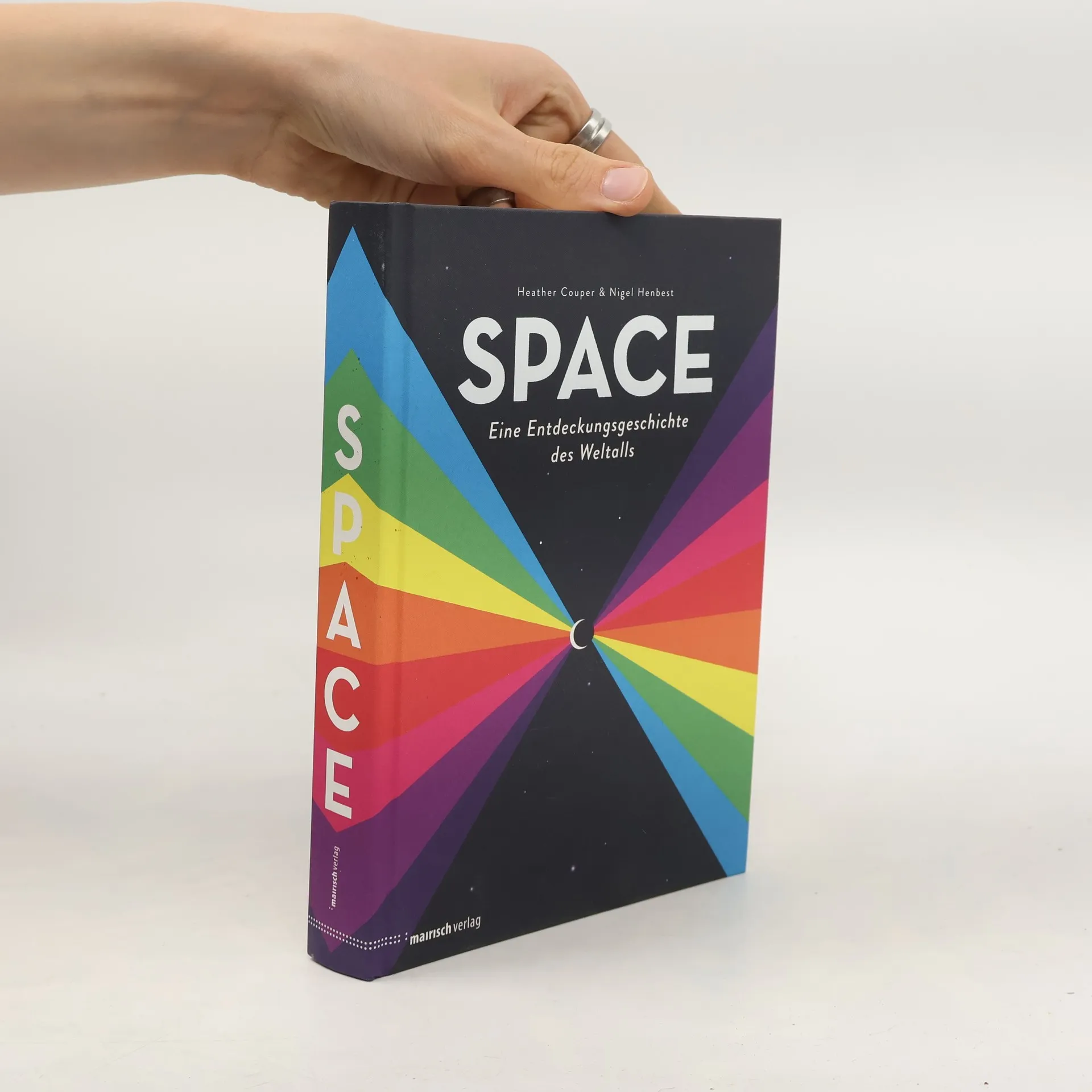
Das Weltall und die Bewegungen der Himmelskörper faszinieren die Menschen seit Jahrtausenden. Nach und nach entschlüsseln wir die Geheimnisse des Universums: Was geschieht im Inneren eines Sterns? Wie erkennt man die Bewegungen der Planeten? Und wie entstand das Universum? Heather Couper und Nigel Henbest, Weltraumexperten der BBC, nehmen uns mit auf eine spannende Reise. Sie zeigen, wie Sterne die Menschheit beeinflussen, wie der Kalender entstand und wer das Teleskop erfand – und was es dabei entdeckte. Oft waren es Hobby-Forscher, die bedeutende Entdeckungen machten, wie ein deutscher Apotheker, der mehr Sonnenflecken entdeckte als je zuvor, oder ein Priester, der den Urknall formulierte. Die Autoren spannen einen Bogen von den ersten Sonnenkalendern zu modernen Weltraumteleskopen und reisen von Stonehenge und dem antiken Griechenland bis in die tiefsten Regionen des Weltalls. Wir erfahren, wie Sterne geboren werden, was Supernovae, Pulsare und Schwarze Löcher sind, und woher Kometen und Meteoriten stammen. Schließlich widmen sich die Autoren der entscheidenden Frage: Sind wir allein im Universum?
Das Weltall
Ein Buch für die ganze Familie
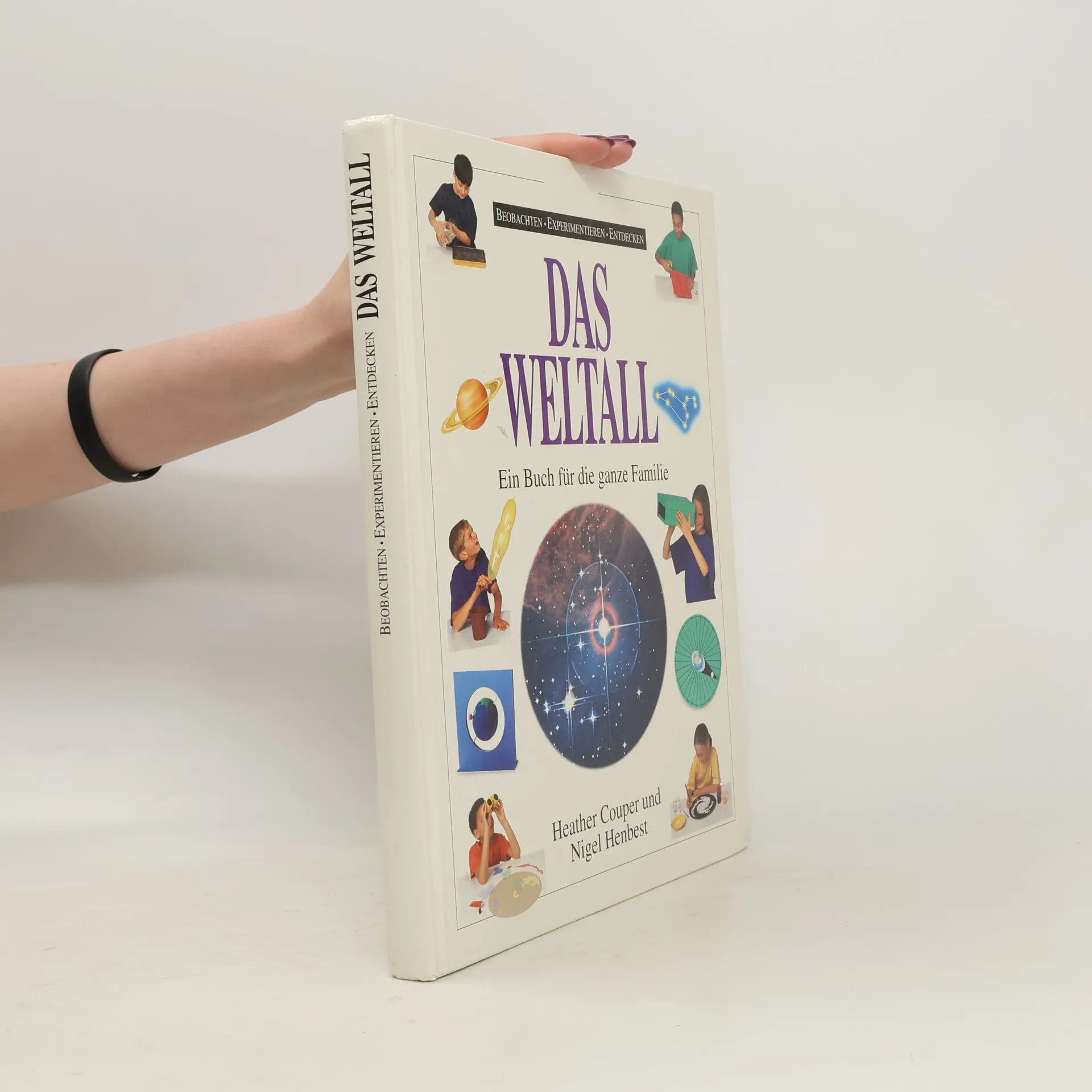
Eine Einführung in die Astronomie mit spielerischen Experimenten und genauen Anleitungen zu Beobachtungen, Messungen, Basteleien und Simulationen von Himmelsvorgängen. (ab 12)
Der nächtliche Sternenhimmel übte schon immer eine große Faszination auf die Menschen aus. Dieses Buch erzählt die Geschichte der Erforschung des Universums von den Babyloniern bis zur modernen Raumfahrt und nimmt Sie mit auf eine spannende Reise durch Raum und Zeit.
Der Urknall
- 45 pages
- 2 hours of reading
Schwarze Löcher
- 45 pages
- 2 hours of reading
Warum wir nie über die Entstehungsgeschichte erfahren können... Mach's dir bequem und kuschel dich ein! Dieser Podcast wird durch Werbung finanziert. Infos und Angebote unserer Hier geht's zum Wikipedia-Artikel. Der Artikel wurde redaktionell ü CC BY-SA 4.0 LAKEY INSPIRED - Better CC BY-SA 3.0
Das Weltall
- 132 pages
- 5 hours of reading
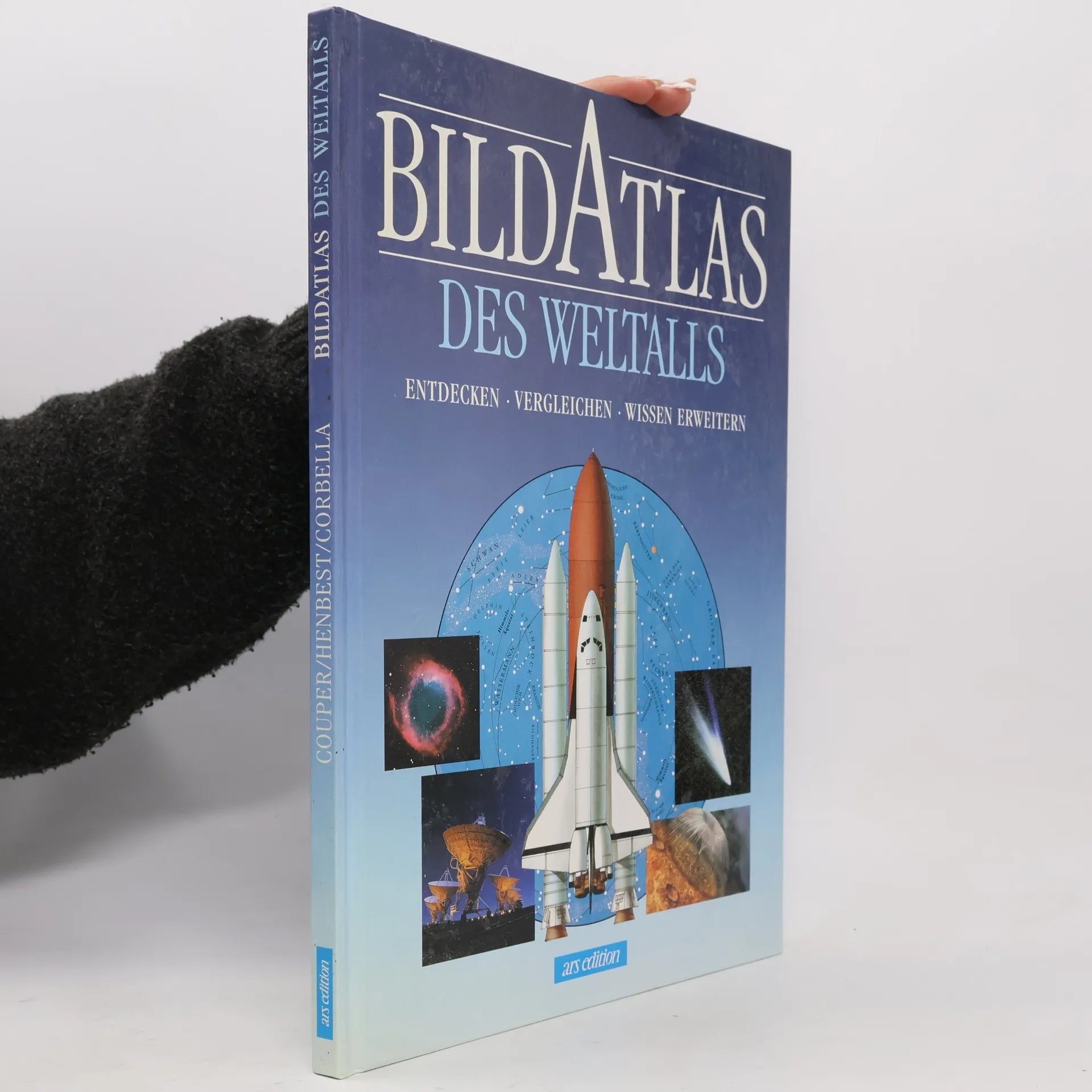
Bildatlas des Weltalls
- 64 pages
- 3 hours of reading
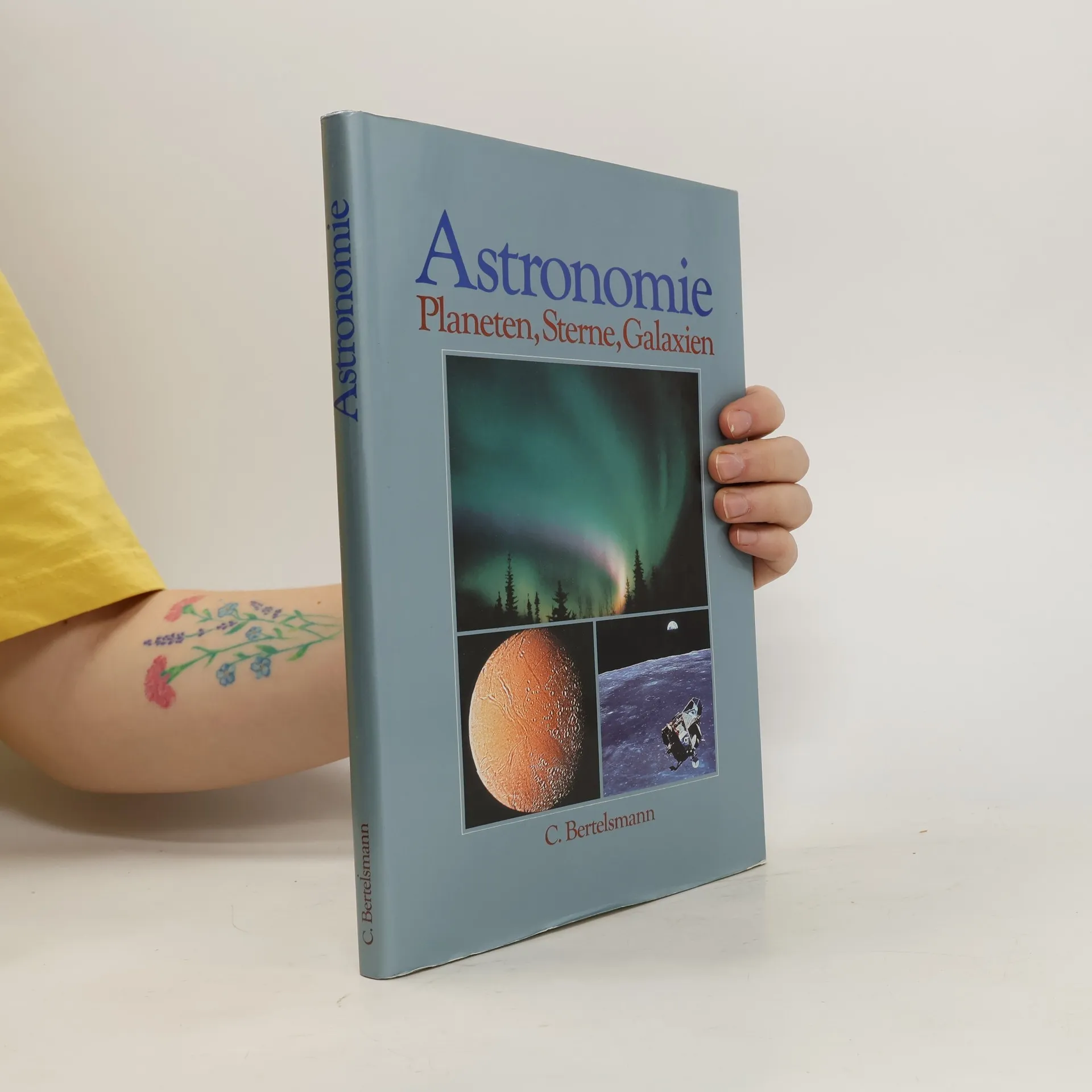
Astronomie
- 159 pages
- 6 hours of reading
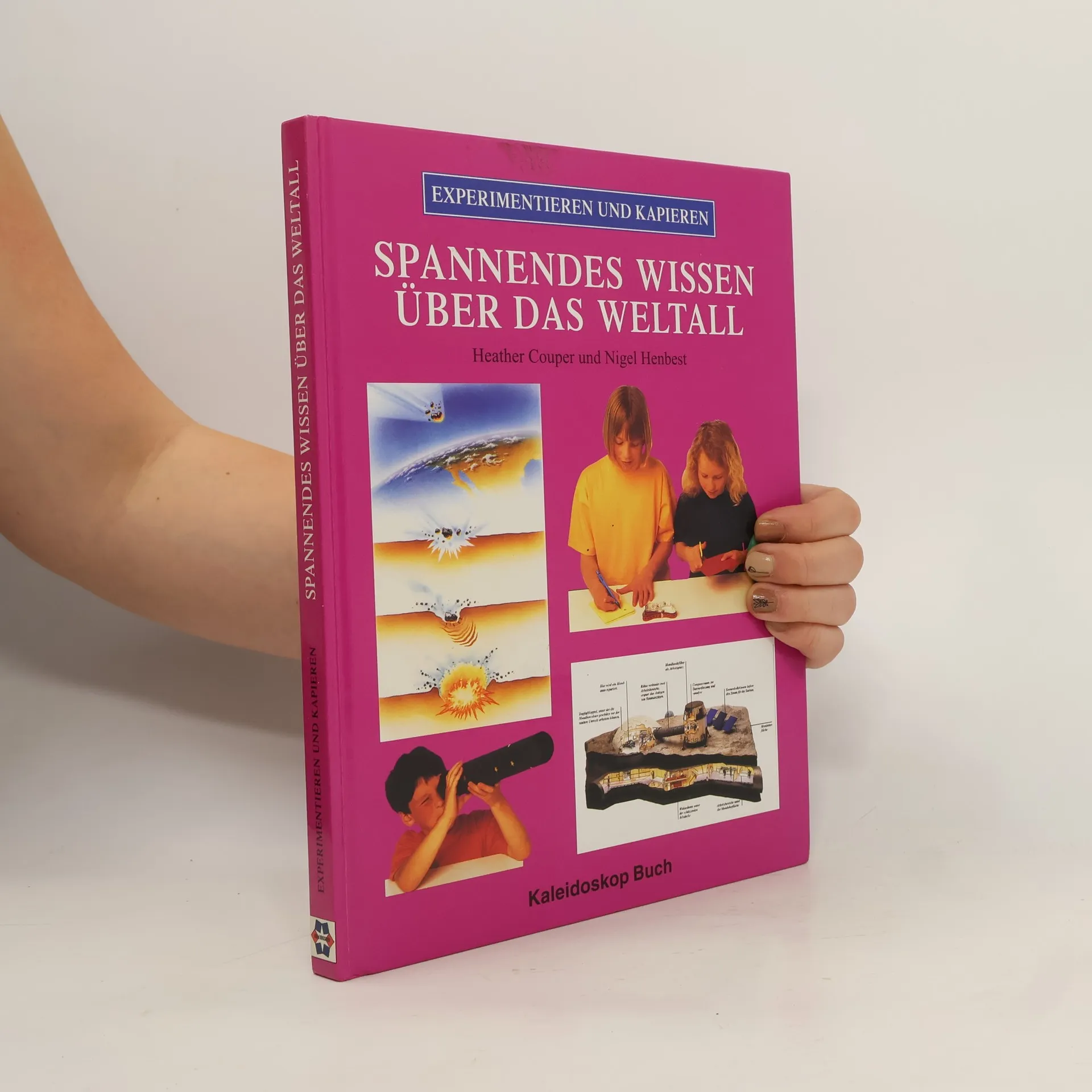
Wissenswertes zum Thema Astronomie und satellitentechnische Beobachtungsmethoden; dargestellt in Bild und Wort. (ab 12).
Sind wir allein im All?
- 45 pages
- 2 hours of reading
Das Ravensburger Lexikon der Natur & Technik 2
Energie und ihre Nutzung
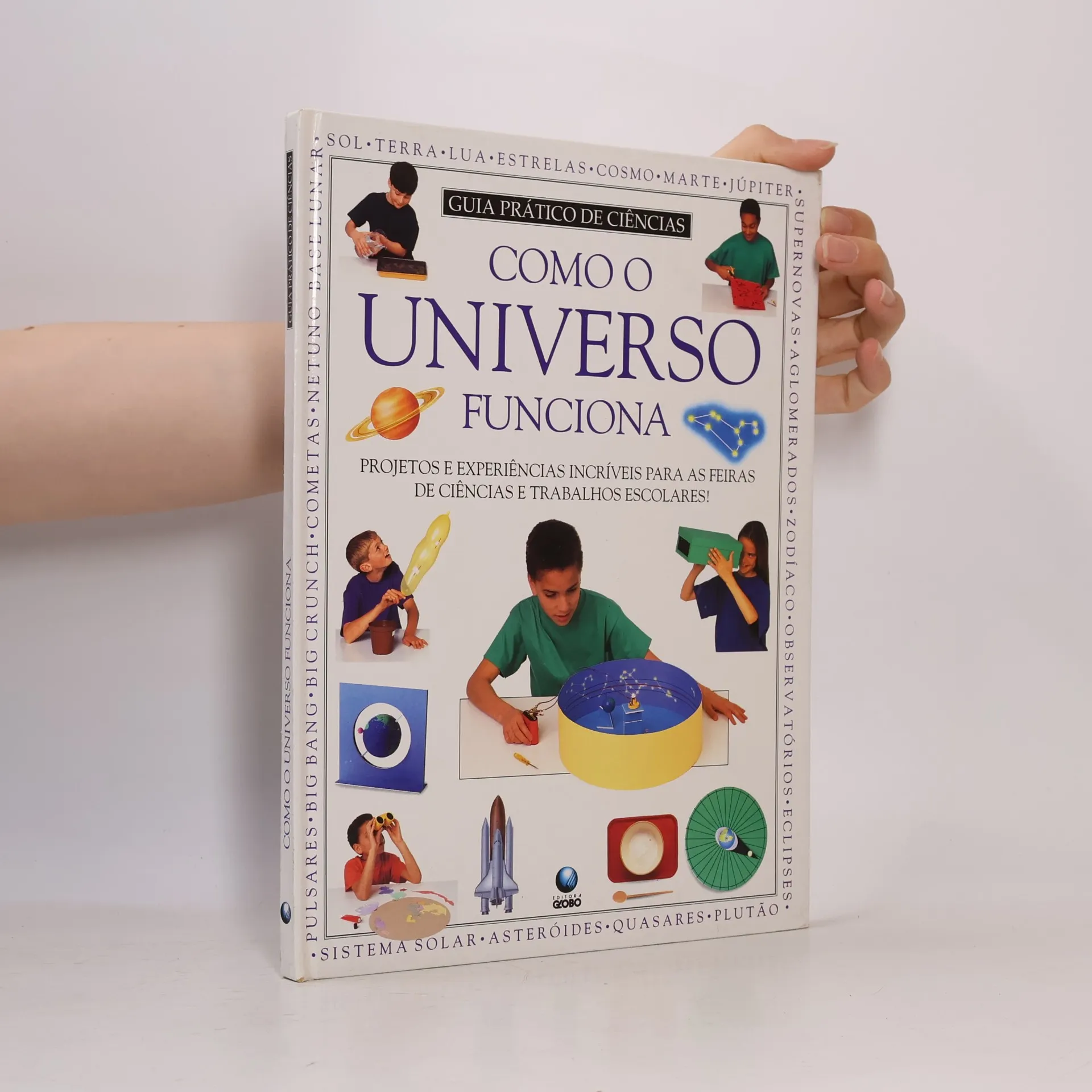
Como o Universo Funciona
Projetos e Experiências Incríveis para as Feiras de Ciências e Trabalhos Escolares!
Uma trilha inicial para a compreensão do universo que concilia a vontade de aprender com o prazer de brincar. Projetos experimentais simples e seguros elaborados especialmente para você decifrar, sem complicações, os enigmas do universo. Transforme seu lar num pequeno observatório amador, usando equipamentos e materiais. Cada tarefa é acompanhada de ricas seqüências de fotos e ilustrações, além de textos explicativos passo-a-passo. Esta iniciação à ciência da astronomia, além de divertir toda a família, oferece um material precioso para as pesquisas e trabalhos escolares.
Obrazový atlas vesmíru
- 64 pages
- 3 hours of reading
Výpravná publikácia približujúca svet planét i hviezd, a to na základe posledných výskumov a astronautiky.