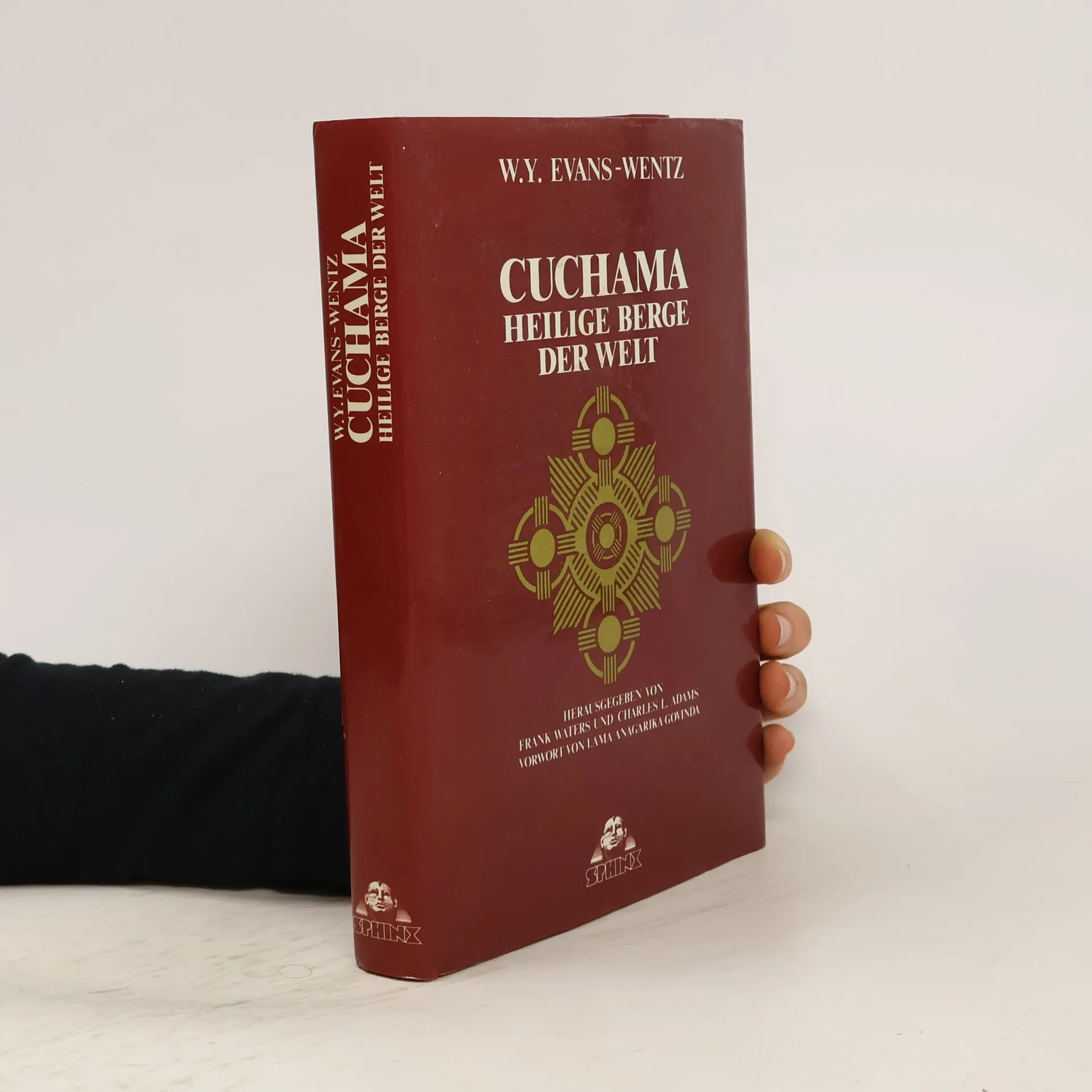
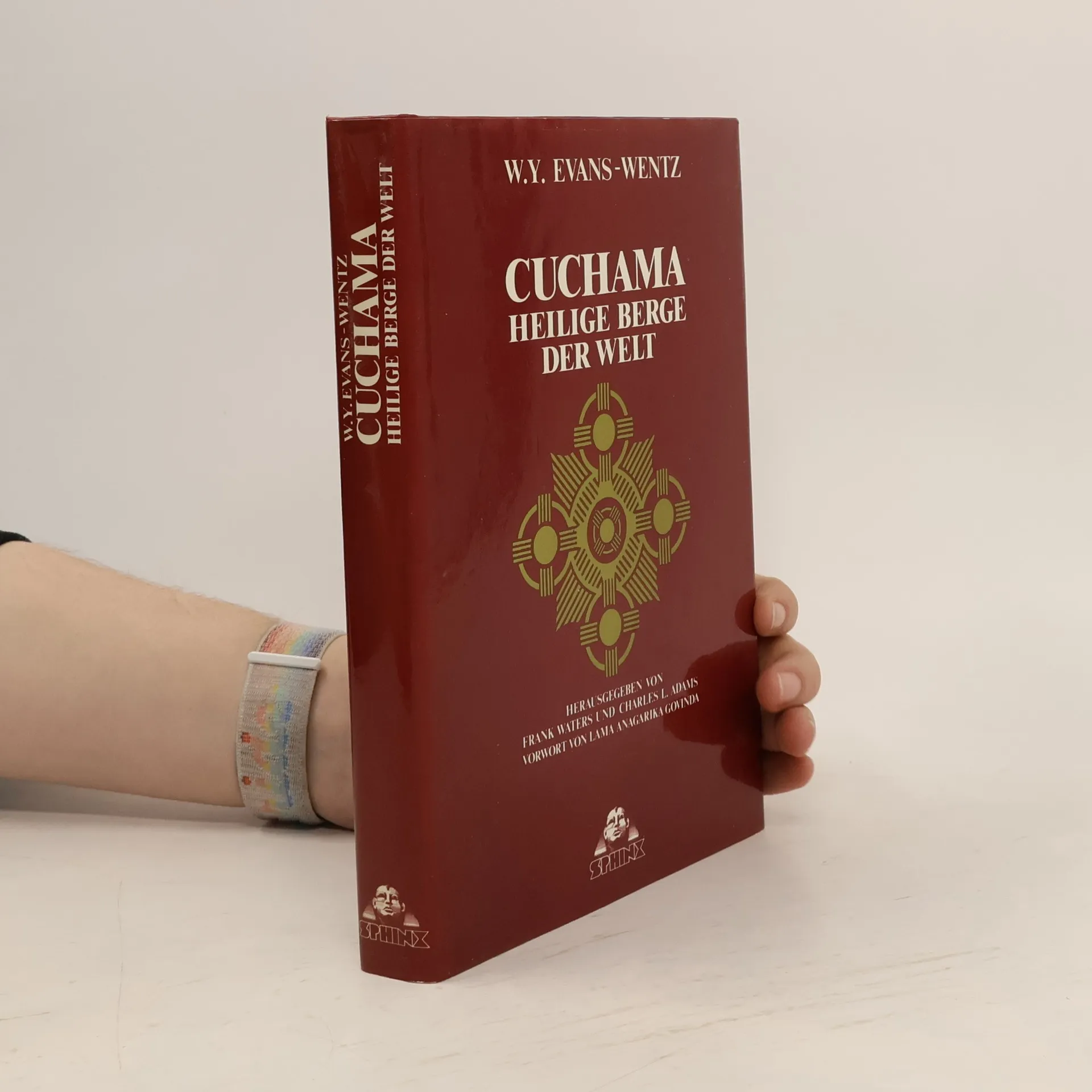
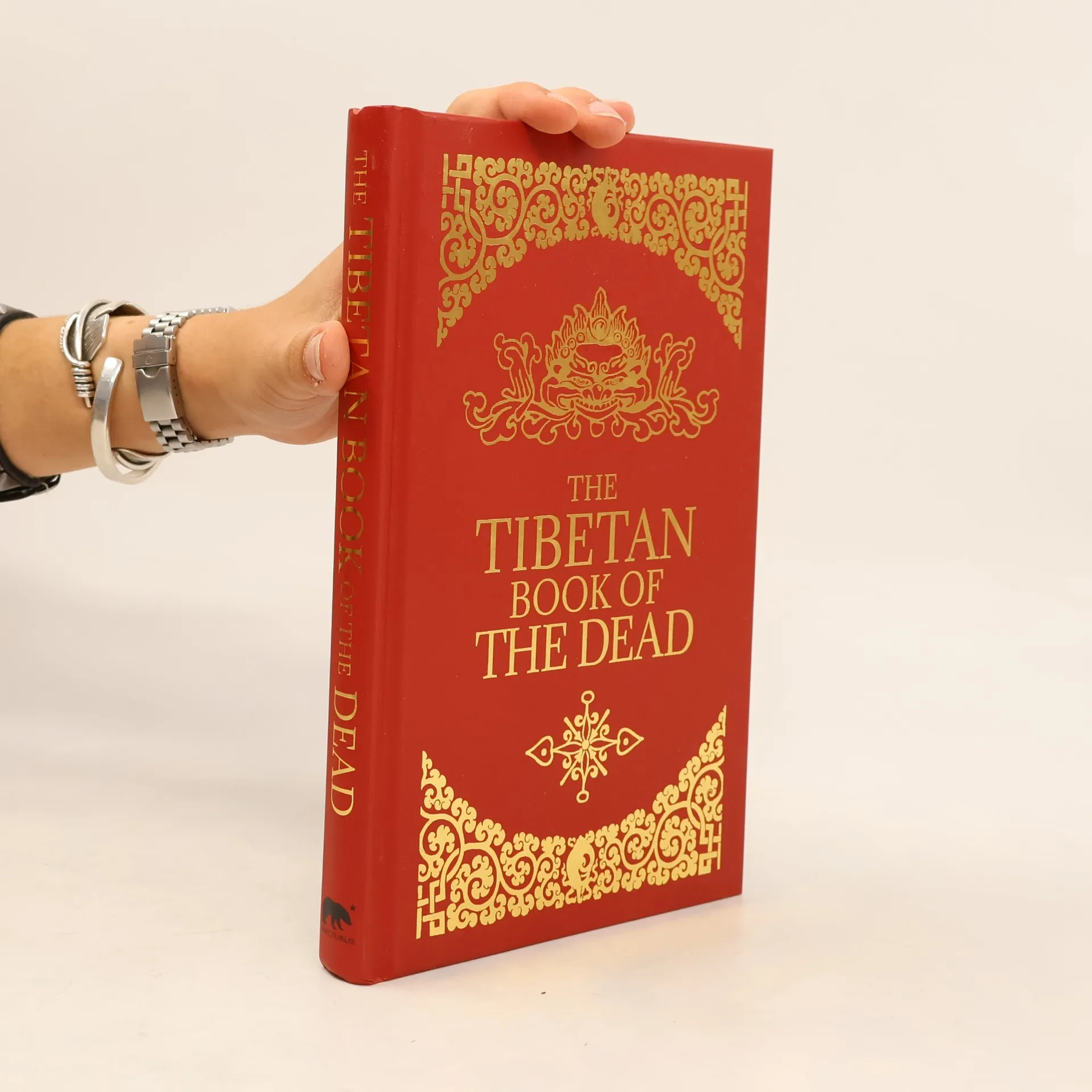
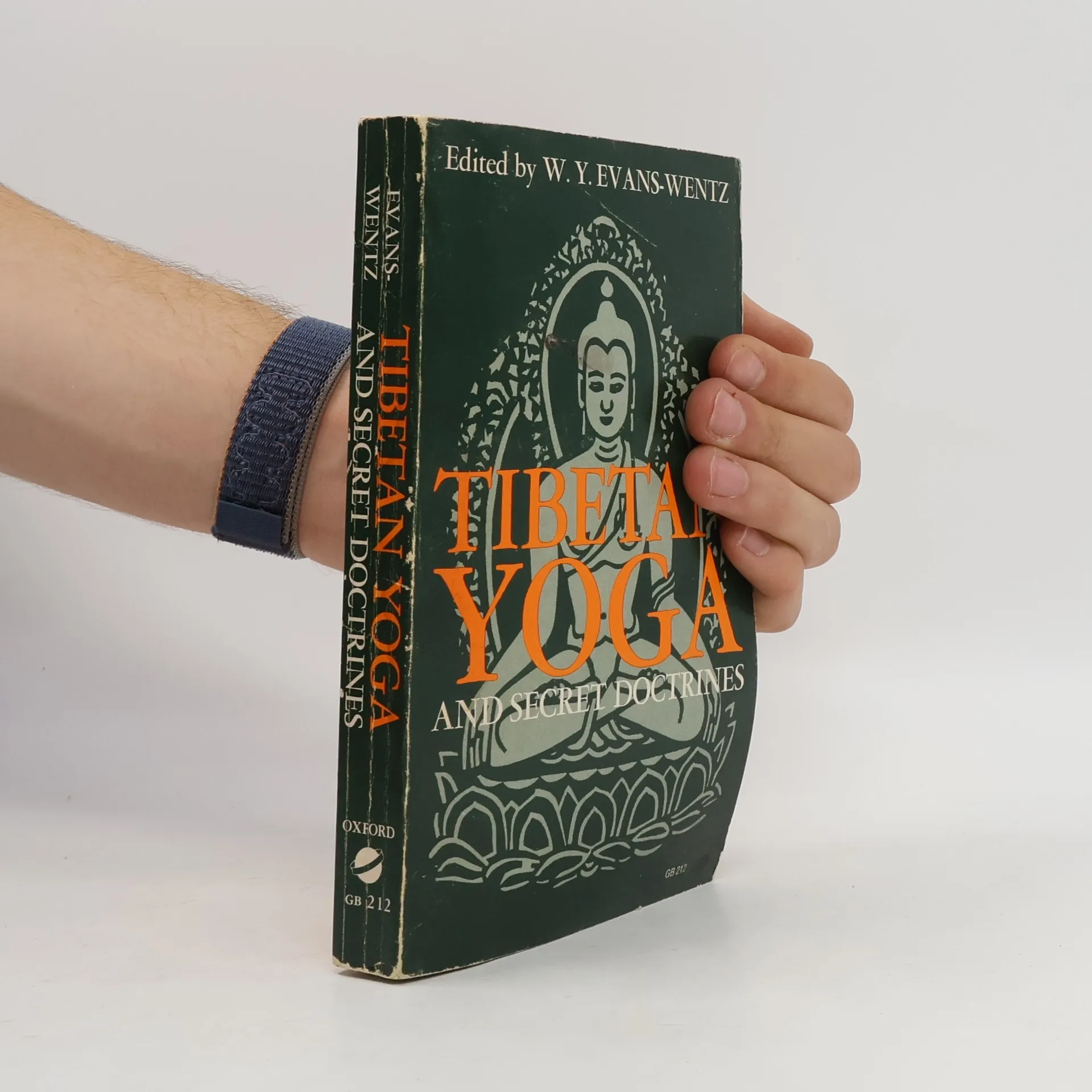
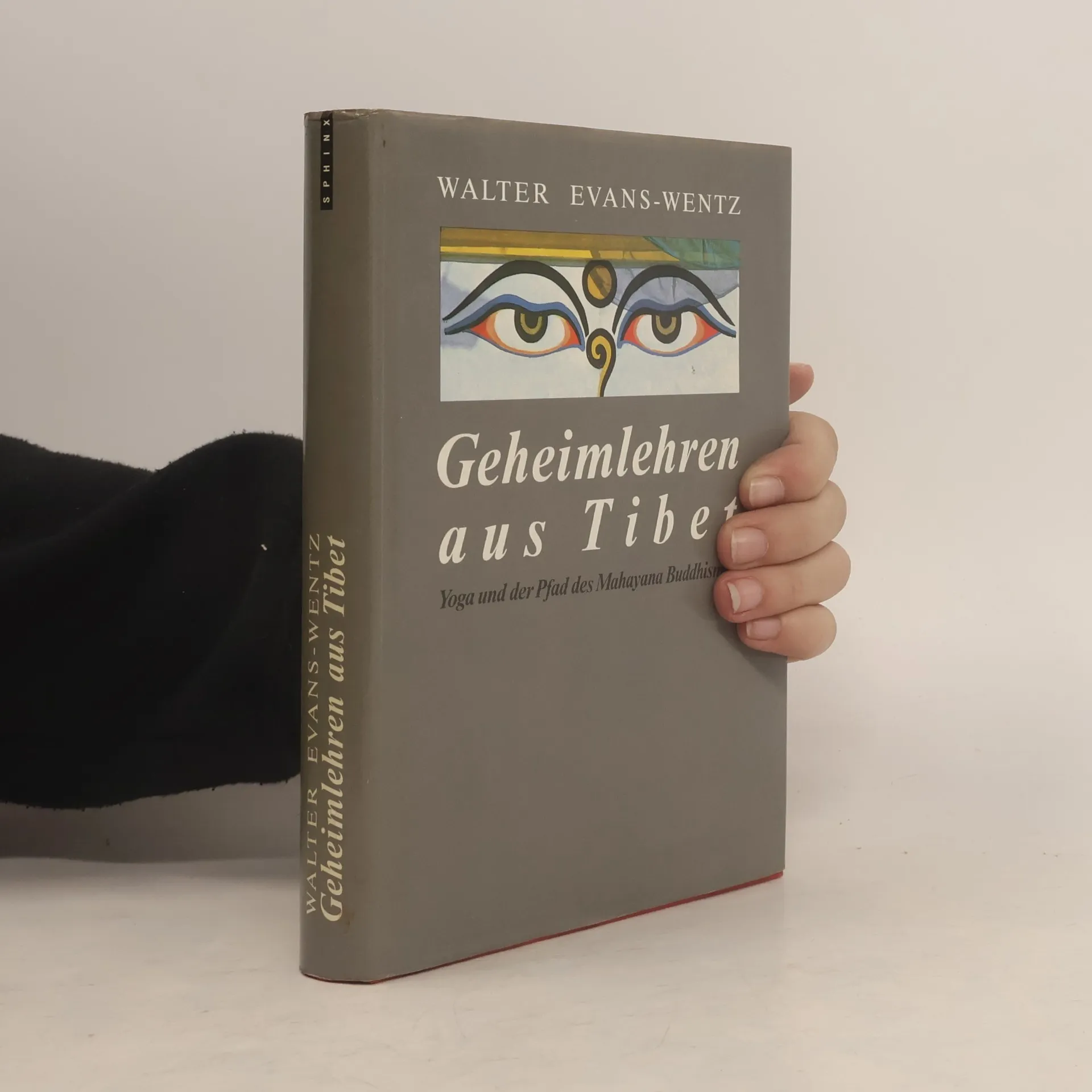
Walter Evans-Wentz was a pioneer in the study of Tibetan Buddhism, sparked by his early interest in Theosophy and academic pursuits in mythology and folklore. His extensive travels, particularly in Asia, led to his direct engagement with Tibetan religious texts. This profound encounter formed the cornerstone of his significant contributions to understanding and disseminating these spiritual traditions.
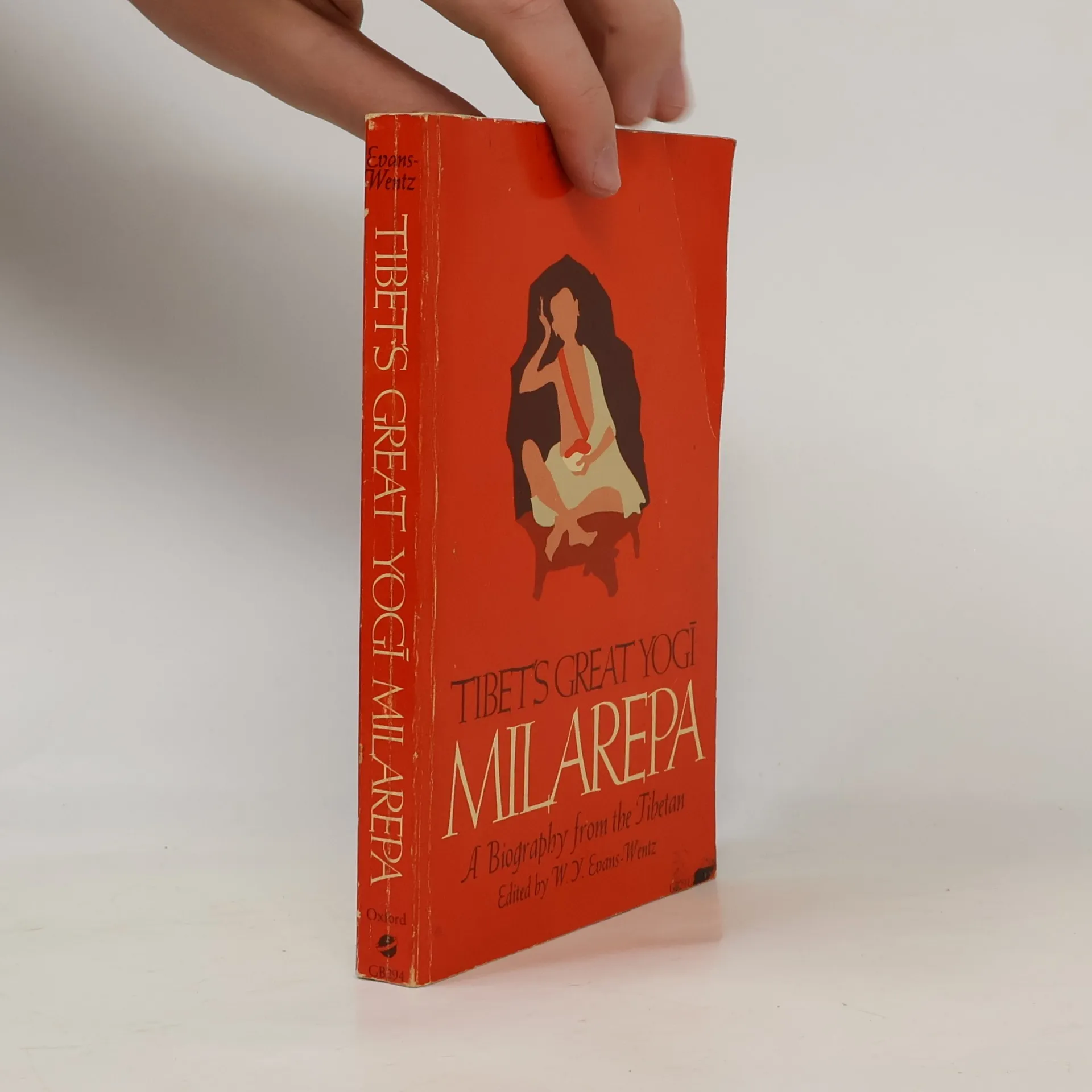
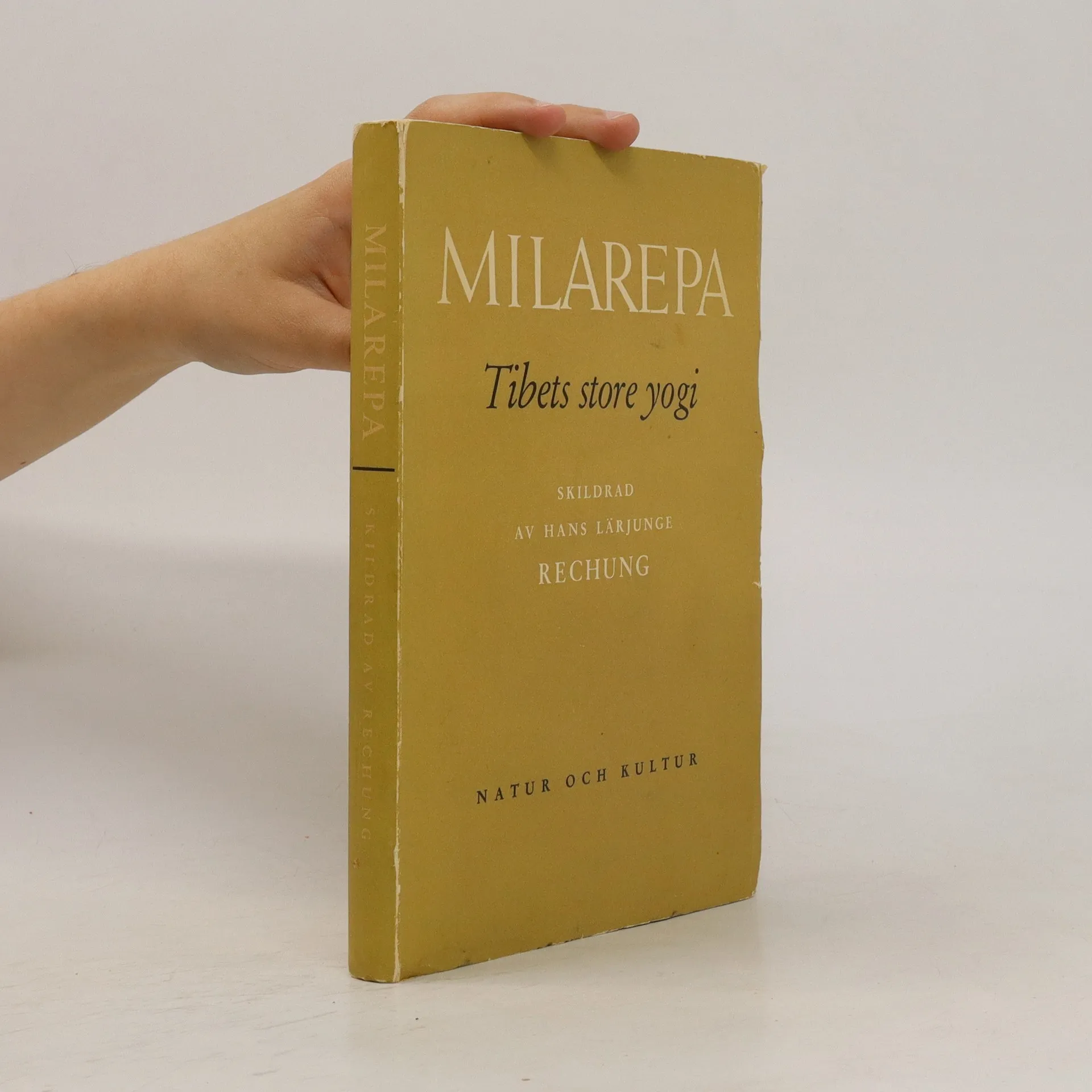
A biography from the Jets n-Milarepa being the Jets n-Kahbum or biographical history of Jets n-Milarepa, according to the late Lama Kazi Dawa-Samdup's English rendering. Edited with introductions and annotations.
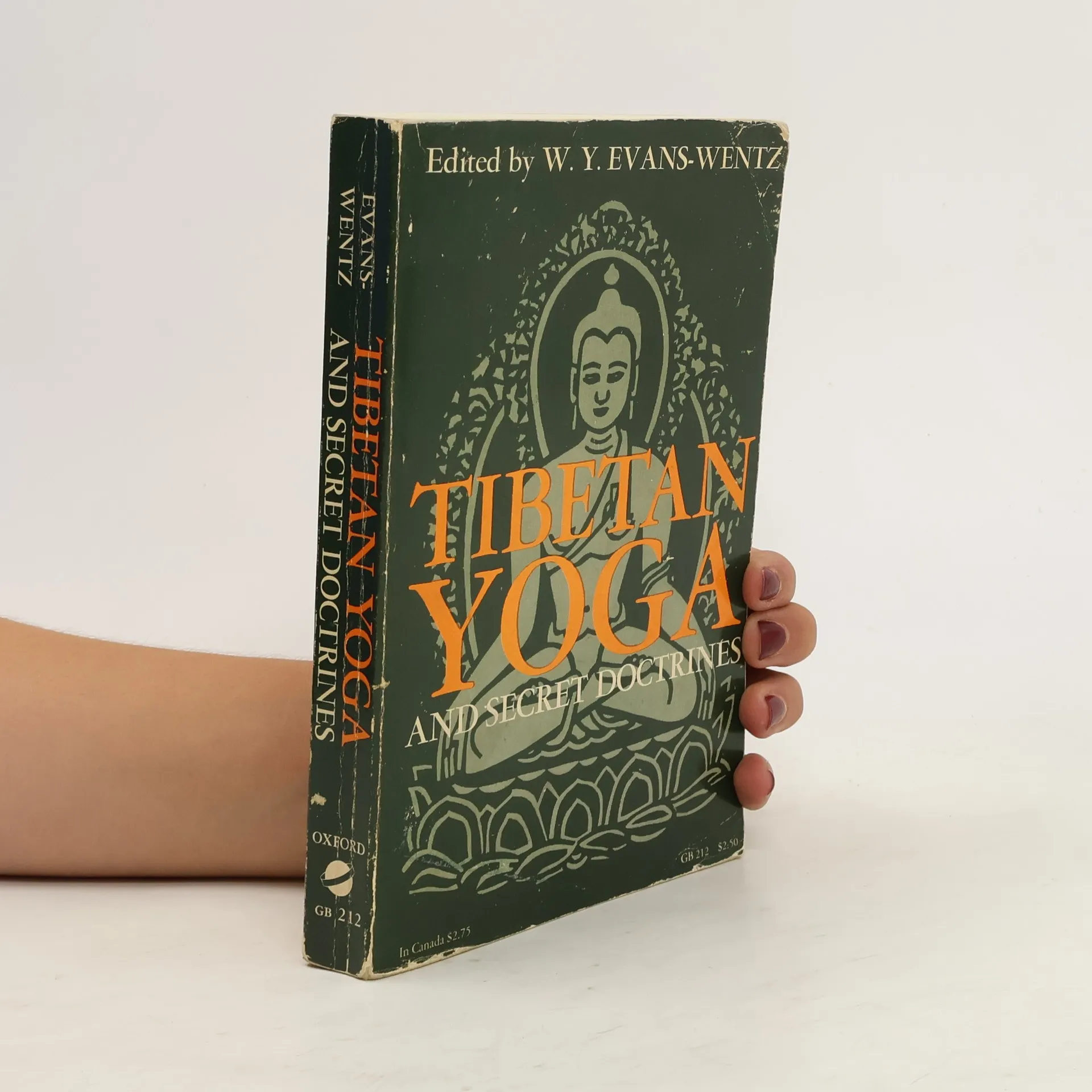
This Galaxy Book edition features seven authentic Tibetan yoga texts, previously unknown in the West until their first English publication in 1935. It serves as a companion to the Tibetan Book of the Dead, edited by Dr. Evans-Wentz, who dedicated over 15 years to researching and studying under Hindu sages and Buddhist lamas. This volume is illustrated with photographs and reproductions of yoga paintings and manuscripts, presenting key meditations used by philosophers and gurus for attaining Right Knowledge and Enlightenment. The editor includes a body of orally transmitted traditions and teachings received firsthand, appealing to anthropologists, psychologists, and students of comparative religion and Mahayana Yoga. Each text is prefaced with special commentaries, and the preface contrasts Buddhist tenets with European religious, philosophical, and scientific concepts. Yoga, foundational to Hinduism, Jainism, Zen Buddhism, and Taoism, has also influenced Judaism, Islam, and Christianity. These seven interconnected texts provide a comprehensive view of teachings that have shaped Eastern culture and are increasingly enriching Western understanding of the psyche. Evans-Wentz, associated with Jesus College, Oxford, has authored several significant works on yoga, offering a unique "interpretation from within" that is rare among Western scholars. He lived in India and Sikkim, studying occult doctrines at the invitation of Maharaja S
This graceful English translation of a masterpiece of world literature was prepared with the participation of the Dalai Lama and eminent contemporary masters appointed by him. As one of the most influential Tibetan Buddhist texts in the West, this work has seen various distinguished translations, yet all previous versions were partial abridgements. Now, the entire text is available in a remarkably clear and beautiful translation. Serving as a comprehensive guide to living and dying, it offers exquisitely written guidance and practices for transforming daily experiences, understanding the dying process and the after-death state, and assisting those who are dying. Originally intended as a resource for the living, it encourages readers to contemplate a grander cycle beyond conventional lifetimes. His Holiness the Dalai Lama praises it as an extraordinary source of inspiration and support. The commentary is provided by the Dalai Lama, with contributions from Thupten Jinpa, senior translator and President of the Institute of Tibetan Classics; Graham Coleman, founder of the Orient Foundation for Arts and Culture and writer-director of the documentary "Tibet: A Buddhist Trilogy"; and Gyurme Dorje, a leading scholar of the Nyingma tradition of Tibetan Buddhism.