

Explore the latest books of this year!
Bookbot

Helmut Preiss

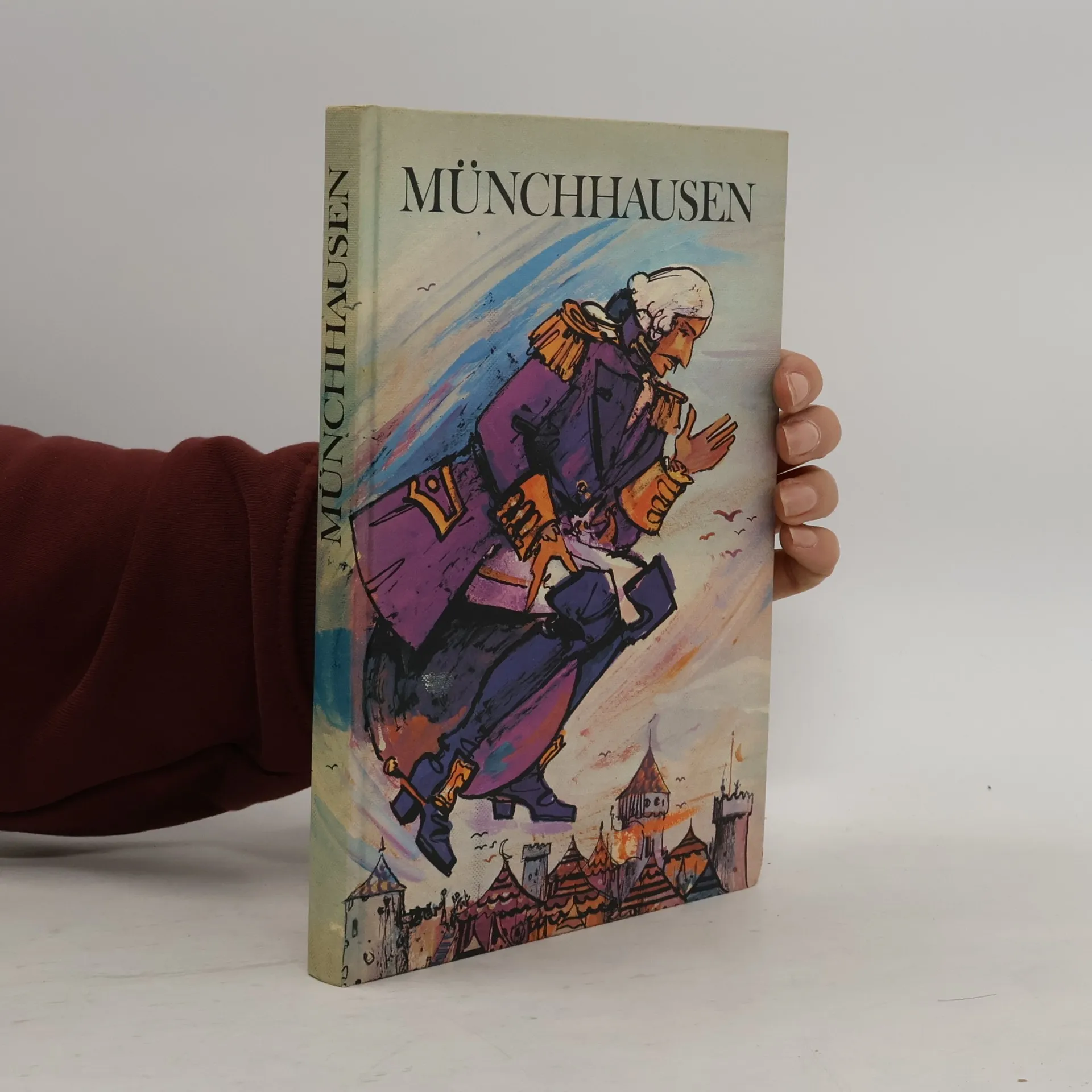
    Münchhausen
    Donausagen
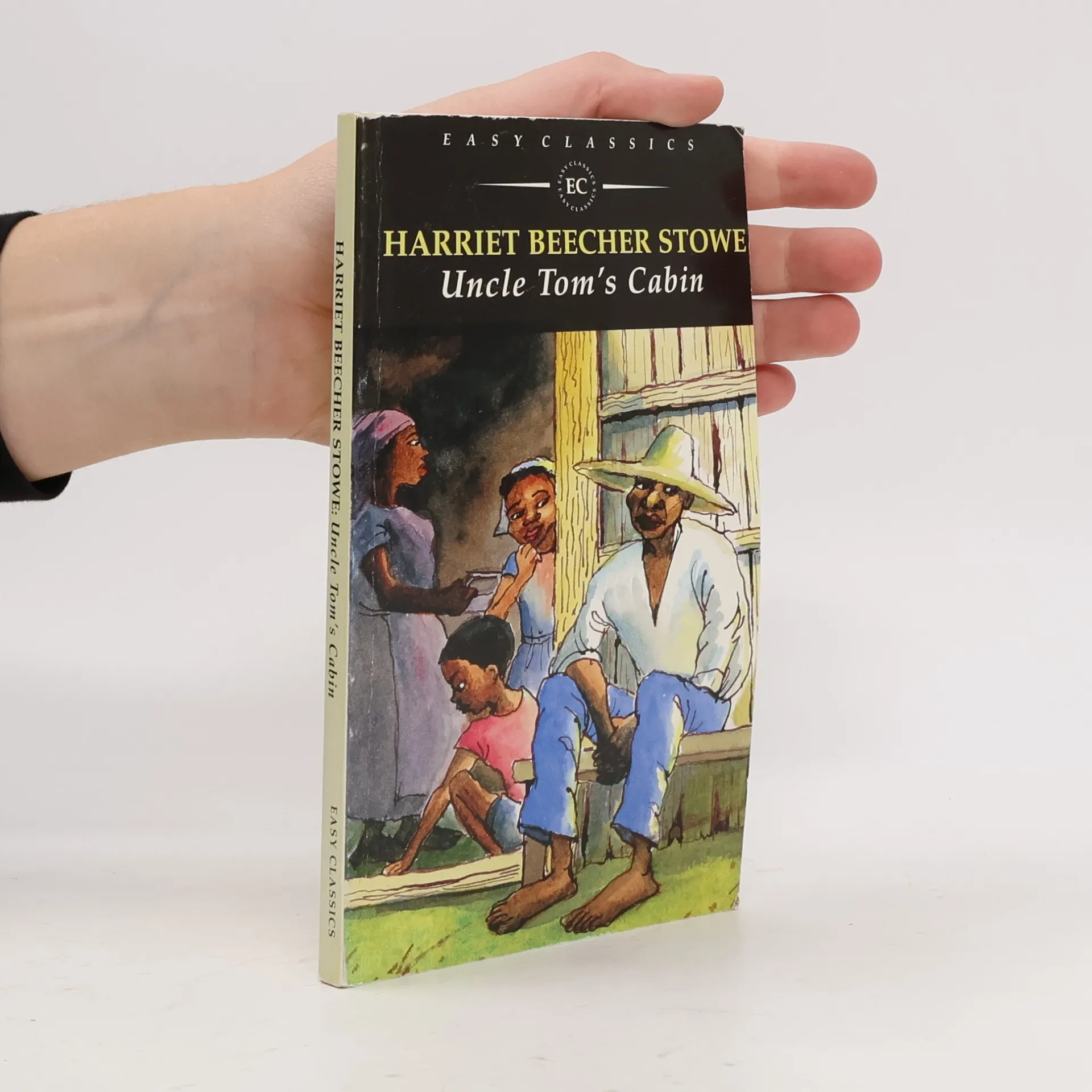
    Uncle Tom's Cabin
    Im Lande des Mahdi: Alle 3 Bände
    Robinson Crusoe
    Winnetou
    • Winnetou

      • 749 pages
      • 27 hours of reading

      Karl May's most popular work originally published in 1892 and influenced by Harriet Beecher Stowe, Winnetou is the story of a young Apache chief told by his white friend and blood-brother Old Shatterhand. The action takes place in the U.S. Southwest, in the latter half of the 1800s, where the Indian way of life is threatened by the first transcontinental railroad. Winnetou, the only Native Indian chief who could have united the various rival tribes to reach a settlement with the whites, is murdered. His tragic death foreshadows the death of his people. May's central theme here, as in much of his work, is the relationship between aggression, racism, and religious intolerance.


      Winnetou
      4.6
    • Robinson Crusoe

      • 32 pages
      • 2 hours of reading

      "The young Robinson Crusoe ignores his father's advice and decides to become a sailor. But Crusoe is soon caught up in violent storms and finds himself shipwrecked on a remote island. He will have to live on this island for the next twenty-eight years"--Back cover note

      Robinson Crusoe
      4.2
    • This edition follows the new German spelling rules without compromising Karl May's originality. Kara Ben Nemsi and Effendina pursue the fugitive Ibn Asl, experiencing adventures with the Bor-Negers and nearing a decisive confrontation with the criminal in Agunda.

      Im Lande des Mahdi: Alle 3 Bände
      3.8
    • Uncle Tom's Cabin

      • 128 pages
      • 5 hours of reading

      `So you're the little woman who wrote the book that started this great war!' These words, said to have been uttered by Abraham Lincoln, signal the celebrity of Uncle Tom's Cabin. The first American novel to become an international best-seller, Stowe's novel charts the progress from slavery to freedom of fugitives who escape the chains of American chattel slavery, and of a martyr who transcends all earthly ties. At the middle of the nineteenth-century, the names of its characters - Little Eva, Topsy, Uncle Tom - were renowned. A hundred years later, `Uncle Tom' still had meaning, but, to Blacks everywhere it had become a curse. This edition firmly locates Uncle Tom's Cabin within the context of African-American writing, the issues of race and the role of women. Its appendices include the most important contemporary African-American literary responses to the glorification of Uncle Tom's Christian resignation as well as excerpts from popular slave narratives, quoted by Stowe in her justification of the dramatization of slavery, Key to Uncles Tom's Cabin.

      Uncle Tom's Cabin
      3.8