Madame Bovary Flaubert
- 79 pages
- 3 hours of reading


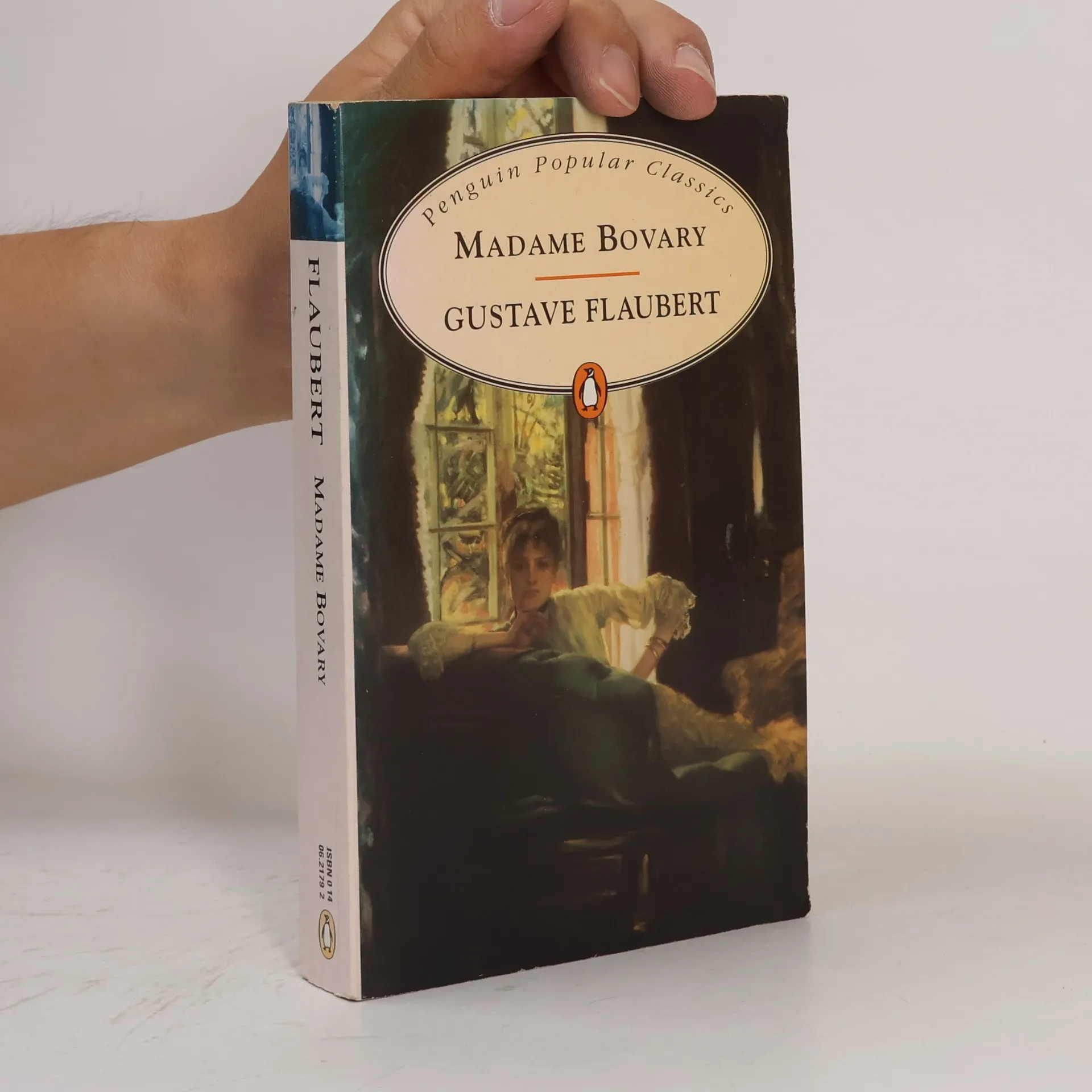

Gustave Flaubert's novel is a landmark of the nineteenth century, known for its influence and controversy. In this Penguin Classics edition, translated by Geoffrey Wall and featuring a preface by Michele Roberts, we meet Emma Bovary, a beautiful yet discontented woman trapped in a mundane marriage to a mediocre doctor. Longing for excitement, she immerses herself in sentimental novels and seeks escape through extravagant spending and affairs. However, her pursuits lead to disappointment and tragic consequences. Upon its publication in 1857, Flaubert's candid exploration of Emma's desires sparked moral outrage, with many women claiming to be reflections of her character. Flaubert famously stated, "Madame Bovary, c'est moi," asserting a personal connection to his creation. Born in Rouen in 1821, Flaubert turned to writing after an illness disrupted his law career. Although the novel garnered immediate acclaim, its frank depiction of adultery led to a trial for immorality, from which he narrowly escaped conviction. Despite limited success during his lifetime, Flaubert's reputation grew posthumously. If you appreciated this work, you may also enjoy Stendhal's The Red and the Black, available in Penguin Classics. A.S. Byatt praised it as "enchanting and terrible," while Kate Summerscale noted its innovative style.
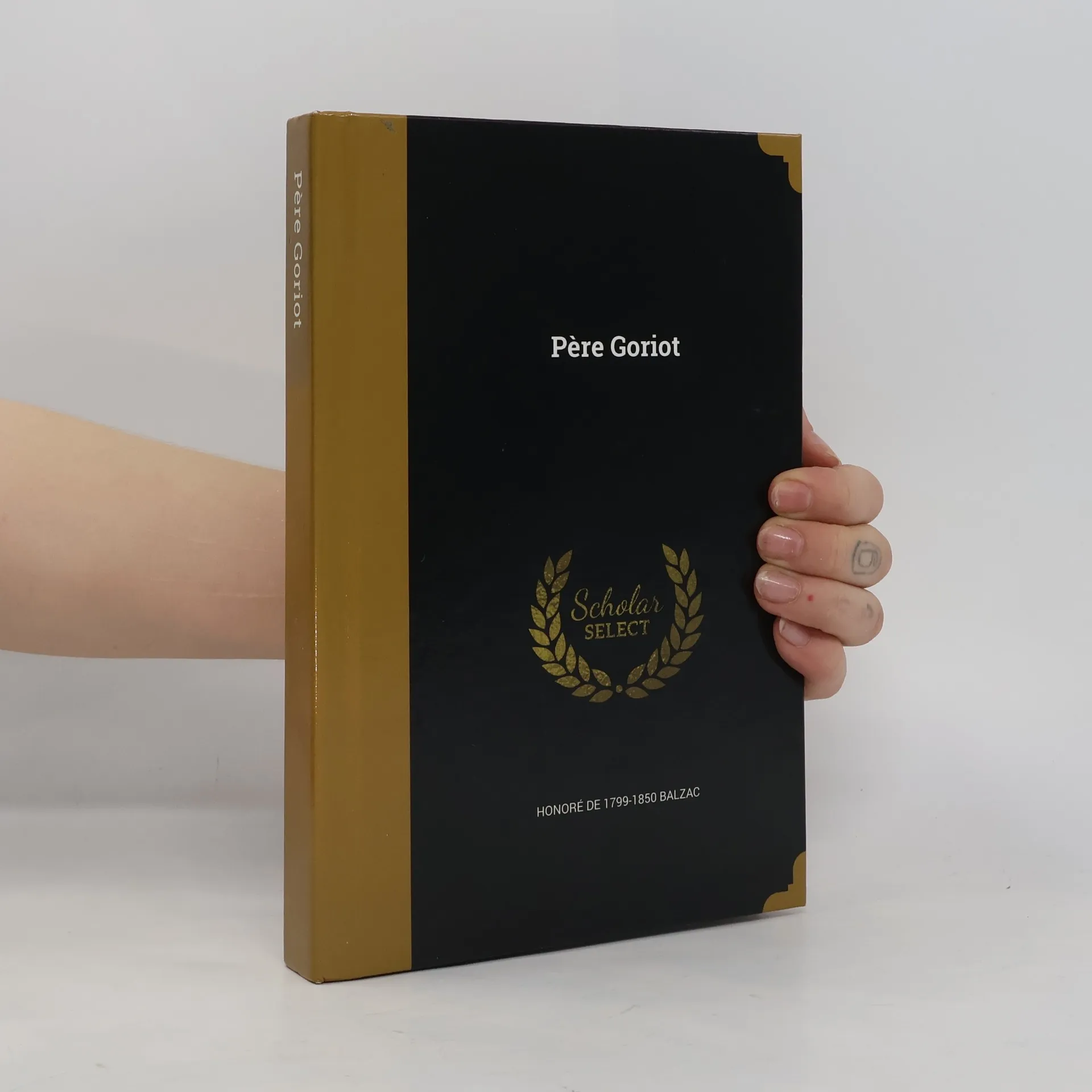
This work has been selected by scholars as being culturally important, and is part of the knowledge base of civilization as we know it. This work was reproduced from the original artifact, and remains as true to the original work as possible. Therefore, you will see the original copyright references, library stamps (as most of these works have been housed in our most important libraries around the world), and other notations in the work. This work is in the public domain in the United States of America, and possibly other nations. Within the United States, you may freely copy and distribute this work, as no entity (individual or corporate) has a copyright on the body of the work. As a reproduction of a historical artifact, this work may contain missing or blurred pages, poor pictures, errant marks, etc. Scholars believe, and we concur, that this work is important enough to be preserved, reproduced, and made generally available to the public. We appreciate your support of the preservation process, and thank you for being an important part of keeping this knowledge alive and relevant.