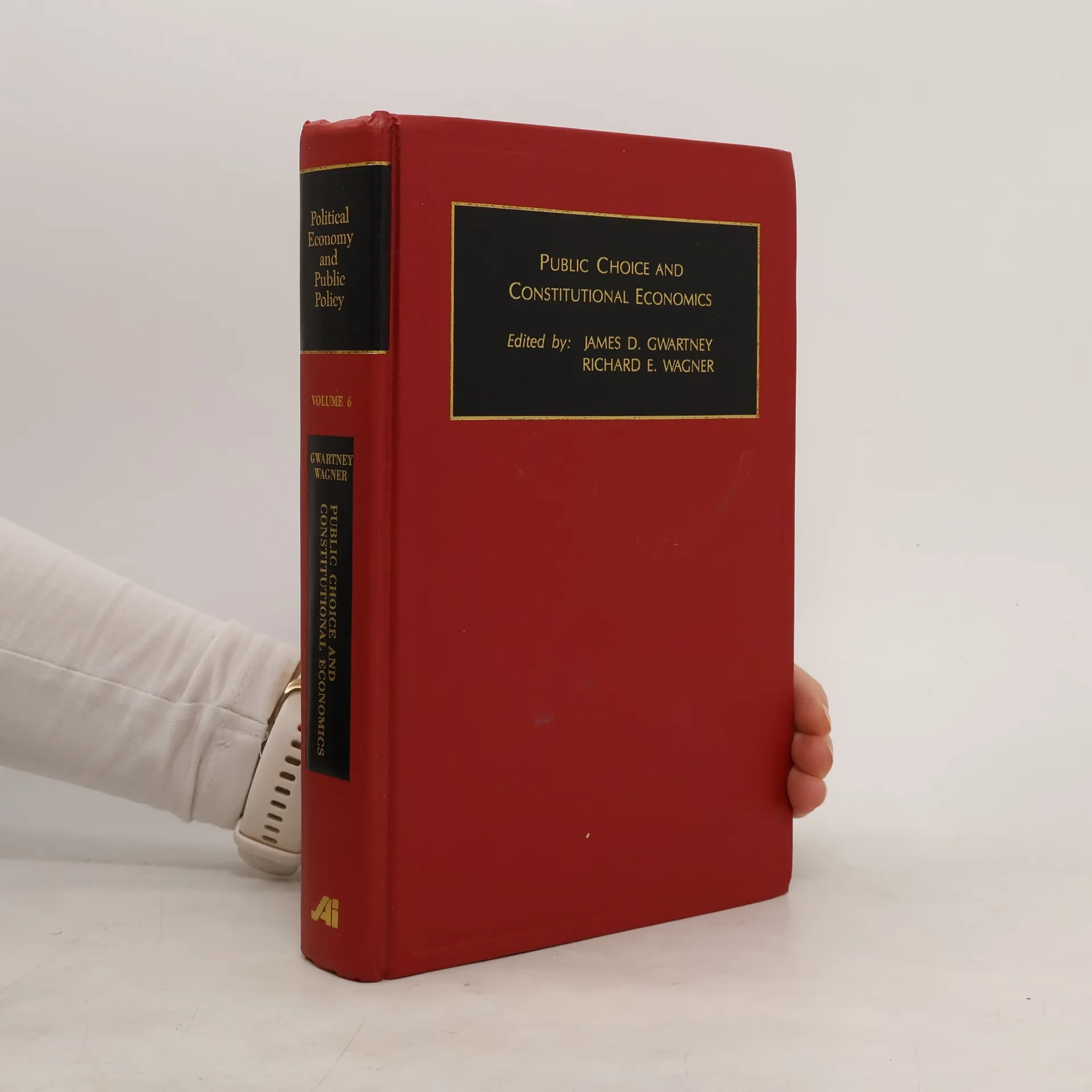
Public Choice and Constitutional Economics
- 422 pages
- 15 hours of reading


James D. Gwartney is a distinguished economist whose work deeply explores the factors driving economic growth and income disparities across nations. His research, particularly his role in the annual 'Economic Freedom of the World' report, provides crucial data for understanding global economic trends and the impact of institutional policies. Gwartney's contributions extend to educating the public and policymakers alike, making complex economic principles accessible through widely used texts and publications in major media outlets. His dedication to advancing free market principles has been recognized with prestigious awards, underscoring his significant influence in the field.
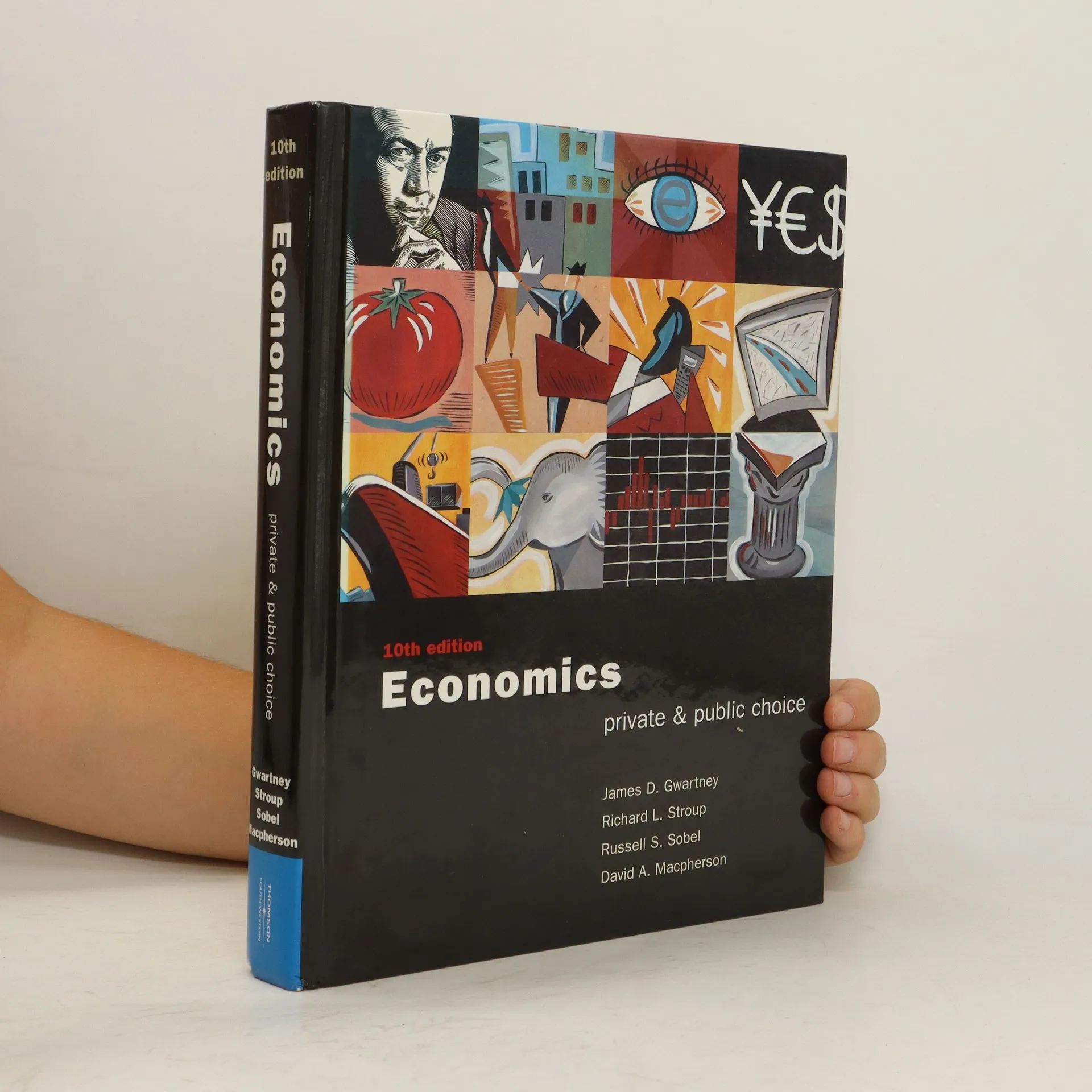
Authors James D. Gwartney, Richard L. Stroup, Russell S. Sobel, and David Macpherson, believe that a course on principles of economics should focus on the power and relevance of the economic way of thinking. It is this belief and corresponding writing approach that has made Economics: Private and Public Choice one of South Western most solid and enduring texts. Throughout this text, the authors integrate applications and real-world data in an effort to make the basic concepts of economics come alive for the reader.
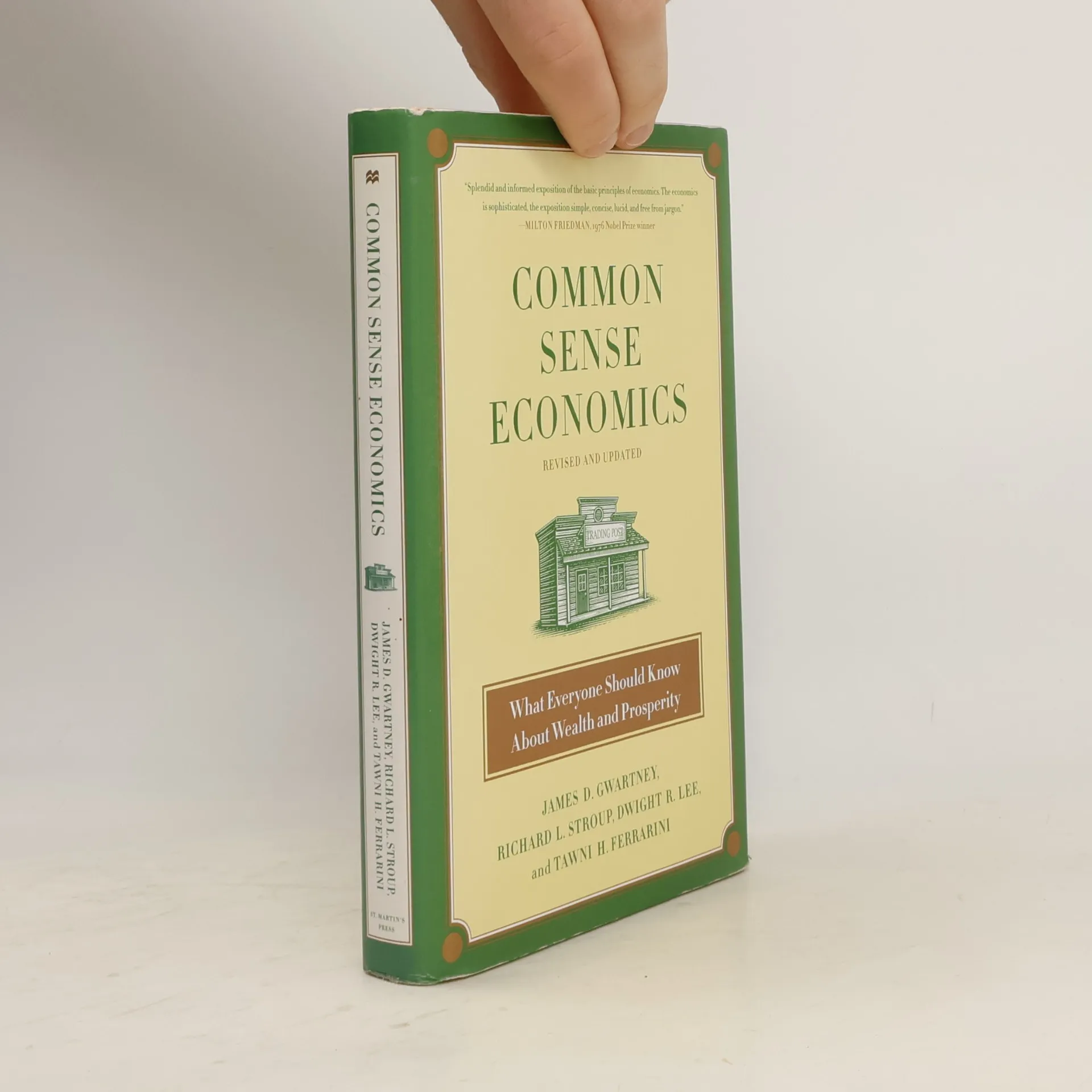
What Everyone Should Know About Wealth and Prosperity - Revised and Updated
"The authors tell us what everyone should know about economics in language we can all understand. It's refreshing when four of the best in the profession avoid the all-too-common practice of writing in a code that only other economists can comprehend." ---Robert McTeer, former president of the Federal Reserve Bank of Dallas With the global economy recovering from a steep recession, those who fail to grasp basic economic principles such as gains from trade, the role of profit and loss, and the secondary effects of government spending, taxes, and borrowing risk falling behind in their professional careers--even their personal lives. Common Sense Economics discusses key principles and uses them to show how to make wise personal and policy choices. This new edition of a classic, with reflections on the recent recession and the policy response to it, illuminates our world and what might be done to make it better.
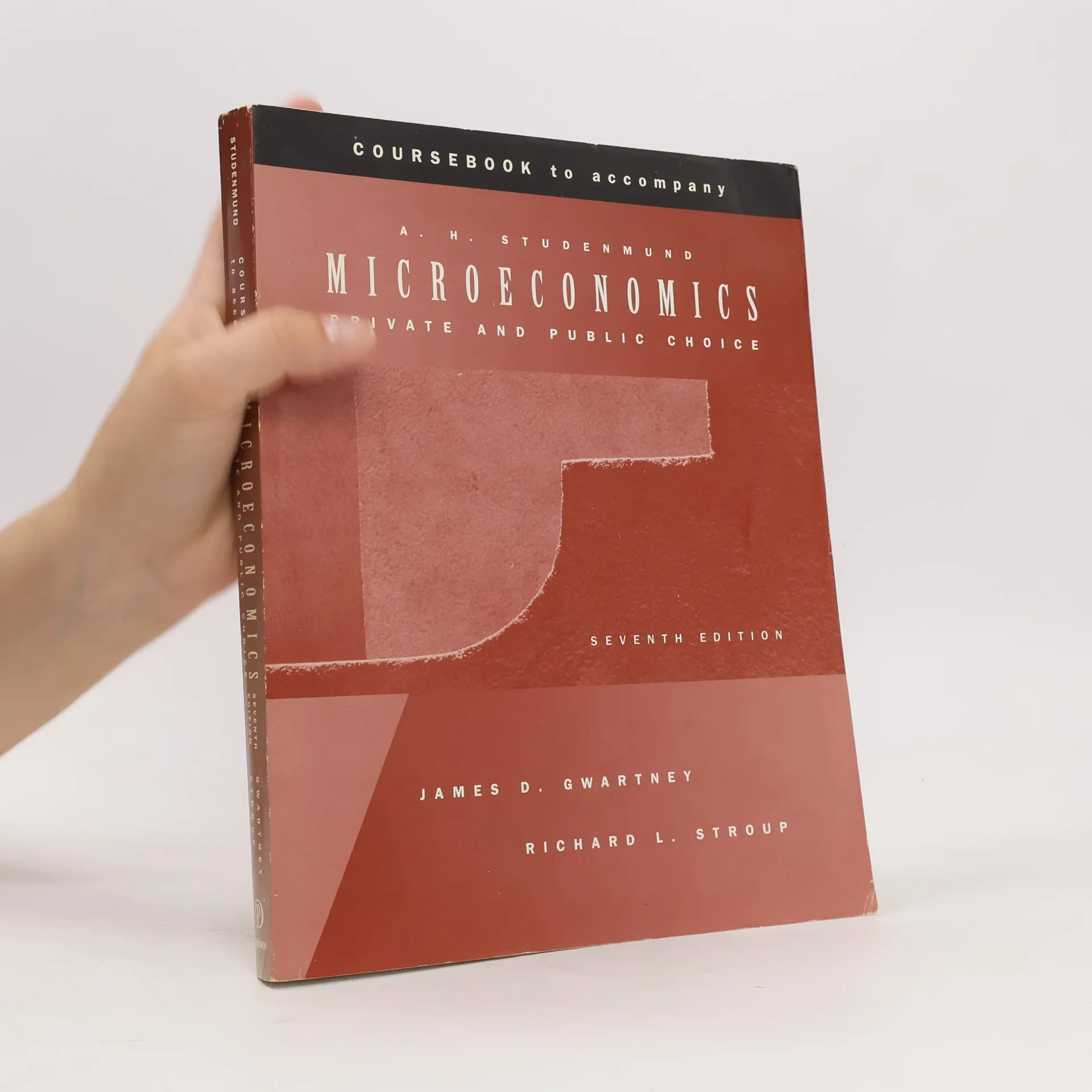
Private and Public Choice - Seventh Edition