It's easy to teach yourself Sanskrit! Complete Sanskrit: A Teach Yourself Guide provides you with a clear and comprehensive approach to Sanskrit, so you can progress quickly from the basics to understanding and writing Sanskrit with confidence. Within each of the 24 thematic chapters, important language structures are introduced through life-like dialogues. You'll learn grammar in a gradual manner so you won't be overwhelmed by this tricky subject. Exercises accompany the texts and reinforce learning.
Learn a language from the comfort of your own home With Teach Yourself Sanskrit Complete Course, the series brings to life this ancient language, allowing you not only to learn the literary and classical tongue of India but also to be able to decipher Sanskrit text. It also presents numerous passages of original Sanskrit writing. Includes: Extensive exercises so readers can review what they have learned An overview of the culture surrounding the language, giving travelers and students an understanding of how it is used in context Expertise from authors with strong scholarship in each language
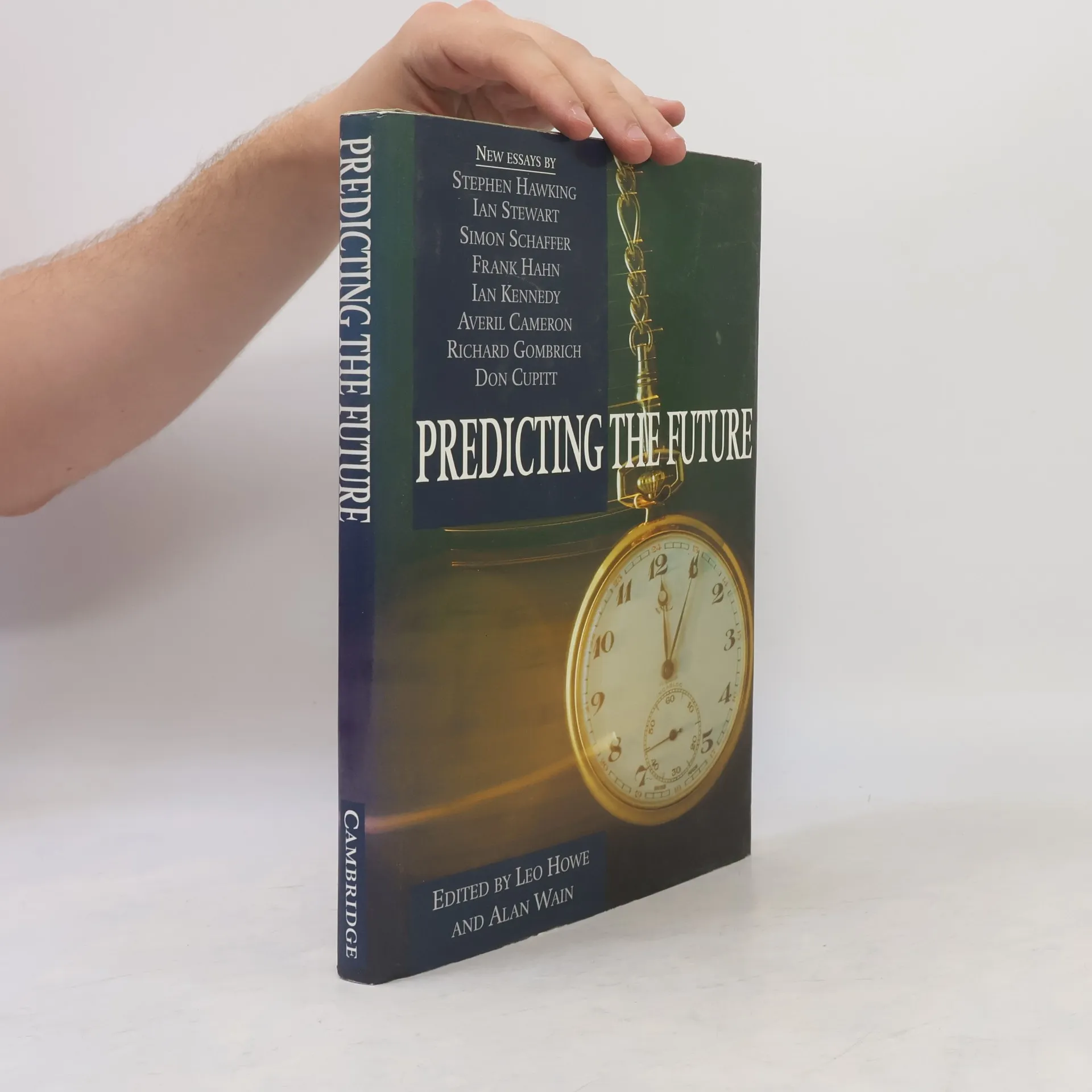
Auguries, oracles, omens...and software simulation. This exploration delves into humankind's enduring desire to foresee and influence future events. It opens with Stephen Hawking's predictions about the universe's billion-year future and concludes with Don Cupitt's reflections on the Last Judgement. The narrative traces the evolution of prediction, from ancient soothsayers and astrologers who relied on religious and traditional authority to today's experts who utilize empirical observation and scientific theory to forecast outcomes in various fields, including the economy and medicine. Despite advancements, contributors acknowledge that prediction remains fraught with uncertainty, navigating a delicate balance between alarmism and complacency, often disrupted by human unpredictability, unforeseen changes, or flawed data. Originating from the sixth annual series of Darwin College Lectures in Cambridge in 1991, the work features insights from various contributors, including Leo Howe, Ian Stewart, Simon Schaffer, Frank Hahn, Ian Kennedy, Averil Cameron, and Richard Gombrich, each offering unique perspectives on the complexities of predicting the future.
Half a millennium before Jesus, more than a millennium before Mohammed, the Buddha found Enlightenment. And until the Chinese Revolution the number of his followers far exceeded the number of Christians and Muslims added together. This book follows the fortunes of Buddhism through time and space, from the founding of the world's largest monastic Order in north-eastern India 2,500 years ago to contemporary America, where its many adherents continue to find its supremely civilized ethos of benevolence, honesty and self-control of immense appeal. This book presents the whole of that most varied contribution to Asiatic civilization in a vivid and authoritative manner. World renowned scholars-some, such as Professor Lamotte and Professor Zurcher, of pre-eminent and longstanding distinction, others of a younger generation in the forefront of new research, all with a gift for lucid exposition - have provided the eleven chapters. Historical documents and modern photographs elucidate the Buddhist way of life.