

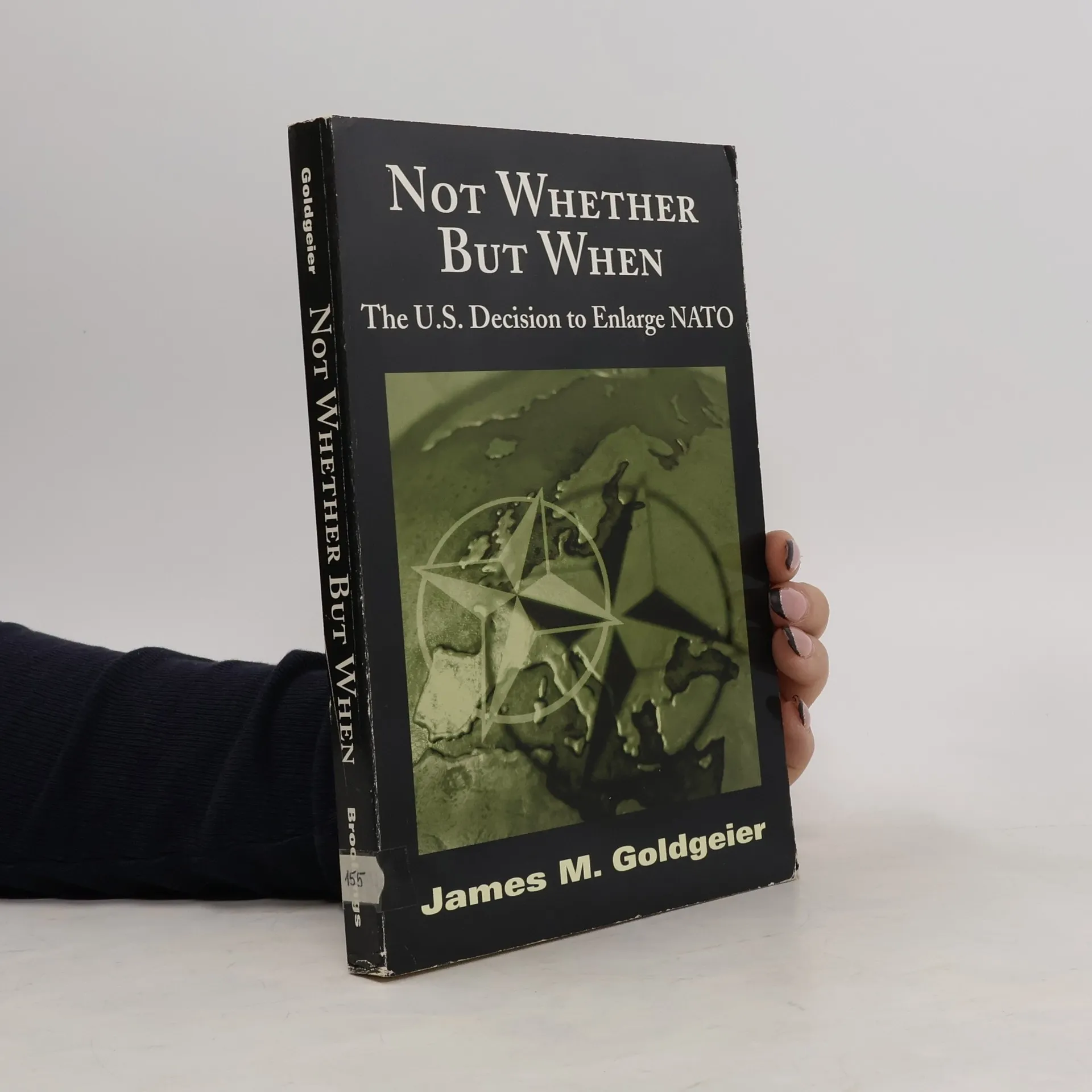
Od kiedy w latach 1993-1994 zaczęto poważnie się zastanawiać nad kwestią rozwoju NATO, na ten temat z zaangażowaniem wypowiadali się zarówno zwolennicy, jak i przeciwnicy rozszerzenia. Mimo to niewiele wiadomo o przebiegu procesu opracowywania polityki rozszerzenia przez administracje Billa Clintona. W swojej książce James M. Goldgeier analizuje proces, który doprowadził do tego, że rozszerzenie NATO stało się elementem polityki Stanów Zjednoczonych. Książka ułatwia zrozumienie biurokratycznych mechanizmów polityki zagranicznej, wpływu polityki wewnętrznej oraz relacji między władzą wykonawczą a ustawodawczą. Ponadto dzięki ujawnieniu przeszkód, z jakimi zmagało się NATO podczas tej rundy rozszerzenia, autor dokonuje oceny ograniczeń, które napotyka Sojusz, rozważając przyjęcie w przyszłości w poczet swoich członków innych krajów Europy Środkowo-Wschodniej.
James M. Goldgeier Book order (chronological)


America Between the Wars
From 11/9 to 9/11; The Misunderstood Years Between the Fall of the Berlin Wall and the Start of the War on Terror
- 442 pages
- 16 hours of reading
On November 9, 1989, the Berlin Wall collapsed, taking the Cold War down with it. The next twelve years passed in a haze of self-congratulation, Republican confusion, and angst, and economic prosperity -- until they ended abruptly with a stunning catastrophe on September 11, 2001. In America Between The Wars , Derek Chollet and James Goldgeier blend deep expertise with broad access to both parties' political and policy establishments to find out how -- and why -- America failed to recognize that when we became the sole superpower with responsibility for the world's oversight, we overlooked how the new world actually worked.
How did Poland, Hungary, and the Czech Republic become the newest members of the North Atlantic Treaty Organization? Based on interviews conducted with more than 75 individuals -from Cabinet officials to desk officers -James M.