The provided source material does not contain sufficient information to create an author description. Please provide a more detailed summary of the author's literary contributions, themes, style, and significance.
Conflicting accounts from Greek and Hellenistic writers surround the Hanging Gardens of Babylon, leading to debates about their existence. While some historians argue they are a myth or a historical mirage, others highlight intriguing facts that contribute to the gardens' status as a fascinating wonder of the ancient world. This exploration delves into the varying perspectives and the enduring mystery of one of history's most captivating landmarks.
Exploring the culture of the Cherokee people offers children a captivating insight into the history of this significant American Indian tribe. The book highlights their unique characteristics compared to other Native Americans and emphasizes the pride of the Eastern Band of the Creek in their rich heritage and preserved traditions. It's an engaging resource for young readers eager to learn about the Cherokee and their cultural significance.
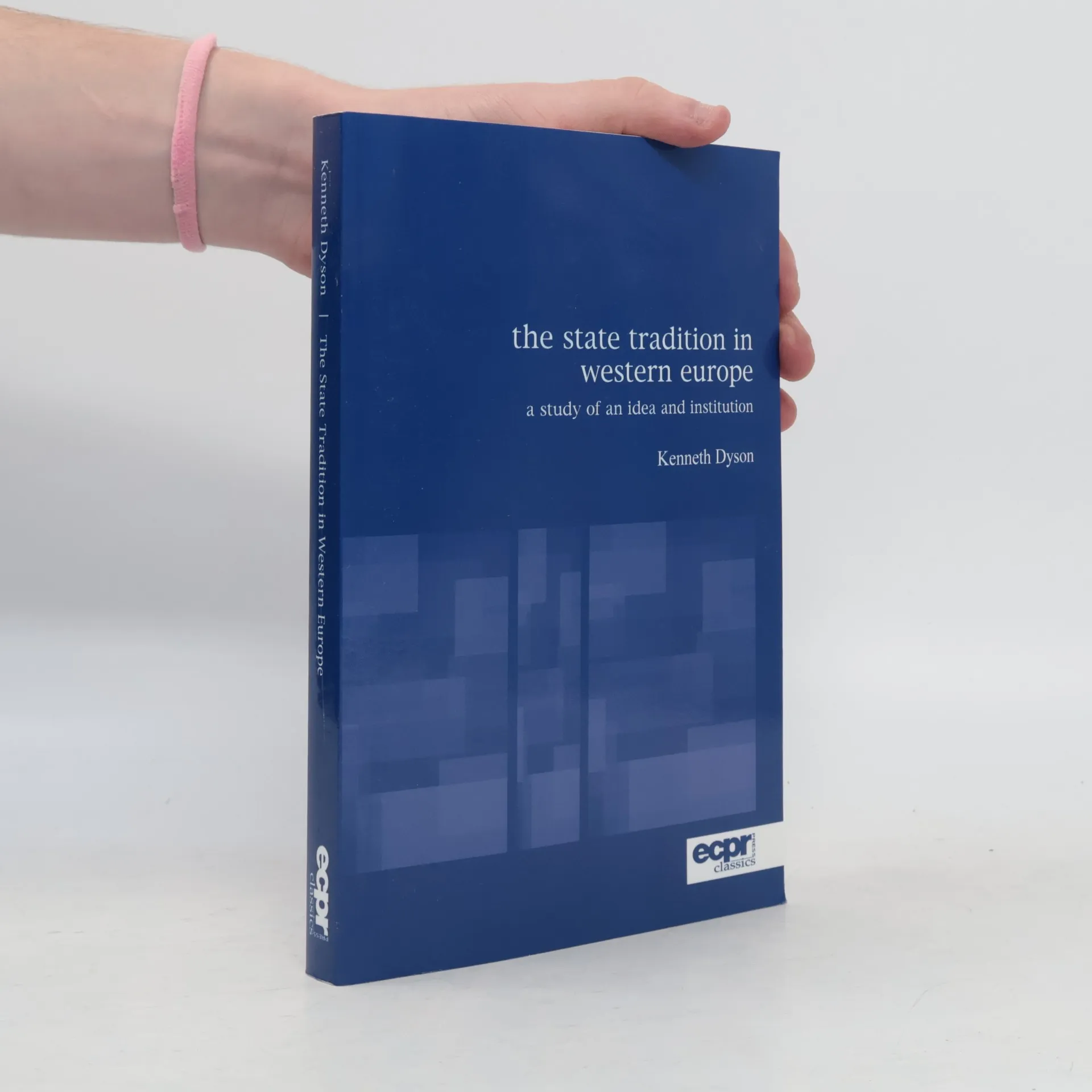
Why have continental European societies developed the idea of the abstract impersonal state as the fundamental institution of political rule? Why, on the other hand, has this idea played a relatively insignificant part in the history of English-speaking countries? It is to such questions that this major study is addressed. With clarity and conciseness, Kenneth Dyson examines the fascinating tapestry of thought about public authority that the state tradition represents, and identifies the major individual contributions to that tapestry. In addition to offering a clear conceptualisation of state, he deals with such key issues as the role of the intellectual, the social function of state theories, and the difficulties of accommodating state and democracy.
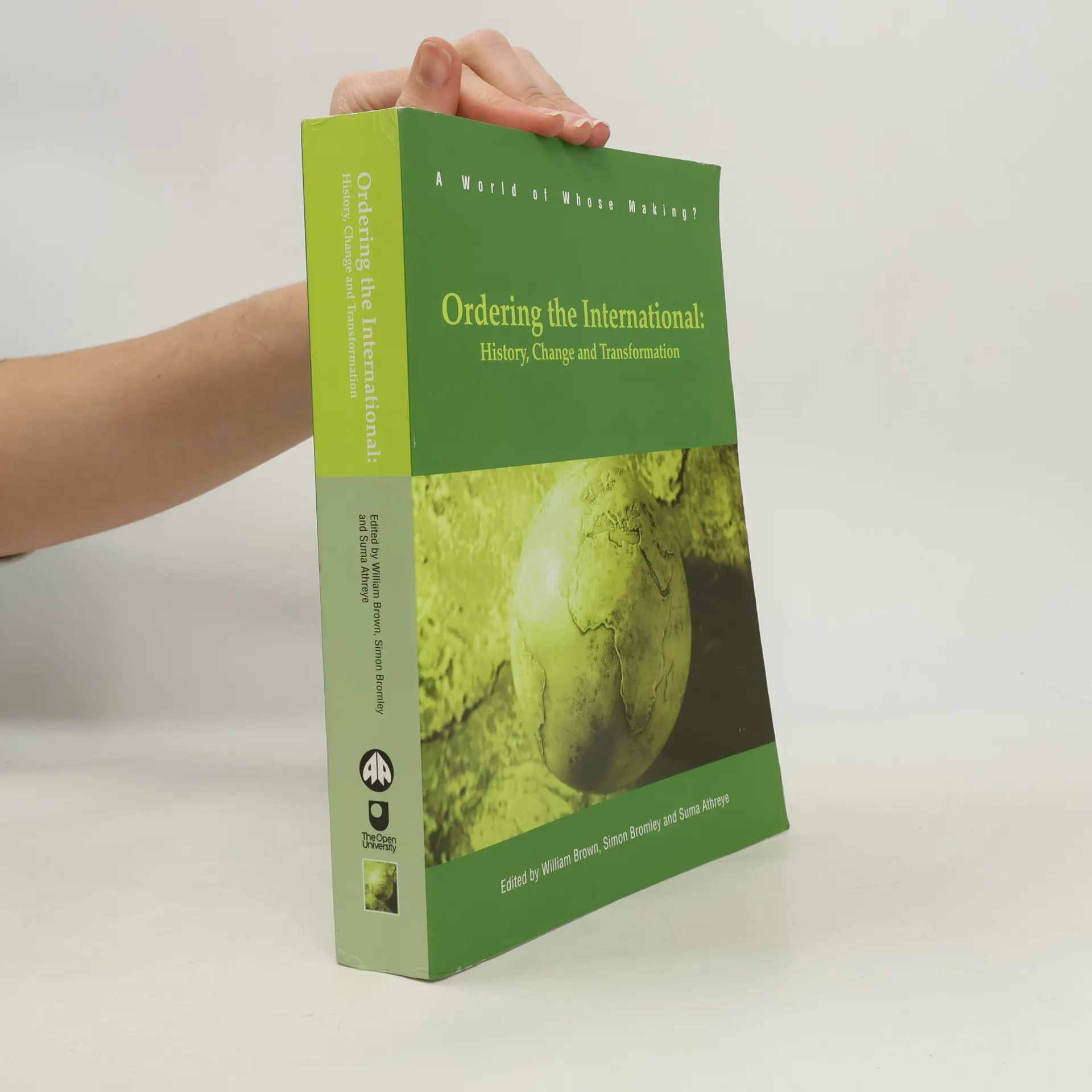
Ordering the International is a new textbook which teaches the core themes of International Studies in an innovative way. It • Can we analyse international order as a whole, and if so, how?• How can we best understand and explain the processes of international interaction and the kinds of order and disorder with which they are associated?• Is the contemporary international system changing and, if so, by whose agency?Ideal for students in International Studies, the book analyses the historical origins, evolution and transformation of three sectors of the modern international the political, the socio-cultural, and the economic-technological. Drawing on a combination of approaches and debates, it concludes by discussing theories of international order and contending claims about its transformation. Ordering the International will provide you with the knowledge and skills to understand, and participate in, key debates about the world in which we live.
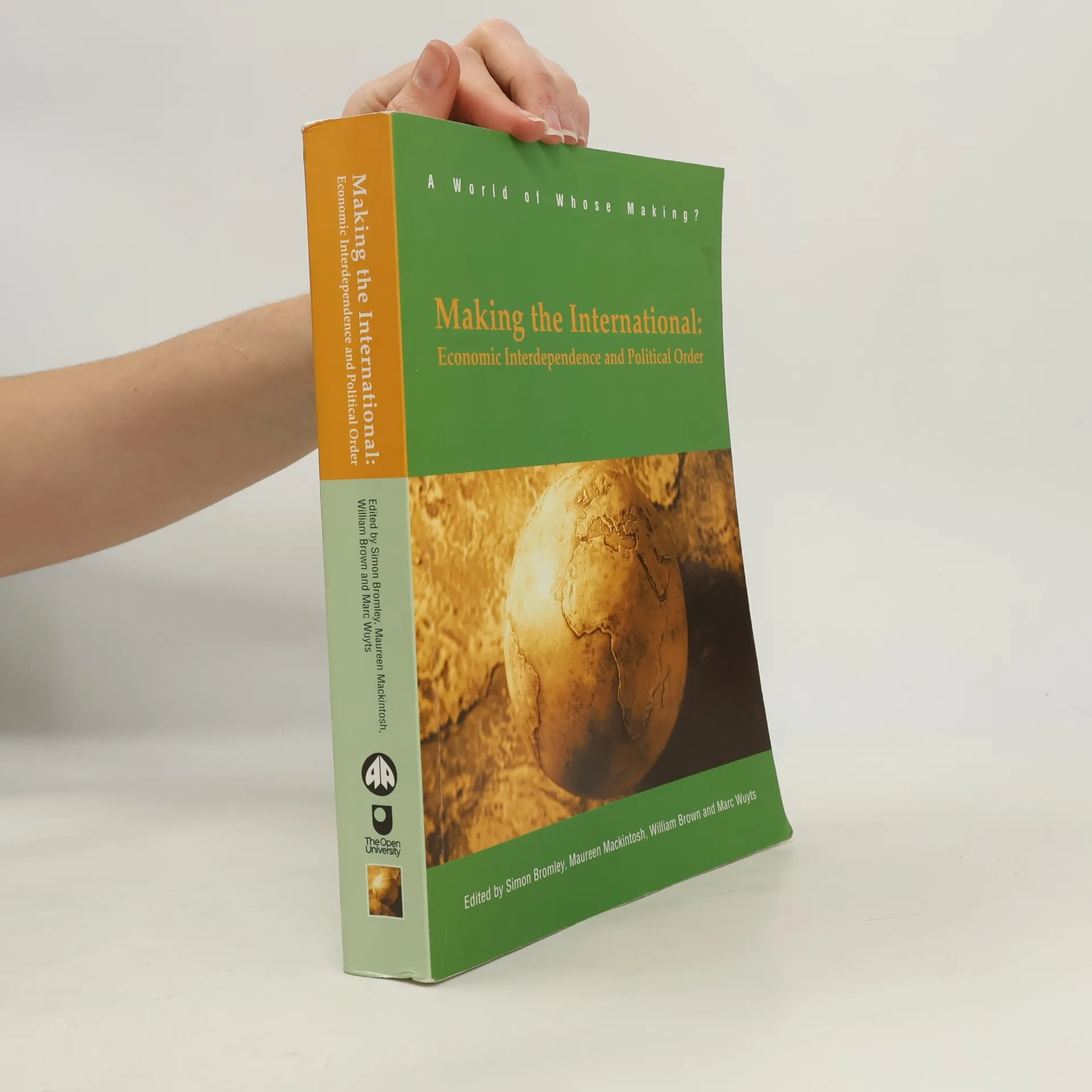
Understanding today's international economic and political landscape is a significant challenge for scholars, citizens, and decision-makers. This innovative introductory text equips readers with essential political and economic analysis skills. It emphasizes core concepts and integrates key ideas, allowing readers to develop their critical perspectives on the international system and its operations. The book features a genuinely global perspective, with contributions from authors in India, Mexico, Africa, the USA, and the European Union.
The content is organized into five main sections. The first examines trade and states, contrasting the WTO's free market arguments with the experiences of both developed and developing nations. The second section focuses on state policy, exploring how countries navigate the international trading system's constraints and their resulting industrialization and development strategies. The third section addresses inequality and power, analyzing the effects of liberalized trade and investment policies on inequality in developing countries. The fourth section discusses autonomy, sovereignty, and macroeconomic policy, assessing states' capacities to implement national macroeconomic strategies in a globalized economy. Finally, the fifth section on international collective action highlights notable successes and failures in achieving cooperation among states, particularly regarding global climate chang
American Amusement, Stephen Crane, and the Economics of Play
335 pages
12 hours of reading
Within the ephemera of the everyday - old photographs, circus posters, iron toys - lies a challenge to America's dominant cultural memory. What this memory has left behind, Bill Brown recovers in the material unconscious of Stephen Crane's work, the textual residues of daily sensations that add up to a new history of the American 1890s. As revealed in Crane's appropriation of an emerging mass culture - from football games and freak shows to roller coasters and early cinema - the decade reappears as an underexposed moment in the genealogy of modernism and modernity.