

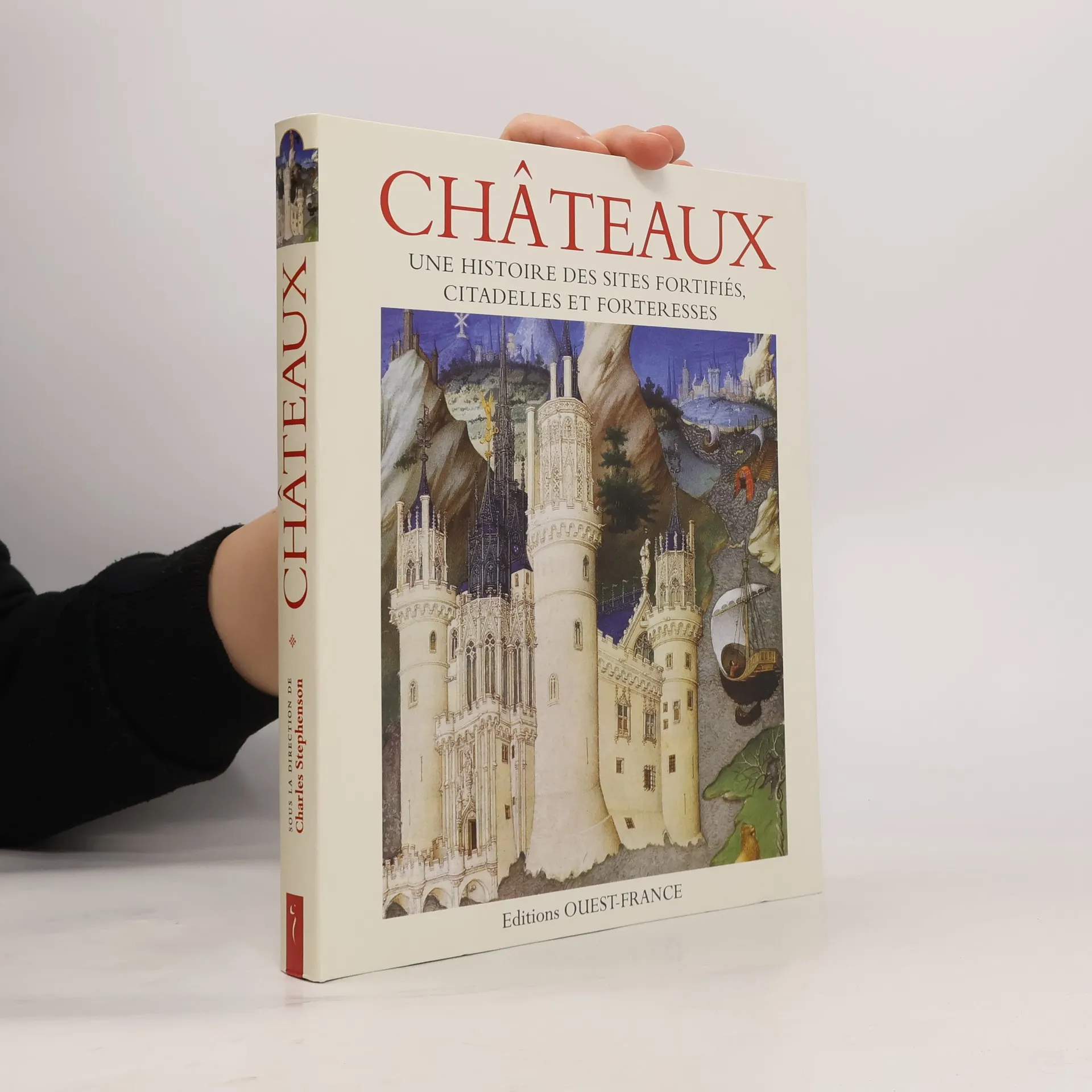
Châteaux, une histoire des sites fortifiés
- 288 pages
- 11 hours of reading
Qui dit " châteaux forts et fortifications " pense invariablement à un édifice en pierre datant du Moyen Age, avec donjon, tourelles, créneaux, barbacanes et oubliettes. Pourtant, l'architecture défensive, aussi ancienne que la civilisation elle-même, n'a cessé d'évoluer à travers le temps et l'espace, jusqu'à encore très récemment. Le château fort et ses métamorphoses constituent donc une excellente illustration de l'évolution des pratiques militaires, en liaison avec les avancées technologiques. Dans cet ouvrage vous trouverez : Une approche architecturale inédite, analysant toutes les formes de fortifications existantes et montrant comment le travail des architectes, des maçons et des ingénieurs a su s'adapter à l'évolution des armes. Un vaste panorama de l'art défensif, des premières forteresses et villes fortifiées de l'Antiquité jusqu'aux structures du XIXe siècle, lorsque les armes modernes ont contraint les armées à livrer des combats souterrains. Un point de vue architectural mettant en avant le " squelette " des châteaux, pour illustrer l'évolution des éléments défensifs, des plans, de l'ingénierie, des technologies et des matériaux. Ce panorama architectural révèle une histoire fascinante et fait de cet ouvrage une référence indispensable.