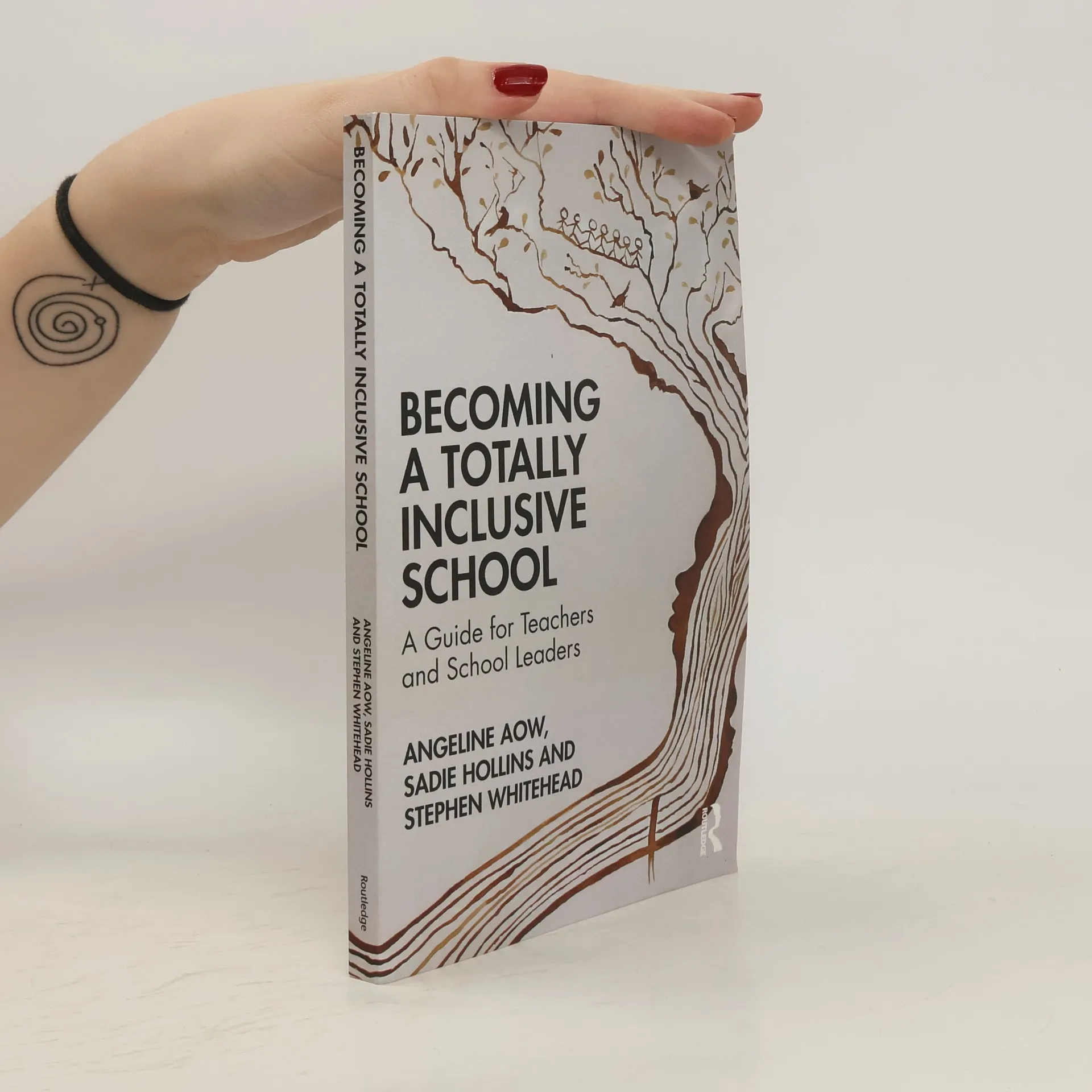
This book offers knowledge and guidance for becoming a totally inclusive
school that addresses and reforms inequitable structures. Written in an
accessible style with reflective exercises in every chapter, the book will
guide educational professionals along the pathway to becoming advocates for
inclusivity in their schools and communities.
The Masculinities Reader offers a comprehensive introduction to key debates in the study of masculinity. Organized for accessibility, it compiles significant work on various topics, including male power, patriarchy, sexualities, gay friendships, sport, intimacy, identity, hegemonic masculinity, violence, schooling, language, homophobia, and diverse masculinities across cultures. The book begins with an in-depth introductory chapter addressing masculinity in crisis, post-feminism, men's power, changing gender roles, and identity concepts. Acknowledging the global aspects of gender change, it incorporates research from around the world. This essential text serves students and researchers interested in men and masculinities, providing a unique overview of a vital sociological field. It is a valuable resource for those in sociology, gender studies, cultural studies, and related disciplines. Contributors include notable scholars such as Arthur Brittan, David Collinson, Bob Connell, Ralph Donald, and Michael Kimmel, among others.
"Men and Masculinities" is a comprehensive exploration of the sociology of masculinity, addressing key themes and theorists in the field. It examines the nature/nurture debate, critiques hegemonic masculinity, and discusses issues like identity, sexuality, and male power. This resource is essential for various disciplines, including sociology and gender studies.
This book introduces the concept of Total Inclusivity to organisations, their
leaders and employees around the world. Written in an accessible style and
informed by contemporary research into the self, organisations and identities,
this book will guide individuals and organizations along the pathway to
creating a Totally Inclusive community.
This book introduces the concept and practices of Total Inclusivity to help
universities contend with increasing public scrutiny and uncertainty around
issues of diversity, equity, inclusion and justice. An essential book for
anyone working in leadership in higher education institutions and those
interested in creating inclusive practices.