
Explore the latest books of this year!
Bookbot

Timothy Snyder

    August 18, 1969

    Timothy Snyder is a historian whose work centers on modern East European history, particularly political history and the dynamics of violence. His scholarship delves into the intricate connections between nationalism, totalitarian ideologies, and historical catastrophes. Snyder examines how events like the Holocaust and mass killings in Europe unfolded and how they can serve as warnings for our present. His writing style is analytical yet accessible, emphasizing the understanding of historical processes that shaped the 20th century.

    Timothy Snyder
    The Road to Unfreedom
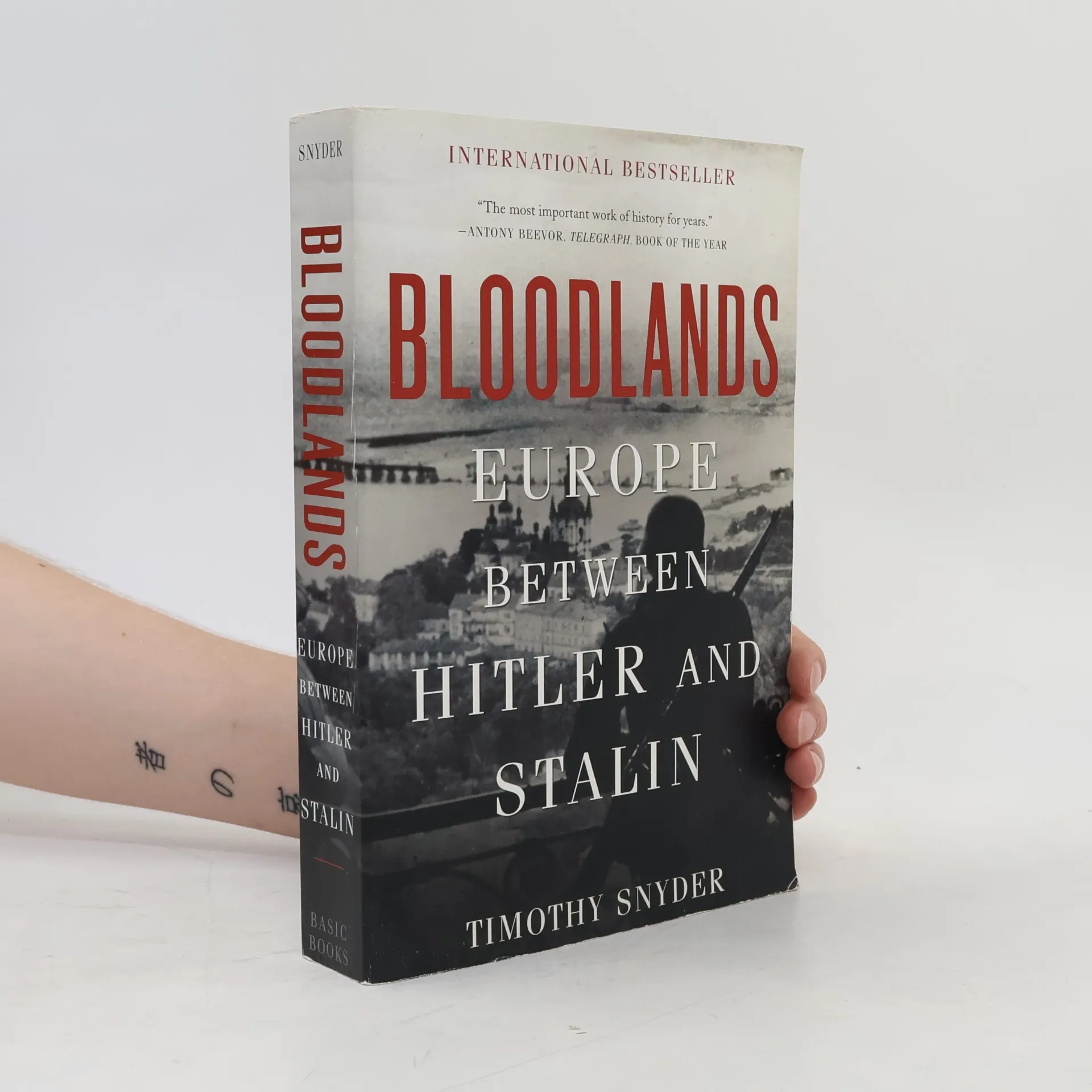
    Bloodlands, English edition
    The road to unfreedom : Russia, Europe, America
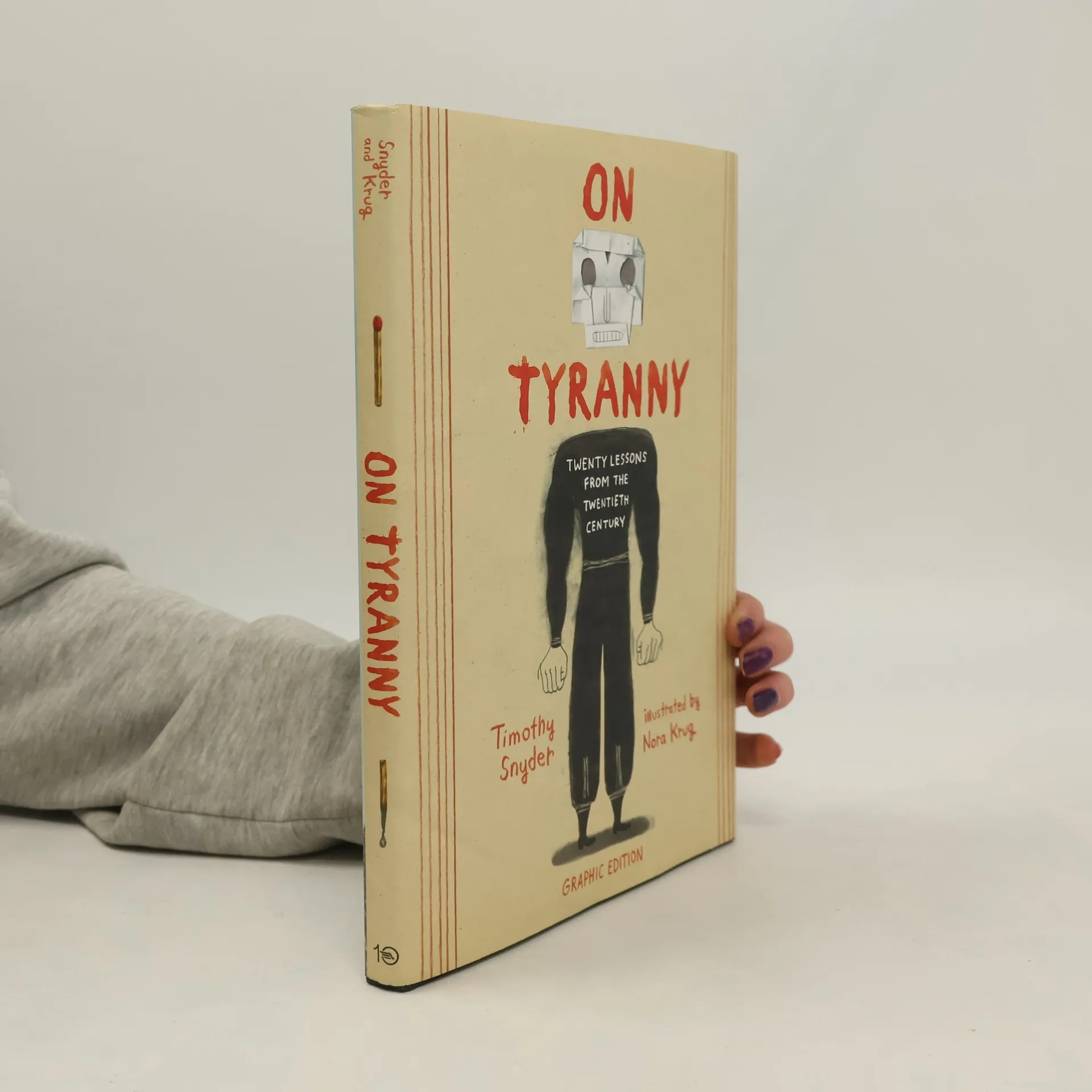
    On Tyranny Graphic Edition
    Bloodlands. Europe between Hitler and Stalin
    On Tyranny : Twenty Lessons from the Twentieth Century (Graphic Edition)
    • This graphic edition of Timothy Snyder’s bestselling work presents vital lessons for resisting America's drift toward authoritarianism, enhanced by renowned illustrator Nora Krug's visual storytelling. Snyder draws on the darkest moments of the twentieth century, from Nazism to Communism, to convey twenty lessons on modern resistance. Key lessons include recognizing the impact of symbols on the future (“4: Take responsibility for the face of the world”), the necessity of independent research (“11: Investigate”), and the importance of using personalized language rather than clichés (“9: Be kind to our language”). Krug's inventive art style, reminiscent of her work in Belonging, transforms Snyder’s historical insights into a visually striking guide. This edition serves as a poignant reminder of the need for active, conscious participation in resisting authoritarianism during uncertain times.

      On Tyranny : Twenty Lessons from the Twentieth Century (Graphic Edition)
      4.5
    • Under Hitler and Stalin the Nazi and Soviet regimes murdered fourteen million people in the bloodlands between Berlin and Moscow. The killing fields extended from central Polads to western Russia. For twelve savage years, on this bloodsoaked soil an average of one million individuals - mostly women, children and the aged - were murdered every year. Though in 1939 these lands became battlefields, not one of these fourteen million was killed in combat. They were victims of a murderous policy, not casualties of war. Int his deeply unsettling and revelatory book, Timothy Snyder gives voice to the testimony of the victims through the letters home, the notes flung from trains, the diaries on corpses. It is a brilliantly researched, profoundly humane and authoritative bok that demands we pay attention to those that history is in danger of forgetting.

      Bloodlands. Europe between Hitler and Stalin
      4.5
    • On Tyranny Graphic Edition

      • 128 pages
      • 5 hours of reading

      Timothy Snyder's New York Times bestseller On Tyranny uses the darkest moments in twentieth-century history, from Nazism to Communism, to teach twenty lessons on resisting modern-day authoritarianism. Among the twenty include a warning to be aware of how symbols used today could affect tomorrow ("4: Take responsibility for the face of the world"), an urgent reminder to research everything for yourself and to the fullest extent ("11: Investigate"), a point to use personalized and individualized speech rather than clichéd phrases for the sake of mass appeal ("9: Be kind to our language"), and more.0In this graphic edition, Nora Krug draws from her highly inventive art style in Belonging--at once a graphic memoir, collage-style scrapbook, historical narrative, and trove of memories--to breathe new life, color, and power into Snyder's riveting historical references, turning a quick-read pocket guide of lessons into a visually striking rumination. In a time of great uncertainty and instability, this edition of On Tyranny emphasizes the importance of being active, conscious, and deliberate participants in resistance

      On Tyranny Graphic Edition
      4.4
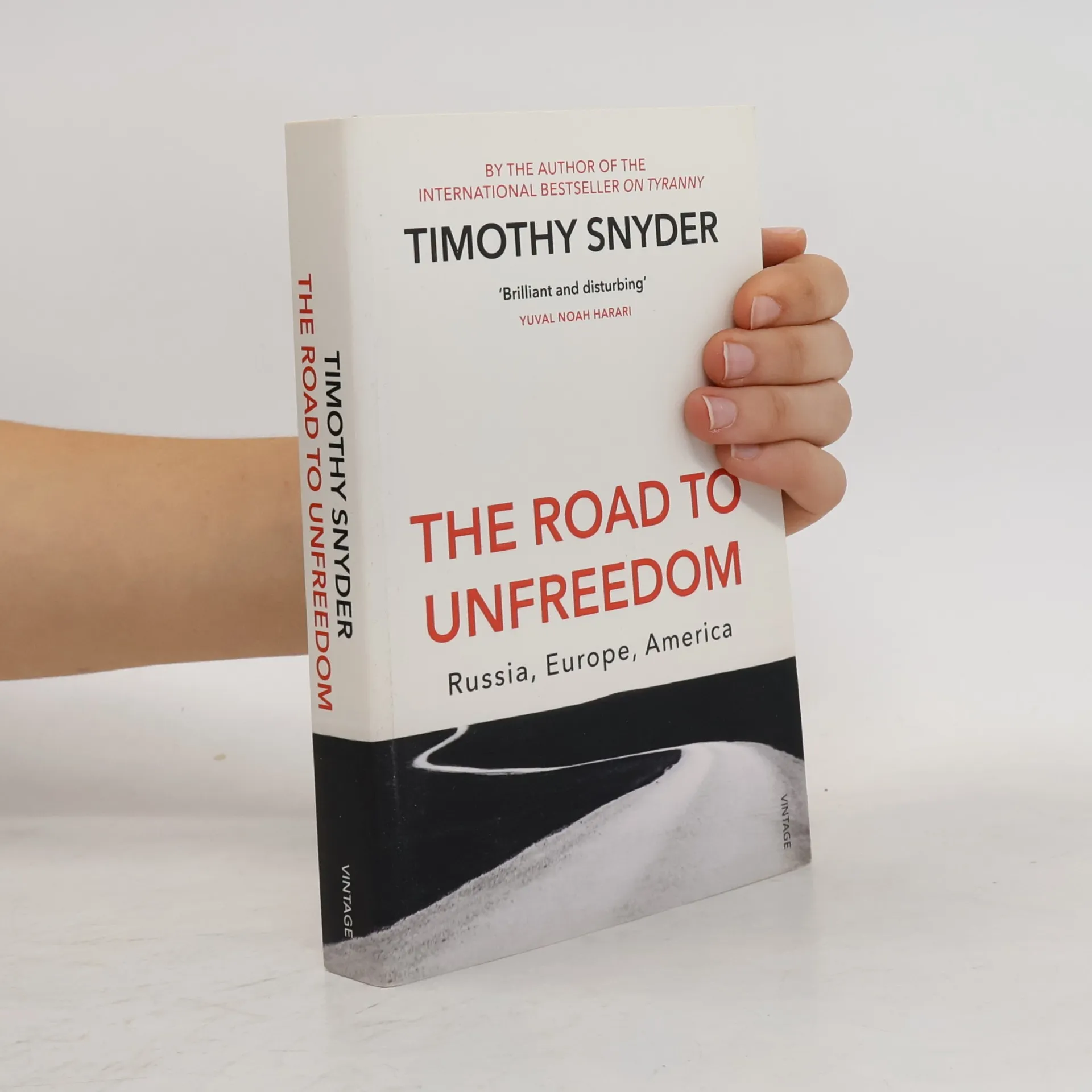
    • La 4e de couverture indique : "The past is another country, the old saying goes. The same might be said of the future. But which country ? For Europeans and Americans today, the answer is Russia. In this visionary work of contemporary history, Timothy Snyder shows how Russia works within the West to destroy the West ; by supporting the far right in Europe, invading Ukraine in 2014, and waging a cyberwar during the 2016 presidential campaign and the EU referendum. Nowhere is this more obvious than in the creation of Donald Trump, an American failure deployed as a Russian weapon. But this threat presents an opportunity to better understand the pillars of our freedoms and face the choices that will determine the future : equality or oligarchy, individualism or totalitarianism, truth or lies."

      The road to unfreedom : Russia, Europe, America
      4.4
    • Bloodlands, English edition

      • 524 pages
      • 19 hours of reading

      Under Hitler and Stalin the Nazi and Soviet regimes murdered fourteen million people in the bloodlands between Berlin and Moscow. The killing fields extended from central Polads to western Russia. For twelve savage years, on this bloodsoaked soil an average of one million individuals - mostly women, children and the aged - were murdered every year. Though in 1939 these lands became battlefields, not one of these fourteen million was killed in combat. They were victims of a murderous policy, not casualties of war. Int his deeply unsettling and revelatory book, Timothy Snyder gives voice to the testimony of the victims through the letters home, the notes flung from trains, the diaries on corpses. It is a brilliantly researched, profoundly humane and authoritative bok that demands we pay attention to those that history is in danger of forgetting.

      Bloodlands, English edition
      4.4
    • The Road to Unfreedom

      • 368 pages
      • 13 hours of reading

      'A brilliant and disturbing analysis, which should be read by anyone wishing to understand the political crisis currently engulfing the world' YUVAL NOAH HARARI, author of SAPIENS The past is another country, the old saying goes.

      The Road to Unfreedom
      4.4
    • Bloodlands

      • 524 pages
      • 19 hours of reading

      Describes how fourteen million people were murdered by Hitler's and Stalin's regimes in the area between Germany and Russia during the time when both men were in power and examines the motives and methods behind the mass murders.

      Bloodlands
      4.4
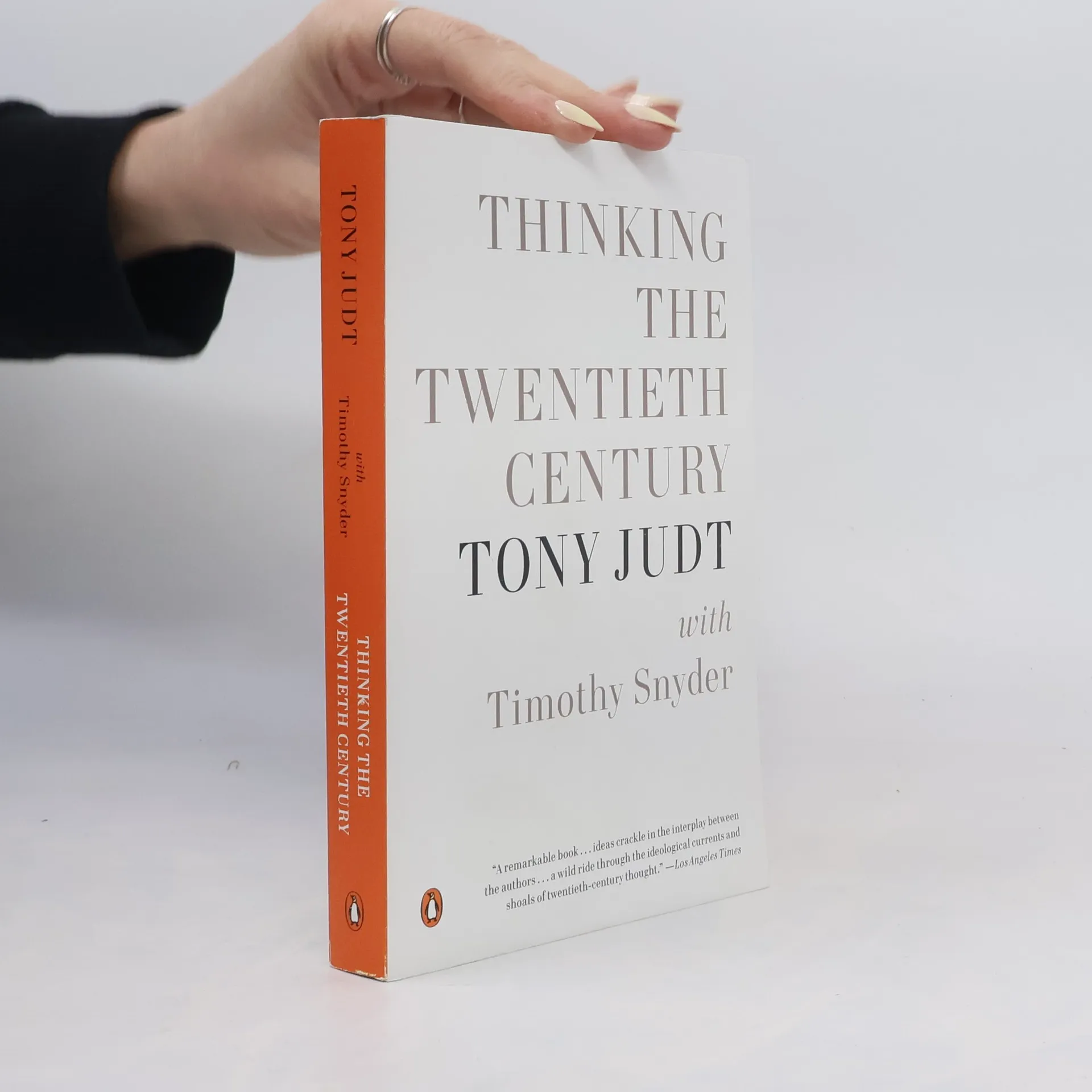
    • "Ideas crackle" in this triumphant final book of Tony Judt, taking readers on "a wild ride through the ideological currents and shoals of 20th century thought.” (Los Angeles Times) One of our most brilliant historians, Tony Judt brings the past century vividly to life in this unprecedented and original history. Structured as a series of intimate conversations between Judt and his friend and fellow historian Timothy Snyder, Thinking the Twentieth Century presents the triumphs and the failures of the twentieth century's most prominent intellectuals and their ideas, guiding readers through the debates that defined our world. Spanning an era with unprecedented clarity and insight, Thinking the Twentieth Century is a tour de force: a masterful analysis of the life of the mind and an unforgettable guide to leading the mindful life.
      Thinking the Twentieth Century. Nachdenken über das 20. Jahrhundert, englische Ausgabe
      4.3
    • Thinking the twentieth century

      • 432 pages
      • 16 hours of reading

      Thinking the Twentieth Century maps the issues and concerns of a turbulent age onto a life of intellectual conflict and engagement. Tony Judt presents the triumphs and the failures of prominent intellectuals, adeptly explaining both their ideas and the risks of their political commitments.--[book jacket].

      Thinking the twentieth century
      4.3
    • On Freedom

      • 384 pages
      • 14 hours of reading

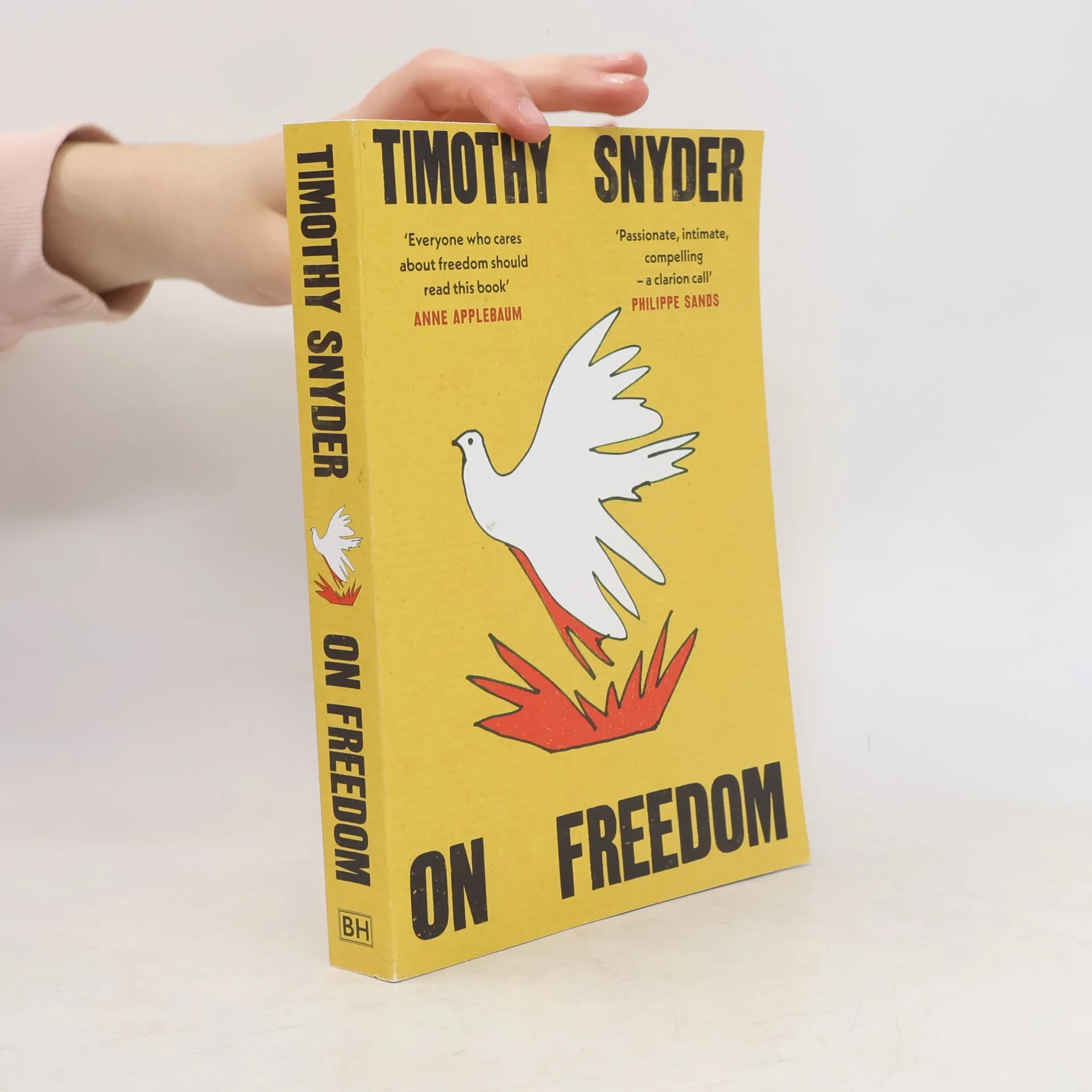
      The book offers a deep examination of the concept of freedom, challenging common misconceptions and emphasizing its critical importance for survival. Through the insights of a renowned Yale historian, it explores the historical context and contemporary implications of freedom, arguing that understanding and embracing true freedom is essential for navigating modern challenges.

      On Freedom
      4.3
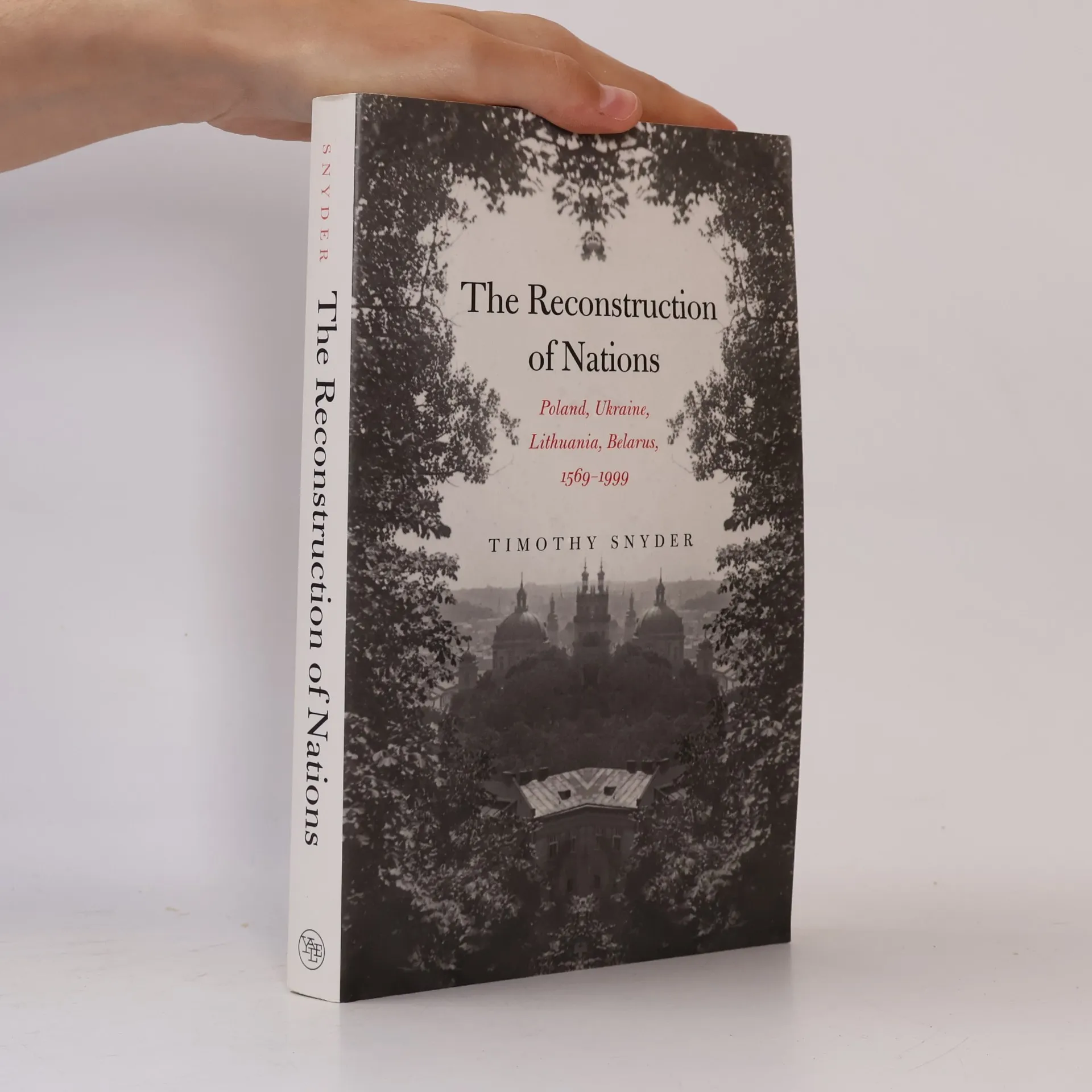
    • The Reconstruction of Nations

      • 384 pages
      • 14 hours of reading

      Timothy Snyder traces the emergence of four rival modern nationalist ideologies from common medieval notions of citizenship.

      The Reconstruction of Nations
      4.3
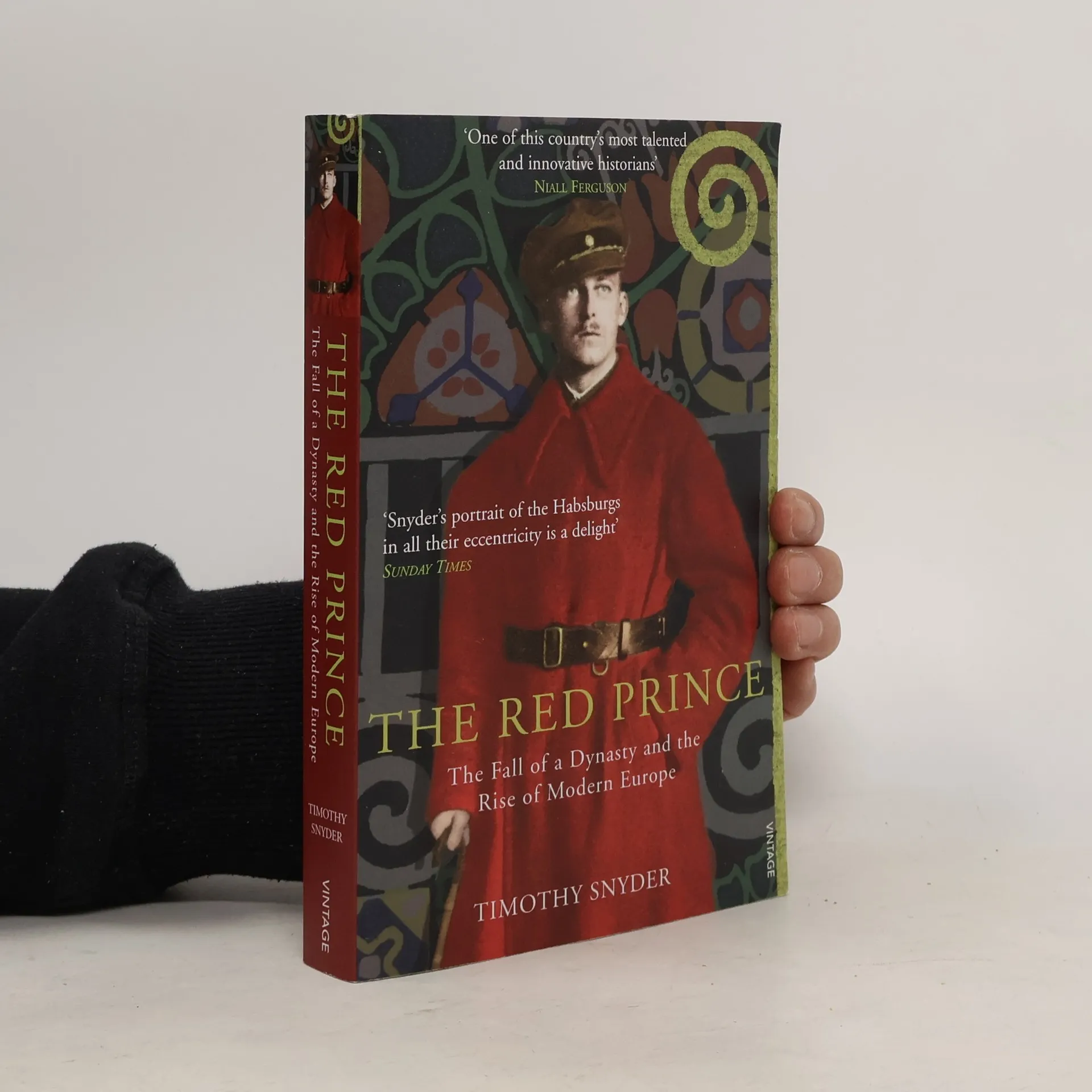
    • The Red Prince

      • 352 pages
      • 13 hours of reading

      In this exhilarating narrative, prize-winning historian Snyder offers an indelible portrait of Wilhelm von Habsburg whose life personifies the wrenching upheavals of the first half of the 20th century, as the rule of empire gave way to the new politics of nationalism. 20 b&w photos and maps.

      The Red Prince
      4.3
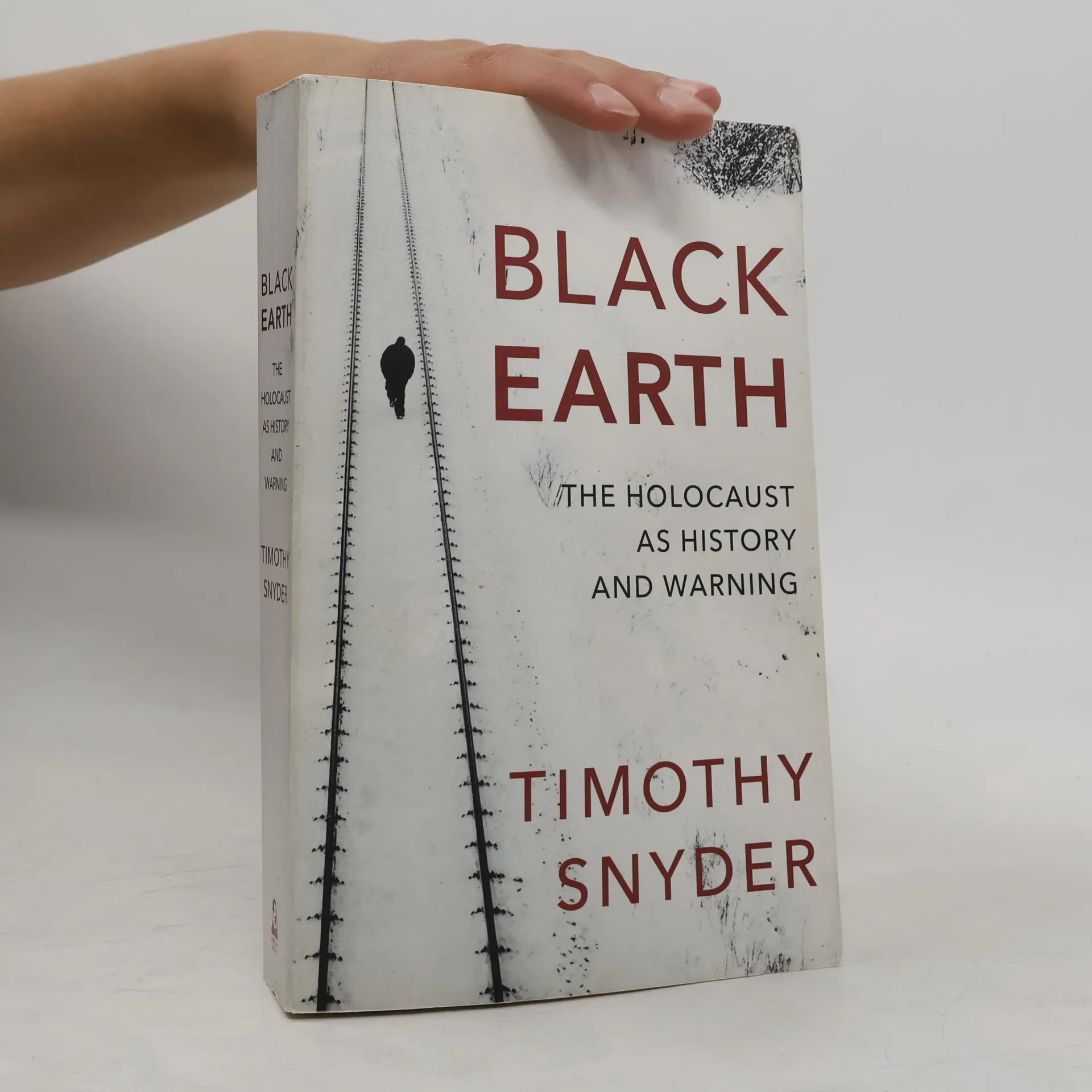
    • Black Earth

      The Holocaust as history and warning

      We have come to believe that the Holocaust was the industrial-style killing of millions of Jews in gas chambers, organised by faceless German bureaucrats working for a totalitarian state. In fact, by the time the first gas chambers were operational in occupied Poland, the vast majority of European Jews were already dead: they had been shot, face to face, over pits in forests and ravines. They had been murdered in lawless killing zones, on the fertile black earth of eastern Europe that the Nazis believed would feed the German people. Today most of us also believe that the Holocaust was a unique event which is unlikely to be repeated. But as Timothy Snyder shows in this authoritative and challenging study, some of our own ideas and beliefs are surprisingly close to the ecological panic that Hitler expressed in the 1920s. We are in danger not to heed that important warning from history. Timothy Snyder's Bloodlands was an acclaimed exploration of what happened in eastern Europe between 1933 and 1945, when between them the Nazis and the Soviets murdered 14 million people. Black Earth is about why it happened.

      Black Earth
      4.3
    • #1 NEW YORK TIMES BESTSELLER • A “bracing” (Vox) guide for surviving and resisting America’s turn towards authoritarianism, from “a rising public intellectual unafraid to make bold connections between past and present” (The New York Times) “Timothy Snyder reasons with unparalleled clarity, throwing the past and future into sharp relief. He has written the rare kind of book that can be read in one sitting but will keep you coming back to help regain your bearings.”—Masha Gessen The Founding Fathers tried to protect us from the threat they knew, the tyranny that overcame ancient democracy. Today, our political order faces new threats, not unlike the totalitarianism of the twentieth century. We are no wiser than the Europeans who saw democracy yield to fascism, Nazism, or communism. Our one advantage is that we might learn from their experience. On Tyranny is a call to arms and a guide to resistance, with invaluable ideas for how we can preserve our freedoms in the uncertain years to come.

      On tyranny : twenty lessons from the twentieth century
      4.2
    • Lived Vocation

      • 192 pages
      • 7 hours of reading

      Lived Vocation is a collection of short reflective essays based on stories of contemporary work. Together these reflections offer a window into the struggle to find meaning at work today. These stories explore how we come to our work and jobs, the hardship and "toil" of our working lives, and the surprisingly small but powerful ways in which God may nonetheless be at work in these stories. Author Tim Snyder What if vocation were less about being certain that you're following God's master plan for your life and more about noticing the presence of God as we tell our stories from everyday life? The book challenges congregational leaders to listen to the stories of actual Christians putting their faith into action. It offers ordinary Christians the assurance that they are not alone in their struggle to make sense of faith in everyday life. The book provides congregational leaders with an accessible window into the lives of ordinary Christians trying to put their faith into action at work. It helps such leaders empathize with the difficulties of integrating faith in everyday life today and inspires them to listen to and tell more stories of their own.

      Lived Vocation
      4.0
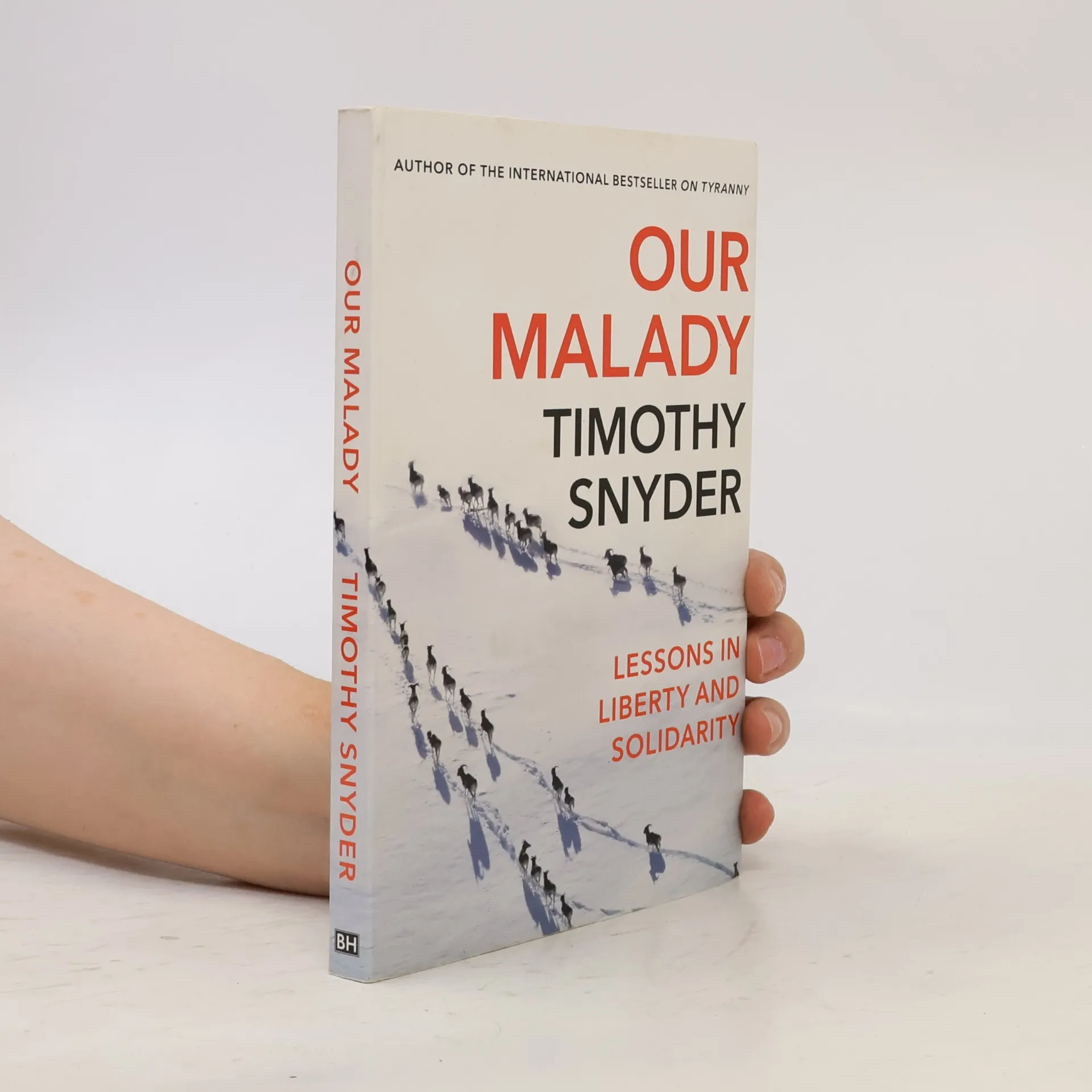
    • Our Malady

      • 192 pages
      • 7 hours of reading

      From the author of On Tyranny comes an urgent diagnosis of an American malady: our heartless system of commercial medicine and our politics of pain. After falling gravely ill on December 29, 2019, historian Timothy Snyder faced a harrowing experience in an emergency room, reflecting on the fragility of health, which is not recognized in America as a human right. This lack of recognition undermines all rights and freedoms. As American hospitals struggle under the weight of coronavirus patients, the federal government's response has been marked by ignorance, misinformation, and profiteering. Even during a public health crisis, thousands of Americans continue to die needlessly each day. In this eye-opening cri de coeur, Snyder examines the societal forces that have led to this crisis and outlines essential lessons for survival. By exploring some of the darkest moments in recent history and his own life, he identifies glimmers of hope and principles that could guide us forward. To create a truly free America, we must enshrine healthcare as a human right, elevate the authority of doctors and medical knowledge, and plan for the future of our children.

      Our Malady
      4.2
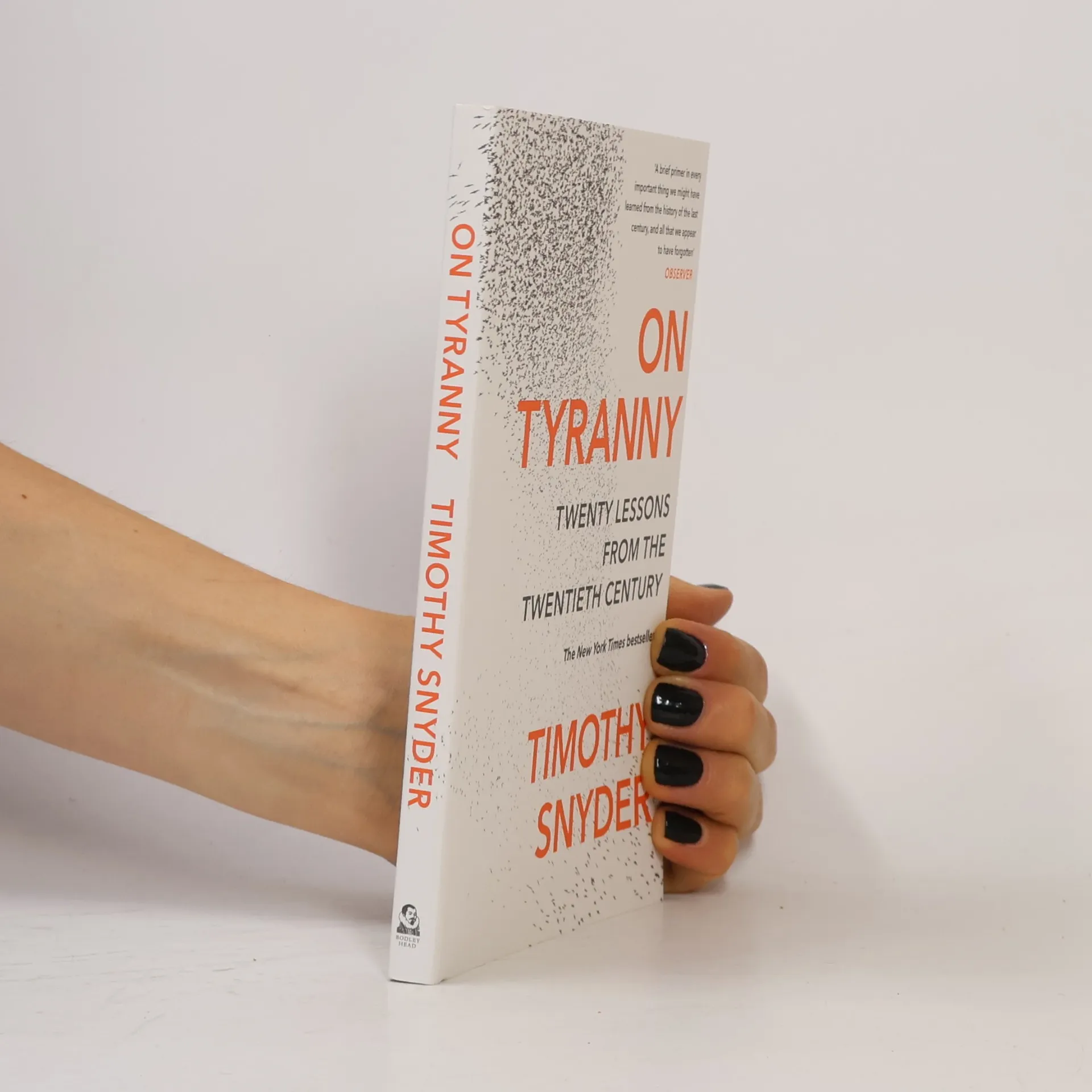
    • On Tyranny

      • 128 pages
      • 5 hours of reading

      **NEW YORK TIMES BESTSELLER** 'A sort of survival book, a sort of symptom-diagnosis manual in terms of losing your democracy and what tyranny and authoritarianism look like up close' Rachel Maddow 'These 128 pages are a brief primer in every important thing we might have learned from the history of the last century, and all that we appear to have forgotten' Observer History does not repeat, but it does instruct. In the twentieth century, European democracies collapsed into fascism, Nazism and communism. These were movements in which a leader or a party claimed to give voice to the people, promised to protect them from global existential threats, and rejected reason in favour of myth. European history shows us that societies can break, democracies can fall, ethics can collapse, and ordinary people can find themselves in unimaginable circumstances. History can familiarise, and it can warn. Today, we are no wiser than the Europeans who saw democracy yield to totalitarianism in the twentieth century. But when the political order seems imperilled, our advantage is that we can learn from their experience to resist the advance of tyranny. Now is a good time to do so.

      On Tyranny
      4.1
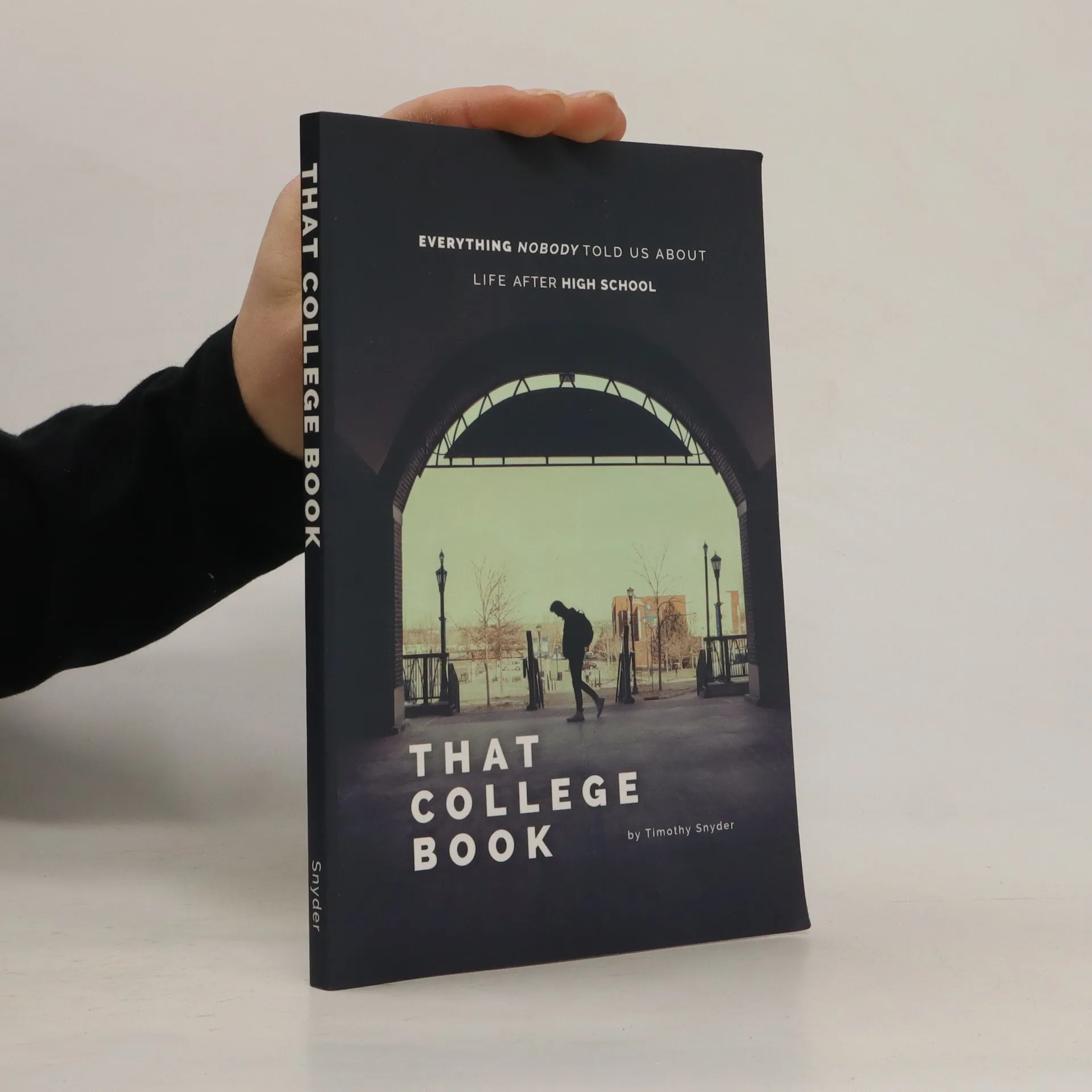
    • That College Book

      • 172 pages
      • 7 hours of reading

      In high school, everyone's talking about college. What to do. Where to go. Why it's important. Classes are given on it. Books are written about it. But details get left out. Every year, college graduates learn this the hard way as they step into adulthood. I was one of them. After earning a four-year degree, I went through two of the worst years of my life. Not that my situation is unique. I am a part of a generation that was told to go to college first and sort out the details later. Most of us did. We chased the promise of a big shiny future, and we ended up being chased by the mistakes of our past. That's not to say we completely regretted going. This book isn't a list of privileged millennial complaints. It's a collection of wisdom gained in less than pleasant ways. It's a story of hardship, failure, victory, and perseverance. It's all of the things we wish someone had told us. And it takes place before college, in college, after college, and without college. This is the wild, painful, awkward, hilarious, depressing, & beautiful journey from youth to maturity. This is the college book that no one ever gave us.

      That College Book
      2.4
    • Der Weg in die Unfreiheit

      Russland, Europa, Amerika

      Der Autor des Weltbestsellers Über Tyrannei schreibt die Chronik einer über uns hereinbrechenden politischen Katastrophe – der Aufstieg autoritärer Regime in Russland, Europa und den USA. Timothy Snyder zeigt in seinem furchtlosen Buch, wie Putins Russland freie Wahlen manipuliert, Fake News verbreitet, Cyberangriffe startet, Schwule verfolgt und rechtsradikale Parteien finanziert – und warum es das tut. Er schildert die beängstigenden Kontakte zwischen russischen Oligarchen und Donald Trump, und er warnt uns vor den Konsequenzen: Wenn wir nicht endlich aufwachen, dann wird die freie Welt vielleicht schon bald Vergangenheit sein.

      Der Weg in die Unfreiheit
      5.0
    • Jedna z najważniejszych książek ostatnich lat w wydaniu graficznym, która oferuje lekcje z najciemniejszych momentów XX wieku. Autor wraca do historii, by przedstawić 20 rad dotyczących oporu wobec tyranii oraz ochrony wolności i prawdy. Podkreśla, że aby przyszłość była wolna od totalitaryzmu, należy wyróżniać się, być dociekliwym i nie dawać się nabrać. Nieustanne poszukiwanie informacji oraz odpowiedzialność za przekazywane wiadomości są kluczowe. Autor, Timothy Snyder, to uznany amerykański intelektualista i historyk, specjalizujący się w Europie Wschodniej i II wojnie światowej. Jest profesorem na Uniwersytecie Yale i autorem piętnastu książek, które zdobyły liczne nagrody, w tym Nagrodę im. Hannah Arendt. Jego prace inspirowały różnorodne formy sztuki, a lekcje z książki są cytowane podczas demonstracji na całym świecie. Współautorką graficznej wersji jest Nora Krug, niemiecko-amerykańska ilustratorka, znana z książki „Belonging”, która zdobyła uznanie krytyków. Krug prowadzi wykłady na temat ilustracji w nowojorskiej Parsons School of Design.

      O tyranii. Dwadzieścia lekcji jak stawiać opór
      4.6
    • O tyranii w.2022

      • 128 pages
      • 5 hours of reading

      Porywający esej wybitnego znawcy historii Europy Środkowej i Wschodniej napisany po zwycięstwie wyborczym Donalda Trumpa. Timothy Snyder analizując zwycięski pochód populizmu w USA i wielu krajach Starego Kontynentu odwołuje się do tragicznych doświadczeń Europejczyków w XX wieku stuleciu naznaczonym krwawym panowaniem nacjonalizmu, faszyzmu i komunizmu.

      O tyranii w.2022
      4.4
    • Droga do niewolności wyd. 2022

      • 464 pages
      • 17 hours of reading

      Wierzyliście, że wolność jest dana raz na zawsze? Myliliście się. Tracimy ją. Tu, teraz. Kolejna książka Timothy Snyder - Droga do niewolności Wierzyliśmy, że koniec zimnej wojny przyniesie ostateczne zwycięstwo demokracji i zapewni wolność przyszłym pokoleniom. Byliśmy naiwni. Autorytaryzm powrócił do Rosji i Putinowska oligarchia bogaczy znalazła sojuszników na całym świecie. Nacjonaliści, separatyści, radykałowie i kasta najbogatszych z pomocą cyberarmii dyktatora z Kremla oraz chciwych zachodnich technokratów potrafią skutecznie zagospodarować niezadowolenie – wydawałoby się – dojrzałych i odpornych na populizm zachodnich społeczeństw. Pierwsze rosyjskie cele zostały osiągnięte: brexit osłabi Unię Europejską, a Donald Trump odwróci wzrok w najważniejszym momencie. Rodzi się pytanie, jaki będzie następny krok. Timothy Snyder wskazywał te zagrożenia w swojej niezrównanej książce O tyranii. Dzięki doskonałej analizie zarówno współczesności, jak i historii przejrzyście uświadamia, dokąd zmierzamy: ku wolności czy oligarchii, ku indywidualizmowi czy totalizmowi, ku prawdzie czy fałszowi. Którą drogą pójdziemy? Odpowiedź znajdziesz w książce Droga do niewolności. Powyższy opis pochodzi od wydawcy.

      Droga do niewolności wyd. 2022
      4.0
    • Over tirannie

      Twintig lessen uit de twintigste eeuw - geïllustreerde editie

      • 128 pages
      • 5 hours of reading
      Over tirannie
      4.2
    • Der König der Ukraine

      • 414 pages
      • 15 hours of reading

      August 1947: Ein hochgewachsener Mann wird am Südbahnhof in Wien von Sowjetsoldaten in ein Auto gezerrt und nach Kiew geflogen. Er wird monatelang verhört, ein Jahr später ist er tot. Sein Name: Wilhelm Franz Joseph Karl von Habsburg-Lothringen. In seiner gefeierten Biographie zeichnet Timothy Snyder das Lebensbild des schillernden Erzherzogs und ein bisher verschwiegenes Kapitel aus der Geschichte der Habsburger. Gegen den Willen seines Vaters, des polenfreundlichen Karl Stefan, wählte sich Wilhelm die Ukraine als Land seiner Sehnsucht, zeitweise gab es sogar Pläne, ihn zum König der Ukraine zu machen. Doch er war kein politischer Stratege, seine Zuneigung war eher romantisch-nostalgisch und ließ ihn immer wieder auch dubiose Bundesgenossen wählen. Dazwischen führte er das Leben eines bisexuellen Bonvivants - bis ihn der Zweite Weltkrieg wieder auf die Bühne der Weltgeschichte zurückführte und schließlich in die Keller von Stalin, wo er sein Ende fand.

      Der König der Ukraine
      3.5
    • O tyranii

      • 128 pages
      • 5 hours of reading

      Porywający esej wybitnego znawcy historii Europy Środkowej i Wschodniej napisany po zwycięstwie wyborczym Donalda Trumpa. Timothy Snyder analizując zwycięski pochód populizmu w USA i wielu krajach Starego Kontynentu odwołuje się do tragicznych doświadczeń Europejczyków w XX wieku – stuleciu naznaczonym krwawym panowaniem nacjonalizmu, faszyzmu i komunizmu.

      O tyranii
      4.1
    • Über Tyrannei Illustrierte Ausgabe

      • 128 pages
      • 5 hours of reading

      "EINE VERHALTENSLEHRE FÜR BÜRGER." JENS BISKY Timothy Snyders Brandschrift "Über Tyrannei" ist 2017 erschienen, aber schon heute ein Klassiker in der Tradition von Hannah Arendt und George Orwell. Kein anderes Buch trifft so sehr den politischen Nerv unserer Zeit, in der überall auf der Welt die Demokratien unter dem Ansturm eines neuen Autoritarismus wanken. Es appelliert an uns alle, sich dieser Entwicklung entgegenzustellen, und präsentiert 20 Lektionen für alle, die jetzt handeln wollen – und nicht erst, wenn es zu spät ist. Nun hat sich Nora Krug, die Schöpferin von "Heimat" und vielfach preisgekrönte Illustratorin, von diesem Text zu einem außergewöhnlichen grafischen Kunstwerk inspirieren lassen. Indem sie Snyders Kombination aus historischen Perspektiven und konkreten Maximen in ihre ganz eigene Bildsprache überträgt, gewinnt das Kultbuch eine völlig neue Dimension – so aufwühlend politisch und ästhetisch faszinierend, dass jede Seite förmlich vibriert von visueller Energie. Nora Krug - eine der besten Illustratorinnen der Welt Timothy Snyder - einer der wichtigsten Intellektuellen unserer Zeit Eines der schönsten deutschen Bücher: Ausgezeichnet von der Stiftung Buchkunst Ausstellung der Originalzeichnungen von Nora Krug im Dialog mit dem Text von Timothy Snyder im NS-Dokumentationszentrum München

      Über Tyrannei Illustrierte Ausgabe
      4.1
    • Timothy Snyder kritisiert in seinem Buch die mangelhafte Reaktion Amerikas auf die Corona-Pandemie und analysiert die Wurzeln des Übels in der profitgetriebenen Gesundheitsversorgung. Er schildert seine eigene Krankheitsgeschichte und warnt vor den Gefahren der Kommerzialisierung der Medizin sowie dem Verlust des Sozialstaats.

      Die amerikanische Krankheit. Vier Lektionen der Freiheit aus einem US-Hospital
      2.0
    • Über Tyrannei

      • 127 pages
      • 5 hours of reading

      Wir sind nicht klüger als die Menschen, die erlebt haben, wie überall in Europa die Demokratie unterging und Faschismus, Nationalsozialismus und Kommunismus kamen. Aber einen Vorteil haben wir. Wir können aus ihren Erfahrungen lernen. "Leiste keinen vorauseilenden Gehorsam." So lautet die erste von 20 Lektionen für den Widerstand, mit denen Timothy Snyder die Bürger der Vereinigten Staaten von Amerika vorbereitet auf das, was gestern noch unvorstellbar zu sein schien: einen Präsidenten, der das Gesicht der Demokratie verstümmelt und eine rechtsradikale Tyrannei errichtet. Doch nicht nur in den USA sind Populismus und autoritäres Führertum auf dem Vormarsch. Auch in Europa rückt die Gefahr von rechts immer näher - als ob es das 20. Jahrhundert und seine blutigen Lehren niemals gegeben hätte. Snyders historische Lektionen, die international Aufsehen erregt haben, sind ein Leitfaden für alle, die jetzt handeln wollen - und nicht erst, wenn es zu spät ist. Lektion 8: "Setze ein Zeichen." Dieses Buch tut es. Tun Sie es auch

      Über Tyrannei
      3.9
    • Über Tyrannei

      Zwanzig Lektionen für den Widerstand (mp3-CD. Ungekürzte Fassung)

      In "20 Lektionen für den Widerstand" vermittelt Timothy Snyder essentielle Erkenntnisse über die Gefahren autoritärer Regime und die Bedeutung des zivilen Widerstands. Ulrich Matthes interpretiert Snyders eindringliche Botschaften, die Leser dazu anregen, sich aktiv für Demokratie und Menschenrechte einzusetzen. Die Lektionen bieten praktische Ratschläge und historische Beispiele, um das Bewusstsein für politische Verantwortung zu schärfen und den Mut zu fördern, gegen Ungerechtigkeiten anzutreten. // Achtung: Falls auf dem Foto keine Anhänge abgebildet sind, sind diese nicht im Lieferumfang enthalten.

      Über Tyrannei
    • Über Freiheit

      • 410 pages
      • 15 hours of reading

      Timothy Snyder, bekannt für seinen Bestseller „Über Tyrannei“, präsentiert in „Über Freiheit“ eine tiefgehende Analyse des Begriffs Freiheit. Er beleuchtet, wie Freiheit oft missverstanden wird und warum sie entscheidend für unser Überleben ist. Das Buch vereint philosophische Schriften, Gespräche und persönliche Erfahrungen zu einem inspirierenden Aufruf für gemeinschaftliche Entfaltung.

      Über Freiheit
    • Digitale Wesen beuten unsere Tendenz zur Selbstüberschätzung aus, fördern unsere falschen Überzeugungen, instrumentalisieren unsere sexuellen Ängste, reduzieren uns auf isolierte Tiere. Timothy Snyder diskutiert die Gefahren, die aus der digitalen Welt erwachsen. Der Historiker Timothy Snyder nimmt den 1950 entwickelten Turing-Test des englischen Mathematikers und Logikers Alan Turing und eine etwa zeitgleich erschienene Kurzgeschichte von Isaac Asimov zum Ausganspunkt, um verschiedenen Konstellationen der Interaktion zwischen menschlichen und digitalen Wesen nachzugehen. Unweigerlich ergeben sich daraus Problemstellungen betreffend Ethik, Freiheit und Wahrheit. Und es stellt sich die grundlegende Frage: Was heißt es, Mensch zu sein? Snyders Zeitdiagnose fällt dabei düsterer aus als die dystopischen Visionen der Science-Fiction-Literatur. Es gibt in unserer Zeit, so der Autor, bereits Ansätze einer digitalen Tyrannei, die sich durch eine systematische Negation der Wahrheit auszeichnet. Sein Fazit: Ohne Festhalten an der Wahrheit und an Fakten lassen sich weder Freiheit noch Demokratie bewahren.

      Und wie elektrische Schafe träumen wir. Humanität, Sexualität, Digitalität
    • Mezi dvěma říšemi, Hitlerovou a Stalinovou, se nacházejí krvavé země. Necelá dvě desetiletí stačila, aby zde v důsledku politiky dvou vůdců zahynulo čtrnáct milionů lidí. Povědomí o událostech třicátých a čtyřicátých let na území dnešního Polska, Ukrajiny, Běloruska a pobaltskýchstátů sice sílí, stále jsou to však jednotlivé události: ukrajinský hladomor po stalinské kolektivizaci, Katyň nebo tzv. konečné řešení židovské otázky. Širokoúhlý záběr Timothyho Snydera je v dějinách daného území novinkou. Sled katastrof, které se tudy prohnaly, nelze vysvětlit na základě jednotlivostí ani dějin jednotlivých národů, nýbrž jedině ze zvláštního postavení těchto zemí v Evropě, z jeho historických příčin, z motivů dvou totalitních ideologií, ze záměrů a metod dvou diktátorů a jejich vzájemných souvislostí. Krvavé země jsou tak první syntetickou monografií, která postihuje v celku souhru těchto nešťastných okolností, jejímž důsledkem byla největší demografická a humanitární katastrofa, jakou kdy člověk v lidských dějinách způsobil. Kniha vychází ve spolupráci s nakladatelstvím Prostor.

      Krvavé země. Evropa mezi Hitlerem a Stalinem.
      4.8
    • Intelektuál ve dvacátém století

      • 416 pages
      • 15 hours of reading

      Tony Judt patří mezi nejzajímavější světové myslitele posledního půlstoletí. Málokdo uvažoval tak hluboce a inspirativně o otázkách demokracie, totalitních režimů, holokaustu či o dějinné roli veřejných intelektuálů. V rozhovoru se svým přítelem a kolegou Timothym Snyderem mapuje historii moderních politických idejí a představ o vládě a spravedlnosti, jak je chápali liberální, socialističtí, komunističtí, nacionalističtí a fašističtí intelektuálové od konce 19. do počátku 21. století. Zamýšlí se nad povinnostmi intelektuálů v politice i nad jejich morálními selháními. Kniha přibližuje život historika Tonyho Judta a zároveň je fascinujícím dialogem o hledání pravdy a možností společenské obrody.

      Intelektuál ve dvacátém století
      4.6
    • Kniha v dialogické formě zkoumá dějiny moderních politických idejí a představ o vládě a spravedlnosti, jak je vnímali liberální, socialističtí, komunističtí, nacionalističtí a fašističtí intelektuálové od konce 19. století až do počátku 21. století. Zároveň slouží jako intelektuální životopis Tonyho Judta a zkoumá pravdu, možnosti společenské obrody a morální selhání intelektuálů v politice. Každá kapitola se skládá z biografické a historické části, přičemž kniha pokrývá Judtův intelektuální život a klíčové momenty politického myšlení 20. století, jako jsou holocaust, sionismus, anglický izolacionismus, francouzský univerzalismus, marxismus, fašismus, antifašismus, renesance liberalismu ve východní Evropě a sociální plánování v Evropě a USA. Timothy Snyder, autor knihy o stalinském a nacistickém teroru ve východní Evropě, a Tony Judt, který udržoval kontakty s polskými a českými disidenty a naučil se česky, mají blízký vztah k tomuto regionu. Rozhovor vznikal od začátku roku 2009, kdy Judt trpěl amyotrofickou laterální sklerózou, což vedlo k postupné paralýze. Jak uvádí Snyder, „není to kniha o zápase. Je to kniha o životě pozorného ducha a životě duchovní pozornosti.“

      Intelektuál ve dvacátém století : rozhovor Timothyho Snydera s Tonym Judtem
      4.5
    • Liberální demokracie není absolutním vítězem studené války a ohlášený konec dějin se nekoná. Vladimir Putin se opevnil ve své mocenské pozici a fašistické představy o potřebě pevné ruky začínají ve světě opět rezonovat. Rusko vede kybernetickou válku v Evropě a Spojených státech, využívá svých nových spojenců mezi nacionalisty, radikály a oligarchy, aby snižovalo důvěryhodnost demokratických institucí. Výsledkem současného trendu jsou brexit, Donald Trump, všeobecný vzestup populismu a čím dál patrnější zranitelnost západní společnosti. Na základě velkoryse pojatého výzkumu a prostřednictvím událostí poslední doby v Rusku, na Ukrajině, v USA i v Evropě ukazuje Snyder podstatu hrozícího nebezpečí. Pomáhá porozumět, proč jsou tradiční politické ctnosti prospěšné a kterou z nabízených možností bychom si měli zvolit: rovnost, nebo oligarchii, individualitu, nebo totalitu, pravdu, nebo lež. Ohromující svědectví o vzestupu autoritářství jde hlouběji než novinové titulky a nabízí nám cestu ven ze všeobecné nejistoty.

      Cesta k nesvobodě : Rusko, Evropa, Amerika
      4.5
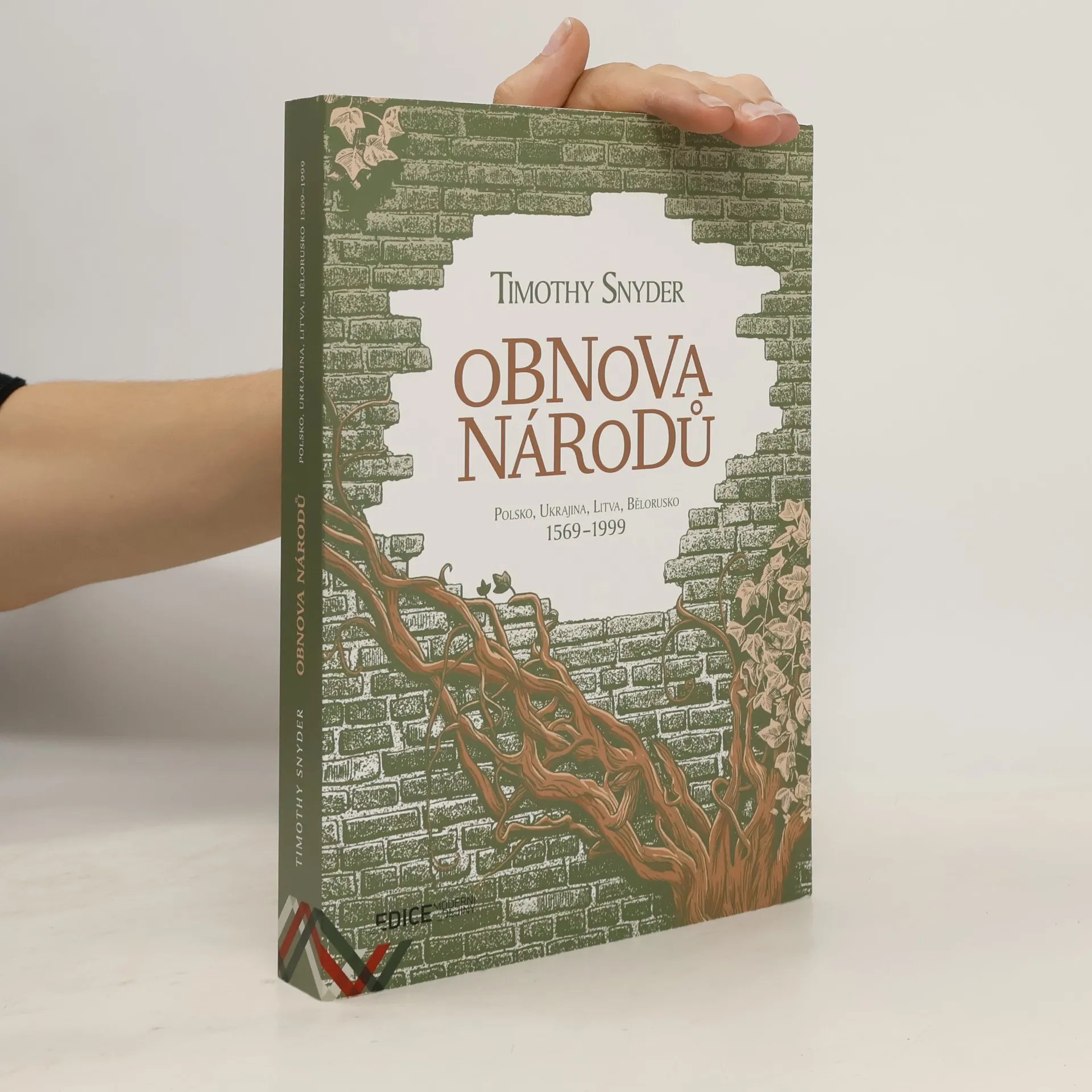
    • Kniha je jedinečnou a přesvědčivou studií historického vývoje etnických národů založeného na jazyce a identitě. Týká se čtyř východoevropských zemí. Timothy Snyder tvrdí, že „Tématy této knihy jsou transformace národních idejí, příčiny etnických čistek a podmínky národního smíření”. Tato témata Snyder vysvětluje tak, že líčí složitě propletené příběhy Polska, Ukrajiny, Litvy a Běloruska a jejich společné kořeny v raně moderním státě: Polsko-litevské unii (1569–1795), kde základy politické identity tkvěly ve sdílené kultuře a občanských právech. Kdy a jak vznikají moderní národy? Proč dochází k etnickým čistkám? Jak mohou národní státy nastolit mír? Tyto a mnohé další otázky si klade kniha Timothyho Snydera Obnova národů a pokouší se na ně opovědět na příkladu někdejší Polsko-litevské unie. Ta vznikla v roce 1569, kdy slovo „národ“ znamenalo něco podstatně jiného než dnes. V Polsko-litevské unii se hovořilo různými jazyky, vládla tam náboženská tolerance, fungoval tam parlament. Vytvořila však – anebo trvale uchovala – také jazyky, náboženství a mýty, které dnes vnímáme jako ukrajinské, běloruské či ruské. Autor nás provádí staletími a událostmi, mnohdy strašlivými a krutými, plnými nenávisti, aby na konci druhého tisíciletí dospěl k branám jiného nadstátního útvaru: Evropské unie.

      Obnova národů : Polsko, Ukrajina, Litva, Bělorusko 1569-1999
      4.6
    • Politika života a smrti

      • 173 pages
      • 7 hours of reading

      Kniha textů amerického historika a laureáta sedmnácté Ceny VIZE 97 pro rok 2016, který ji získal za nadčasovou reflexi historických událostí moderních dějin. Autor je profesorem na Yaleově univerzitě, kde se věnuje dějinám střední a východní Evropy. V knize naleznete eseje, které jsou autorovou reakcí a doplnění bestselleru Krvavé země. Tématem knihy jsou netradiční úvahy o holocaustu, na téma Stalin a Hitler, fašismus, historický vývoj Ukrajiny a obecnější stati o paměti, kolektivní paměti a paměti suverenity. Dále je kniha doprovozena životopisem, autorovým doslovem a soupisem všech jeho publikací. Nadace Dagmar a Václava Havlových VIZE 97 - Knihovna ceny, svazek 17.

      Politika života a smrti
      4.6
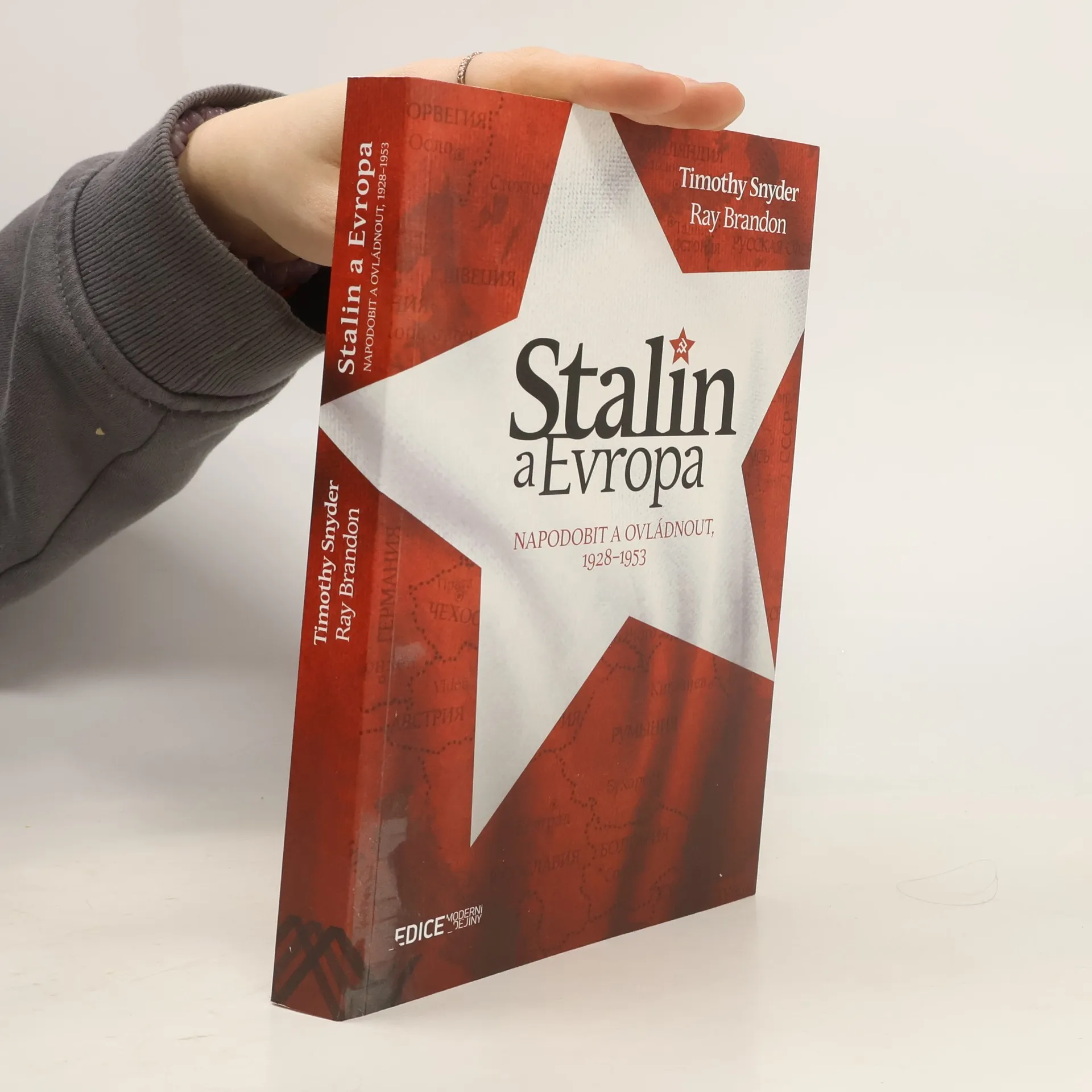
    • Studie významných historiků a historiček, které v této knize shromáždili Timothy Snyder a Ray Brandon, přibližují různé etapy cesty, kterou Sovětský svaz za vlády Josefa Stalina prošel. Nejprve se diktátor snažil připodobnit zaostalou sovětskou říši Evropě – například za cenu obrovských obětí během několika let odnaučit miliony Kazachů kočovat a přimět je k usedlému životu. Po vítězství v kruté válce s Hitlerem si Stalin usiloval podmanit tu část Evropy, kam dorazila sovětská vojska, a připodobnit ji sovětské říši. Sovětský svaz byl největším státem na světě, jeho represivní moc a strašné ambice byly nejzřetelněji realizovány v Evropě. Pod vedením Josepha Stalina, od 1928 k 1953, Sovětský svaz transformoval sebe a pak všechny evropské země, se kterými přišel do kontaktu. Tato kniha se zabývá každým aspektem setkání Stalina s Evropou: pokus o vytvoření evropského státu urychlením evropského modelu průmyslového rozvoje v SSSR; masové vraždy v očekávání války proti evropským mocnostem; skutečný kontakt s největší silou Evropy, nacistickým Německem, nejprve jako spojenec a pak jako nepřítel; čtyři roky války hlavně na sovětském území, které přinesly miliony mrtvých, včetně velké části holocaustu; a konečně znovuobnovení sovětského systému, nejen na předválečném území SSSR, ale také na západní Ukrajině, v západním Bělorusku, v pobaltských státech, Polsku, Československu, Rumunsku, Maďarsku, Bulharsku a východním Německu.

      Stalin a Evropa : Napodobit a ovládnout, 1928-1953
      4.6
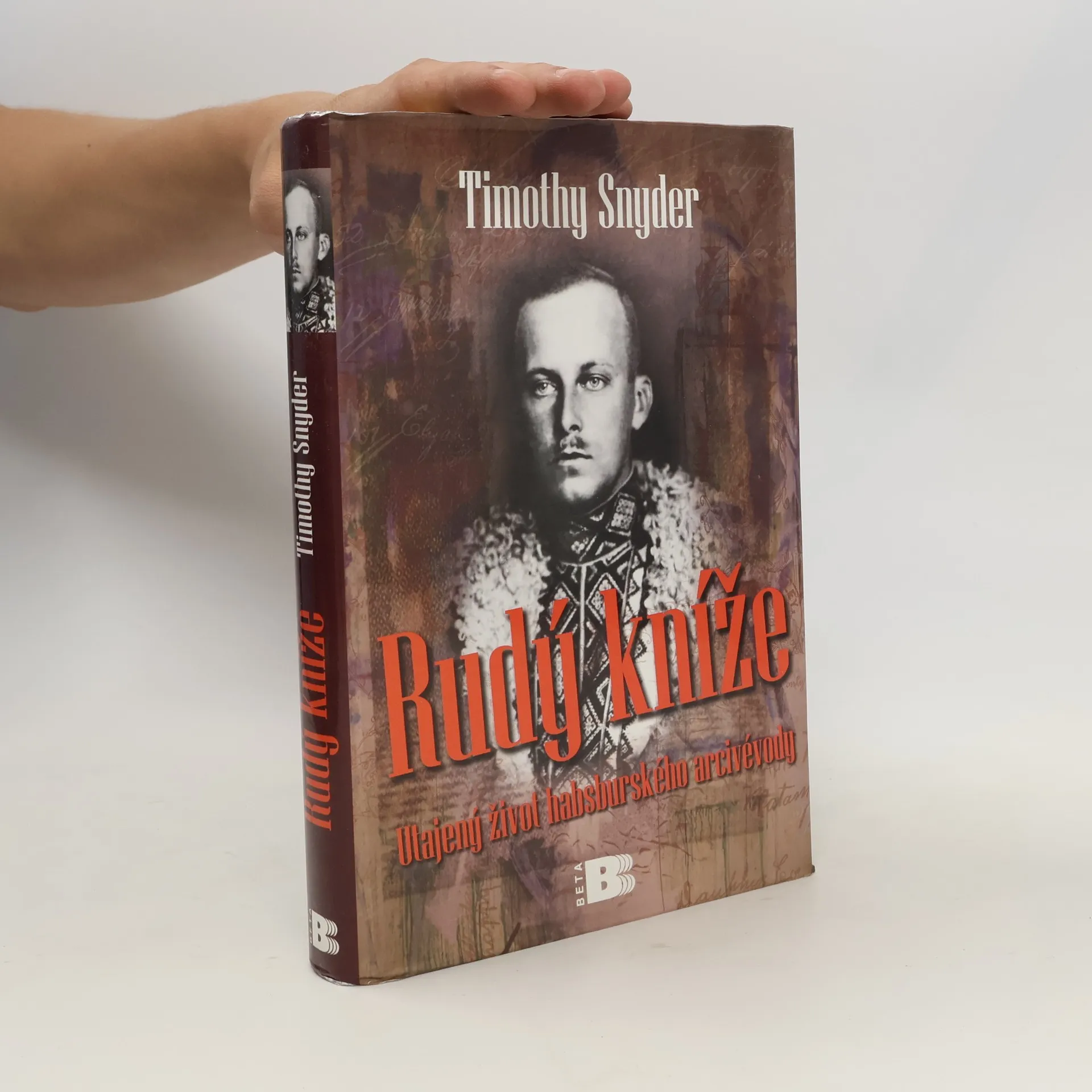
    • Podnázev: utajený život habsburského arcivévody Životopis Viléma Habsburského, aristokrata z vedlejší větve habsburského rodu, osobnosti úzce spojené s ukrajinským národním hnutím. Dramatické životní osudy Habsburka vylíčil autor na pozadí složité evropské historie 1. poloviny 20. století. Vilém Habsburský se celoživotně upnul k projektu ukrajinské korunní země v čele se zástupcem habsburského rodu. Kniha amerického historika, specialisty na moderní dějiny střední Evropy, zasazuje poněkud dobrodružnou životní pouť hlavního protagonisty do širokých a zajímavých souvislostí doby, kdy se rozpadaly velké říše na národní státy. Vilém, jehož rodiče se roku 1908 usadili v Polsku, se účastnil jako důstojník habsburské armády první světové války na východní frontě, po ztroskotání svého ukrajinského plánu pobýval ve 20. a 30. letech v kosmopolitních metropolích západní Evropy. Zemřel roku 1948 ve vězení na západní Ukrajině, kde si měl podle rozhodnutí sovětských soudů odpykat pětadvacetiletý trest.

      Rudý kníže: Utajený život habsburského arcivévody
      4.4
    • Tyranie

      20 lekcí z 20. století

      • 120 pages
      • 5 hours of reading

      Jeden z předních intelektuálů současnosti, historik Timothy Snyder, přichází po velkých historických pracích Krvavé země a Černá zem s příspěvkem k aktuální debatě o dalším osudu liberální demokracie. Dvacet lekcí z evropských dějin 20. století ukazuje, že kolaps společnosti, demokracie a morálky i naše osobní selhání v podmínkách politických krizí nejsou nic nepředstavitelného. Naši rodiče a prarodiče, vedeni iracionálními mýty fašismu, nacismu a komunismu, budovali zdi proti znepokojivým globálním hrozbám. Určitě nejsme chytřejší než oni, máme však výhodu, že se z jejich zkušenosti můžeme poučit a nastupujícím tyraniím včas vzdorovat. Podle Snydera je k tomu teď, v podmínkách současného politického vývoje v Americe i v Evropě, ta pravá chvíle.

      Tyranie
      4.3
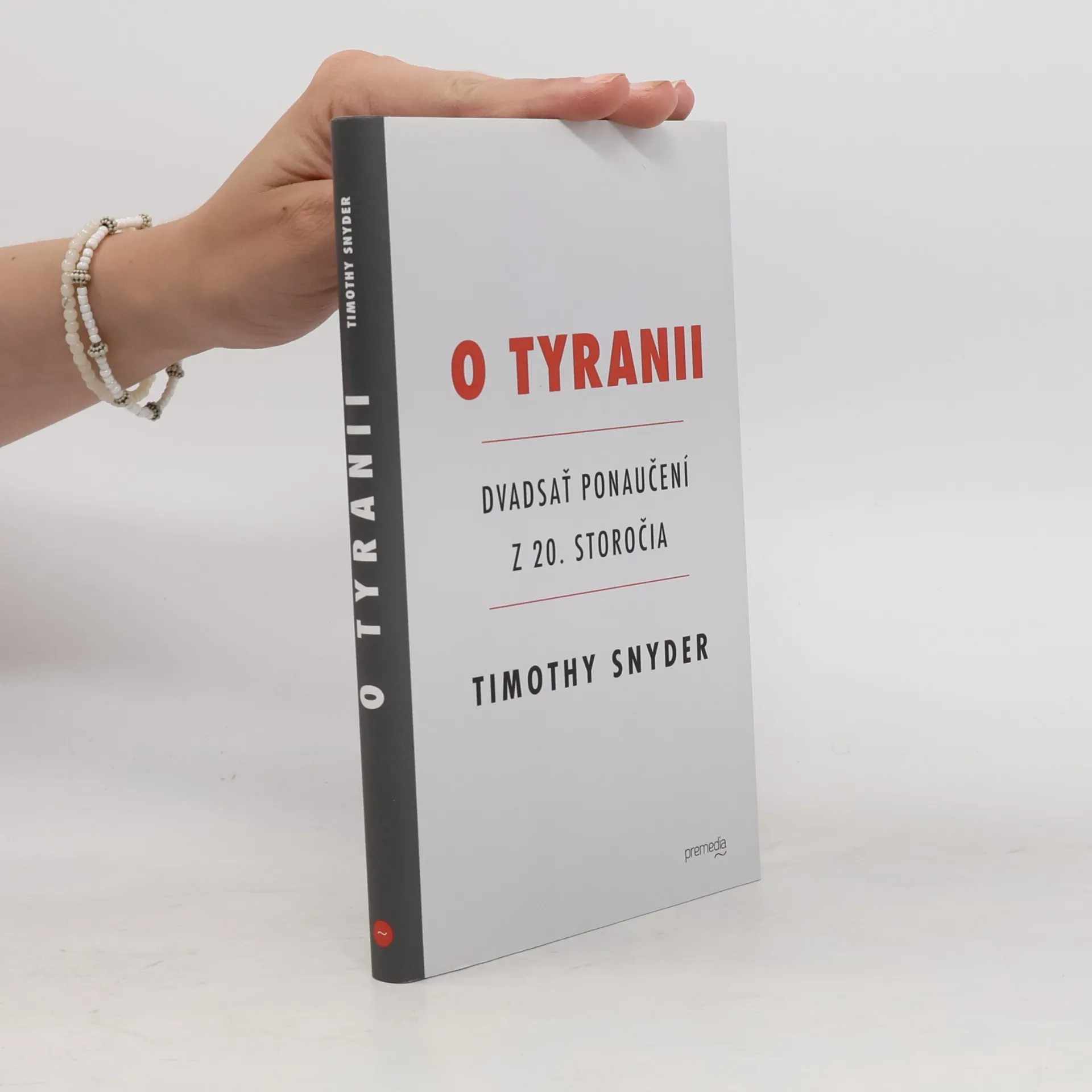
    • Náčrt knihy s podtitulom „Dvadsať ponaučení z 20. storočia“ vznikol ako dlhý facebookový status, napísaný v lietadle krátko po amerických voľbách. Autor, významný znalec novodobých dejín strednej a východnej Európy, varuje pred opakovaním chýb z minulosti. Počas predchádzajúceho turné si uvedomil, ako rýchlo Američania zabudli na historické udalosti, ako sú hrôzy stalinizmu, a zamyslel sa nad tým, na čo všetko sme ešte zabudli. Tvrdí, že je dôležité pamätať si udalosti z tridsiatych rokov a zabrániť demontáži právneho štátu. Dnešní autoritári používajú rovnaké taktiky ako ich predchodcovia, zahlcujú verejnosť zlými správami, aby vyvolali depresiu a rezignáciu. Autor poukazuje na to, že dejiny sa posúvajú z východu na západ, a preto sa viackrát odvoláva na československé dejiny a osobnosti z tohto regiónu. Hoci sa história neopakuje, ponúka ponaučenia. V dvadsiatom storočí európske demokracie podľahli fašizmu, nacizmu a komunizmu, pričom vodcovia sľubovali ochranu pred hrozbami. Rozumné uvažovanie nahradil mýtus. Historické skúsenosti ukazujú, že demokracie môžu padnúť a bežní ľudia sa ocitnú v neočakávaných situáciách. Dnes nie sme múdrejší ako Európania, ktorí sledovali úpadok demokracie, ale môžeme sa poučiť a bojovať proti tyranii.

      O Tyranii - Dvadsať ponaučení z 20. storočia
      4.3
    • Útlá, esejistická knížka Timothyho Snydera Tyranie vyvolala před pár lety značný rozruch, záhy se vyšplhala mezi bestsellery The New York Times a vyšla ve více než čtyřiceti jazycích. Autor titulů Krvavé země a Černá zem, zabývajících se holokaustem a masovými vraždami v nacistickém Německu a Sovětském svazu, v ní popsal začátky totalitních režimů. I kdyby jedenáctkrát výslovně nezmínil Donalda Trumpa, bylo zjevné, proč knihu napsal: Trumpův nástup k moci považoval za nebezpečí srovnatelné s fašismem, komunismem či nacismem 20. století. Snyderových dvacet lekcí z evropských dějin 20. století ukazuje, že kolaps společnosti, demokracie a morálky i naše osobní selhání v podmínkách politických krizí nejsou nic nepředstavitelného. Na rozdíl od našich rodičů a prarodičů však máme výhodu, že se z jejich zkušenosti můžeme poučit a nastupujícím tyraniím včas vzdorovat. Nové, ilustrované vydání Tyranie dává dílu další rozměr a sílu. Renomovaná německo-americká ilustrátorka Nora Krugová ho svým vynalézavým výtvarným stylem mění ve vizuálně působivé zamyšlení.

      Tyranie : dvacet lekcí z 20. století v obrazech
      4.3
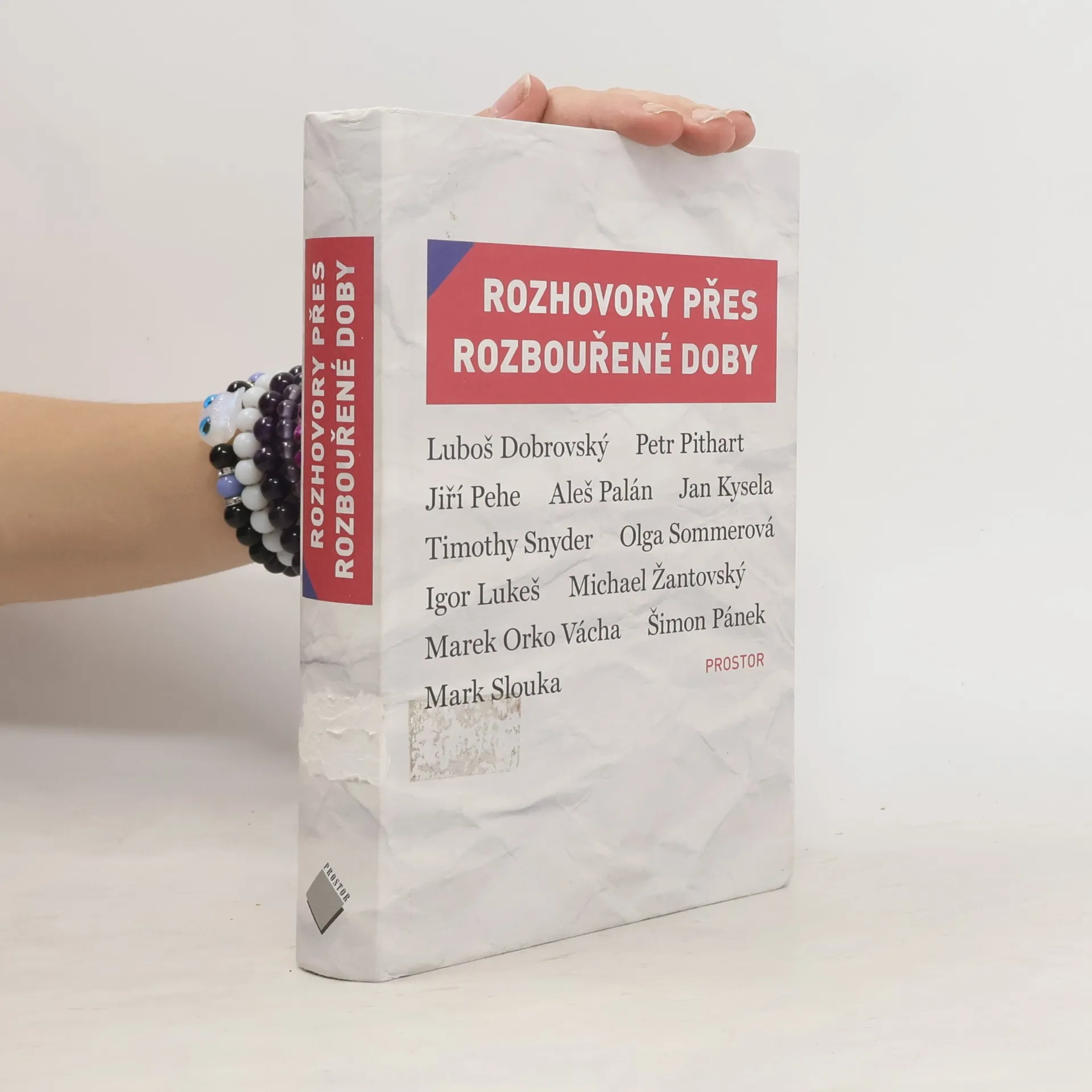
    • Jak se proměnil prostor svobody v naší zemi za posledních třicet let? Jaký je stav společenské a osobní svobody? Kniha dvanácti rozhovorů s významnými osobnostmi politického a kulturního života reflektuje „prostor svobody“ v současné české společnosti. Účastníci mají blízký vztah k demokratizaci státu, někteří se na ní přímo podíleli. Mezi nimi jsou disidenti a politici jako Luboš Dobrovský a Petr Pithart, novinář Aleš Palán, ústavní právník Jan Kysela, profesor historie Igor Lukeš, aktivista Šimon Pánek, politický komentátor Jiří Pehe, spisovatel Mark Slouka, historik Timothy Snyder a dokumentaristka Olga Sommerová. Přírodovědec a kněz Marek Orko Vácha se zaměřuje na lékařskou etiku a otázky svobody, zatímco Michael Žantovský, zakládající člen Občanského fóra, byl poradcem prezidenta Václava Havla. Rozhovory se uskutečnily u příležitosti třicátého výročí sametové revoluce a založení nakladatelství PROSTOR, přímého nástupce samizdatové edice. Autory rozhovorů jsou novináři Eva Bobůrková, Jiří Leschtina, Petr Placák a Petr Vizina. Kniha je doplněna bohatým fotografickým materiálem.

      Rozhovory přes rozbouřené doby
      4.1