

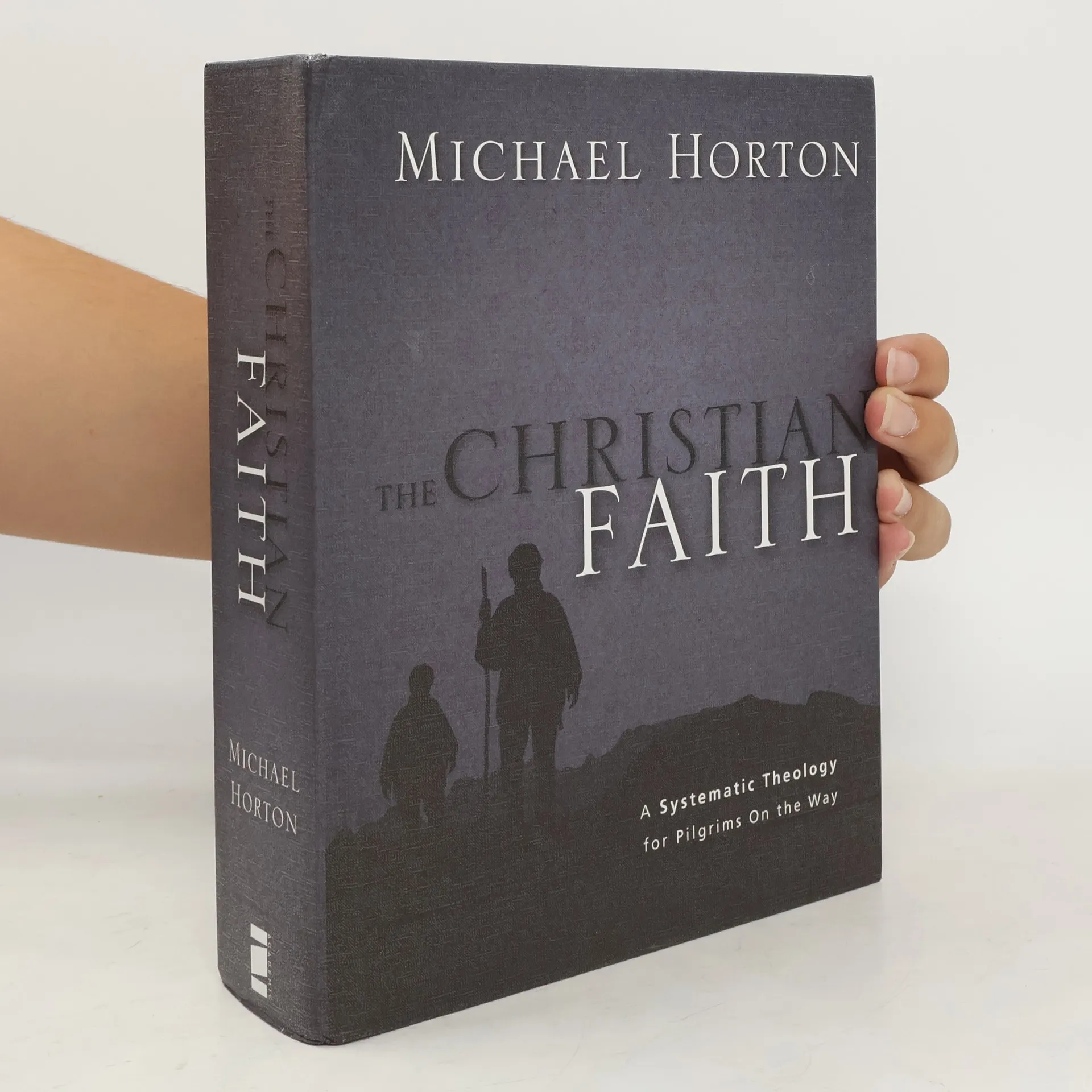
Theology—the study of God—is a concern for every believer, not just theologians or those in ministry. It's the goal of good theology to humble us before the triune God of majesty as we come to understand him better. This is a book of and about good theology . Award-winning author, theologian, and professor Michael Horton wrote The Christian Faith as a book of systematic theology and doctrine "that can be preached, experienced, and lived, as well as understood, clarified, and articulated." It's written for a growing cast of pilgrims—in ministry and laity—who are interested in learning about Christ as a way of living as a Christian. Who understand that knowing doctrine and walking in practical Christianity are not competing interests. The Christian Faith is divided into six parts, five of which each focus on an aspect of God, while the first part sets up an understanding and appreciation for the task of theology itself, addressing topics In a manner equally as welcoming to professors, pastors, students, and armchair theologians; Horton has organized this volume in a readable fashion that includes a variety of learning At the heart of this book is a deep love for and curiosity about God. Its basic argument is that a personal relationship with God goes hand in hand with the pursuit of theology. It isn't possible to know God without studying him.
Michael Horton Book order (chronological)
Dr. Horton is a theologian and apologist deeply engaged with the exploration of Reformation theology in American Christianity. His academic contributions are significantly enriched by his leadership roles, serving as president of White Horse Inn and co-hosting a national radio talk-show, alongside his work as editor-in-chief of Modern Reformation magazine. His extensive research background, including a fellowship at Yale University Divinity School, provides a foundation for his prolific writing on Reformed dogmatics. Through his body of work, Dr. Horton offers profound insights into theological complexities and their contemporary significance.

Four Views on Eternal Security
- 304 pages
- 11 hours of reading
Exploring the debate over eternal security, this volume presents four distinct theological perspectives: classical Calvinist, moderate Calvinist, reformed Arminian, and Wesleyan Arminian. Each contributor articulates their view on whether salvation can be lost, followed by critiques and defenses from other scholars. This respectful exchange allows readers to evaluate the strengths and weaknesses of each position. As part of the Counterpoints series, it provides a scholarly platform for understanding complex issues in Christian theology.