Enjoy these 40 expertly crafted micro-RPGs that are fast, fun, easy to learn,
and come in a variety of genres-from space exploration to jungle dungeon
crawlers-everything you need to pick up and play today.
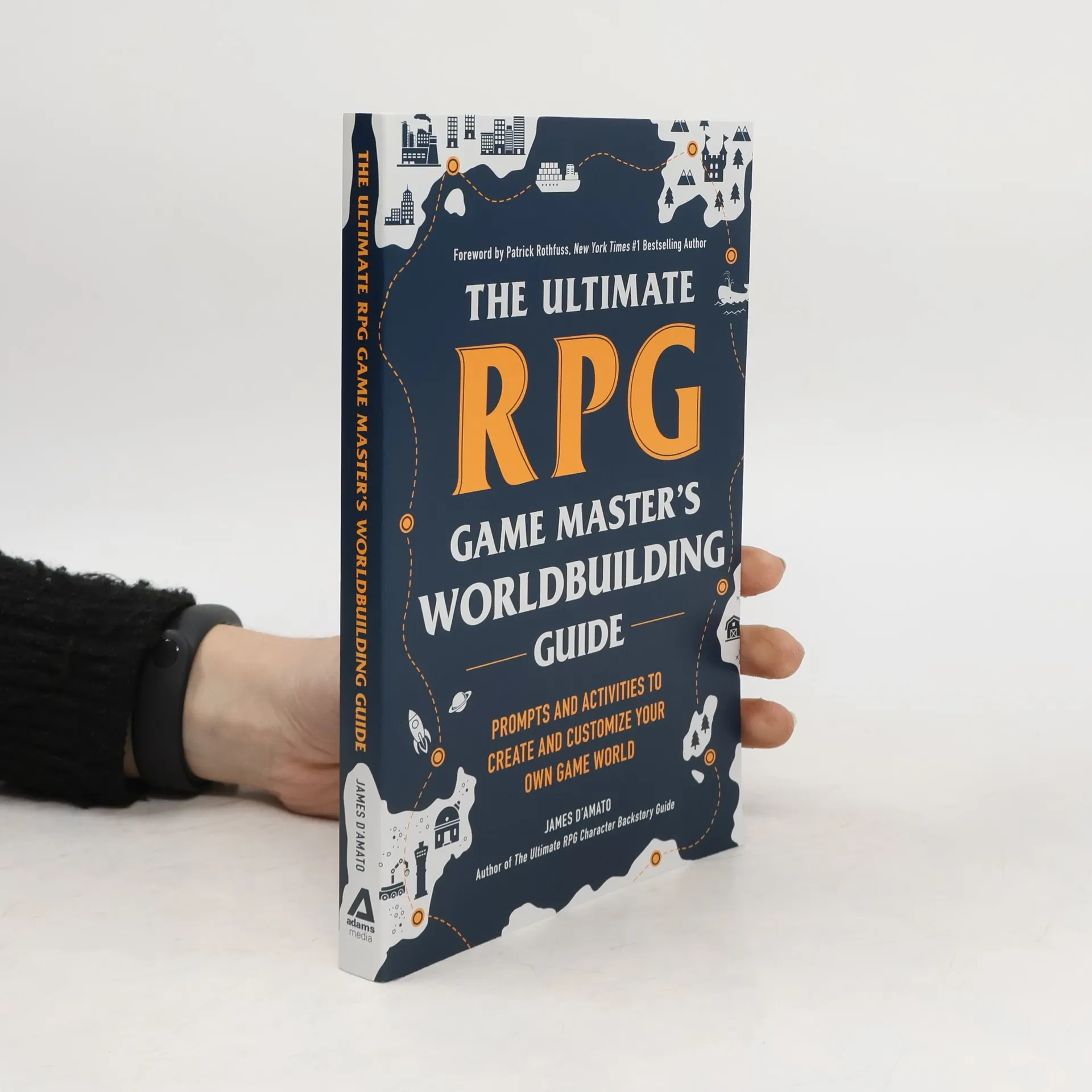
Prompts and Activities to Create the Most Interesting Story for Your Character
272 pages
10 hours of reading
Ramp up your role-playing game (RPG) and make your character your own with this fun, interactive workbook—an essential addition to any player’s gaming kit. You’ve chosen your class, bought your weapons, and rolled for your stats, and you’re now the proud owner of your own RPG (role-playing game) avatar. But before you begin your adventure, there’s so much more you can do with your character to make him or her your own! Just how evil is she? What does his dating profile look like? Where did she get that scar? What does he want for his birthday? With fill-in-the blank narratives, prompts, and fun activities to help you customize your character at the start of the game, or build out your backstory as you play, The Ultimate RPG Character Backstory Book will help you fully imagine your character and bring them to life for the ultimate gaming experience!
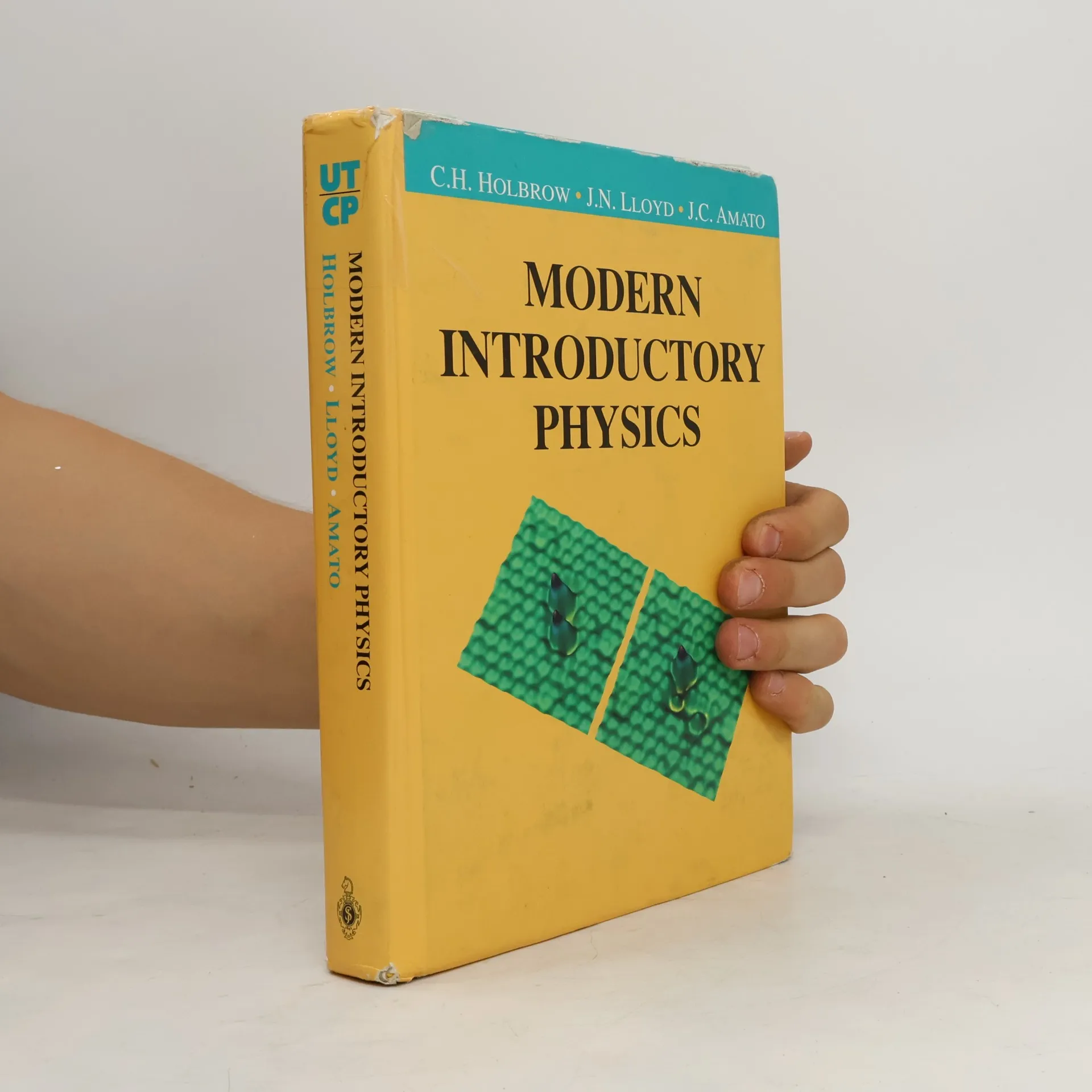
This novel text structures a one-semester course of introductory physics around the question: "Why do we believe in atoms and their properties?" Its theme is thus much of 19th and 20th century physics, but it also connects these topics to classical physics. The treatment emphasizes quantitative reasoning and analysis: how are the ideas of physics inferred from the data, and how are the data acquired? After a brief review of the basic terminology of mechanics, the book begins by introducing the atoms of chemistry: elements, compounds, chemical reactions, valence. It then turns to the physicist's hard- sphere atoms: ideal gases, pressure, temperature, viscosity. The first hint of subatomic structure comes from the discovery of the electron, and the discussion thus turns to electricity, magnetism, light, and x- rays. This leads in turn to waves and relativity. The internal structure of the atom (i.e. the nucleus) was discovered in the early part of the 20th century, and the book concludes with the modern insights into the atom: photons radioactivity, the particle/wave duality, quantum mechanics, the Bohr model, and closes the circle back to the chemist's atom with Moseley's law and the periodic table. A large number of problems, some of them based on computer spreadsheets, as well as laboratory exercises serve to clarify students' understanding.