This author focuses in his work on a deep exploration of the human psyche and the complexity of interpersonal relationships. His style is characterized by precise work with language and a penetrating insight into character motivations. Through his writing, he strives to reveal hidden truths about our existence and the complexity of the world around us. His works offer readers stimulating thoughts and powerful emotional experiences.
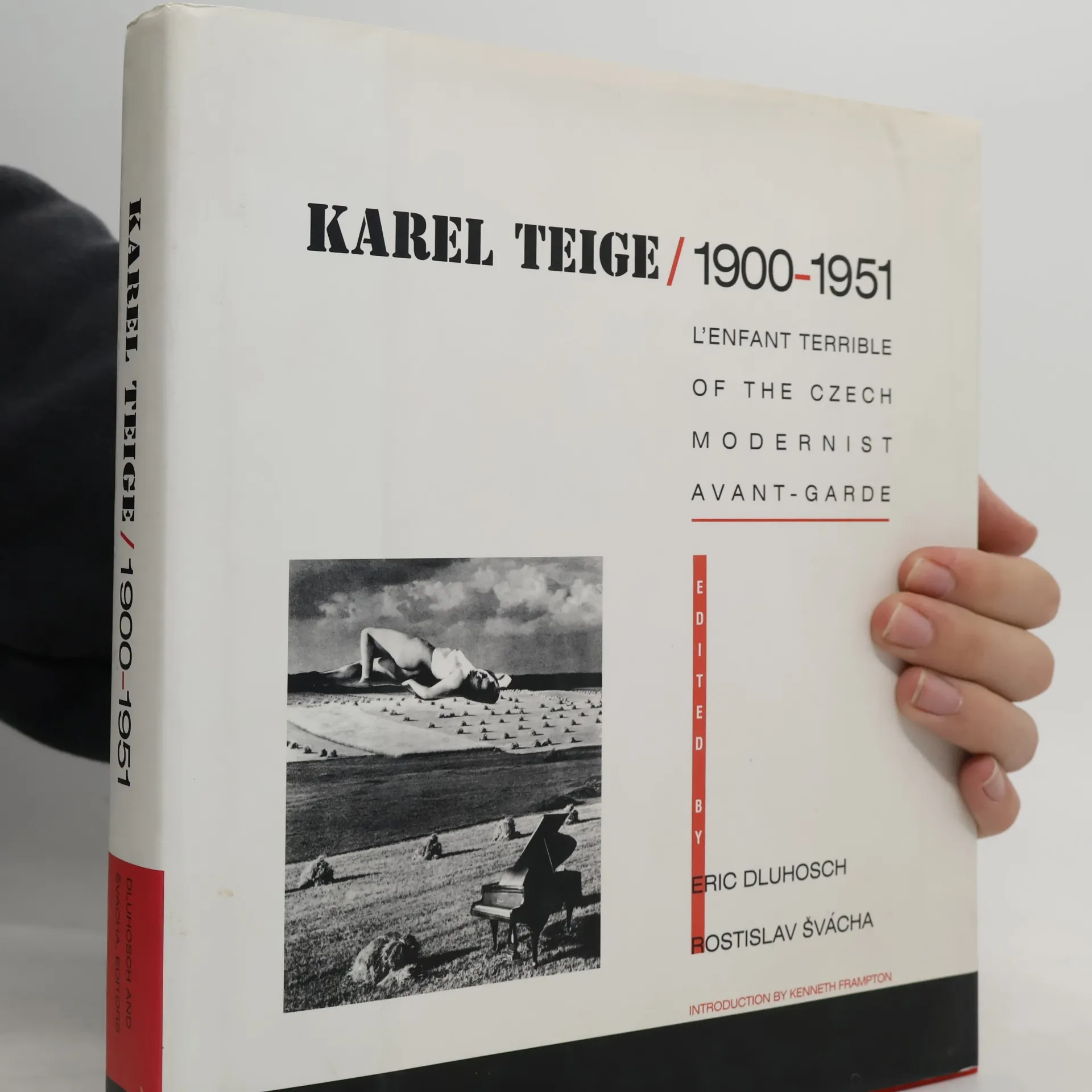
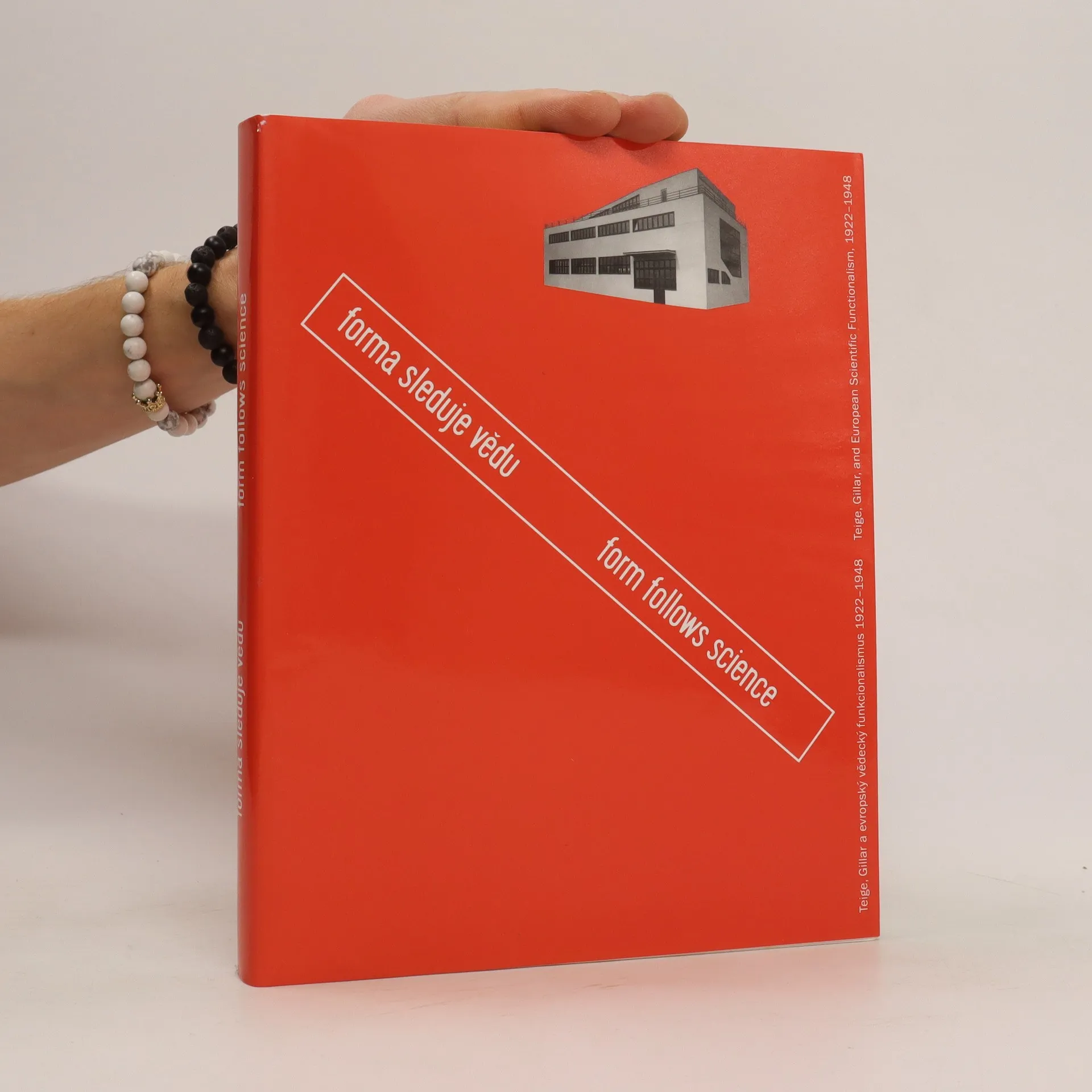
"When the Communists took over Czechoslovakia in 1948. Teige was first hailed as a progressive, then denounced for not toeing the party line - even though he was never a card-carrying member of the Communist Party. He died a broken man, forbidden to speak out or to publish. Since the recovery of his work after the "velvet revolution" of 1989, his legacy has been revived not only in Prague but also in Western Europe and the United States."--BOOK JACKET.
Vyzdvižením zvonu bývalého plynojemu o 1492 centimetrů byl učiněn rozhodující krok, díky němuž mohla být vybudována multifunkční aula GONG. Ocelové srdce opět ožilo. Anglické vydání.
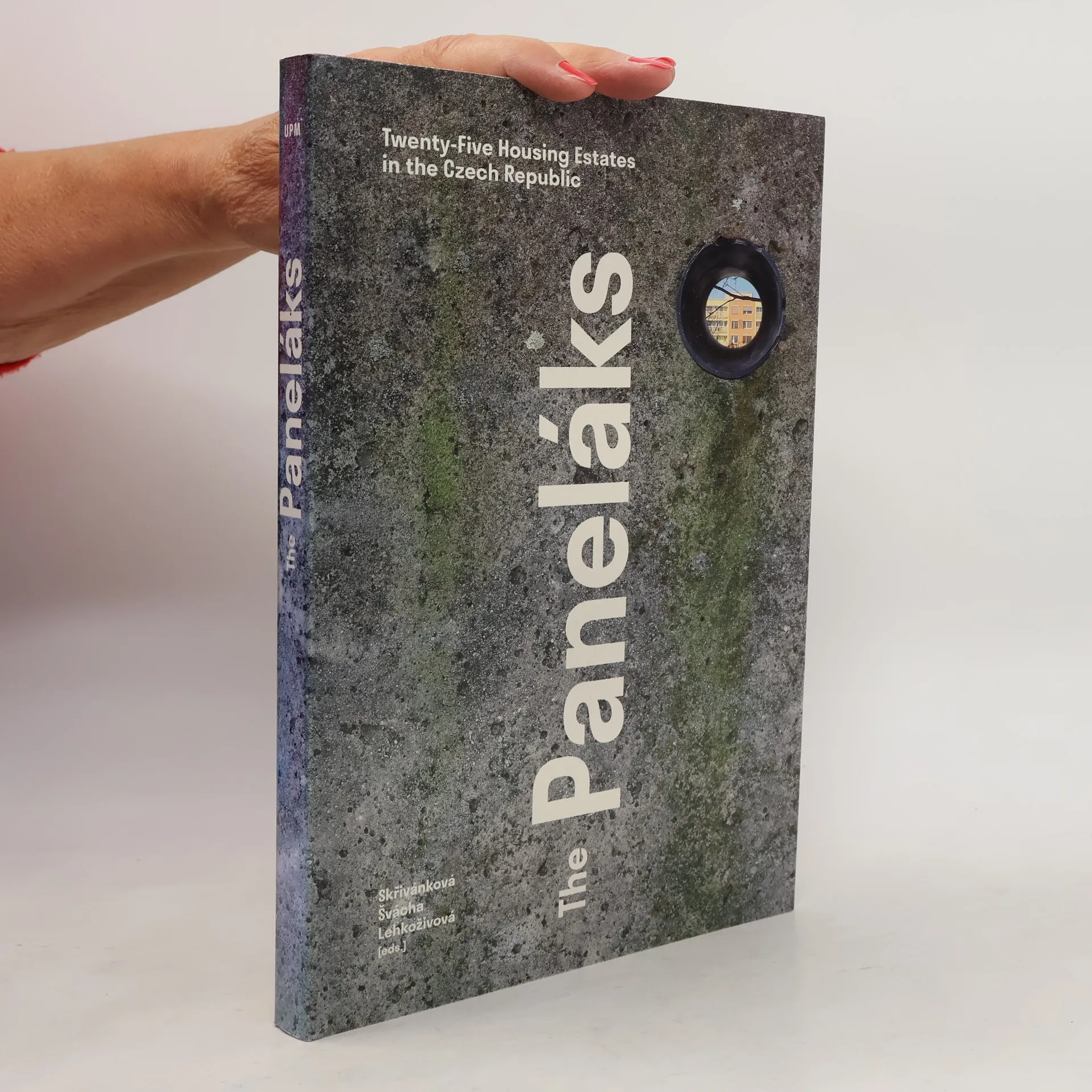
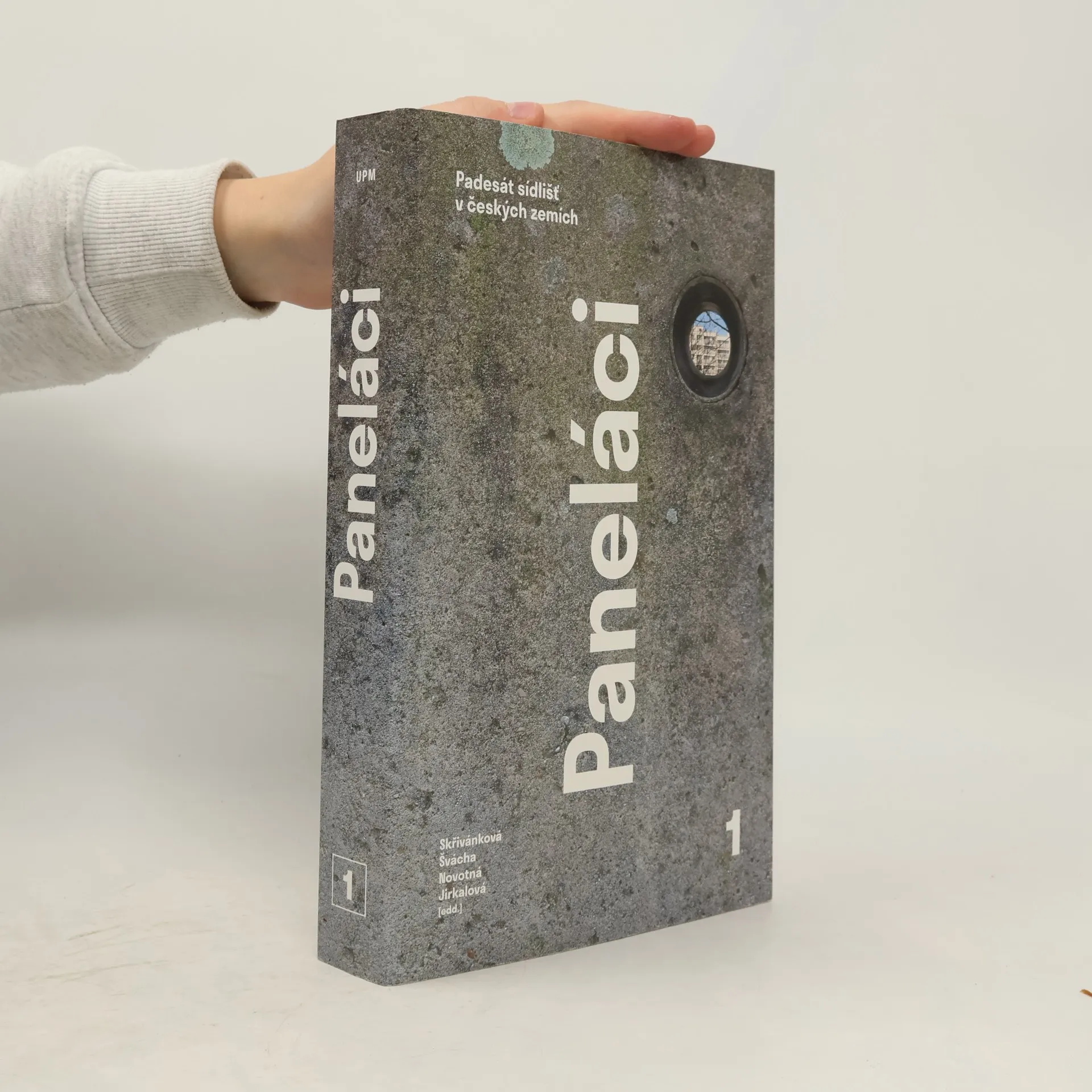
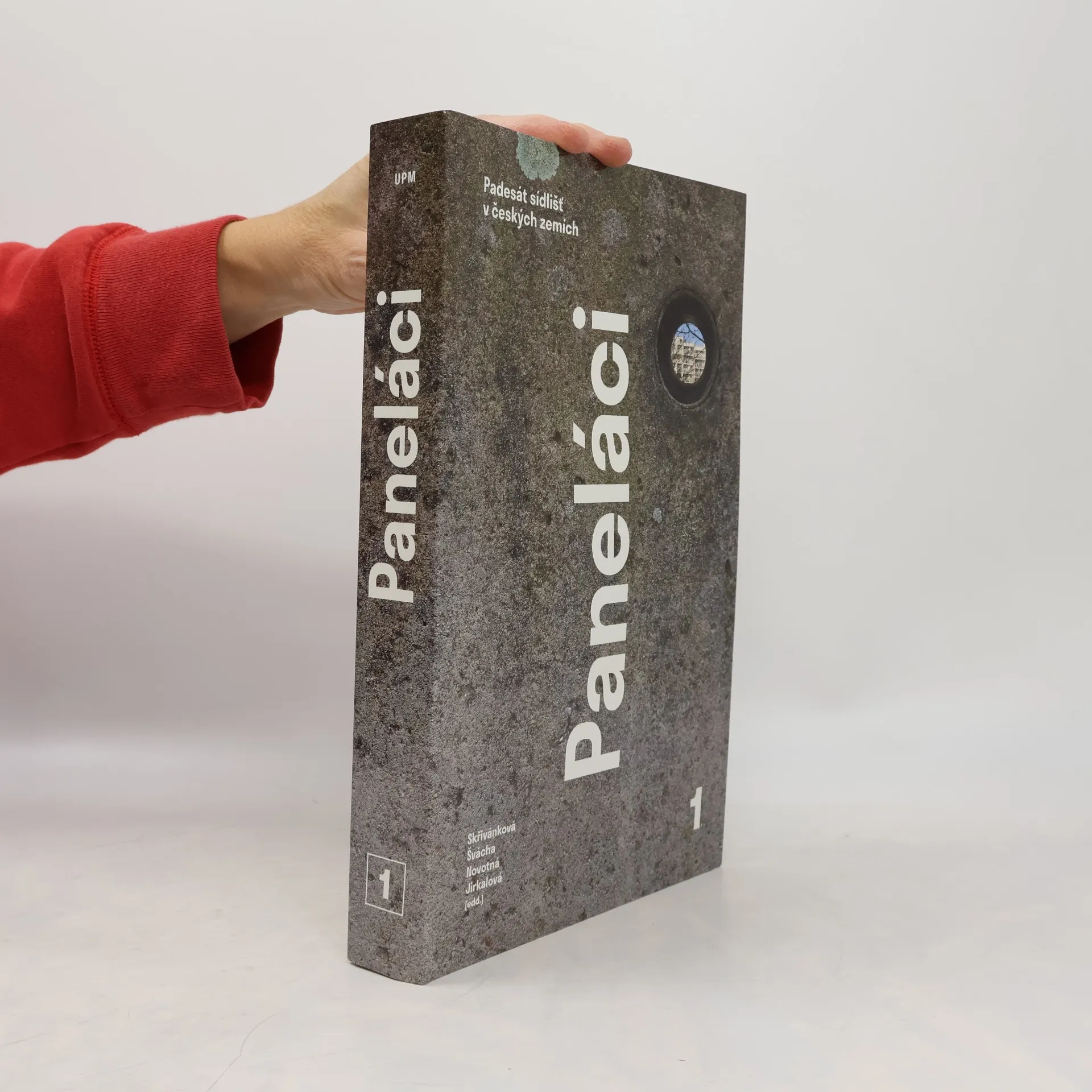
The present volume The Paneláks is one of the results of a five-year research project devoted to mass housing complexes constructed between 1948 a 1989 within the current Czech Republic. It presents twenty-five housing estates (not only of prefabricated panel construction) from all fourteen Czech regions. In its organization, the publication is divided into six chapters on the basis of developmental stages, reflecting changes in the economic, social and cultural conditions as well as the technical possibilities available in construction. At the same time, it draws attention to the circumstances and reasons behind the construction of mass housing estates, the architecture and planning aspects of these complexes, and the personalities of their authors. In addition, six longer studies are included: on the periodization of the development of housing-estate construction, the start of the construction of prefabricated estates and their final end, changes in the demographic character of housing-estate inhabitants, the development of furniture for panel buildings, and a case study of life in Prague's largest housing estate, Jižní Město
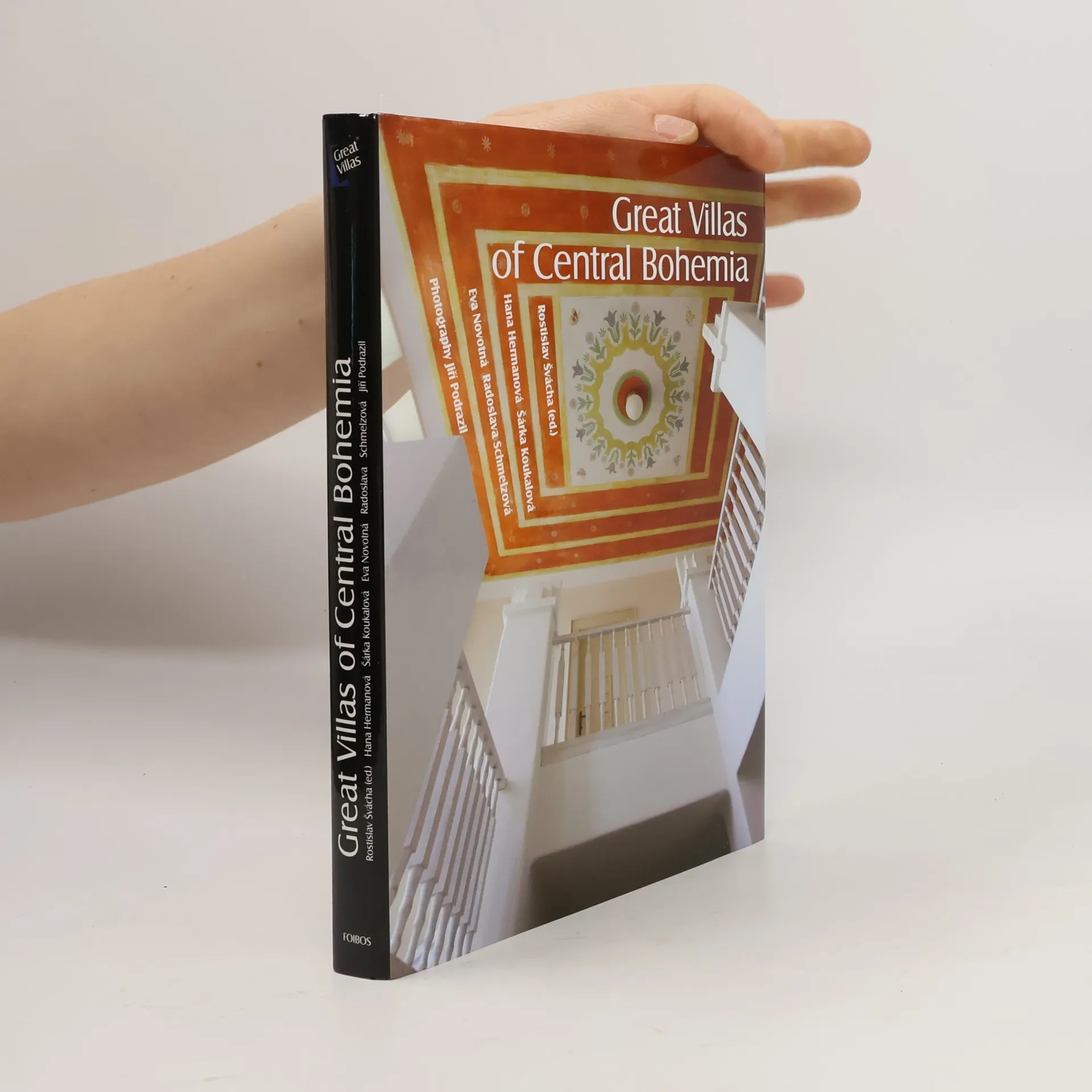
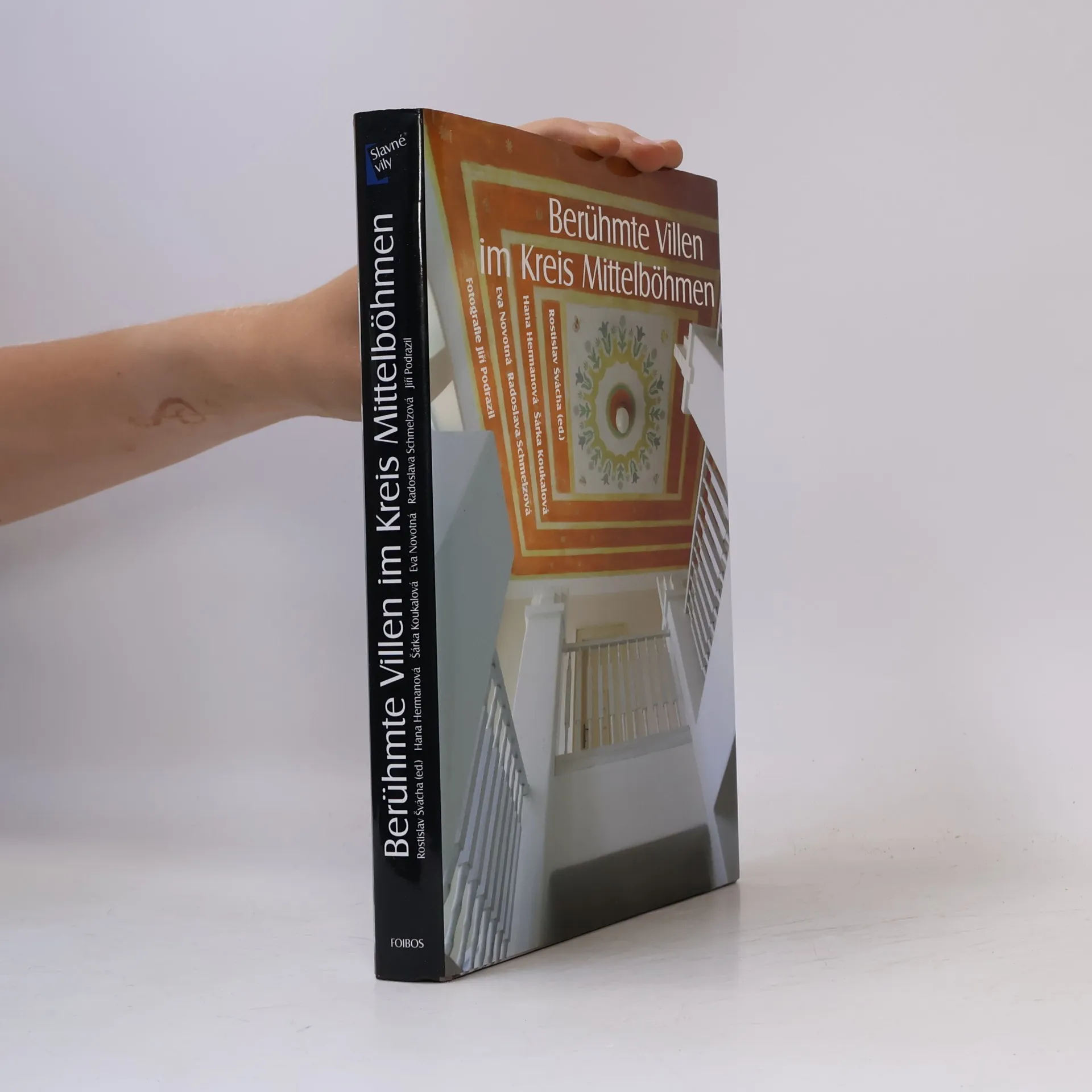
The publication presents 57 architecturally significant or interesting gems of family housing, which were created from the middle of the 19th century to the present in the territory of the Central Bohemian Region. The publication completes the edition series of Famous Villas of the Regions, which gradually presented architecturally interesting objects throughout the republic. In the past one hundred and fifty years, an unusually numerous and valuable collection of villa architecture was born in Central Bohemia. Central Bohemian villas have no equivalent counterpart in other regions of the Czech Republic. From the sixties of the nineteenth century, more affluent Praguers - the "villagers" - began to move to the new villas - "summer resorts" - in these resorts. The book tells the history of ten important villas. In it we find Roztoky, Všenory, Dobřichovice, Černošice, Řevnice, Jevany, Nespeky, Nouzov u Unhoště, joined by Lidice and Vonoklasy as less common innovations of the old theme of a villa settlement. Whether they are located in resorts or in the garden districts of larger Central Bohemian cities, villas from this region offer us an attractive display of variations of this type of building presented by the most famous architects of the last two centuries.
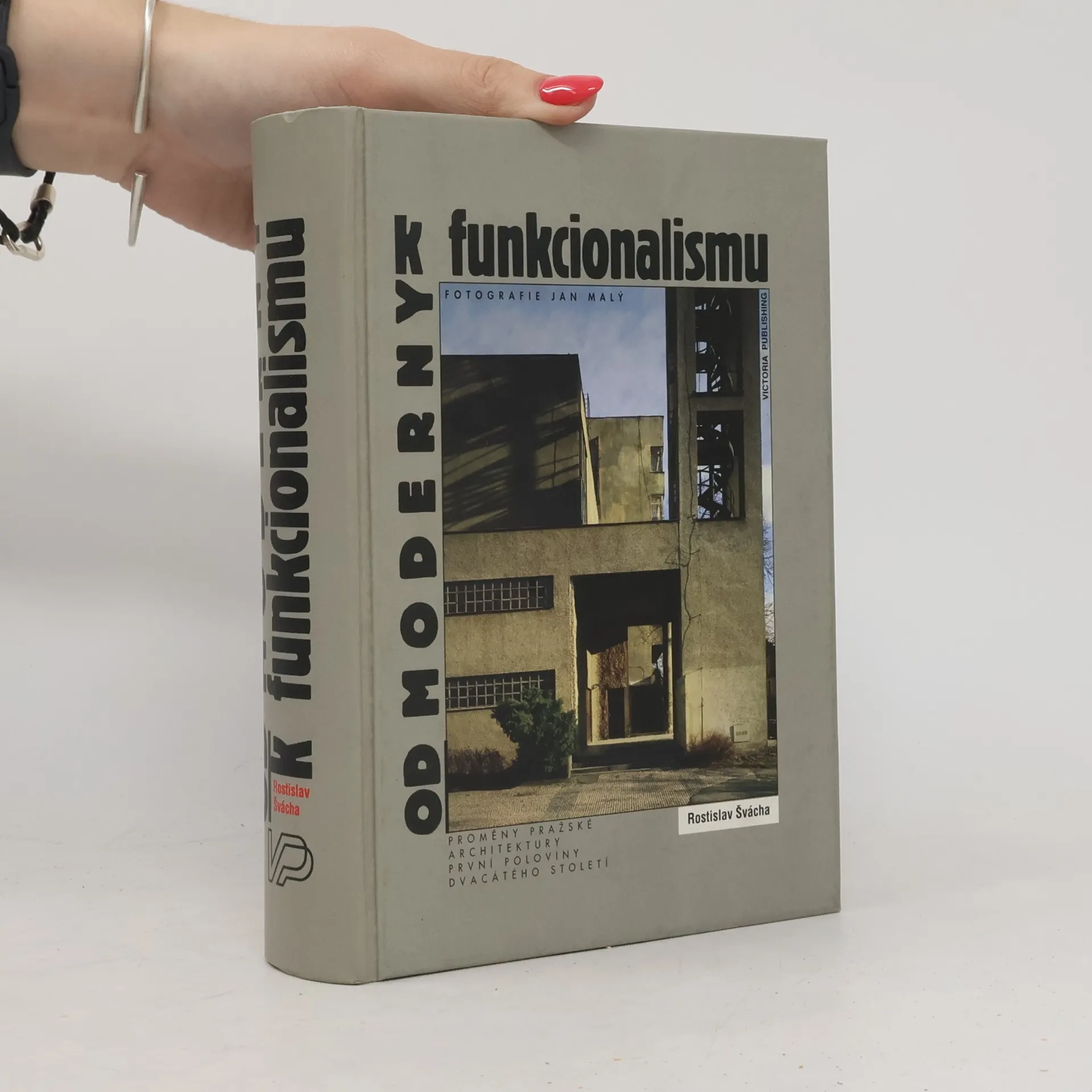
Kniha je věnována architektuře Prahy zhruba z let 1895-1945. Autor si stanovil za cíl podchytit co možná nejvíc kvalitních domů postavených v tomto období na území tzv. Velké Prahy v jejích hranicích z roku 1920.
Kvantum základních informací, jež nashromáždil rozsáhlým průzkumem, se autor pokusil uměleckohistoricky interpretovat. Vyhledával mezi stovkami projektujících architektů daného období hlavní tvůrčí individuality, sledoval podrobněji jejich stavby a projekty ve chvílích, kdy tito architekti opravdu tvořili, rekonstruoval jejich umělecké záměry a ideály a pozoroval, jak se tyto záměry a ideály střetávaly s tvrdou realitou života, k níž patřily hlavně požadavky klientely a úřadů, veřejné mínění a záměry a ideály jiných architektů. Čtenář tak může hlouběji nahlédnout do uměleckých osudů Jana Kotěry, Pavla Janáka, Josefa Gočára, Jaromíra Krejcara, Oldřicha Tyla, Josefa Havlíčka, Ladislava Žáka a dalších osobností pražské moderní architektury.
Fotografie Jan Malý (300 černobílých a 35 barevných fotografií)
Adresář staveb sestavili Rostislav Švácha a Zdeněk Lukeš (obsahuje 1300 domů)
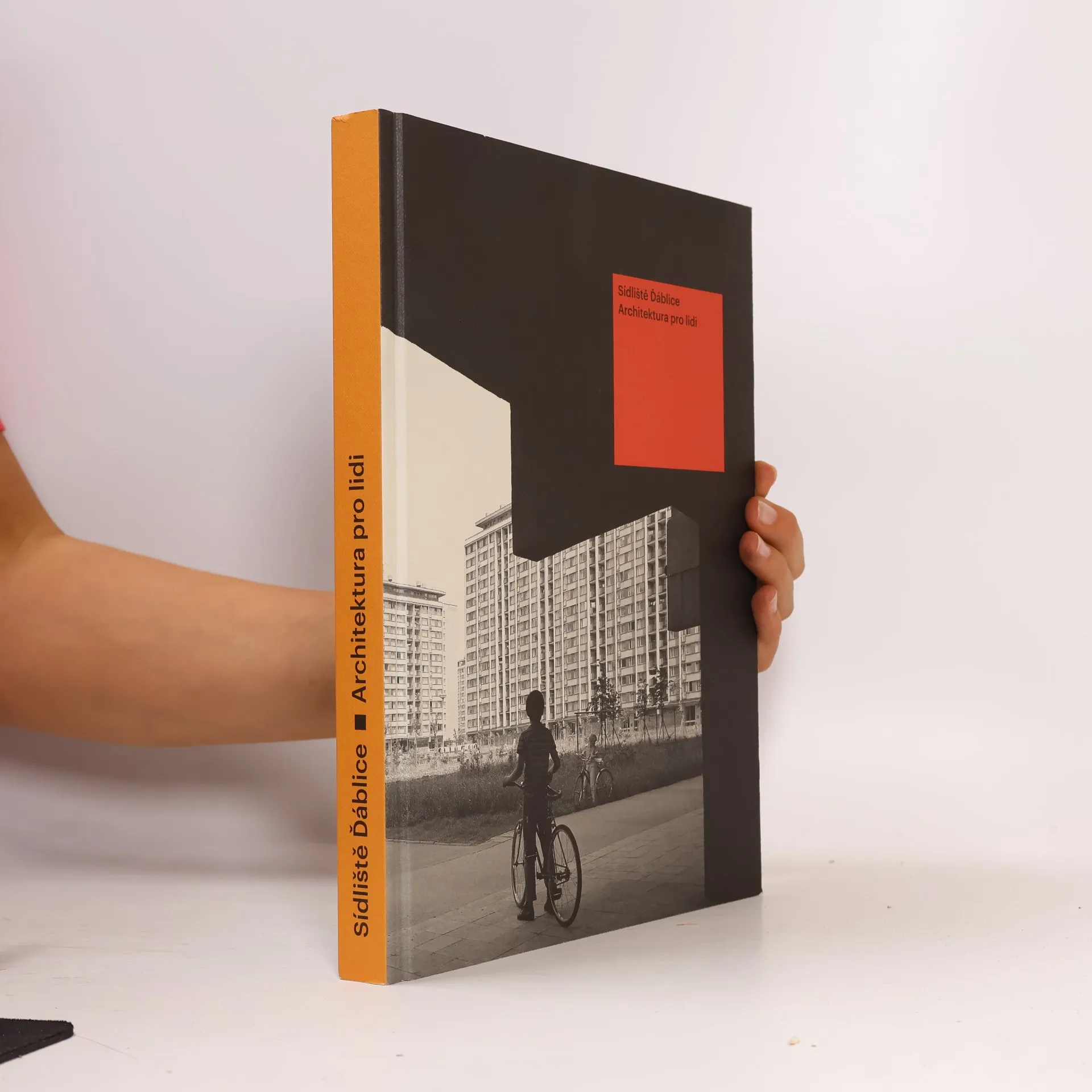
Kniha Sídliště Ďáblice: Architektura pro lidi se zaměřuje na jedno z nejcennějších sídlišť v České republice, které vzniklo díky nadšencům žijícím v Ďáblicích a jeho okolí. Odborníci z oblasti historie umění, architektury a památkové péče, včetně potomků architekta Viktora Tučka, se podíleli na její tvorbě. Publikace popisuje architektonickou soutěž, vývoj návrhu a obtíže při realizaci projektu v dané době. Zkoumá urbanistickou a architektonickou hodnotu sídliště, řešení zeleně a výtvarná díla v areálu. Závěrečná kapitola umisťuje Ďáblice do širšího kontextu české a světové architektury.
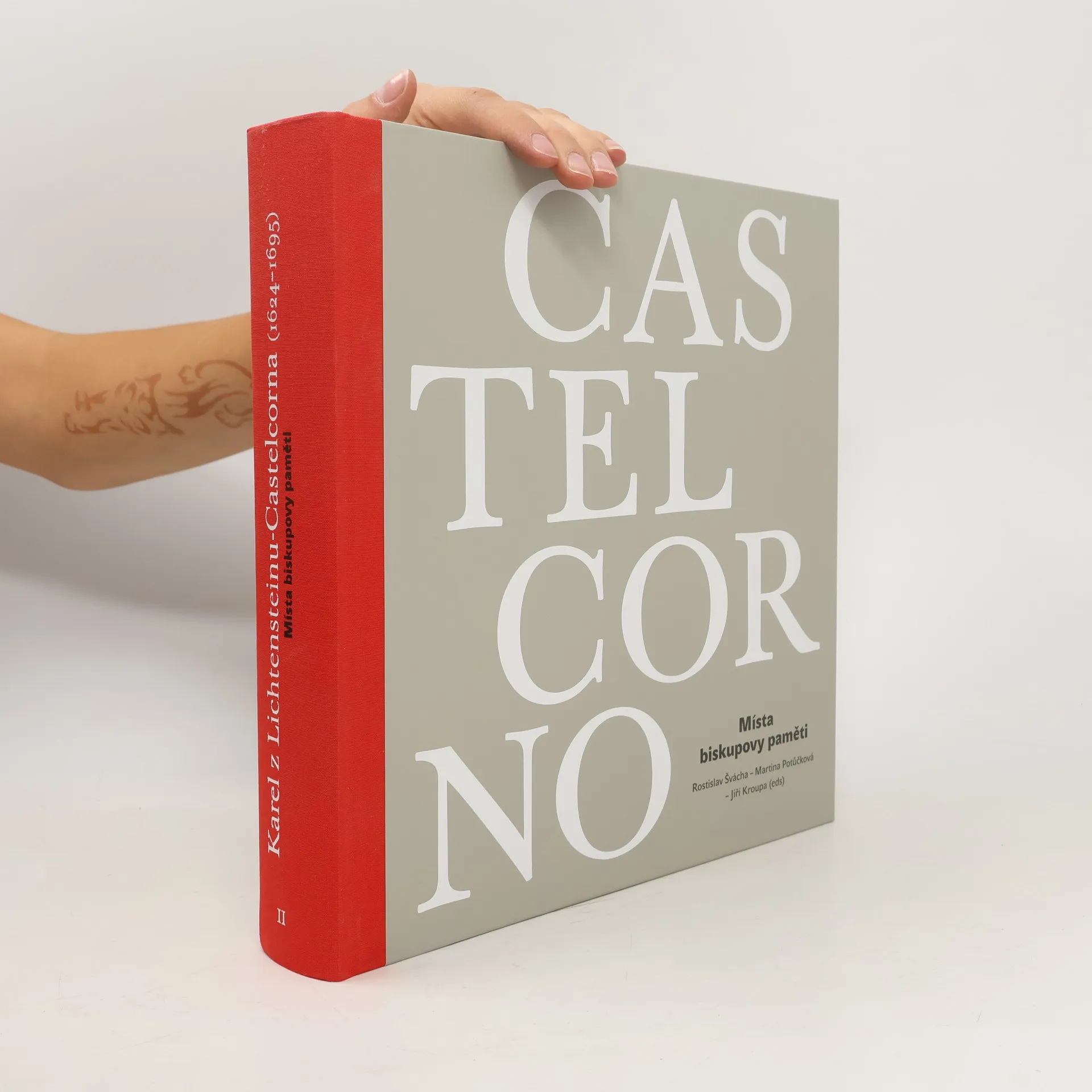
Kniha zahrnuje vzpomínky obyvatel a pamětníků, které byly získány prostřednictvím rozhovorů a odrážejí subjektivní pohled na sídliště. Cílem je zachytit, jak lidé, kteří zde vyrůstali, vnímali své prostředí. Dále jsou prezentovány medailony autorů, kteří se podíleli na architektuře Ďáblic, a přehled typů obytných a občanských staveb. Publikace je určena široké i odborné veřejnosti a má za cíl zvýšit povědomí o tomto výjimečném obytném souboru a kvalitních památkách mimo centrum města. Navazuje na podobné projekty a přispívá k diskusi o sídlištní výstavbě a kulturním dědictví.
Editoři: Lucie Skřivánková, Rostislav Švácha, Eva Novotná, Karolina Jirkalová.
Kniha Paneláci 1 je katalogem cyklu výstav Příběh paneláku, realizovaných v letech 2014–2017 ve všech krajských městech. Formou pasportů představuje padesát (nejen) panelových sídlišť ze čtrnácti krajů České republiky. Čtenáře seznamuje s okolnostmi a důvody výstavby sídlišť, architekturou a urbanismem těchto celků i s osobnostmi jejich autorů. Součástí knihy jsou též demografické studie o proměnách obyvatelstva sídlišť, rozsáhlá dobová fotodokumentace, slovníček pojmů a přehled základních konstrukčních soustav. Publikace je rozdělena do šesti kapitol podle vývojových etap, které sledují proměny ekonomických, společenských a kulturních podmínek i technických možností ve stavebnictví. Tato periodizace vychází z hloubkového průzkumu třiasedmdesáti sídlišť různého stáří i velikosti a je v této knize prezentována vůbec poprvé, stejně jako řada mezioborových poznatků shromážděných a analyzovaných v rámci výzkumného projektu Panelová sídliště jako součást městského životního prostředí.
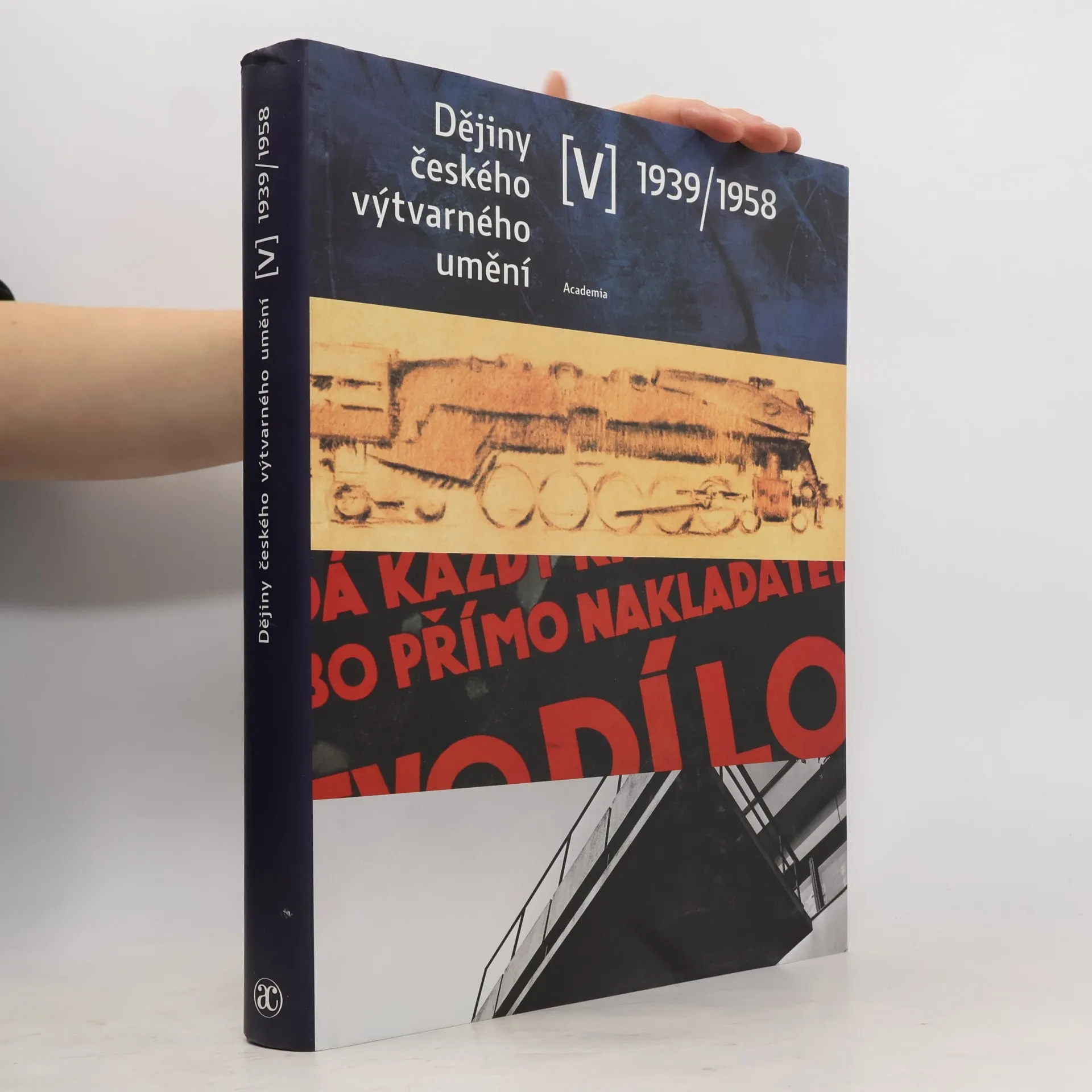
Pátý díl rozsáhlé řady publikací, vycházející od osmdesátých let, se zabývá čtyřicátými a padesátými lety 20. století, obdobím, v němž všechny oblasti života – a tedy i umění – poznamenaly postupně dva totalitní režimy: nacistická okupace Československa a posléze nástup komunistické moci v nejtvrdší podobě právě v padesátých letech. Autoři, přední historici umění z Ústavu dějin umění Akademie věd ČR i z dalších institucí, zasazují vývoj umění v daném období do širších filosofických, politických a společenských souvislostí a podrobně probírají všechny umělecké projevy, od oficiálního umění sloužícího politické moci přes různé umělecké směry a uskupení (Skupina 42, SVU Mánes, surrealismus, existencialismus atd.) až po oblasti, které byly donedávna uměnovědou téměř zcela opomíjeny (např. kresba a malba v nacistických koncentračních táborech nebo Škola umění ve Zlíně). Jednotlivé kapitoly jsou věnovány všem oborům výtvarného umění: architektuře, malířství, kresbě a grafice, sochařství, fotografii, scénografii, designu, sklářství, keramice a typografii.
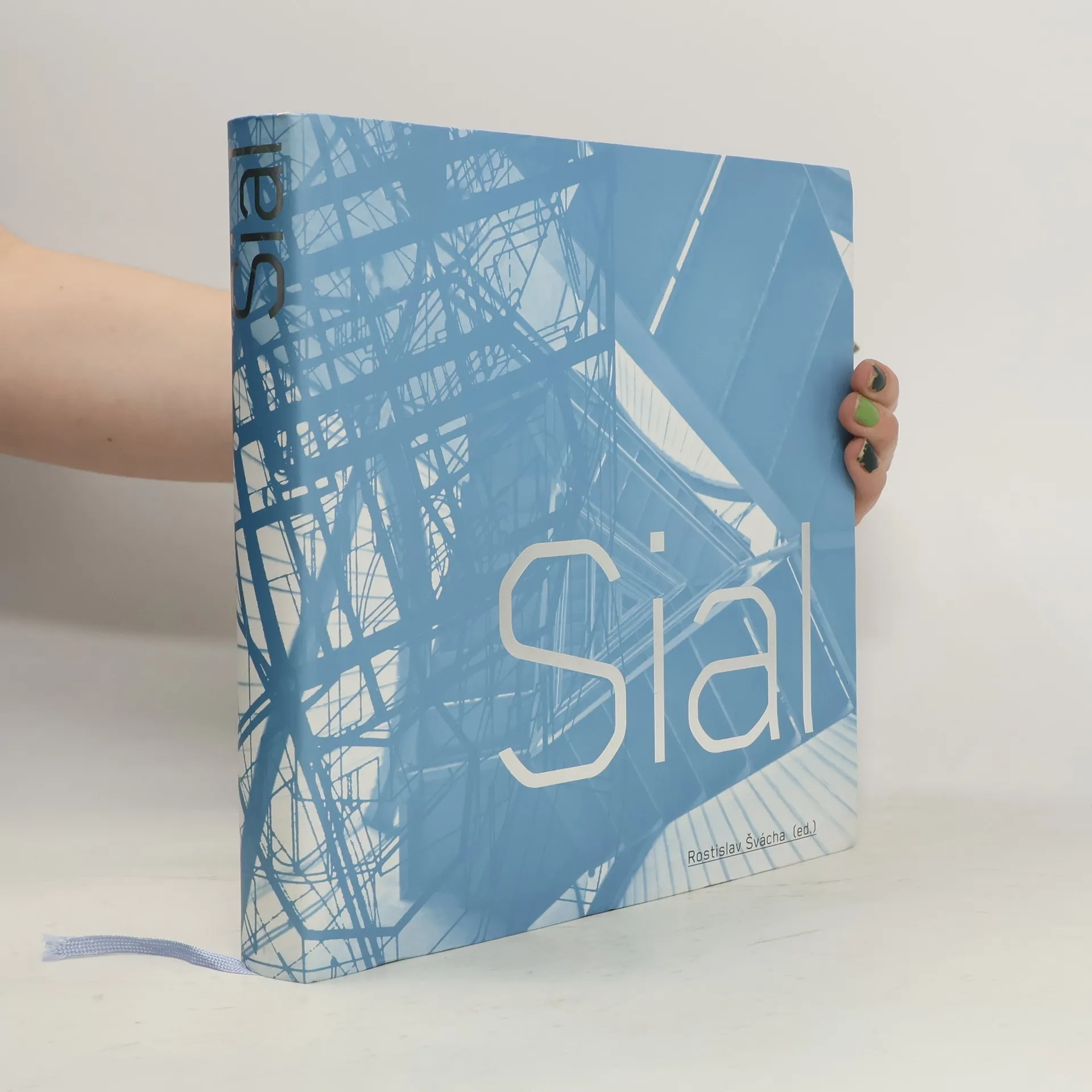
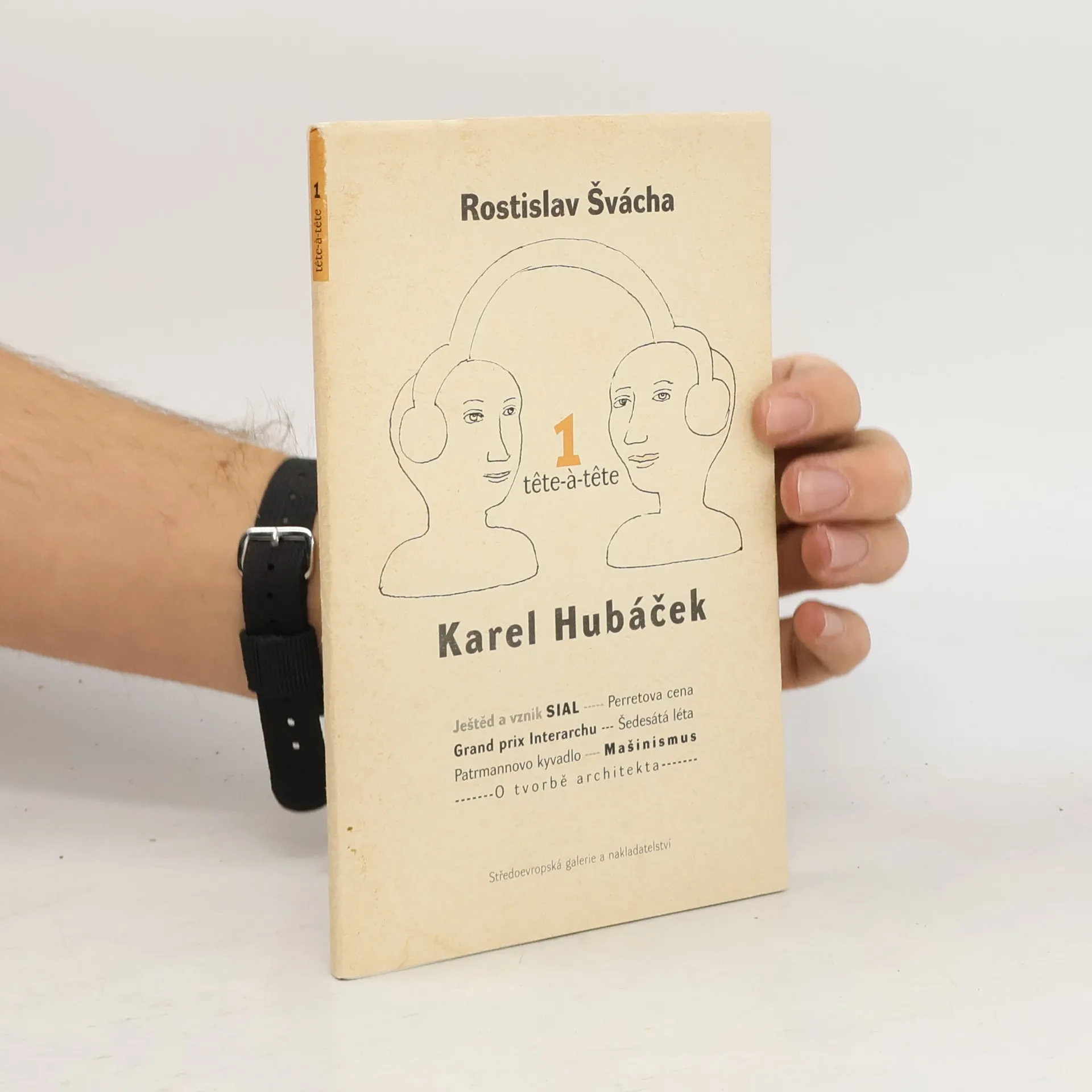
"The Liberec Collective of Engineers and Architects (SIAL) are recorded in the history of 20th century Czech architecture with a chapter of importance equal to the works of Jana Kotera or the Czech Cubists and Functionalists. The collective was founded by Karel Hubacek, the author of the famous Jested Tower, together with Miroslav Masak and Otakar Binar, in the summer of 1968. Soon they were joined by the most tallented graduates from Prague's schools of architecture grouped in the so called 'SIAL Pre-school'. Despite difficult political circumstances, SIAL gained recognition both at home and among Western architects. Prestigious international magazines paid more attention to SIAL than any other manifestations of modern Czech architecture. This book, for the first time, aims to grasp the work of the Liberec Collective in its full scope. A team of 24 authors drew upon archival documents and records from the period's press. The first three chapters presenting SIAL's production from the 60s, 70s and 80s are followed by an analysis of twenty-five of their most important projects and buildings, as well as profiles of the most prominent SIAL architects, with a supplement comprising almost five hundred reproductions."--Publisher description.
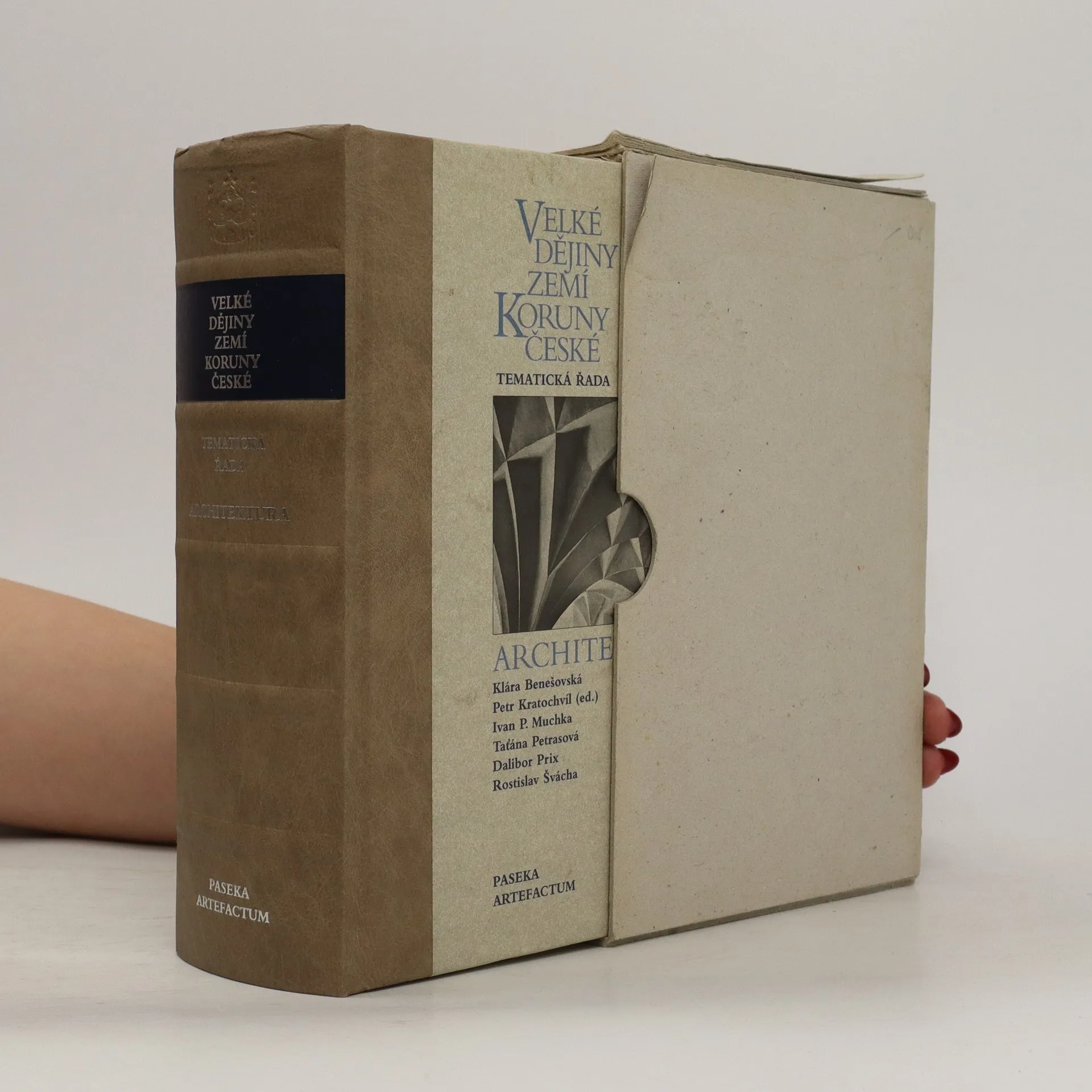
Kniha svým rozsahem i čtenářským určením navazuje na ediční řadu Velkých dějin zemí Koruny české, snaží se však v jednom svazku podat celkový vývoj architektury od raně středověkých počátků po současnost. Postihuje tak hlavní proudy vývoje architektury na domácím teritoriu, slohová období románské, gotické, renesanční, barokní a klasicistní architektury, období historismů i proměny moderní architektury, a připomíná nejvýznamnější realizace a tvůrce, kteří zde působili. Vedle architektury jsou zmíněny i důležité urbanistické koncepce a milníky v rozvoji sídel. Kniha kromě černobílých a několika barevných fotografií zahrnuje i dobová vyobrazení a kresby půdorysů, těžiště však spočíá v textové části.
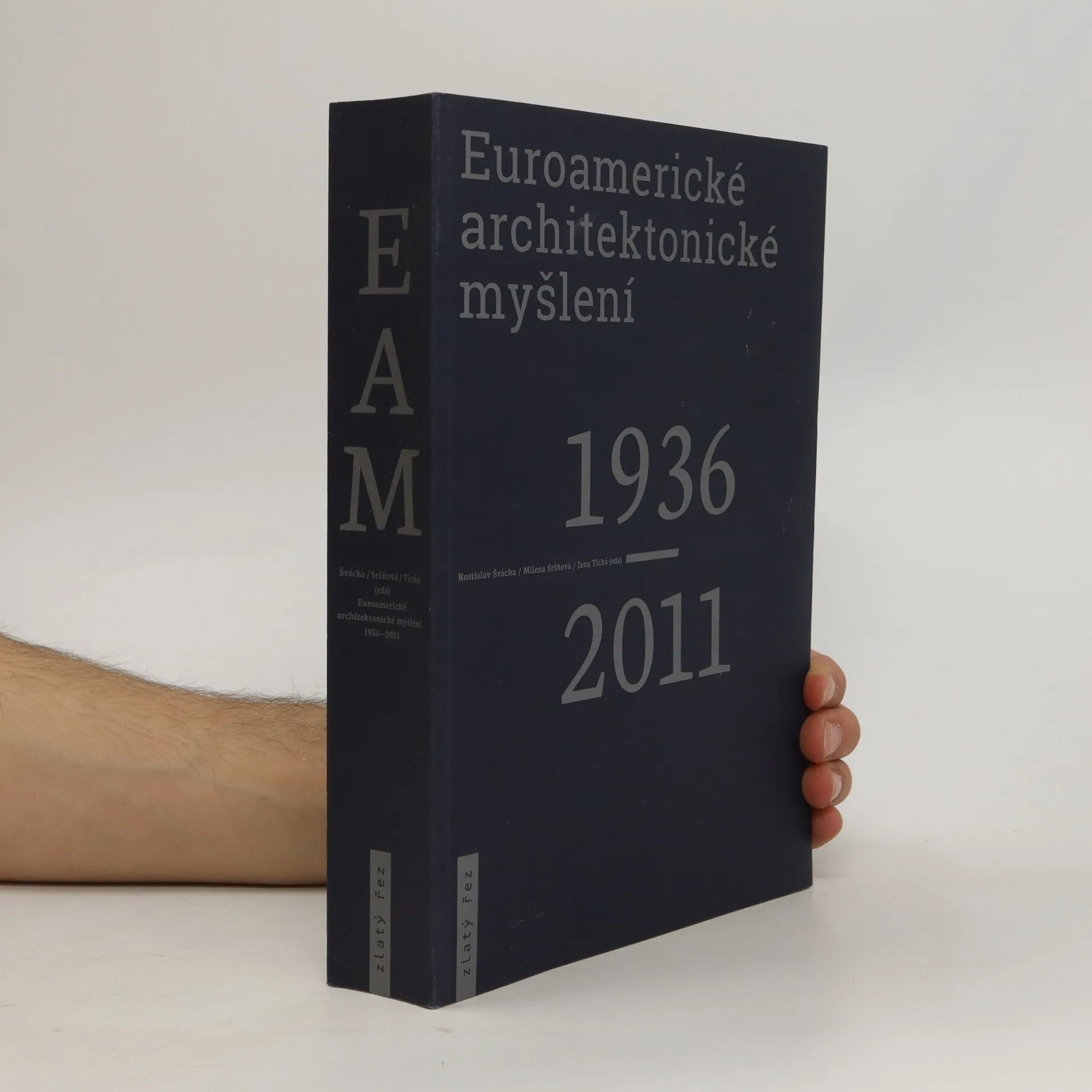
Antologie tří editorů předkládá českým čtenářům překlady 161 textů významných architektů euroamerické sféry, a to převážně z období po druhé světové válce. Není strukturovaná podle témat, texty jsou v ní řazeny, jak šly za sebou v chronologickém pořádku. Antologie se také vyhýbá tomu, aby texty dále členila podle nějakých zvratů v architektonické debatě. Soustřeďuje se konečně jen na texty praktikujících architektů, nejsou v ní obsažené texty teoretiků a historiků architektury. Primárním kritériem výběru pro ni nebyl tolik význam textů, jako význam jejich autorů, předních osobností euroamerické architektonické scény posledních osmdesáti let. Cílem editorů bylo ukázat, jak a o čem tito architekti psali a jak přitom zdůvodňovali charakter svých prací.
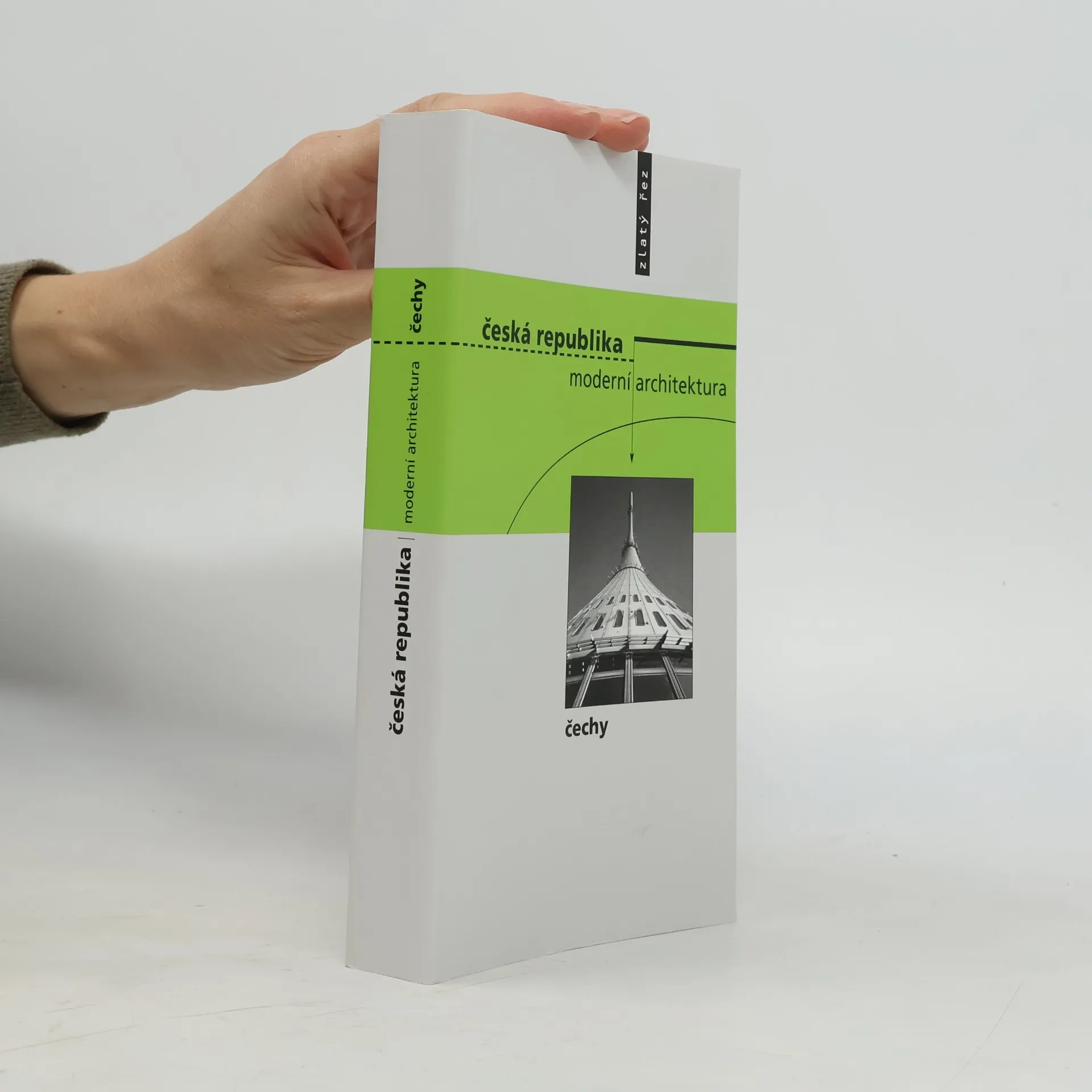
Závěrečný díl průvodců Zlatého řezu po moderní architektuře na území České republiky mapuje dědictví stavební kultury v Čechách mimo hlavní město Prahu od počátku 20. století do současnosti.
Kniha je výsledkem dlouhodobé výzkumné práce týmu 24 autorů pod vedením Rostislava Šváchy a Michala Kohouta. Obsahuje informace o 2137 stavbách, 450 hesel je doplněno fotografií, plány a stručným stavebně-historickým popisem. Nechybí přehled urbanistického vývoje nejvýznamnějších měst a biografie vybraných architektů. Orientaci usnadňují mapy s vyznačením polohy staveb a obsáhlý rejstříkový aparát.
Editoři: Lucie Skřivánková, Rostislav Švácha, Eva Novotná, Martina Koukalová.
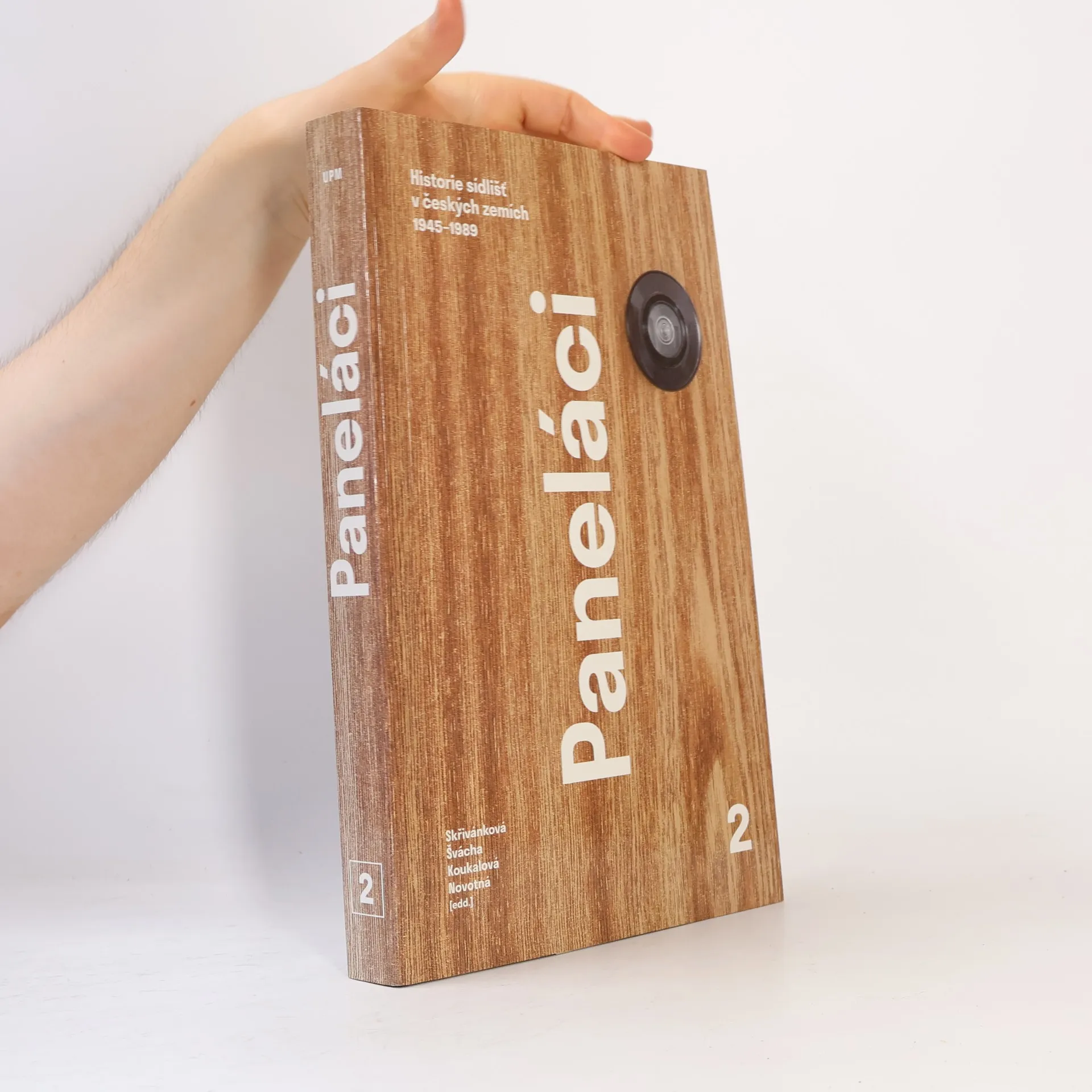
Zatímco Paneláky 1 pojal tým jako katalog, v němž se detailněji představuje padesát sídlišť z českých zemí, Paneláci 2 podávají tutéž látku v historickém průběhu. Osu publikace tvoří osm chronologických kapitol, které se věnují vývoji industrializace hromadné bytové výstavby, proměnám politických a ekonomických podmínek i měnící se roli architektů a urbanistů. Základní uměleckohistorickou linku Rostislava Šváchy a jeho kolegů obohacují a prohlubují pohledy různých humanitních oborů, od historiografie architektury a urbanismu přes antropologii, památkovou péči až k historické demografii. Kniha Paneláci 2 vyšla jako katalog výstavy Bydliště: panelové sídliště, kterou na začátek roku 2018 připravilo Uměleckoprůmyslové museum v Praze.
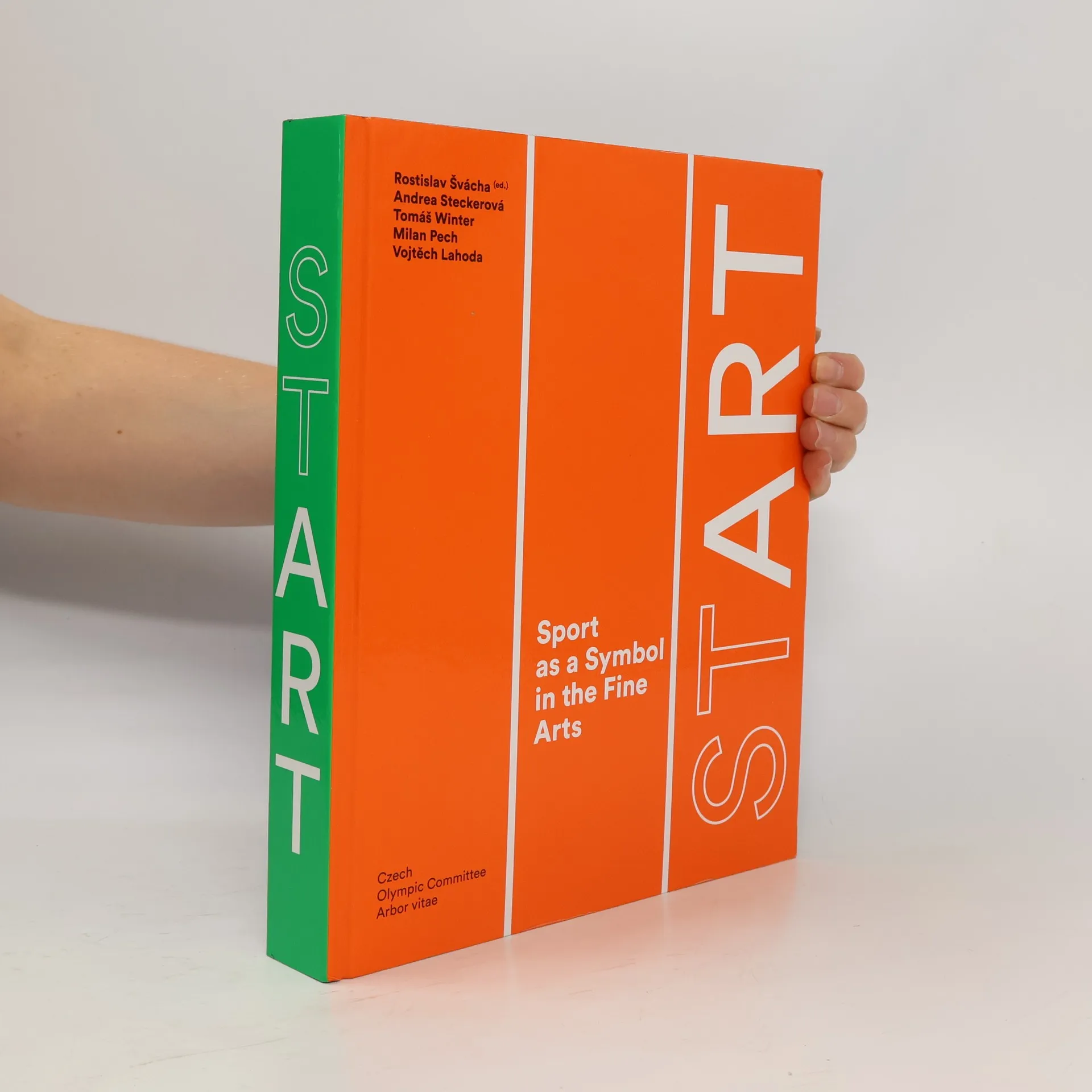
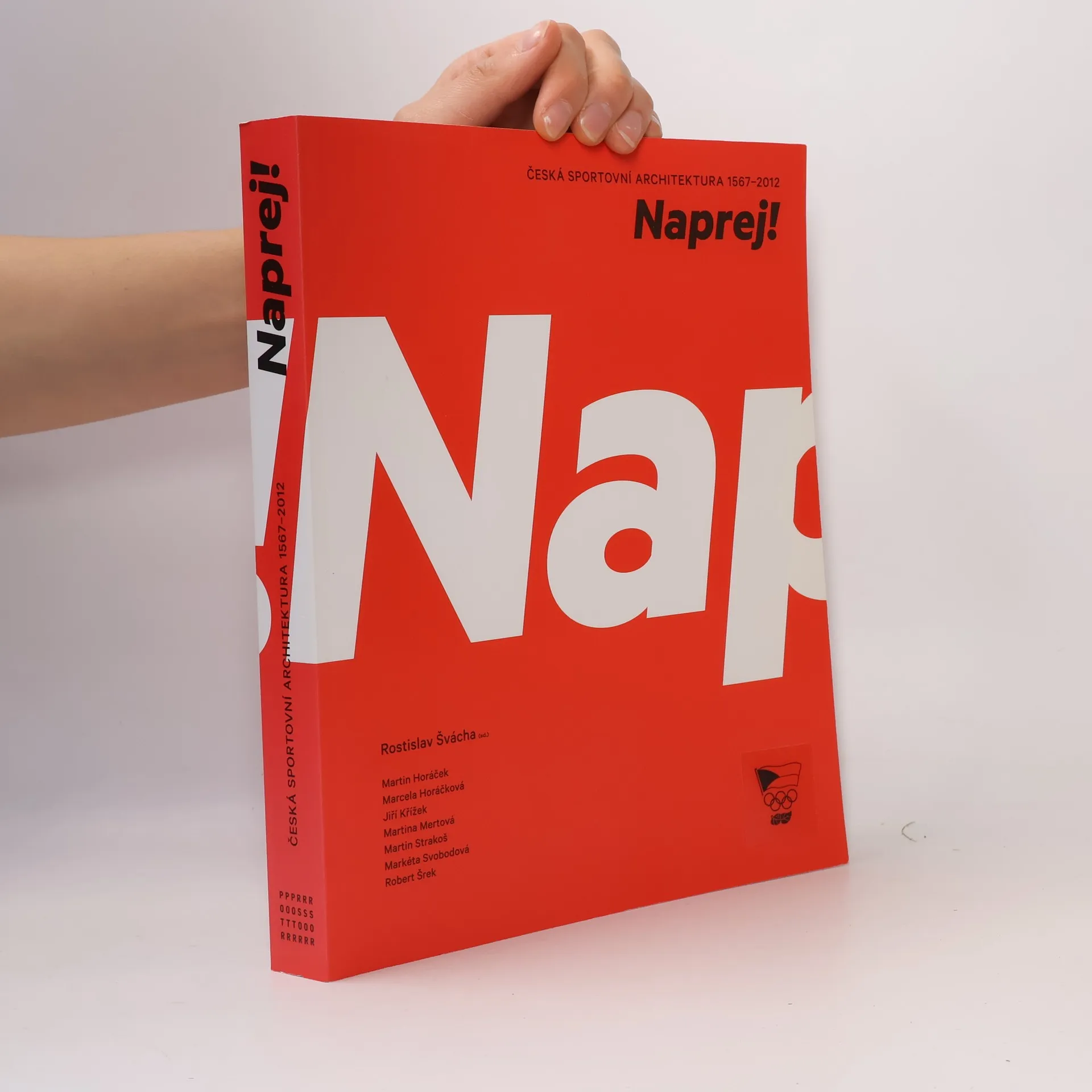
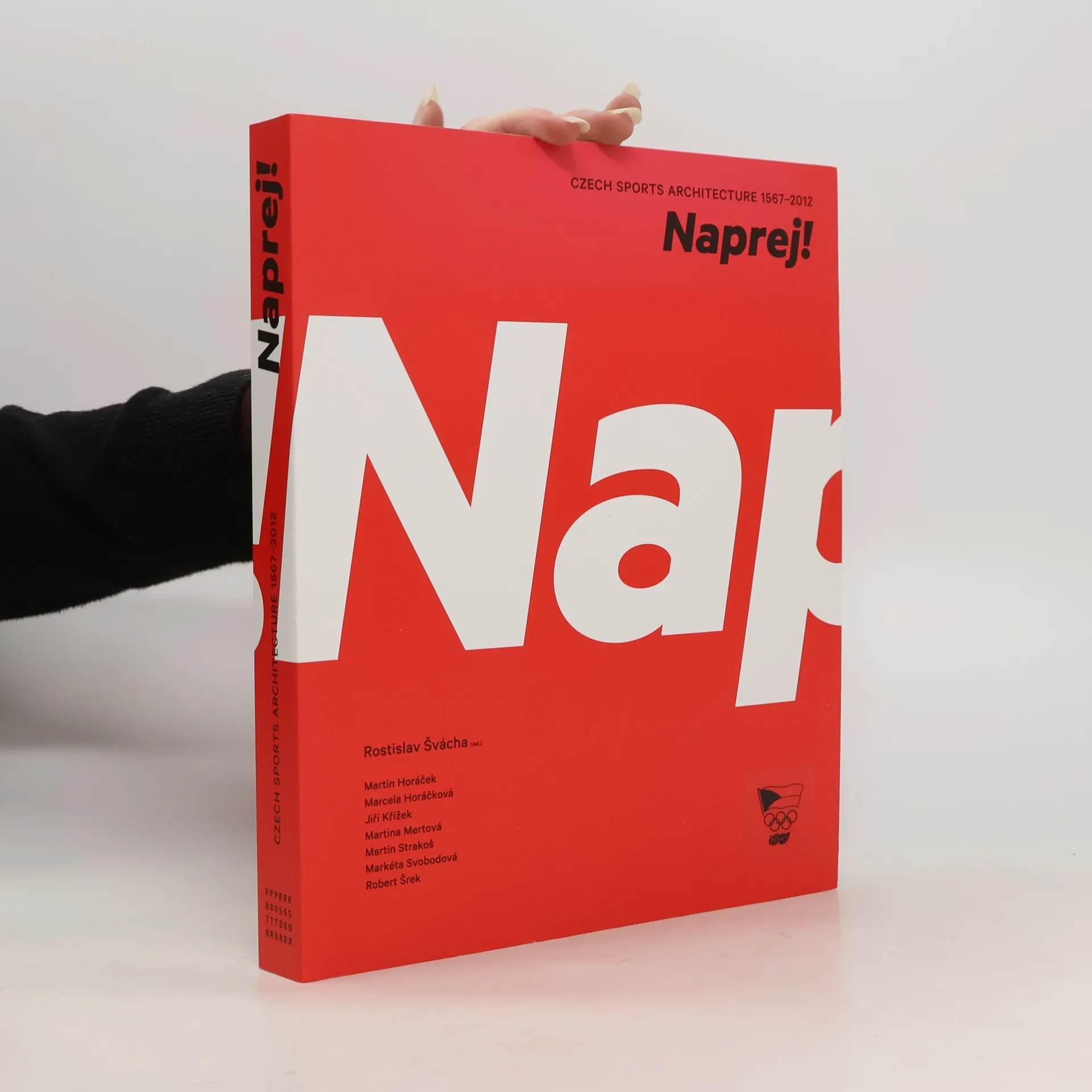
Kniha se zabývá architekturou, která od 16. do 21. století sloužila a slouží sportovním a tělovýchovným aktivitám v českých zemích. Představuje první dílo tohoto druhu z rukou českých historiků architektury. Dívá se na sport jako na důležitou lidskou aktivitu, jejíž obsah se v průběhu dějin měnil. Z výcviku a zábavy aristokracie se v moderní době sport vyvinul ve formu boje za národní emancipaci a za občanské svobody, v masovou podívanou, v nástroj státní reprezentace, v prostředek kontroly nad volným časem obyvatel i ve formu jejich nejprivátnější relaxace. Všem těmto funkcím sportu dovedla dobře posloužit i architektura. Měnila se s vývojem sportu a dávala jeho aktivitám tvář podle svých vlastních technických a stylových proměn. Mezi 60 vynikajícími stavbami pro sport a tělovýchovu nalezne čtenář míčovny, jízdárny, plovárny, střelnice a loděnice, tělocvičny Sokolů a turnerů, rozhledny a turistické chaty, stadiony, golfová hřiště, cyklostezky i fitcentra.
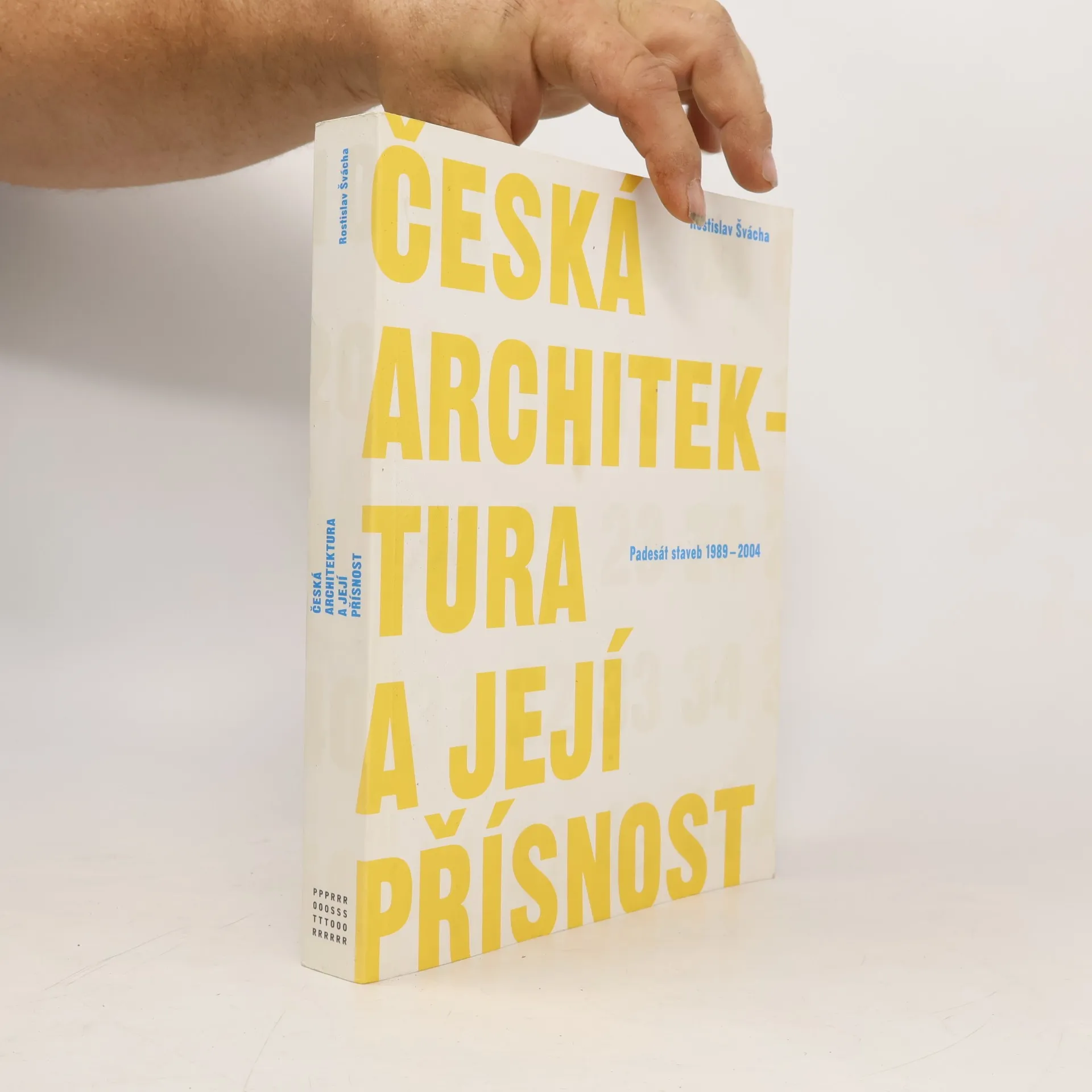
Netradičně koncipovaná kniha se pokouší vysvětlit soudobou českou architekturu a identifikovat její vývojové tendence. Autor vychází z přesvědčení, že česká architektura 20. století byla zásadně ovlivněna ideovým konstruktem, který nazývá českou přísností, jež nejvýrazněji definuje současný obor. Úvodní kapitola se zaměřuje na vznik a formování tohoto fenoménu. Druhá kapitola zkoumá vývoj architektury a zásadní změny po roce 1989. Jádrem knihy jsou populárně koncipované komentáře k 50 vybraným a chronologicky řazeným stavbám realizovaným po roce 1989, a to jak českými, tak zahraničními autory. Výběr staveb zohledňuje nejen architektonické kvality, ale i jejich kulturní a politický význam. Komentáře reflektují názory autorů, kritiků, uživatelů a investorů, čímž podporují záměr popularizace architektury jako součásti života společnosti. Poslední kapitola obsahuje stručnou faktografii. Publikace, vydaná souběžně v angličtině při příležitosti vstupu České republiky do EU, se tak stává unikátním dokumentem vývoje oboru a přehledem kvalitní soudobé české architektonické tvorby pro laické čtenáře.
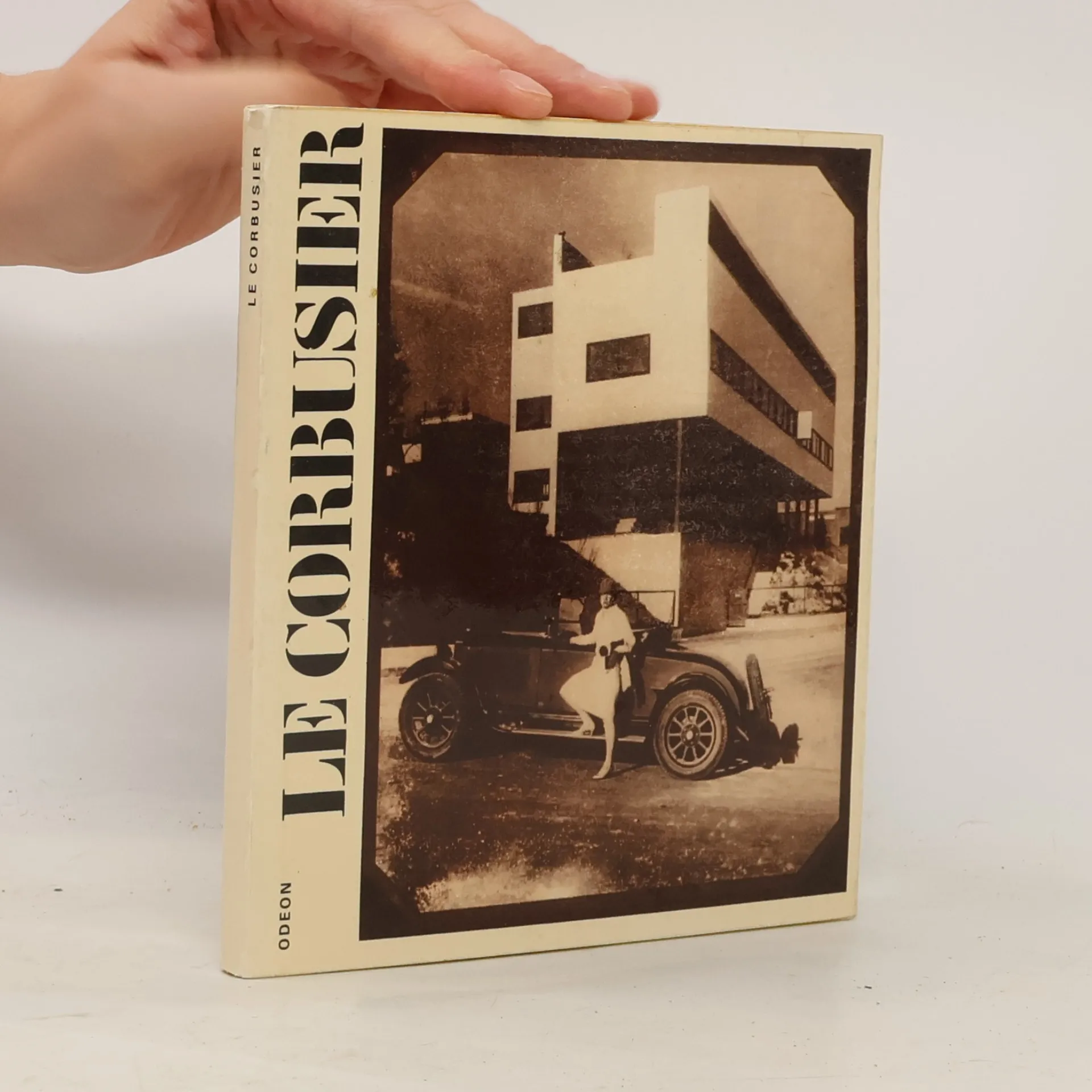
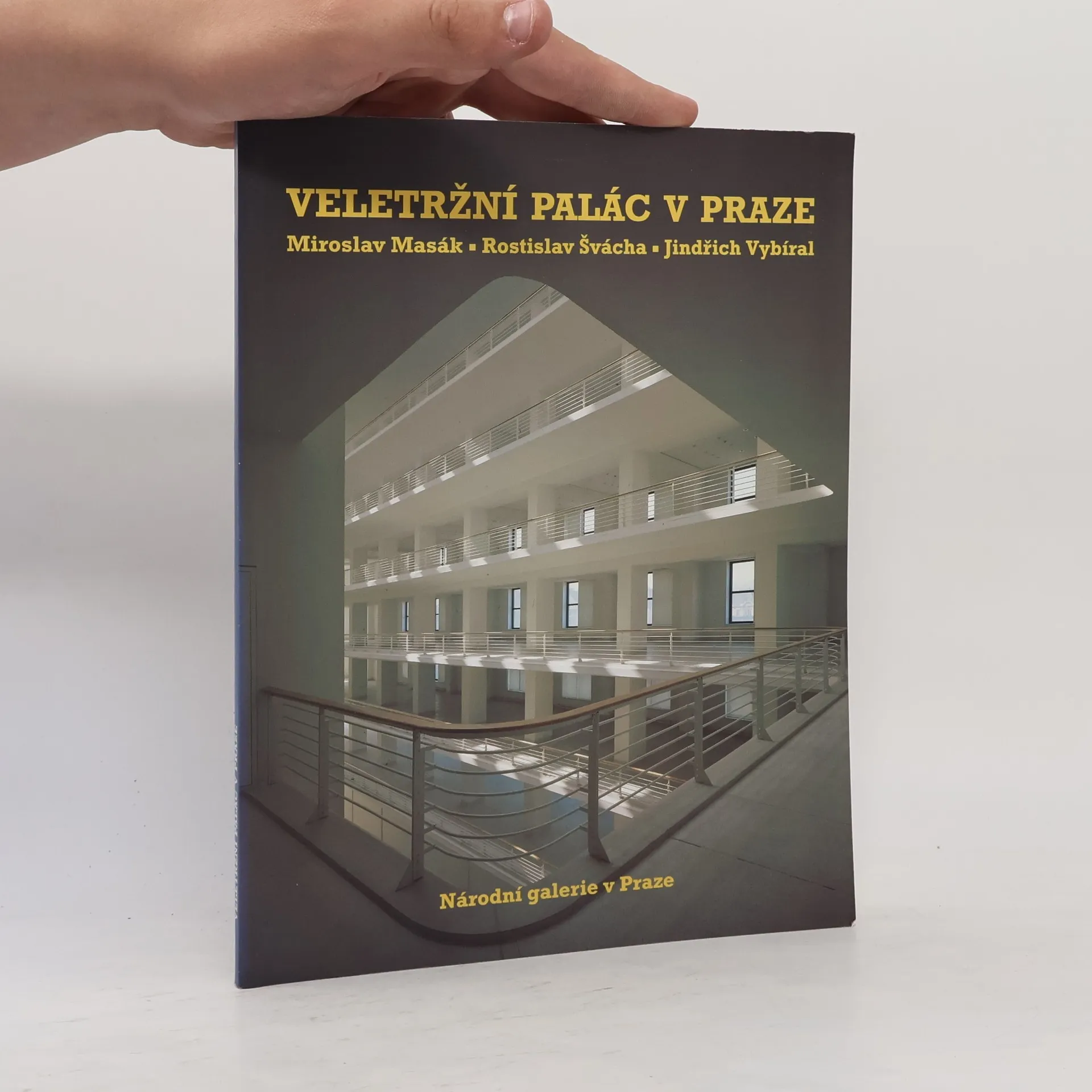
Sborník seznamuje s projektem, stavbou i rekonstrukcí významné pražské funkcionalistické stavby. Jednotlivé příspěvky pojednávají o založení Pražských vzorkových veletrhů, architektonické soutěži a projektu veletržních paláců, stavbě Veletržního paláce a jeho vztahu k funkcionalismu 20. let, obnově budovy po požáru v srpnu 1974 a úpravám pro využití Národní galerií. Ve třech medailonech jsou připomenuty osobnosti se stavbou paláce spojené - stavebník, ředitel PVV Václav Boháč a architekti Josef Fuchs a Oldřich Tyl, závěrečná stať je věnována Sdružení inženýrů a architektů Liberecka SIAL, které projektovalo rekonstrukci pro Národní galerii. V pěti případech bylo citováno z dobového odborného tisku - Poznámky k soutěži (Josef Štěpánek, 1925); Výstavba měst projevem současného života (Oldřich Tyl, 1930-31); Architekt Jeanneret-Le Corbusier v Praze (Karel Hannauer, 1928); Le Corbusier v Praze (Karel Teige, 1928); Rekonstrukce jako pokus o tichý dialog (Jiří Ševčík, 1985). - Součástí bohatého obrazového doprovodu jsou čb. i barev. fotografie a půdorysy, řezy i reprodukce z architektonických studií.
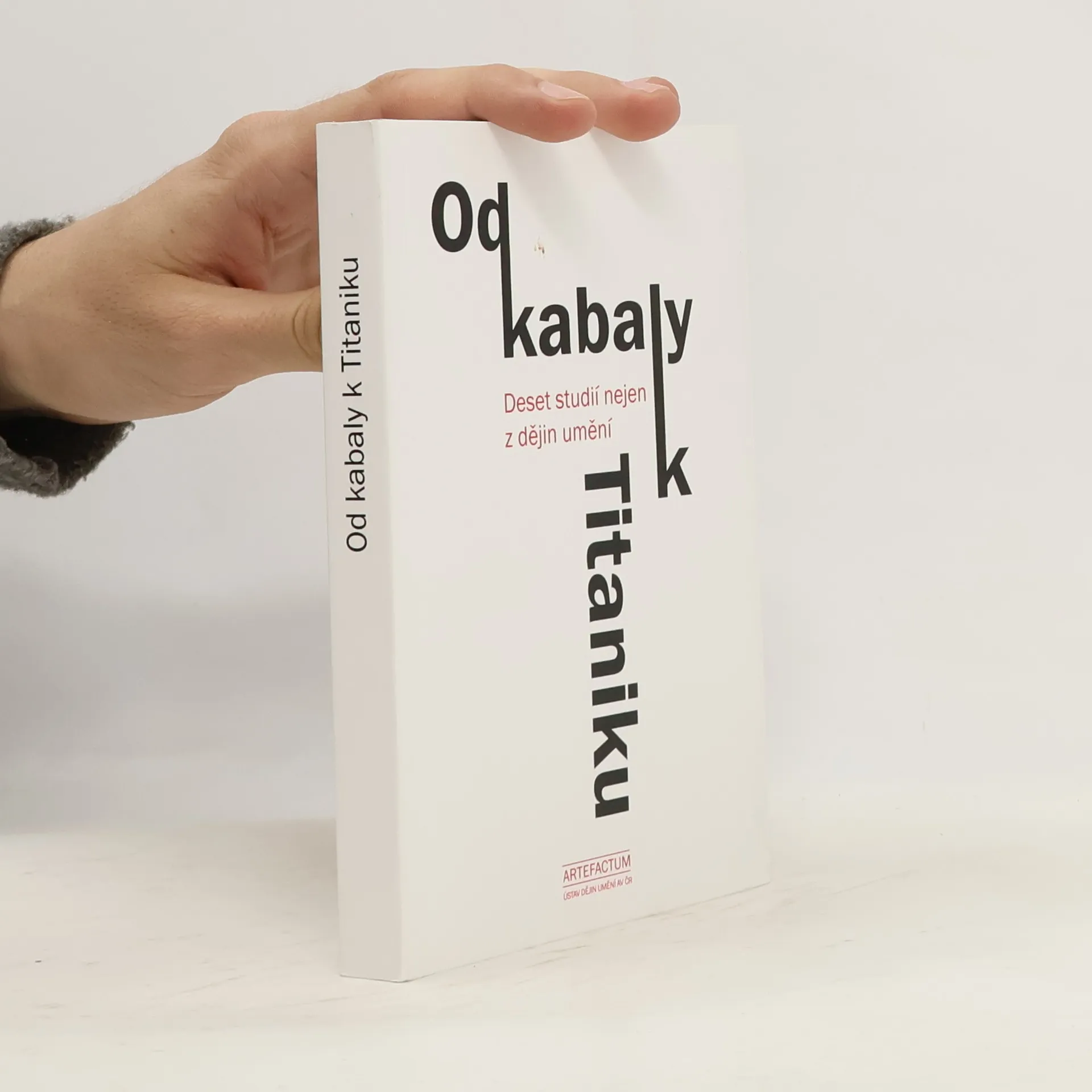
Jednotlivé studie zpracovávají novým způsobem rozmanitá témata: zabývají se např. výtvarnou tvorbou V. H. Brunnera a její spojitostí s životem české výtvarné bohémy, základními strukturními prvky obrazu (bod, střed, linie) a jejich novými interpretacemi, fenoménem architektonických soutěží, kabalistickými zájmy císaře Rudolfa II. a jejich odrazem v Rudolfově soukromé císařské koruně apod. Společným rysem námětově velmi různorodých statí, které přinášejí mnoho zajímavých kulturněhistorických poznatků, je snaha autorů opustit bezpečnou půdu tradičních dějin umění a vydat se směrem k šířeji pojatým vizuálním studiím a vizuální kultuře.
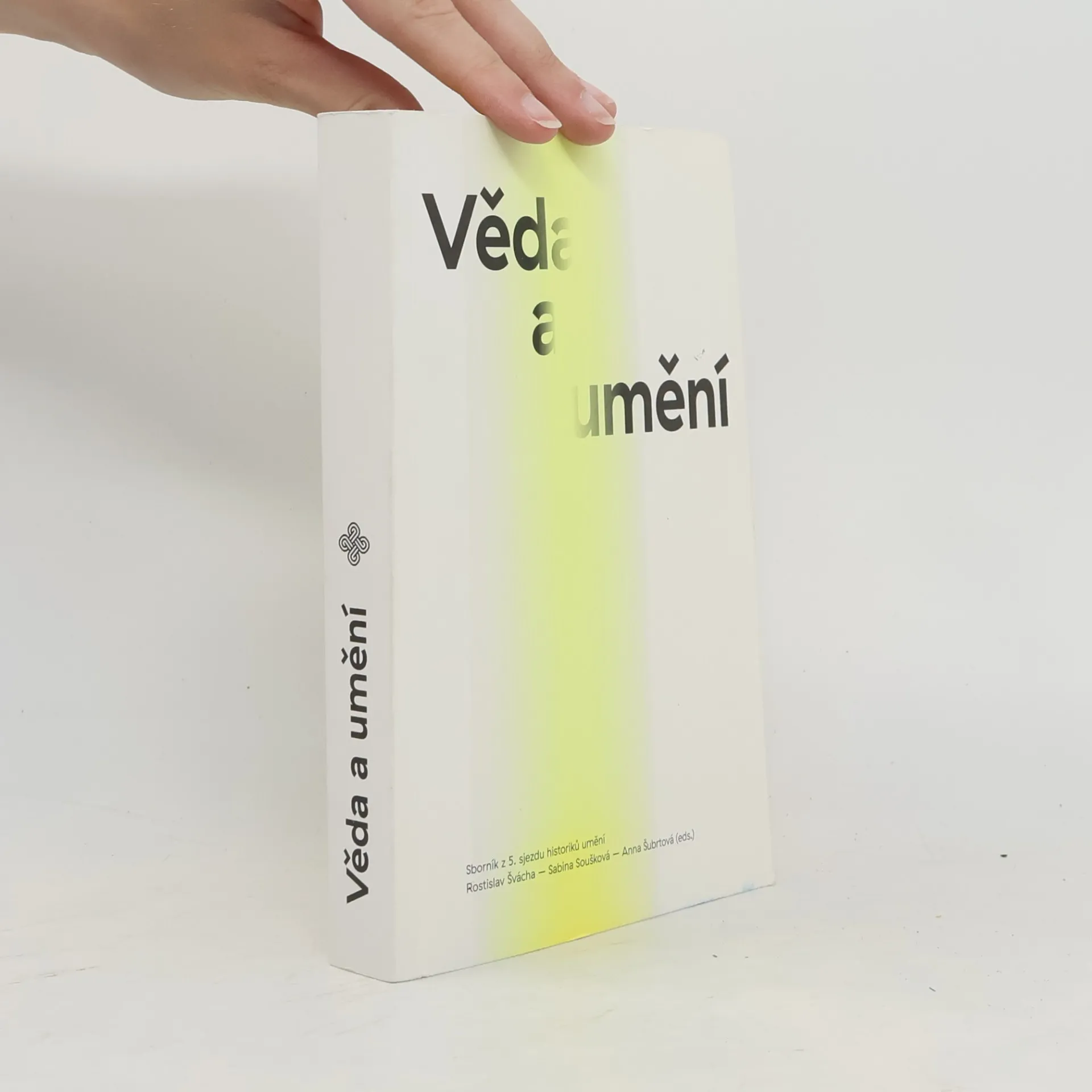
Sborník příspěvků z 5. sjezdu historiků umění, který se konal v září 2015 v Olomouci a jenž se věnoval různým aspektům širokého tématu vztahu umění a vědy. Editoři: Rostislav Švácha, Sabina Soušková a Anna Šubrtová.
Kniha poprvé sleduje dějiny umění v Čechách a na Moravě v jednom knižním svazku. Zachycuje vývoj a proměny umělecké tvorby v českých zemích od Velké Moravy až po současnost. Zabývá se malířstvím, sochařstvím, architekturou, knižní malbou, uměleckým řemeslem, fotografií i jinými druhy umělecké tvorby, osm stovek vybraných děl zasazuje do historických souvislostí jejich vzniku. Jádro knihy tvoří takzvané „rodinky“, skupiny dvou, tří nebo čtyř uměleckých prací, které spojuje dohromady osobnost královského nebo šlechtického objednavatele, vznik díla v prostředí starých klášterů, na půdě moderních akademií nebo na pozadí dobových náboženských a politických proudů, příslušnost k vyhraněnému uměleckému směru, různá ztvárnění jednoho tématu i jiné zajímavé vazby. V „rodinkách“ se čtenářům představí nejvýznamnější umělecké výkony spojené s českým územím i nejvýraznější umělecké osobnosti, od mistra Theodorika a Petra Parléře přes tvůrce kubistické a meziválečné avantgardy po Krištofa Kinteru, Federica Díaze a jiné současné umělce. Kniha vzácně spojuje erudovanost více než 30 autorů, odborníků na jednotlivá období z Ústavu dějin umění AV ČR, a kultivovaný a srozumitelný jazyk. Je tak dostupná každému hlubšímu zájemci o výtvarné umění a stává se základní příručkou nejen pro odborníky, studenty humanitních oborů, ale i pro širokou veřejnost na desítky následujících let. Vychází v české a anglické mutaci.
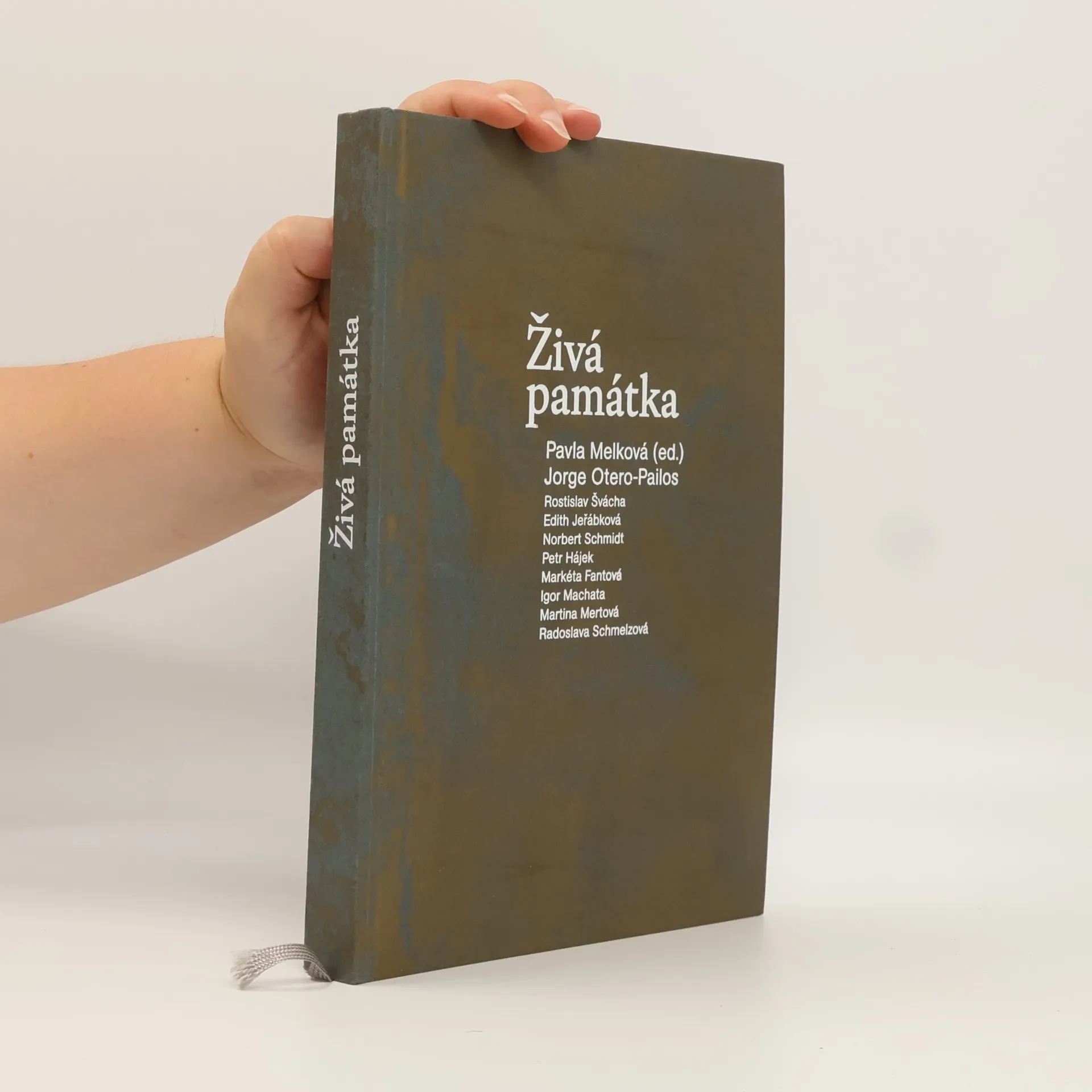
Sborník představuje nový způsob myšlení o disciplíně památkové péče. Přináší český překlad esejů Jorge Otero-Pailose, profesora a ředitele památkové péče na Kolumbijské universitě (NY), v dialogu s texty českých odborníků na danou problematiku.
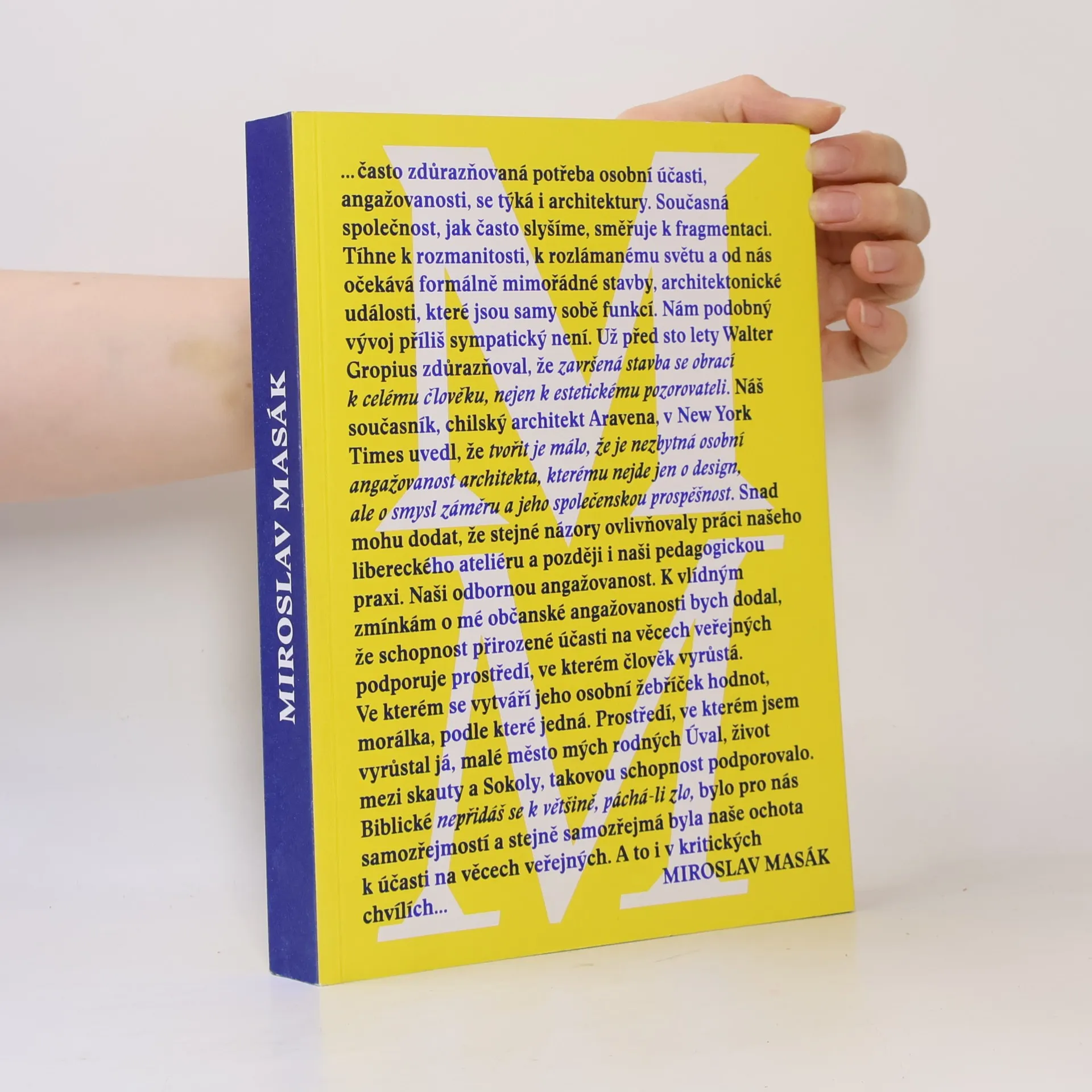
Biblické nepřidáš se k většině, páchá-li zlo, bylo pro nás samozřejmostí a stejně samozřejmá byla naše ochota k účasti na věcech veřejných. A to i v kritických chvílích… Miroslav Masák Miroslav Masák (*1932) se výrazně zapsal do dějin české architektury šesti posledních desetiletí. S autorem věže na Ještědu Karlem Hubáčkem založil v roce 1968 proslulé liberecké sdružení Sial a zorganizoval Školku Sial, ve které se sešli nejtalentovanější mladí čeští architekti té doby. K důležitým Masákovým pracím, jejichž navrhování vedl, patří obchodní centrum Ještěd v Liberci, zdemolované v roce 2009, obchodní dům Máj v Praze nebo rekonstrukce pražského Veletržního paláce. Po Listopadu 1989 se jako asistent prezidenta Havla Masák podílel na zpřístupňování Pražského hradu a vynikl pak jako učitel architektury a jako porotce mnoha úspěšných architektonických soutěží. O proměnách Masákova díla v knize píše historik architektury Rostislav Švácha, jehož kapitoly provázejí Masákovy komentáře k jeho nejvýznamnějším projektům a stavbám a jeho teoretické texty z let 1966–2019. Kniha vychází jako první svazek edice O poslání architektů.
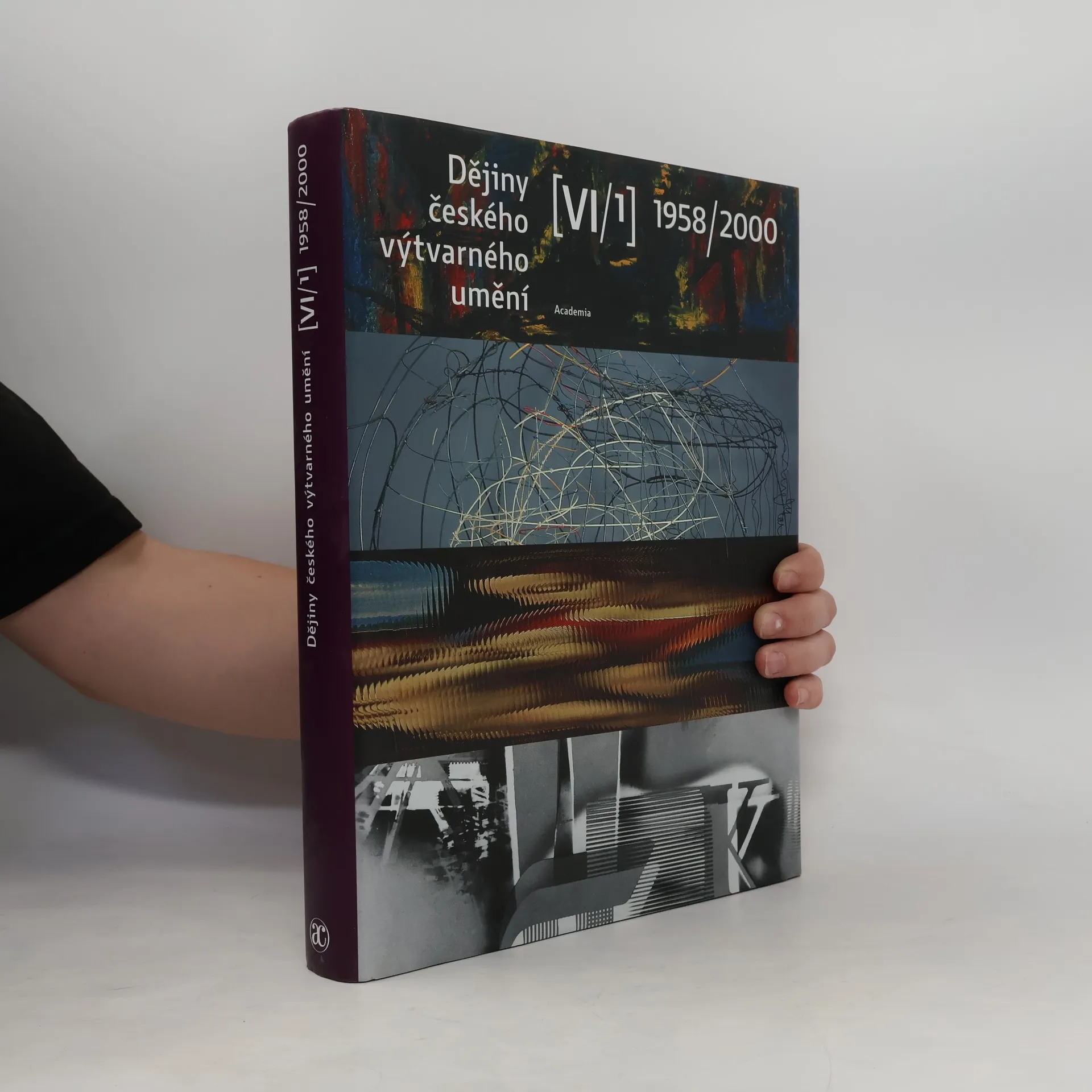
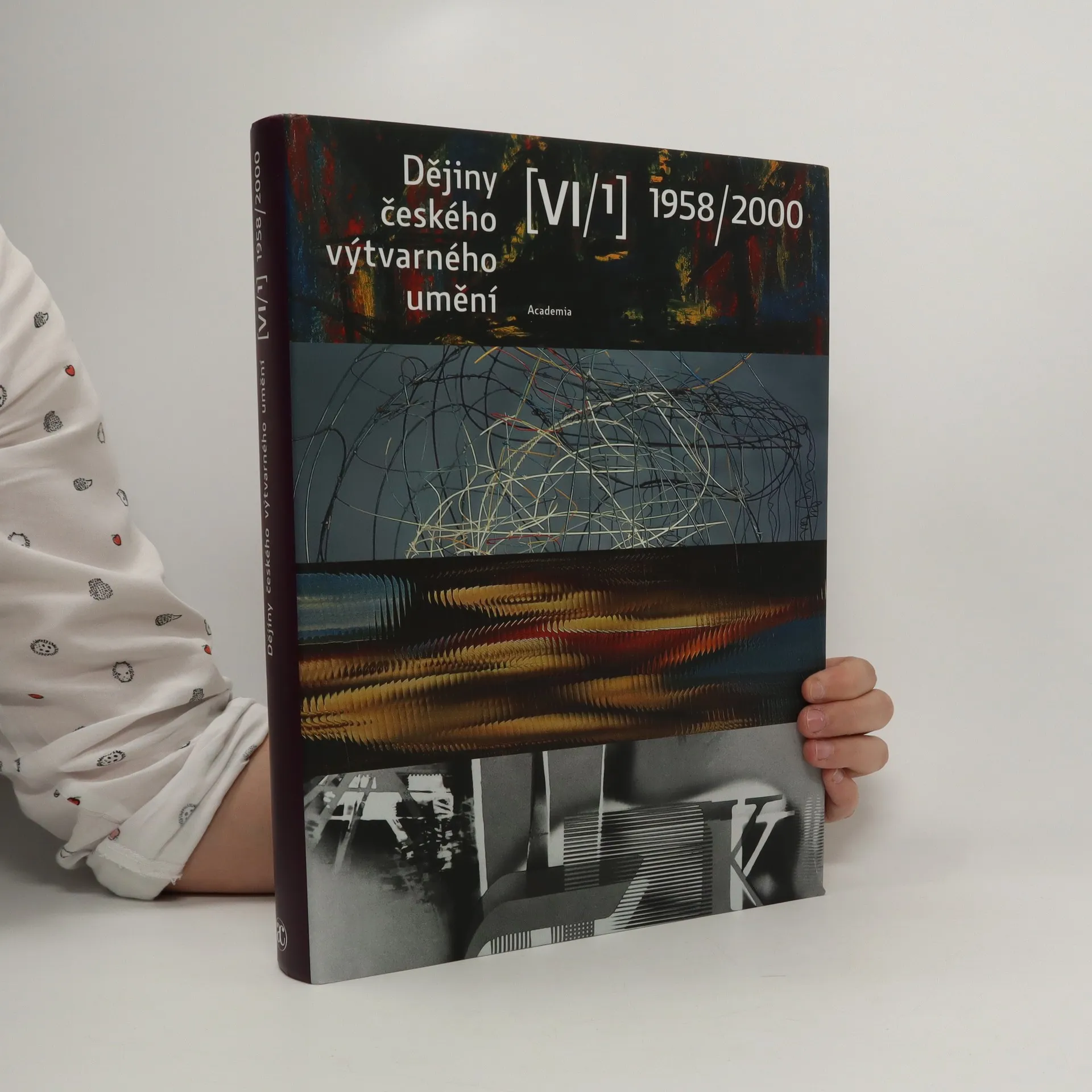
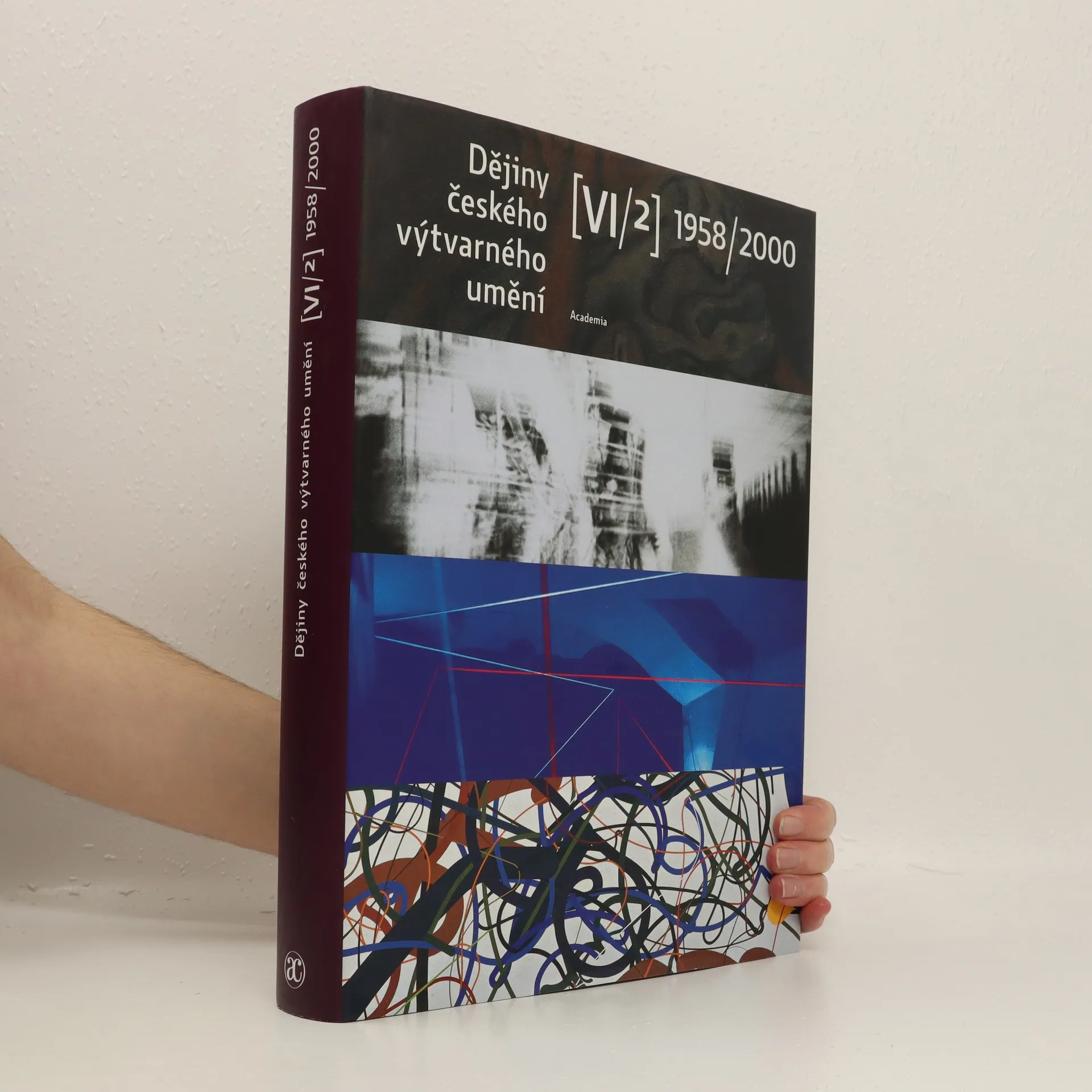
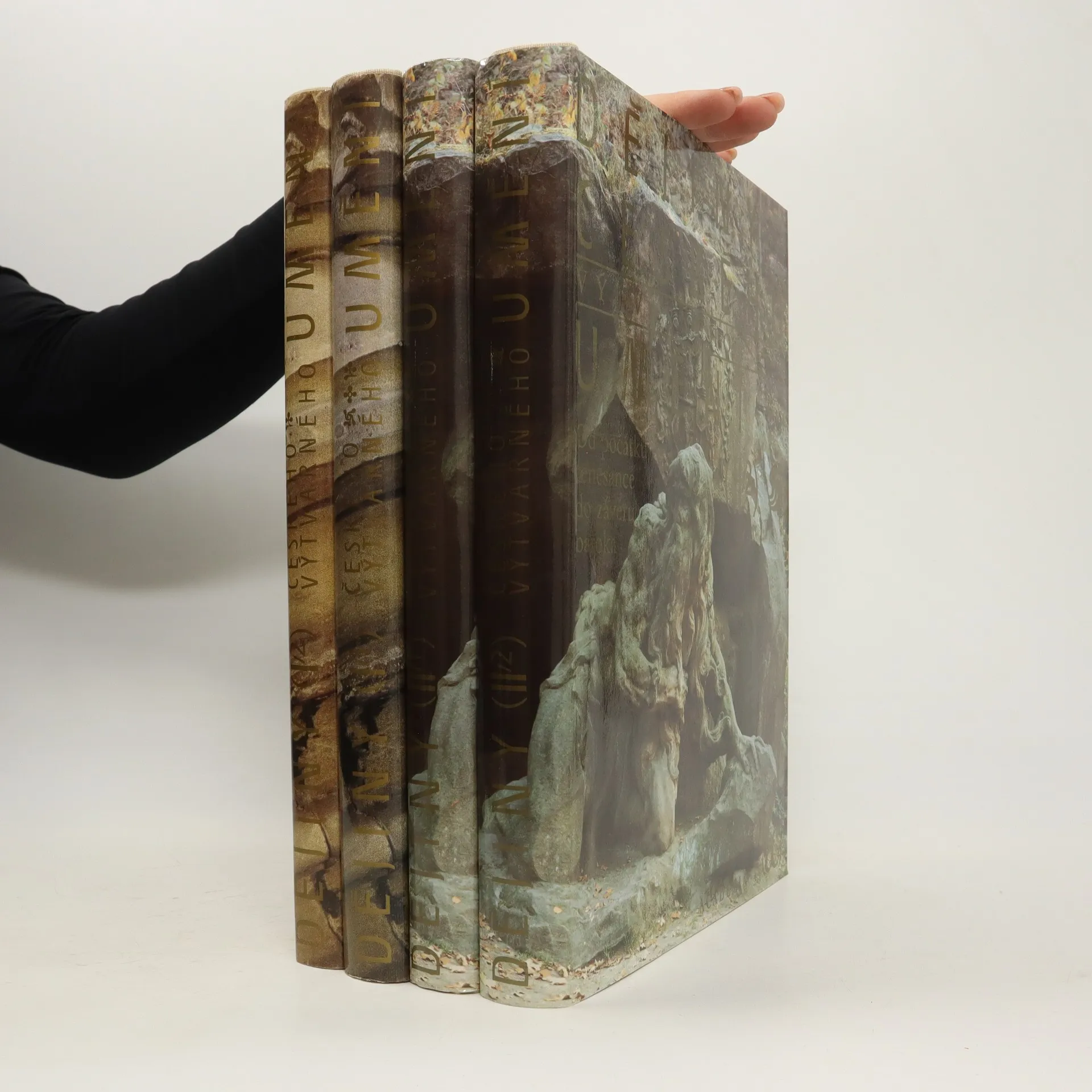
Šestým dílem, vzhledem k velkému rozsahu rozděleným do dvou svazků, se dovršuje velký projekt, který započal už v osmdesátých letech 20. století dílem věnovaným umění středověkému. Období, které je představeno v závěrečném díle, se dělí do několika period. Začíná proslulým vystoupením československých umělců a architektů na EXPO 58 v Bruselu, dále následují šedesátá léta, během nichž české umění těžilo z „tání“ politických poměrů před rokem 1968, potom téměř dvě desetiletí normalizace a konečně umění v zásadně změněné politické a společenské situaci po roce 1989, do současnosti. Autoři – historici umění z Ústavu dějin umění AV ČR, z univerzit a z dalších institucí pojednávají o vývoji českého umění ve všech jeho oblastech a žánrech – od architektury, malířství, kresby, grafiky a sochařství přes umělecká řemesla, fotografii, scénografii atd. až po tzv. nová média, k nimž v současnosti patří například land art, body art nebo videoart. Zvláštní kapitoly jsou věnovány umělcům žijícím v exilu.
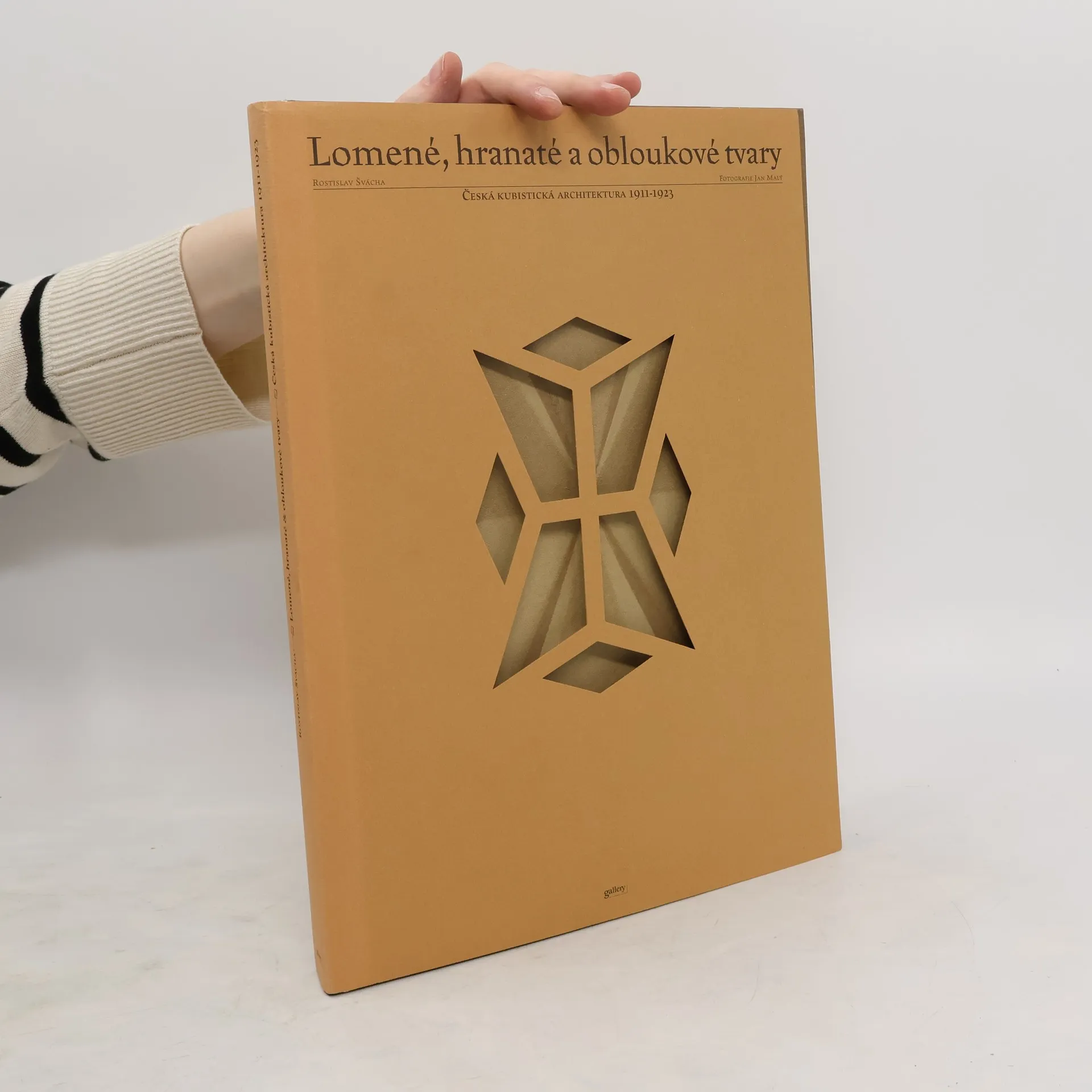
Přehledné dějiny vývoje originální české větve moderní architektury a portréty předních tvůrců tohoto stylu v nádherně vypravené knize, doplněnou bohatým fotografickým doprovodem.
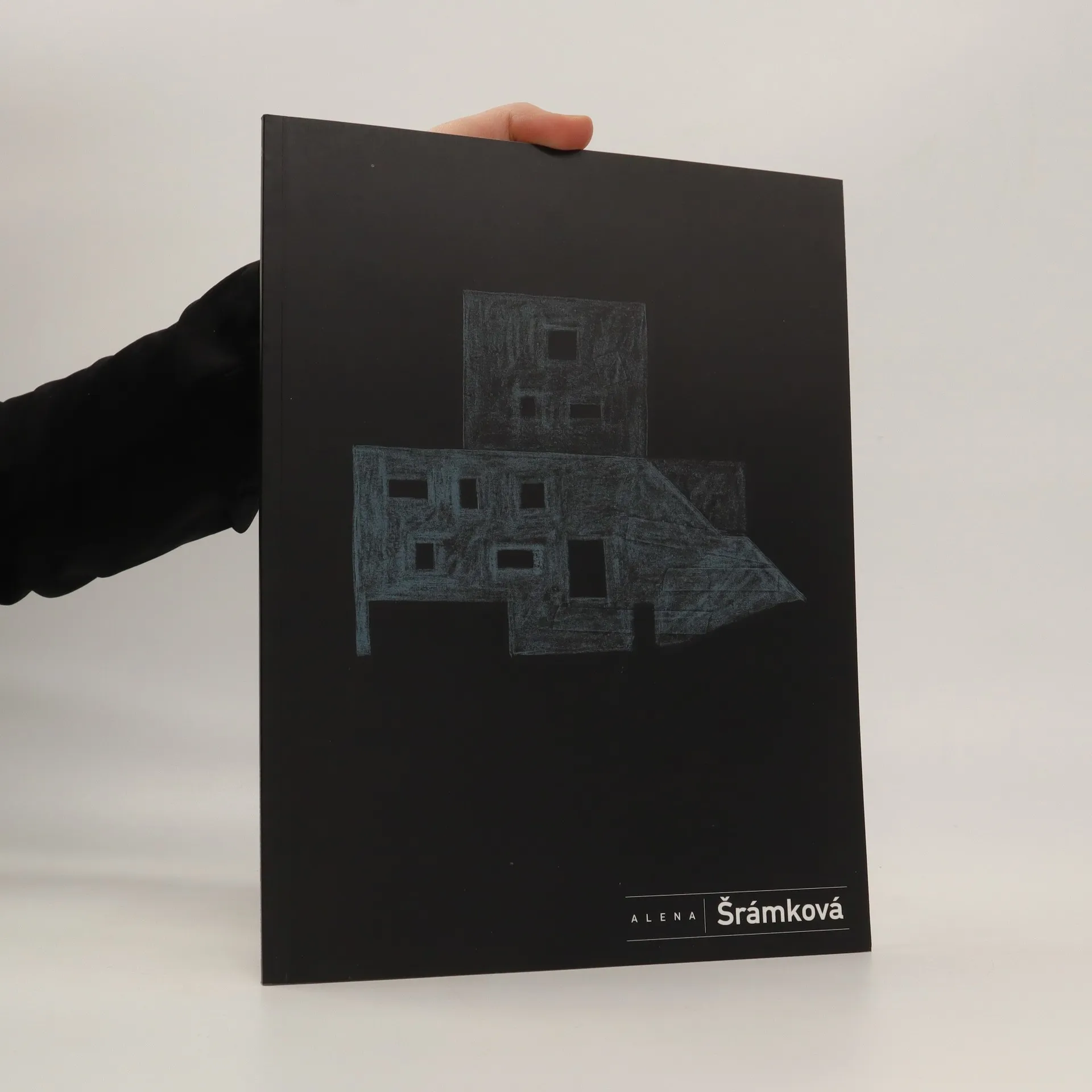
Kniha o nejvýznamnější české architektkce posledního půlstoletí vychází u příležitosti výstavy, kterou k devadesátinám Aleny Šrámkové uspořádalo Muzeum Kampa ve spolupráci s Národní galerií Praha. Architekt, filozof a čtyři historičky a historici moderní architektury v knize postihují osobnost a dílo Aleny Šrámkové z různých úhlů pohledu.
Kniha Paneláci je katalogem cyklu výstav Příběh paneláku, realizovaných v letech 2014-2017. Představuje padesát (nejen) panelových sídlišť ze všech krajů České republiky. Publikace je rozdělena do šesti kapitol podle vývojových etap, které sledují proměny ekonomických, společenských a kulturních podmínek i technických možností ve stavebnictví. Přibližuje okolnosti a důvody výstavby sídlišť, architekturu a urbanismus těchto celků a osobnosti jejich autorů. Součástí jsou též demografické studie o proměnách obyvatelstva sídlišť, rozsáhlá dobová i současná fotodokumentace, slovníček pojmů a přehled základních konstrukčních soustav.
První z řady kritických sborníků, které budou vydány Českou komorou architektů. Obsahuje texty autorů Friedricha Achleitnera, Paula Ricoeura, Alexandra Tzonise a dalších.
Publikace autorů Petra Všetečky a Rostislava Šváchy mapuje výjimečný příběh jednoho z nejpozoruhodnějších domů ve Zlíně – Zikmundovy vily, kterou architekt Zdeněk Plesník citlivě přetvořil pro slavného cestovatele Miroslava Zikmunda v 50. letech. Kniha zároveň představuje i další dílo z Plesníkova vilového souboru – vilu Jiřího Hanzelky či vilu Zdeňka Lišky – a zařazuje je do širšího kontextu Plesníkovy modernistické architektury.
Publikace je bohatě ilustrována archivními fotografiemi, dochovanými skicami, výkresy i osobními záznamy Miroslava Zikmunda. Přibližuje nejen architektonickou hodnotu těchto domů, ale i duchovní rozměr místa, které se stalo útočištěm pro svobodné myšlení, uměleckou tvorbu i tichou rezistenci.
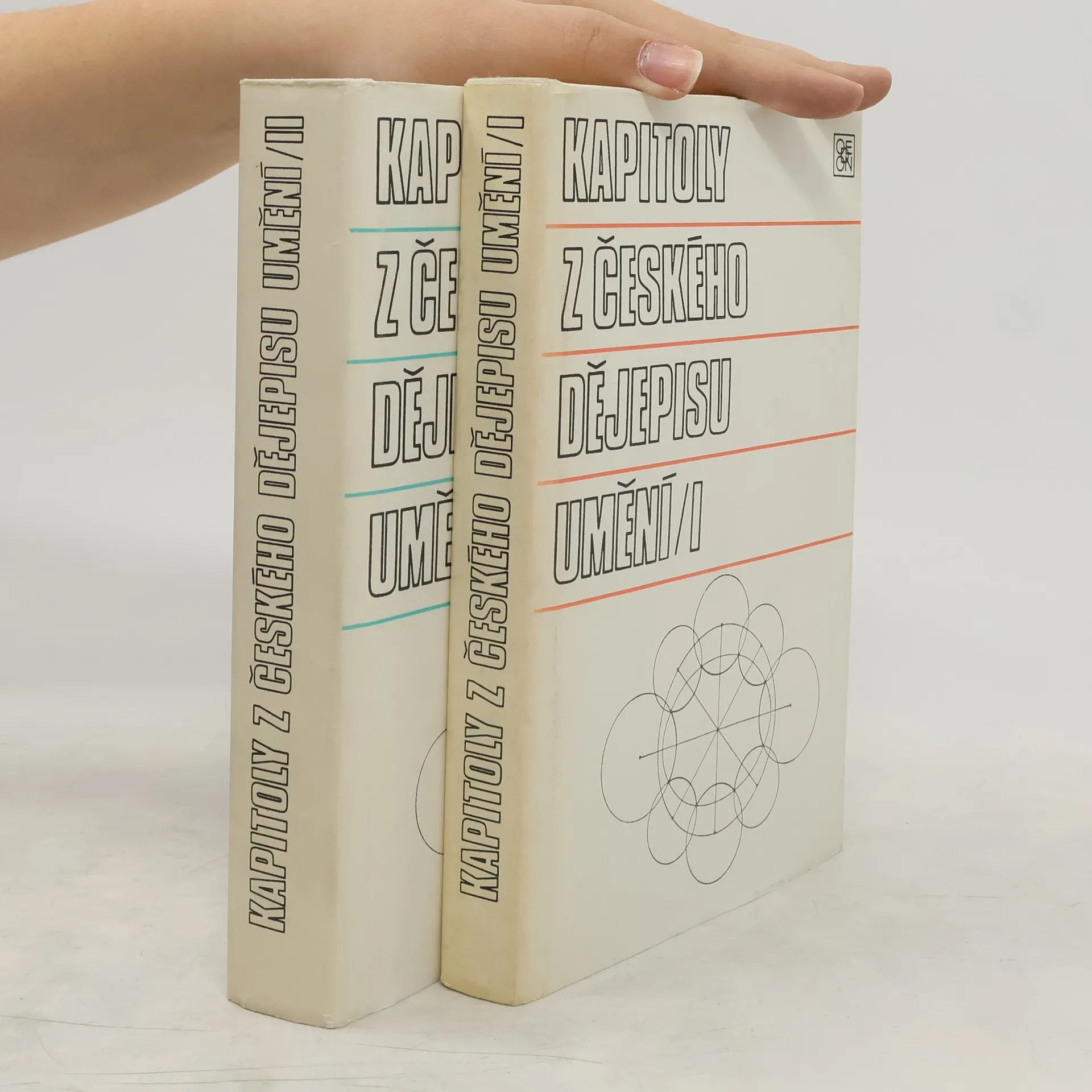
Kapitoly z českého dějepisu umění I a II. Předchůdci a zakladatelé. Dvacáté století je soubor dvou svazků, které se zaměřují na klíčové momenty a osobnosti českého umění ve 20. století. První svazek se věnuje předchůdcům moderního umění v českém kontextu, zkoumá vlivy a trendy, které formovaly uměleckou scénu v období před první světovou válkou. Druhý svazek se soustředí na zakladatele a významné postavy českého umění během 20. století, analyzuje jejich přínos a vliv na vývoj uměleckých směrů a institucí.
Autoři se zabývají širokým spektrem uměleckých disciplín, včetně malířství, sochařství, architektury a designu, a reflektují historické, politické a sociální kontexty, které ovlivnily uměleckou produkci. Publikace poskytuje čtenářům komplexní pohled na české umění, jeho vývoj a transformace, a zároveň mapuje důležité mezníky a osobnosti, které přispěly k jeho utváření. Text je doplněn ilustracemi a příklady uměleckých děl, což usnadňuje porozumění zkoumaným tématům.