

This fascinating book explores how we reason about the value and status of multilingualism today, where we do so, and in relation to which persons, communities, and languages. The critical approach to multilingualism that this book traces is one that openly intends to strengthen the usability of this visionary concept.
David Gramling Books
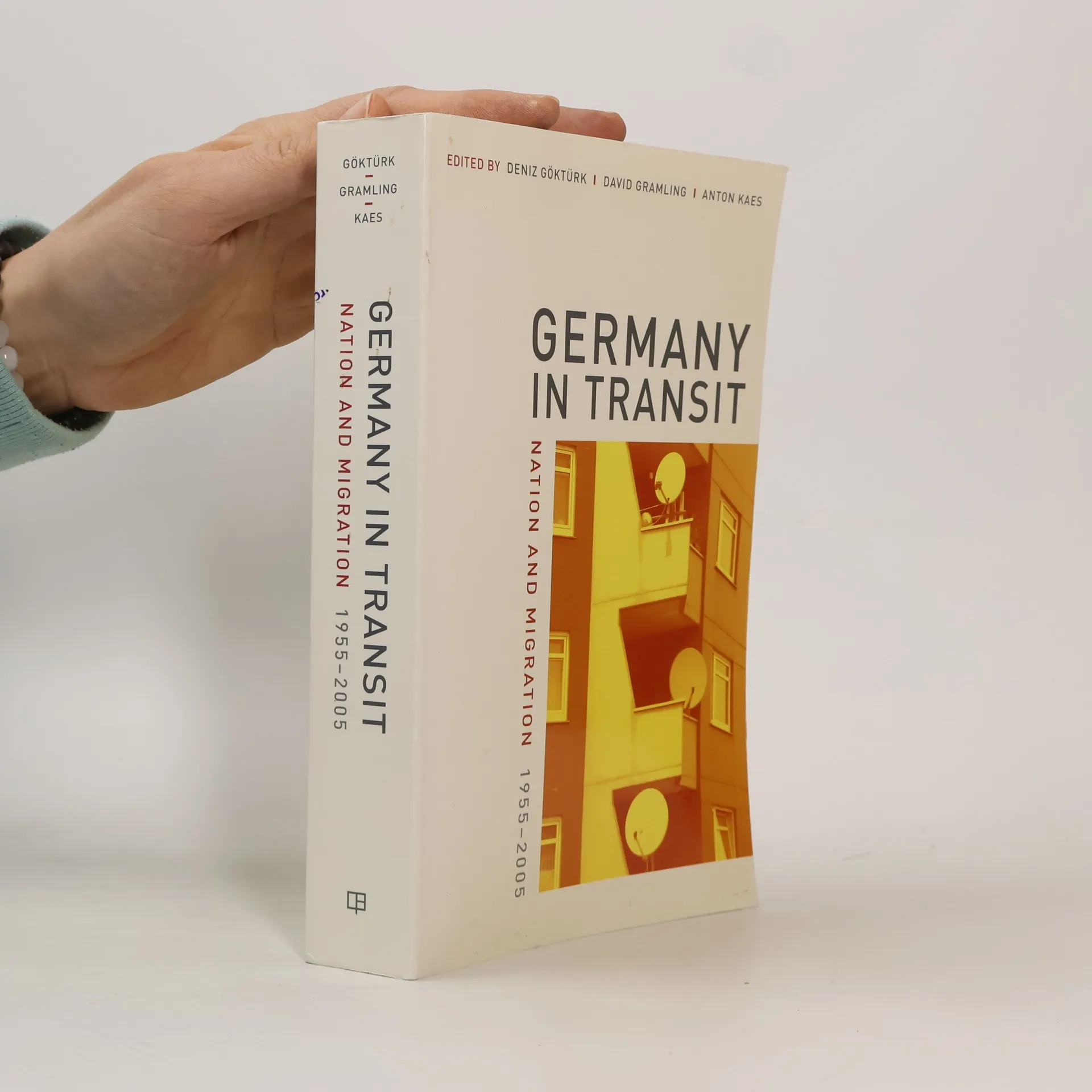

How does migration change a nation? Germany in Transit is the first sourcebook to illuminate the country's transition into a multiethnic society―from the arrival of the first guest workers in the mid-1950s to the most recent reforms in immigration and citizenship law. The book charts the highly contentious debates about migrant labor, human rights, multiculturalism, and globalization that have unfolded in Germany over the past fifty years―debates that resonate far beyond national borders.This cultural history in documents offers a rich archive for the comparative study of modern Germany against the backdrop of European integration, transnational migration, and the fall of the Berlin Wall.Divided into eleven thematic chapters, Germany in Transit includes 200 original texts in English translation, as well as a historical introduction, chronology, glossary, bibliography, and filmography.