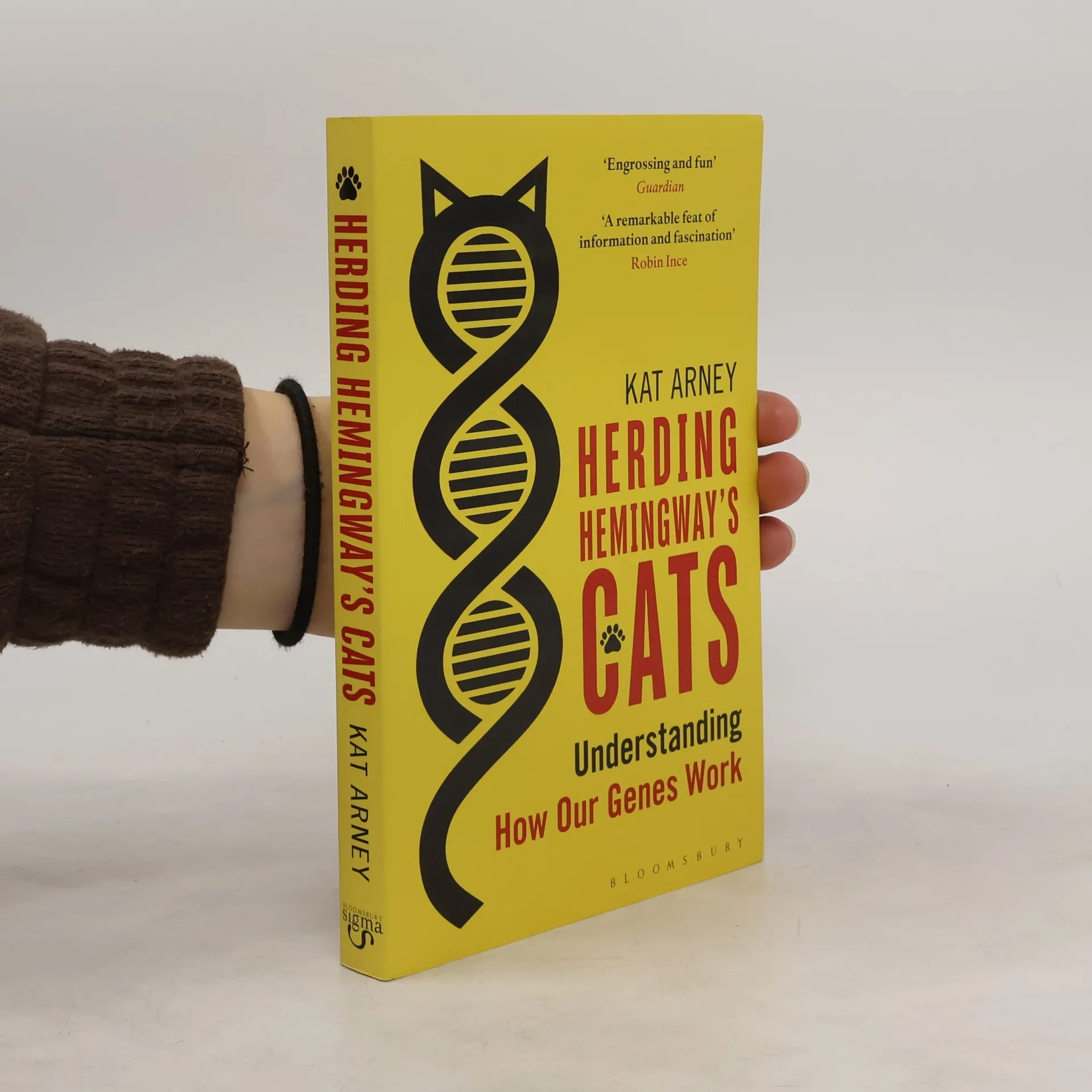
Kat Arney excels at translating complex scientific subjects into accessible and engaging narratives for a broad audience. Her work delves into the intricate connections between science, evolution, and the fundamental processes of life. With a deep understanding of genetics and life sciences, she crafts clear and precise prose. Arney's writing aims to illuminate how science shapes our world and our understanding of it.
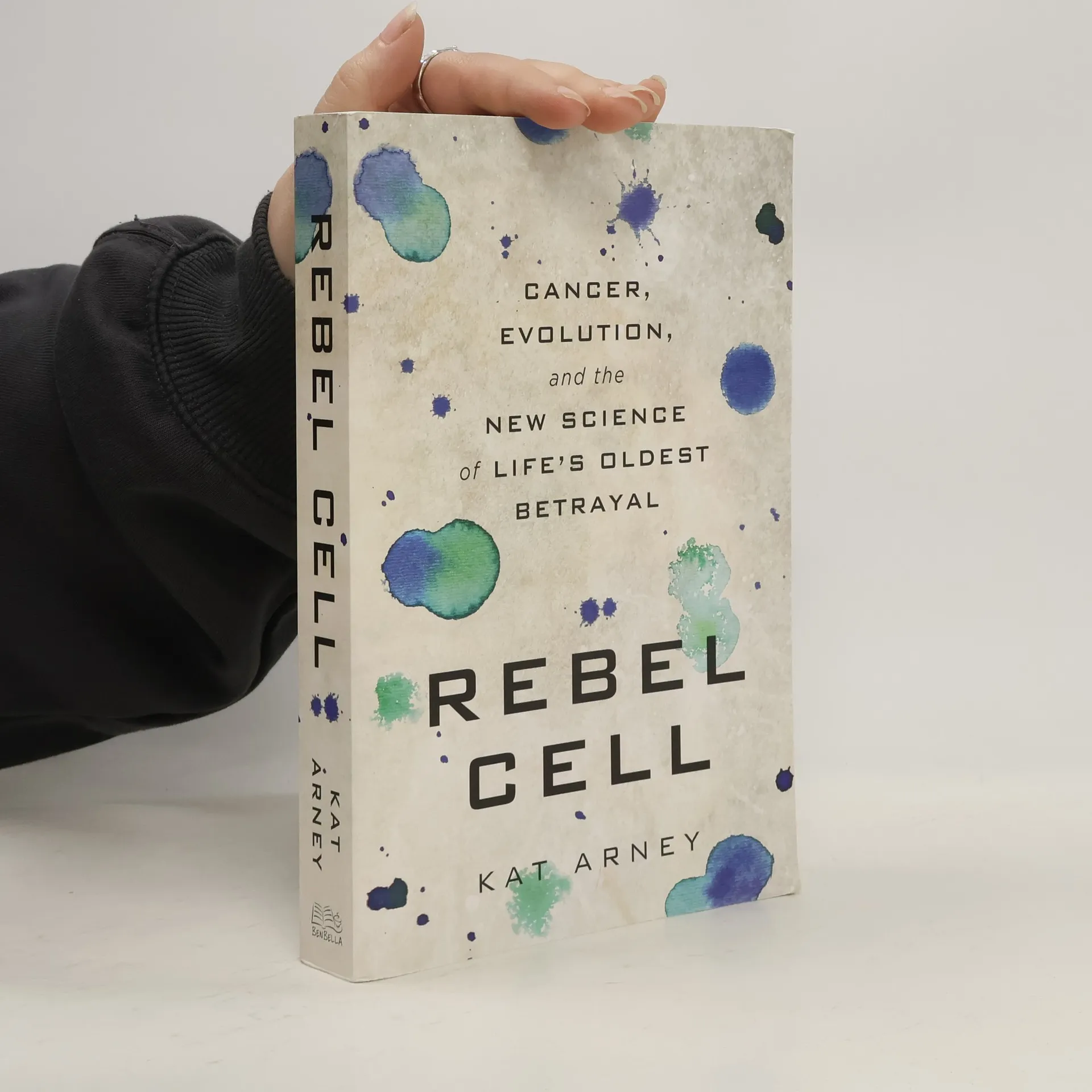
Cancer, Evolution, and the New Science of Life's Oldest Betrayal
416 pages
15 hours of reading
Focusing on the mechanisms and root causes of cancer, Kat Arney presents a compelling argument for reexamining our understanding of this pervasive disease. She emphasizes the need for a new perspective to effectively combat cancer and shares an optimistic vision for advancements in human medicine. Through her insights, readers are encouraged to consider innovative approaches in the fight against cancer, highlighting both the challenges and potential breakthroughs in medical science.
Introduction: It's All About that Base 1. It's Not What You've Got, It's What
You Do With It That Counts 2. Taking Out the Garbage 3. A Bit of Dogma 4.
Throwing the Switch 5. The Secret's in the Blend 6. Cats with Thumbs 7. Fish
with Hips 8. Mice and Men and Mole Rats, Oh My! 9. Party Town 10. Pimp My
Genome 11. Cut and Paste 12. Nature's Red Pen 13. Ever Increasing Circles 14.
Silence of the Genes 15. Night of the Living Dead 16. On the Hop 17. Opening a
Can of Wobbly Worms 18. Everyone's a Little Bit Mutant 19. Opening the Black
Box 20. Blame the Parents 21. Meet the Mickey Mouse Mice 22. In Search of the
21st-Century Gene Glossary I'd like to thank . References Index
Warum Krebs in unserem Körper entsteht und wie neue Therapien ihn überlisten können
432 pages
16 hours of reading
Krebs begleitet uns seit den Anfängen des Lebens und hat nicht nur Menschen, sondern auch unsere Vorfahren, Säugetiere und Dinosaurier getötet. Tödliche Tumore finden sich in Nutz- und Wildtieren. Oft wird Krebs als modernes Problem betrachtet, das durch unseren Lebensstil verursacht wird, doch das ist irreführend. Krebs ist ein universelles Risiko, das in nahezu jeder lebenden Kreatur lauert, weil er der Fehler im System des Lebens ist. Die Entstehung von Krebs erfolgt, wenn Zellen rebellieren, ihre molekularen Fesseln abwerfen und in eine chaotische Parodie normalen Lebens übergehen. Diese Rebellion ist unvermeidbar, da die Gene, die Krebs fördern, auch für essentielle Lebensfunktionen verantwortlich sind. Seit Millionen von Jahren fordert diese Zellrebellion ihre Opfer, doch erst im 20. Jahrhundert haben Ärzte und Wissenschaftler bedeutende Fortschritte im Verständnis und in der Behandlung von Krebs erzielt. In den letzten Jahrzehnten wird intensiv geforscht, um tatsächlich Durchbrüche in der Krebsbehandlung zu erreichen. Wissenschaftler haben kürzlich die Zellrebellion des Krebses genauer untersucht und beginnen, wirksame Therapien zu entwickeln.