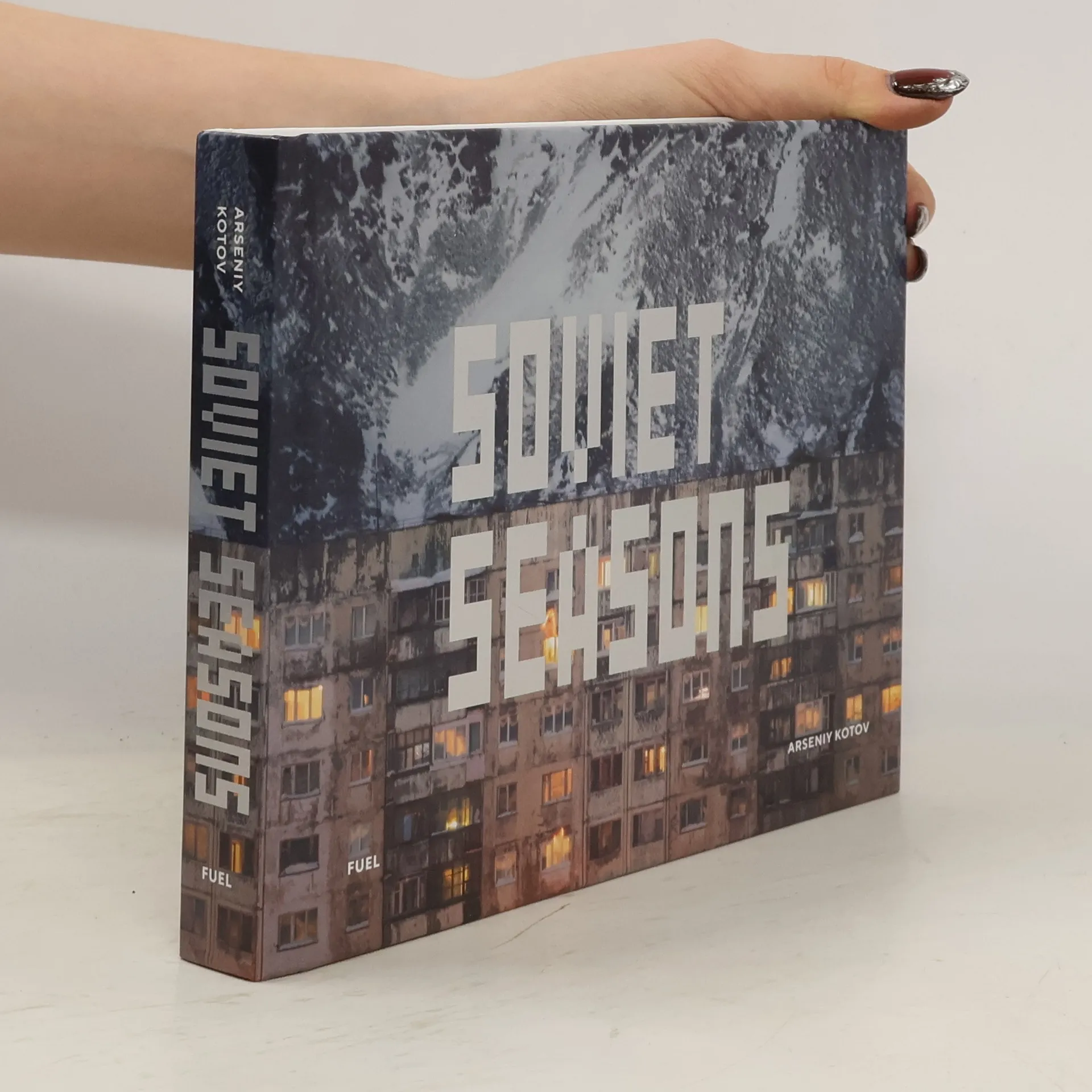
In Soviet Seasons, Arseniy Kotov reveals unfamiliar aspects of the post-Soviet terrain in sublime photographs. From snow-blanketed Siberia in winter to the mountains of the Caucasus in summer, these images show how a once powerful, utopian landscape has been affected by the weight of nature itself.
The architectural heritage of the Soviet period remains largely unacknowledged, leading to the destruction or alteration of many unique modernist buildings in Russian cities. Photographer Arseniy Kotov aims to document these structures and their surroundings before they disappear. He prefers to shoot in winter during the "blue hour," when warm yellow lights from apartment windows contrast with the twilight gloom outside, evoking an idealized vision of the Soviet era. Kotov imagines a great civilization built on a fair society, aspiring to explore nature and conquer space. His work spans locations from the Baikonur Cosmodrome in Kazakhstan to the stark high-rise dormitory blocks of Volgograd, capturing the essence of the post-Soviet landscape. He reflects on the remnants of the USSR, showcasing outstanding buildings that once housed Soviet citizens and illustrating how cities appeared: devoid of decoration, bright colors, or luxury, characterized instead by bare concrete and powerful forms. This beautifully designed volume is part of Fuel's inspiring series on Soviet-era architecture, revealing the enduring legacy of a bygone era.
"Featuring 60 recipes, each introduced with an insightful historical anecdote and accompanying image sourced from original Soviet cook books"--Page 4 of cover
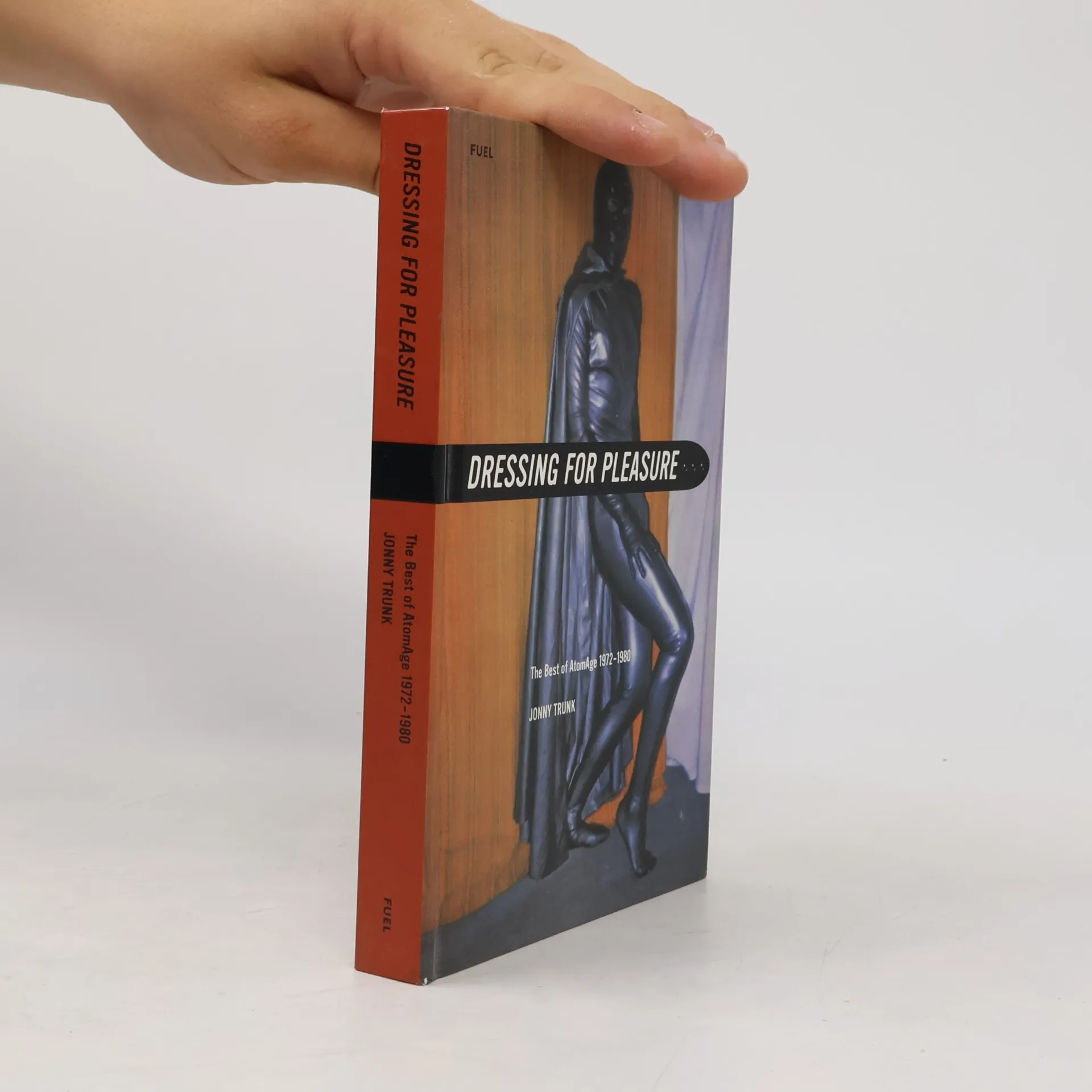
For early devotees of leather, rubber, and vinyl fetish wear, Atomage magazine was the underground bible of the 1970s. Founded by English designer John Sutcliffe, it served as a platform for his talents in manufacturing weatherproofs for lady pillion riders and quickly became a rallying point for various clothing scenes. Functioning as both an instruction manual and a mirror, it showcased experimental clothing, including items made by readers, transforming a sexual proclivity into a cult phenomenon. Covering everything from motorbiking and mask-wearing to mudlarking, Atomage explored every conceivable variant of fetish wear. The amateur photographs reflect a golden age of DIY enthusiasm, depicting a suburbia where dressing for pleasure was a necessary escape. The outrageous costumes inspired a new generation of fashion designers, including Vivienne Westwood, with many pieces later acquired by high-end collections. Compiling the most astonishing imagery from all 32 issues of this rare cult magazine, Dressing for Pleasure illustrates Sutcliffe's exceptional designs and captures the fantasies and desires of Atomage followers through their own photography and writings.