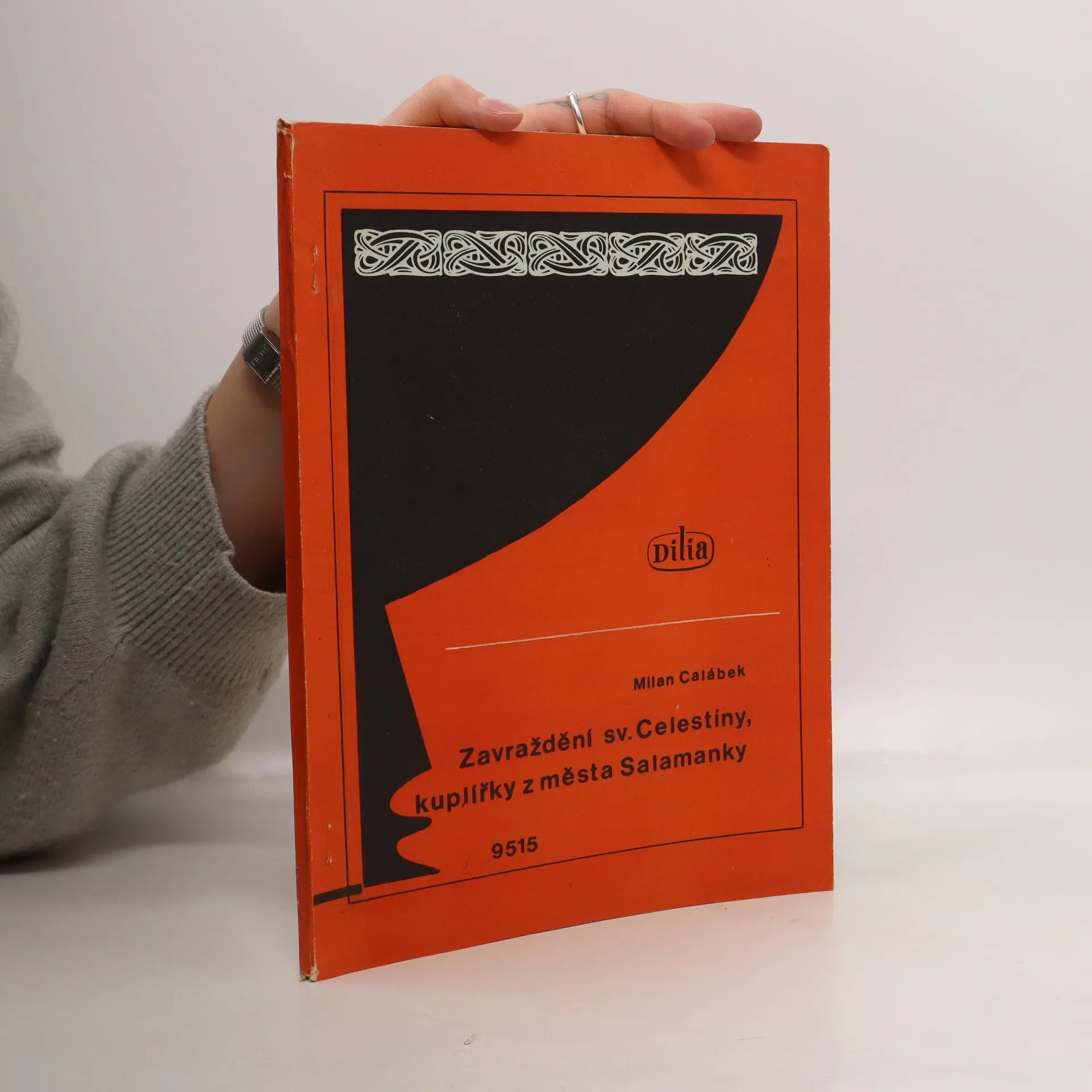
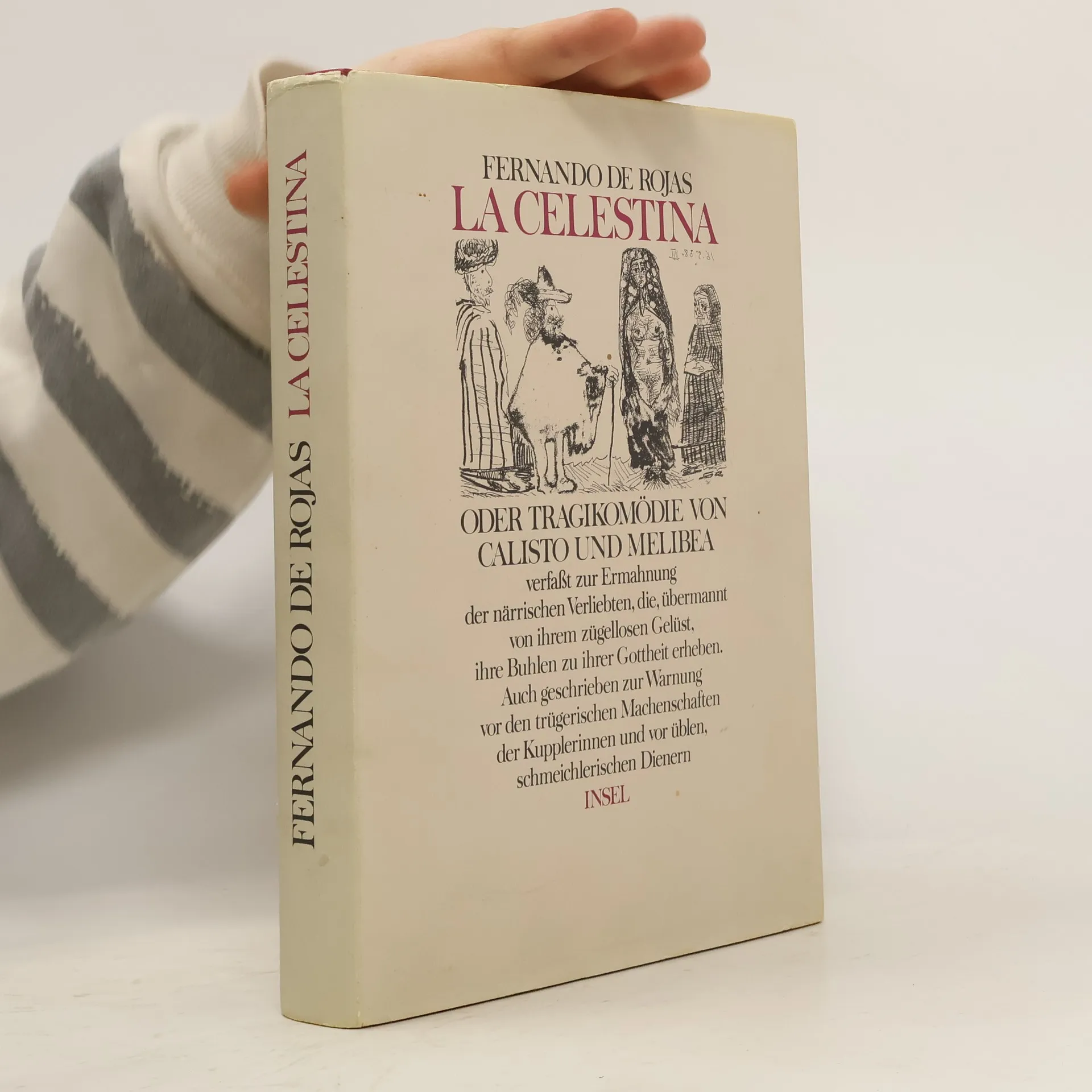
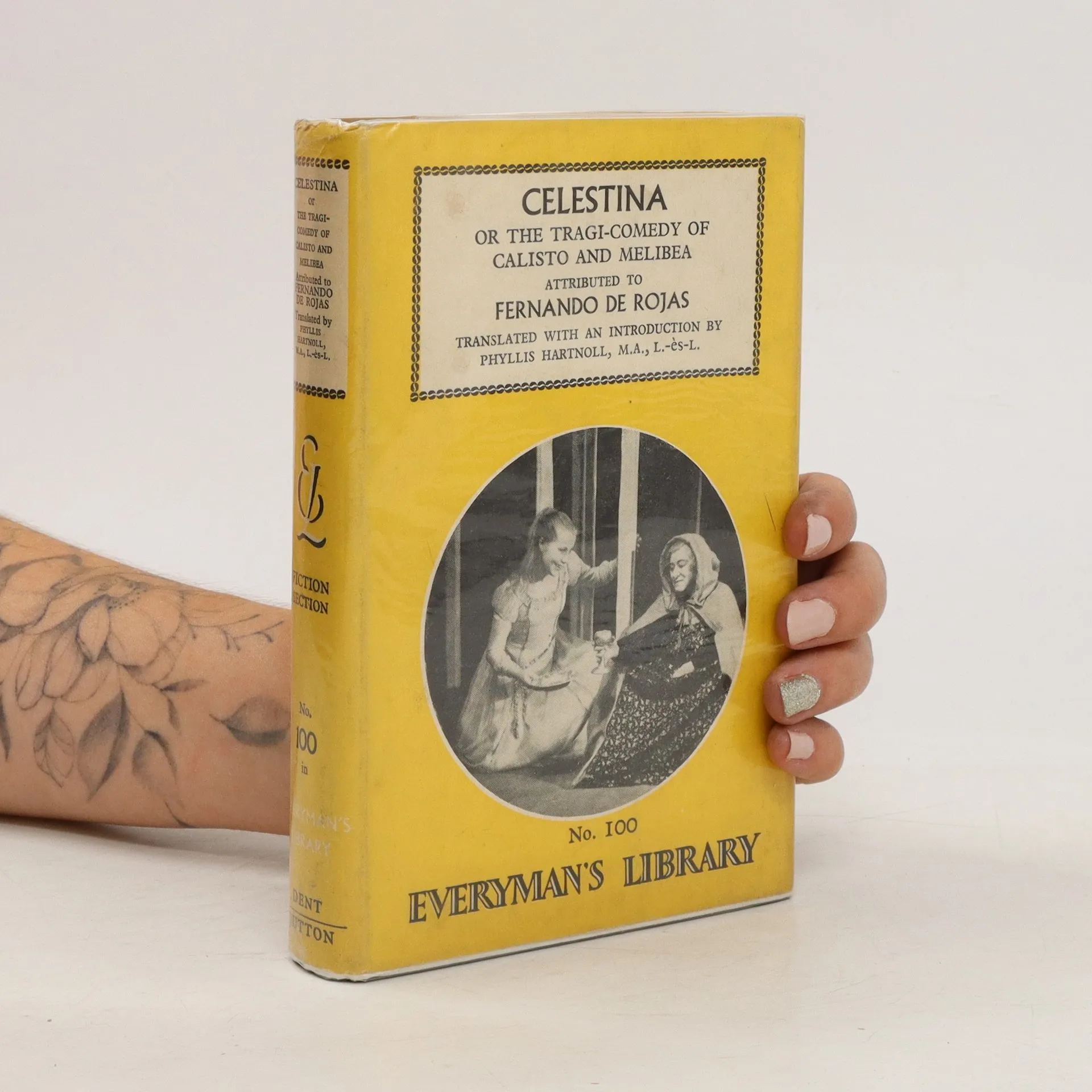
Celestina, or simply Celestina, is the title under which the Tragicomedy of Calisto and Melibea, attributed to Fernando de Rojas, has become popular. Its composition dates back to the late 15th century, during the reign of the Catholic Monarchs, although its extraordinary editorial success began in the 16th century and continued, with fluctuations, until its prohibition in 1792. Due to its romantic plot, didactic purpose, abundance of authoritative quotes, character choices, dialogic form, and probable connection to a university environment, Celestina is considered a unique example of humanistic comedy, though some prefer to view it as a hybrid between novel and drama. Its influence on both genres is significant, to the extent that one can speak of the subgenre of celestinesque, which includes works developed directly from its plot, characters, or themes, as well as celestinesque settings or characters in comedies and novels that, at first glance, have no connection to Celestina.
Fernando de Rojas Books
January 1, 1465 – January 1, 1541
Fernando de Rojas is a figure shrouded in mystery, primarily known for a single, groundbreaking work. This author is credited with initiating Spain's literary Renaissance through a tragic love story that captivated readers. While initially published anonymously, the author's identity was later subtly revealed. Despite the significance of his contribution, no other works are attributed to him, and he remains a largely enigmatic presence in literary history.