

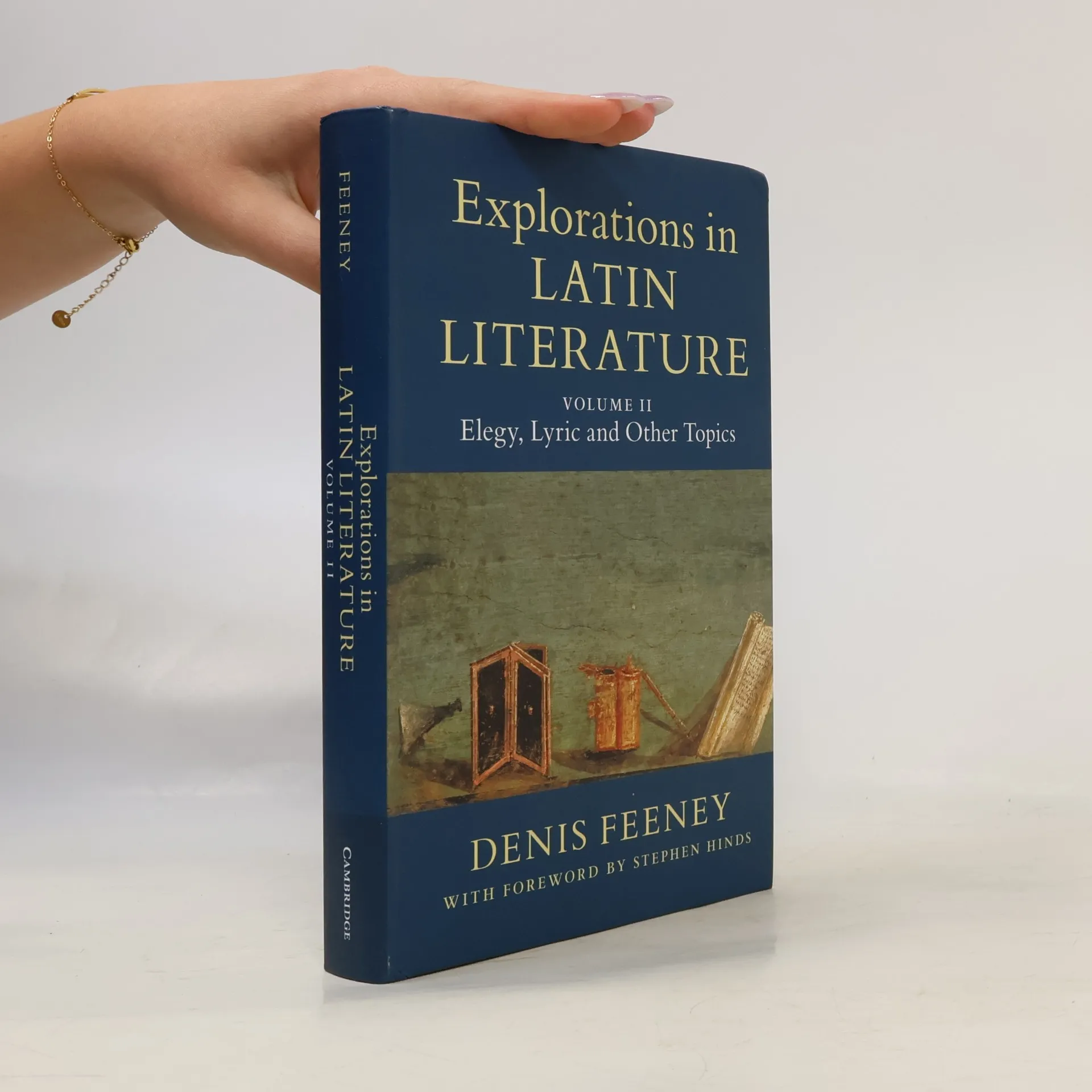
Denis Feeney is one of the most distinguished scholars of Latin literature and Roman culture in the world of the last half-century. These two volumes conveniently collect and present afresh all his major papers, covering a wide range of topics and interests. Ancient epic is a major focus, followed by Latin lyric, historiography and elegy. Ancient literary criticism and the technology of the book are recurrent themes. Many papers address the problems of literary responses to religion and ritual, with an interdisciplinary methodology drawing on comparative anthropology and religion. The transition from Republic to Empire and the emergence of the Augustan principate form the background to the majority of the papers, and the question of how literary texts are to be read in historical context is addressed throughout. All quotations from ancient and modern languages have now been translated and Stephen Hinds has contributed a foreword.
Denis Feeney Book order (chronological)
The Aeneid
- 400 pages
- 14 hours of reading
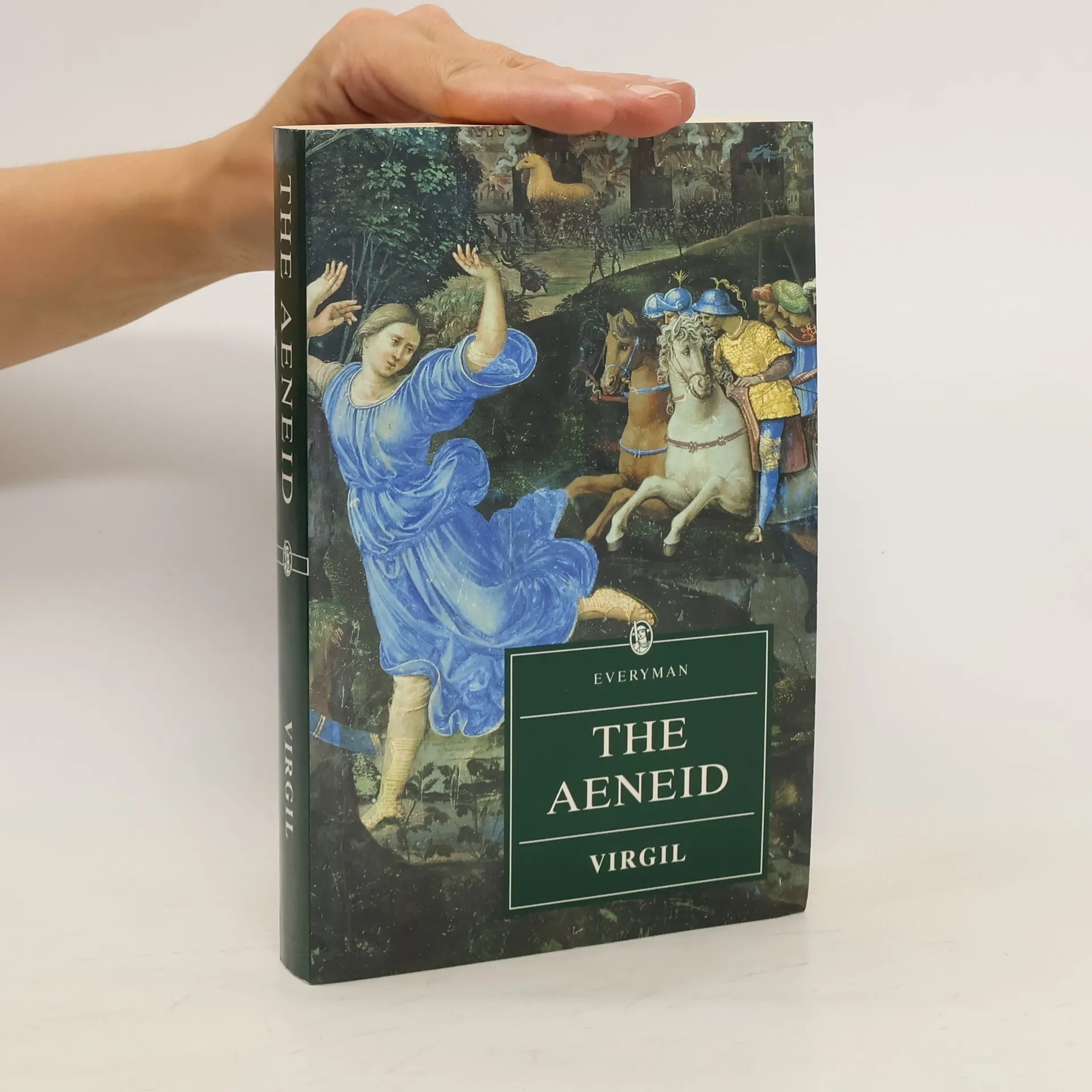
Virgil was the greatest of the Roman poets and "The Aeneid" served as the model for all the Latin epics of the medieval period and then for the new classical epic of the Renaissance. This study edition contains both the text and a commentary upon it.