

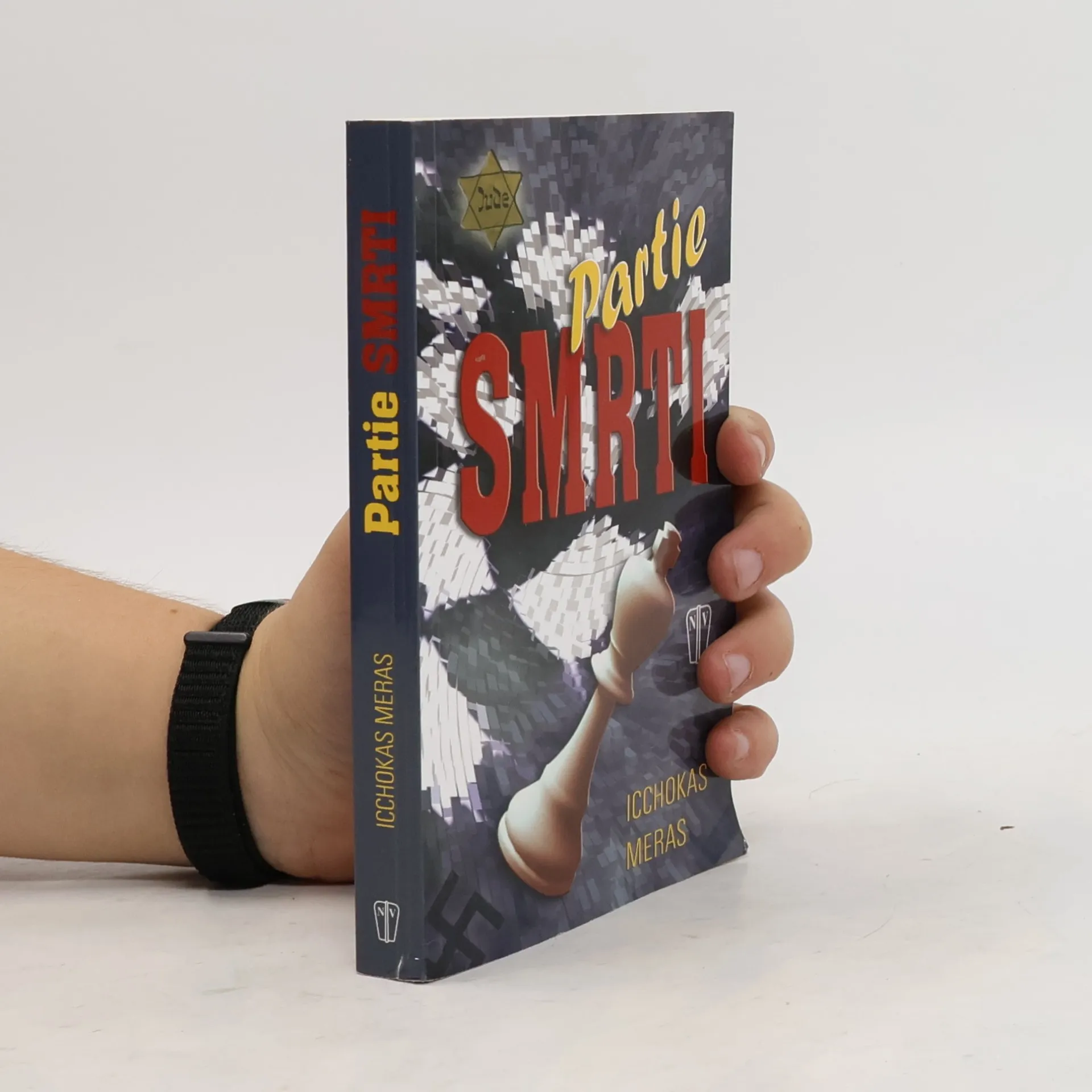
Sáhne-li autor po tematice mnohokrát zpracované, může riskovat, nezájem čtenáře. Pokud ovšem svou metodou, tvůrčím přístupem k látce nevytvoří dílo osobité, v němž příběh, život, osud člověka vyvstane v jiném světle, v nových souvislostech. Zdá se, že autor této knihy měl tuto ctižádost i touhu a komponoval své dílko jako malou symfonii, chcete-li litanii biblického smutku a básnivé obraznosti. O čem vypráví? O židovském ghettu v jednom litevském městě na konci druhé světové války. Stařešina ghetta – starý Abrahám se dozví, že děti do deseti let mají být z ghetta odvezeny a likvidovány. Jde za velitelem tábora Schogerem a přednese mu prosbu „rady starších“, aby děti ušetřil. Němec souhlasí, ale s podmínkou, že Abrahámův syn Izák, který se Schogerem hrává šachy a vždy ho dosud porazil, s ním sehraje o děti partii. Když Izák vyhraje, děti budou žít, avšak Izák a později i jeho milovaná Ester to zaplatí životem. Když prohraje, zůstane na živu, ale děti půjdou do plynu. Jen remíza zachová status quo. Usednou tedy k šachovnici, cynický lágerführer a židovský chlapec, a hrají partii, v níž jde o životy lidí. Každý tah figurkou otvírá jednu kapitolu, v níž se pak exponují osudy jednotlivých hrdinů. Objevují se na scéně vždy ve vypjatých situacích, střetávají se s krutými okolnostmi a bojují za lidskou důstojnost, často i za cenu života.
Icchokas Meras Book order (chronological)
Icchokas Meras was a Lithuanian writer whose work often delves into the profound traumatic experiences of childhood that shaped his worldview. His prose is characterized by a strong existential undercurrent, exploring themes of survival, memory, and human resilience in the face of unimaginable suffering. Meras masterfully captures the complexities of the human psyche and the ethical dilemmas his characters confront. His writing serves as a piercing testament to the strength of the human spirit and the imperative to remember the past.

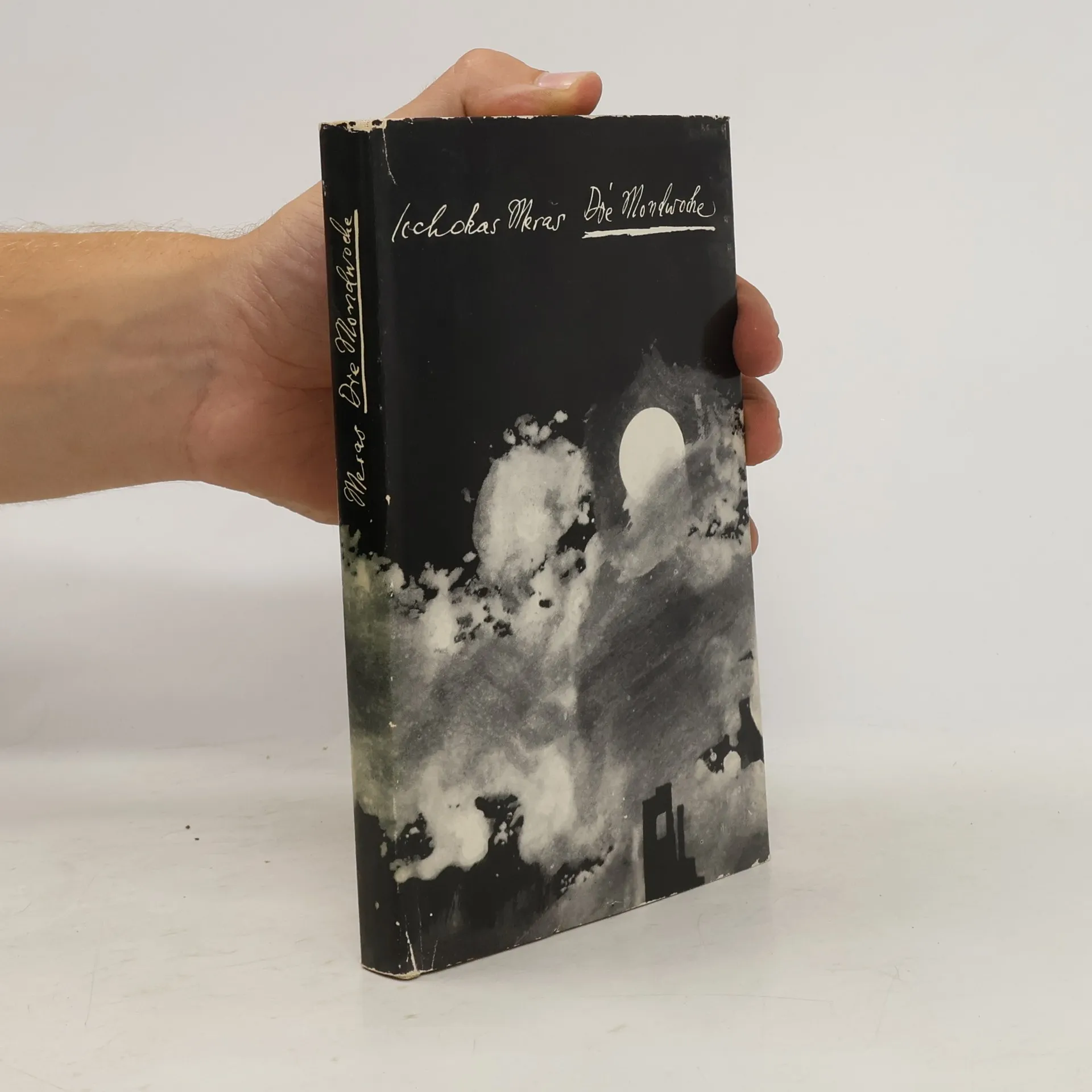
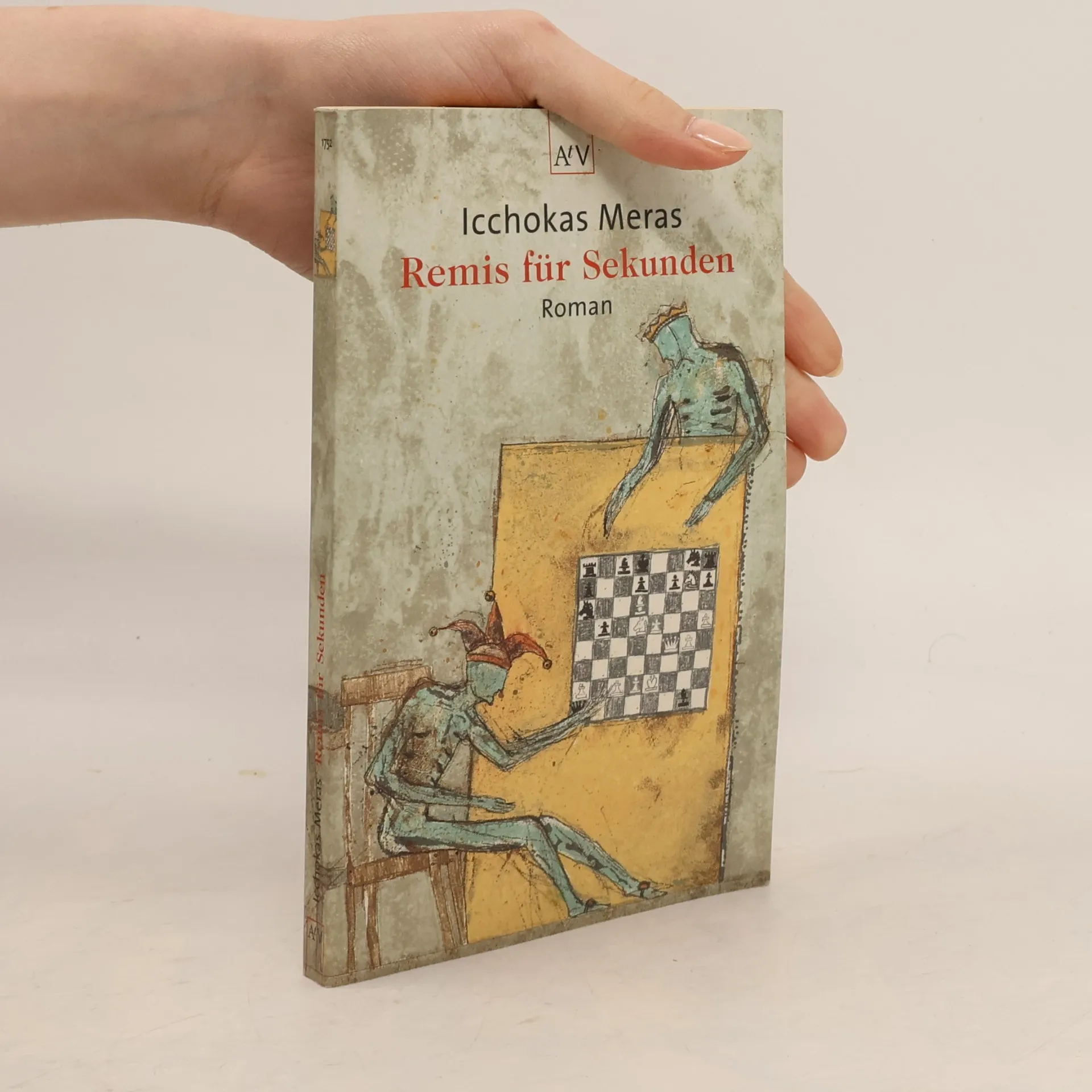
Remis für Sekunden
- 159 pages
- 6 hours of reading
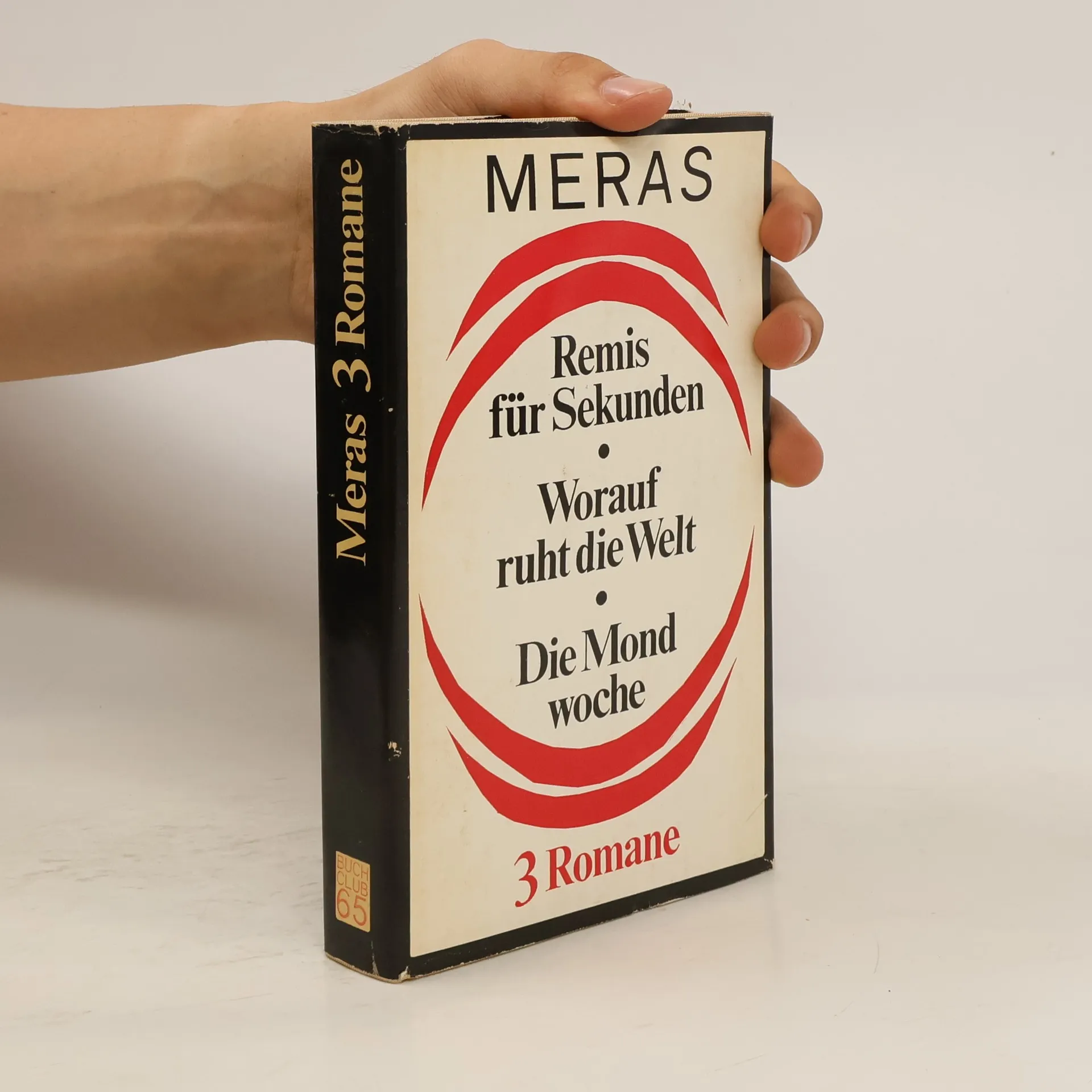
Während des Zweiten Weltkriegs im Ghetto von Wilna will der Nazi-Kommandant Schoger alle Kinder ins Vernichtungslager schicken. Abraham Lipman bittet ihn, ihre Leben zu verschonen. Schoger schlägt ein Schachspiel vor, bei dem Lipmans einziger überlebender Sohn Isaac gegen ihn antreten soll. Gewinnt Isaac, werden die Kinder leben, aber Isaac wird getötet. Verliert Isaac, sterben die Kinder, aber Isaac wird überleben. Nur ein Unentschieden könnte das Ghetto aus dieser schrecklichen Situation retten.