The book examines how institutional rules and mass electorate behavior shape the strategic decisions of politicians during presidential elections. The thoroughly revised 16th edition offers comprehensive insights into the electoral process, making it an essential resource for understanding the dynamics of the upcoming 2024 presidential cycle.
Aaron Wildavsky Book order (chronological)



Gesellschaft und Unsicherheit: Risiko ist ein Konstrukt
Wahrnehmungen zur Risikowahrnehmung
- 362 pages
- 13 hours of reading
German
Serious students, aside from their specialties, are eager to understand academic life and scholarly work. This curiosity extends to those seeking to enhance their productivity. Traditionally, insights into scholarly practices have been shared informally, with little written guidance available. This work aims to fill that gap. Aaron Wildavsky, a highly regarded political scientist, has compiled essays reflecting on his scholarly methods in response to widespread interest. The chapters cover various topics, including effective reading strategies in social science, collaboration on projects, and improving academic writing. A humorous chapter addresses the challenge of managing time, a precious resource for scholars, particularly in resource-rich universities. Additionally, there’s a focus on the interview process, highlighting both the mechanics and the underlying spirit of scholarly inquiry. The concluding section offers a personal glimpse into Wildavsky’s background and influences, shedding light on how they shape his work approach. This insightful volume, crafted by a master in his field, is relevant for both students and faculty in the social sciences, providing valuable perspectives on the academic experience.
The book presents a compelling distinction between zones of peace and zones of turmoil, offering profound political insights that could shape our understanding of the new world order. Its scope and vision are unmatched in recent literature, providing a nontechnical analysis that makes complex ideas accessible. Esteemed political analyst Bruce Bueno de Mesquita praises its explanatory power, highlighting its relevance in contemporary discussions about global dynamics.
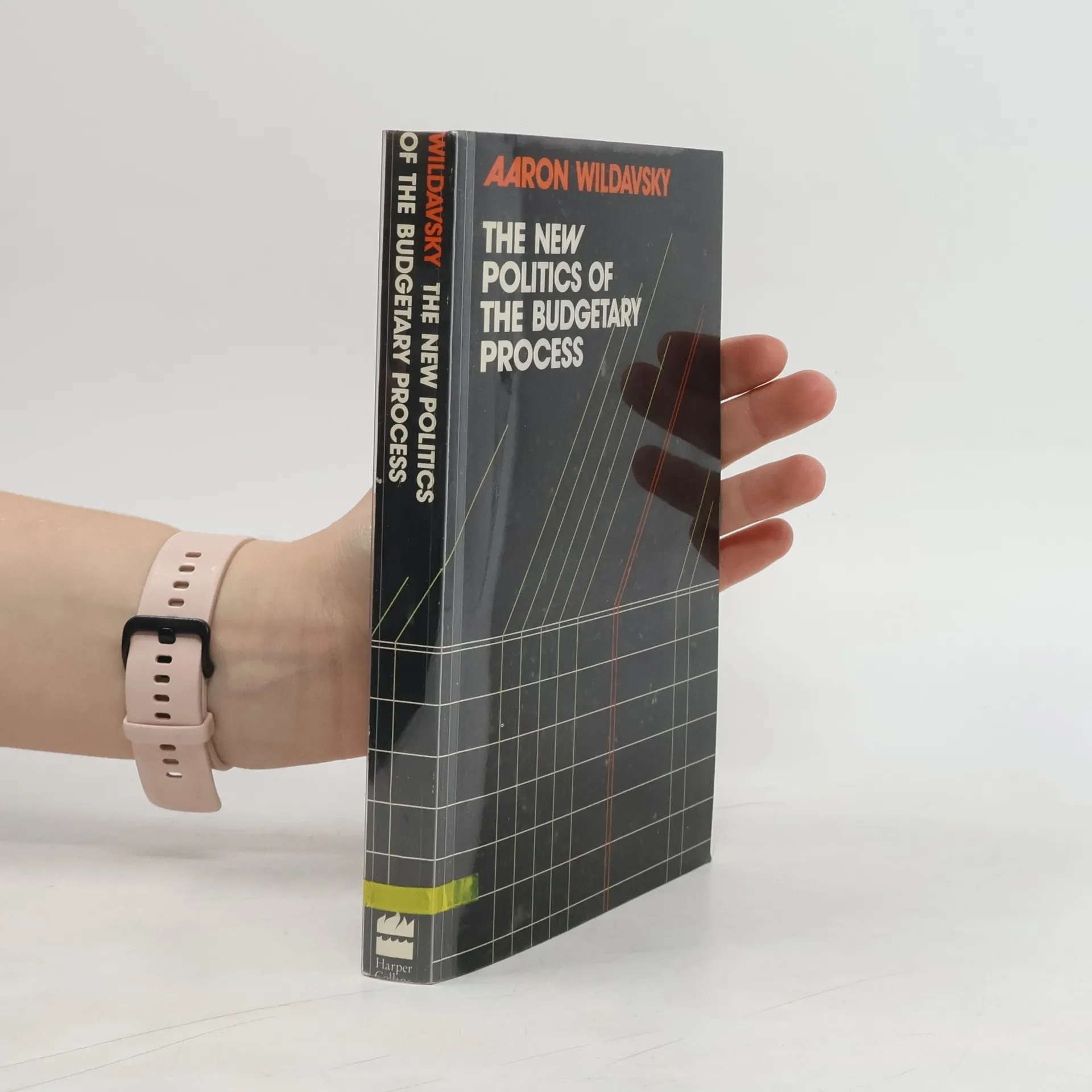
Among the new class of inductees into the “Longman Classics in Political Science” Series, this Fifth Edition updates and revises Aaron Wildavsky's classic exposition of how federal budget decisions are made and how formal budget institutions and processes are interwoven with political dynamics. This text explains how the federal budget process has evolved and analyzes recent developments in key areas: entitlements, defense, deficit/surplus and reforms. Its critical and stimulating approach and clear, readable explanations make it essential reading for students of politics and public administration, as well as anyone trying to understand a decision-making process that affects virtually all Americans.
A History of Taxation and Expenditure in the Western World
- 734 pages
- 26 hours of reading
Examines how governments have dealt with the problems of deficits, tax revolts, and inequality, and explains the two essential activities of government--taxing and spending--and the basic issues of government finance