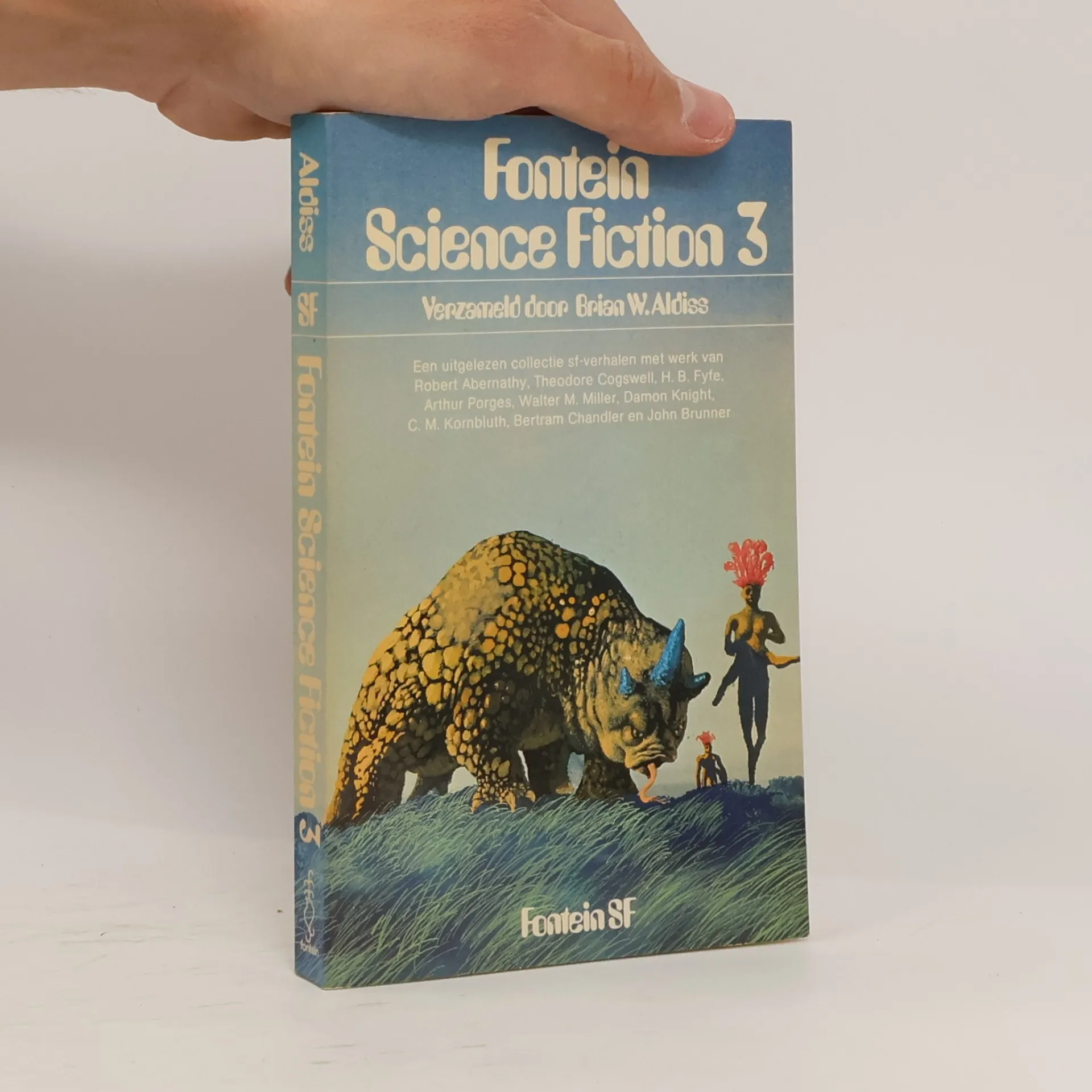
Cyril M. Kornbluth was an influential voice in science fiction. As a teenager, he became a member of the Futurians, a key group of fans and writers who shaped the genre, where he forged friendships with many pivotal figures. His works often explore societal and political issues with sharp insight and a distinctive prose style. Collaborating with other notable authors on several novels, he left an indelible mark on the science fiction landscape.
Set on a future Mars, the story revolves around a colony striving for independence from a failing Earth. Instead of heroes, the settlers require individuals skilled in survival, facing numerous challenges that threaten their existence. The narrative promises a gripping adventure filled with themes of resilience and defiance as the colony navigates the complexities of life on a harsh new planet.
Malá černá brašna je povídka amerického sci-fi autora Cyrila M. Kornblutha, která získala retroaktivní cenu Hugo za nejlepší novelu v roce 2001. Po dvaceti generacích váhání se rod Homo sapiens dostal do slepé uličky. Biometrikové tvrdili, že duševně podnormální se množí mnohem rychleji než duševně normální a supernormální, což má exponenciální charakter.
Existoval však i maskovací vliv technologického pokroku. Jednoduchý jedinec, vycvičený k ovládání kalkulačky, se zdál být zručnějším výpočtářem než středověký matematik, a podobné to bylo v lékařské praxi. Fetiš vysokoškolského vzdělání vedl k podivným avatarům: „střední školy“, kde studenti nedokázali přečíst tříslabičná slova, a „univerzity“, které udělovaly tituly jako „bakalář psaní na stroji“ či „doktor filozofie (kartotéční evidence)“.
Hrstka supernormálů využívala technologii, aby udržela zdání společenského pořádku. Avšak jednoho dne supernormálové přejdou most, zatímco dvacátá generace váhá na jeho přístupech, zmatená tím, co se stalo. Duchové dvaceti generací biometriků se nad tím zlomyslně chechtají.
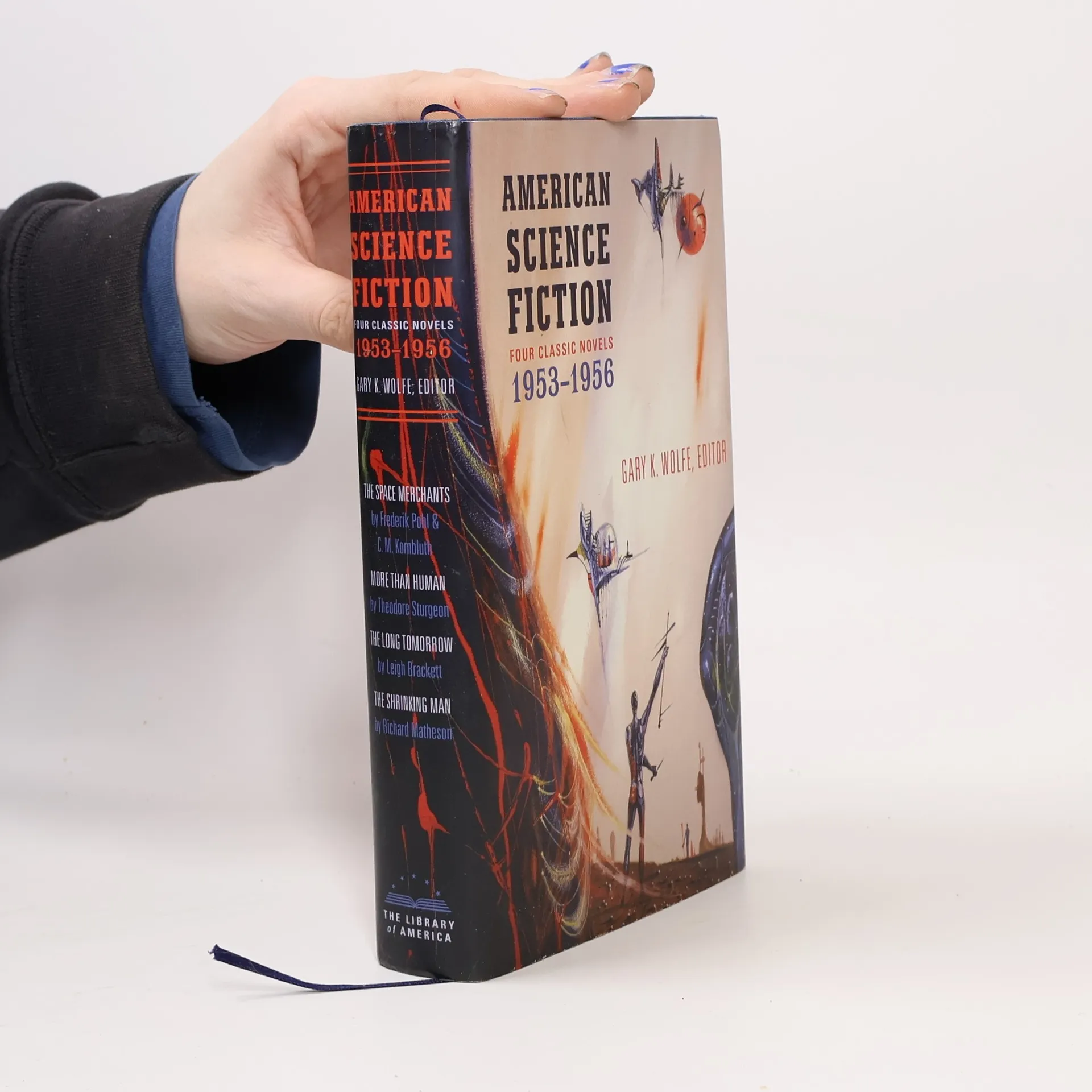
Modern science fiction emerged in the 1950s, particularly in America, where it broke free from traditional conventions. Writers began to explore their imaginations in novel-length works, marking an era of stylistic experimentation and speculative storytelling that addressed the uncertainties of a rapidly changing world. Often overlooked by the literary elite, these “outsider” novels are now celebrated as American classics. This volume presents four distinct visions of uncertain futures and evolving identities.
Frederik Pohl and C. M. Kornbluth’s The Space Merchants (1953) offers a satirical take on a future dominated by multinational advertising. Theodore Sturgeon’s More Than Human (1953) explores the journey of damaged individuals toward a potential new stage of evolution. Leigh Brackett, one of the first prominent female science fiction writers, presents a post-nuclear world in The Long Tomorrow (1955), where anti-urban technophobes clash with the remnants of a destroyed civilization. Richard Matheson’s The Shrinking Man (1956) tells the tale of a man shrinking due to a mysterious cloud, facing humiliations and dangers that lead him to a surprising and transformative realization. Each novel opens new territory, reflecting the dynamic energies of an age grappling with the unknown.
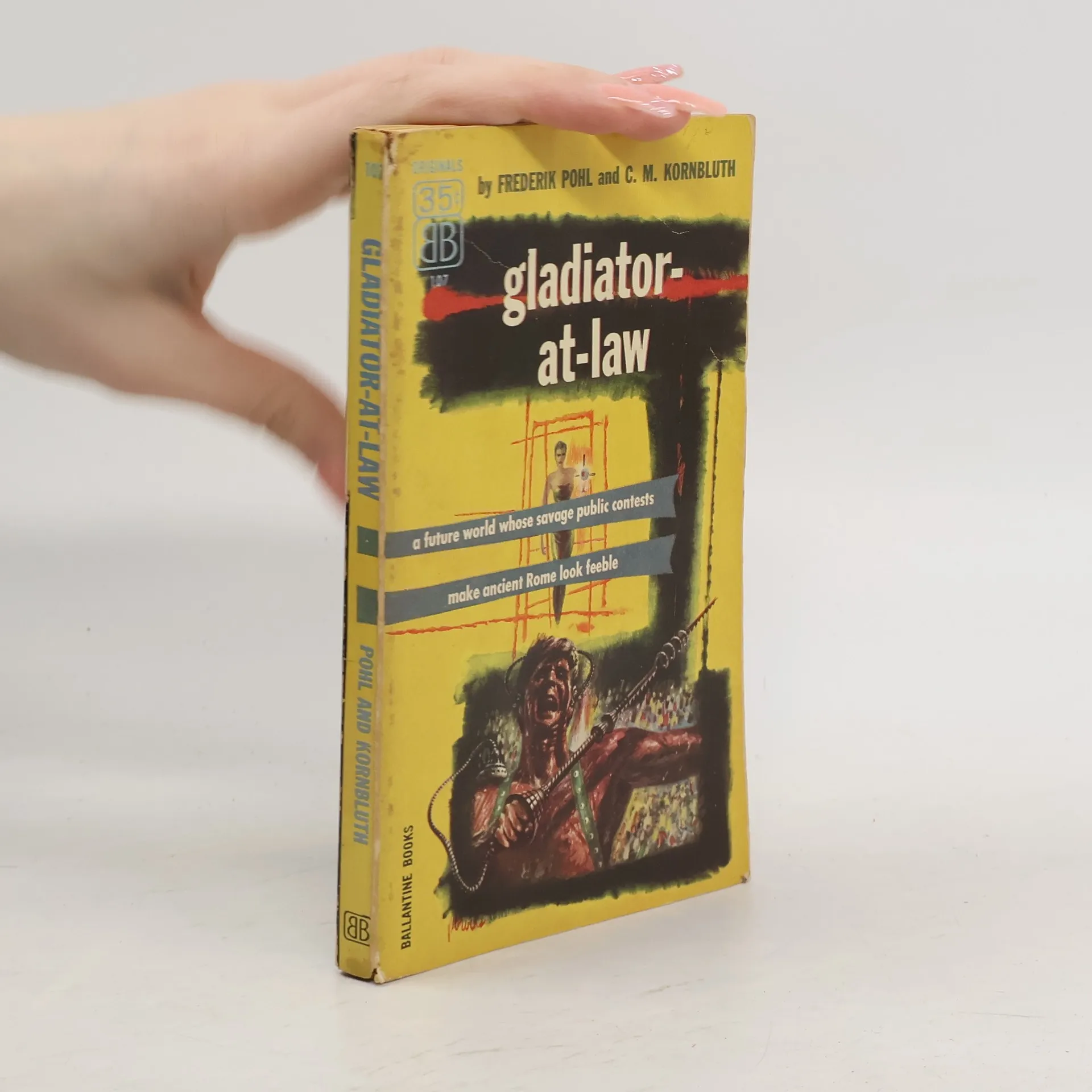
CAUTION! You are about to enter a world... where all engineering ingenuity has been employed for public spectacles of torture and death where the stock market operates with pari-mutuel machines where a court clerk transcribes testimony on punch cards, then feeds it to a jury machine where the dream real-estate development of today has become a cracked-concrete savage jungle In this world, young lawyer Charles Mundin battles a great combine of corporate interests—battles them in board meetings and in dark alleys—in a struggle that lays bare some brutal promises of the future...promises we are beginning to make right now. “...wholly admirable, in both thinking and execution.”—Galaxy “Reminiscent in vigor, bite and acumen to THE SPACE MERCHANTS”—Anthony Boucher. “...possessed of a bite and savage vigor which makes it one of the outstanding science fiction novels of the year.”—The New York Times “...a powerfully convincing story.”—New York Herald Tribune
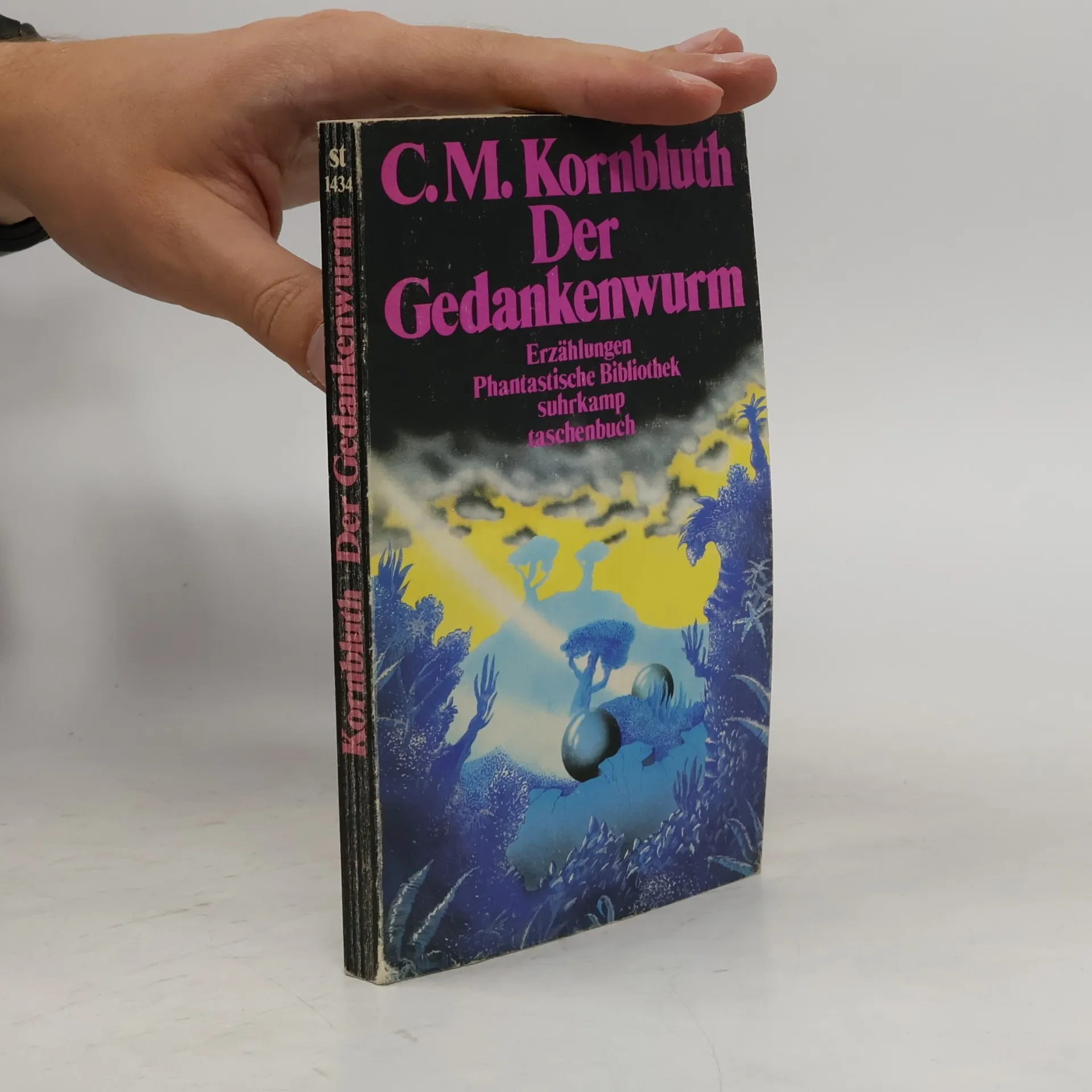
ContentDer Gedankenwurm • short story by C. M. Kornbluth (trans. of The Mindworm 1950)Die Worte Gurus • short story by C. M. Kornbluth (trans. of The Words of Guru 1941)Kazam begleicht eine Rechnung • short story by C. M. Kornbluth (trans. of Kazam Collects 1941)Dreizehn Uhr • [Thirteen O'Clock (C. M. Kornbluth) • 1] • novelette by C. M. Kornbluth (trans. of Thirteen O'Clock 1941)Ich bitte nie um eine Gefäligkeit • short story by C. M. Kornbluth (trans. of I Never Ast No Favors 1954)Wie man auf Pump vom Kosmos lebt • novelette by C. M. Kornbluth (trans. of The Cosmic Charge Account 1956)Manuskript, gefunden in einem chinesischen Glücksplätzchen • short story by C. M. Kornbluth (trans. of MS. Found in a Chinese Fortune Cookie 1957)Sauregurkenzeit • short story by C. M. Kornbluth (trans. of The Silly Season 1950)Die herrlichen Geschöpfe • short story by C. M. Kornbluth (trans. of The Goodly Creatures 1952)Der Teil des Ruhms • novelette by C. M. Kornbluth (trans. of That Share of Glory 1952)Freund des Menschen • short story by C. M. Kornbluth (trans. of Friend to Man 1951)
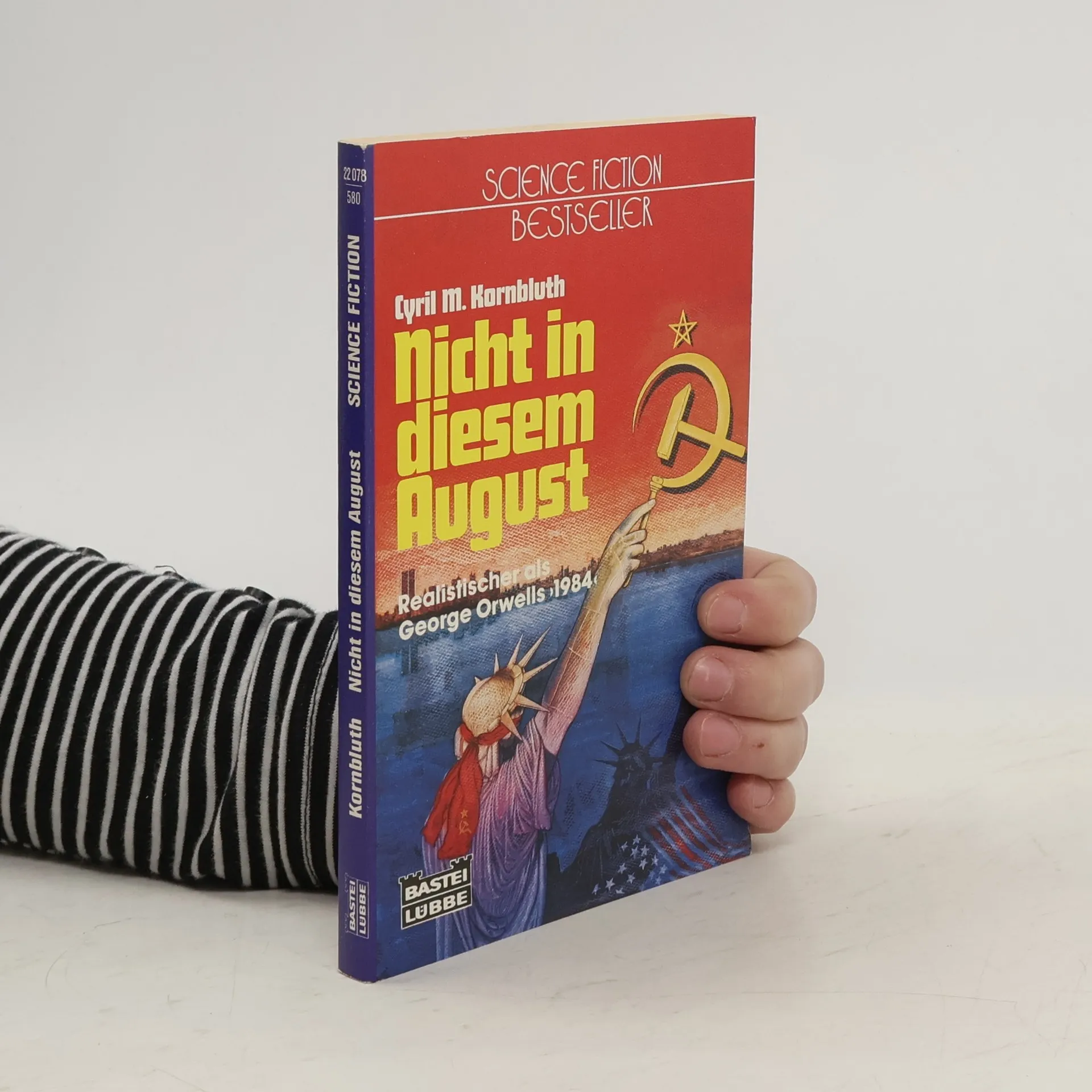
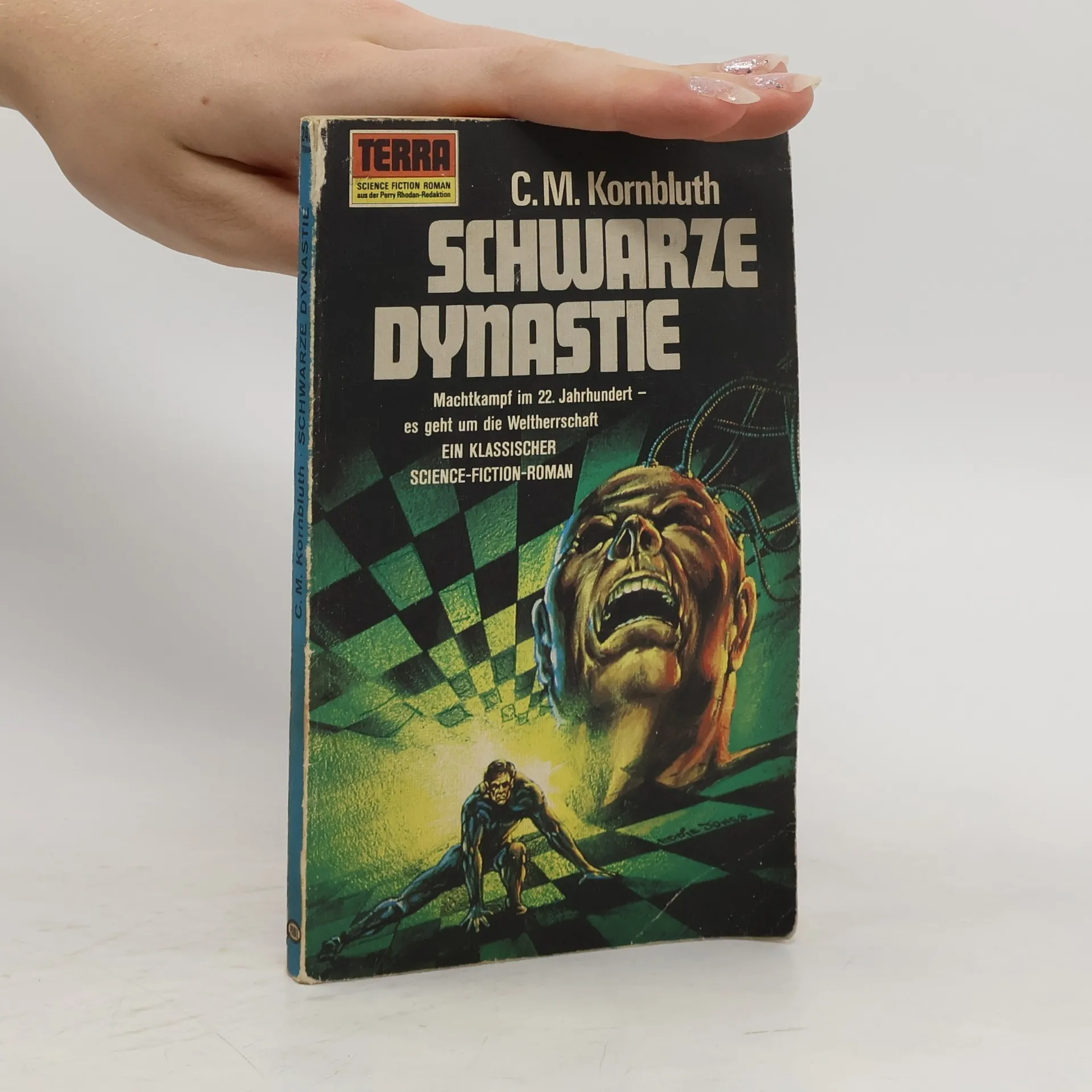
Cyril M. Hnrnbluth : (1923-1958) erwarb sich schon früh den Ruf eines meisterhaften Satirikers der SF. Außerhalb Amerikas wurde er vor allem durch den gemeinsam mit Frederic Pohl geschriebenen Roman »Eine Handvoll Venus und ehrbare Kaufleute« bekannt. Bastei-Lübbe gibt jetzt zum ersten Mal in deutscher Sprache die Hauptwerke dieses Klassikers heraus, zu denen diese brillante Satire einer kommunistischen USA gehört. Nicht in diesem August Per Dekret werden die USA zur Amerikanischen Demokratischen Republik erklärt. Etwas anderes war nach der Besetzung durch Russen und Chinesen nicht zu erwarten gewesen. Nach und nach fallen die durch die Ereignisse der Okkupation aufgescheuchten Bürger wieder in ihren Alltagstrott zurück. Dabei erleben viele zum erstenmal, was Plansoll und Verstaatlichung bedeuten. Doch das gepriesene kommunistische System scheint mit waschechten Amerikanern nicht so glatt zu funktionieren. Oder können Sie sich sozialistische Cowboys vorstellen? »NICHT IN DIESEM AUGUST von Cyril M. Kornbluth hat auf den Leser eine weitaus nachhaltigere Wirkung als George Orwells 1984.« - New York Daily News - Deutsche Erstveröffentlichung
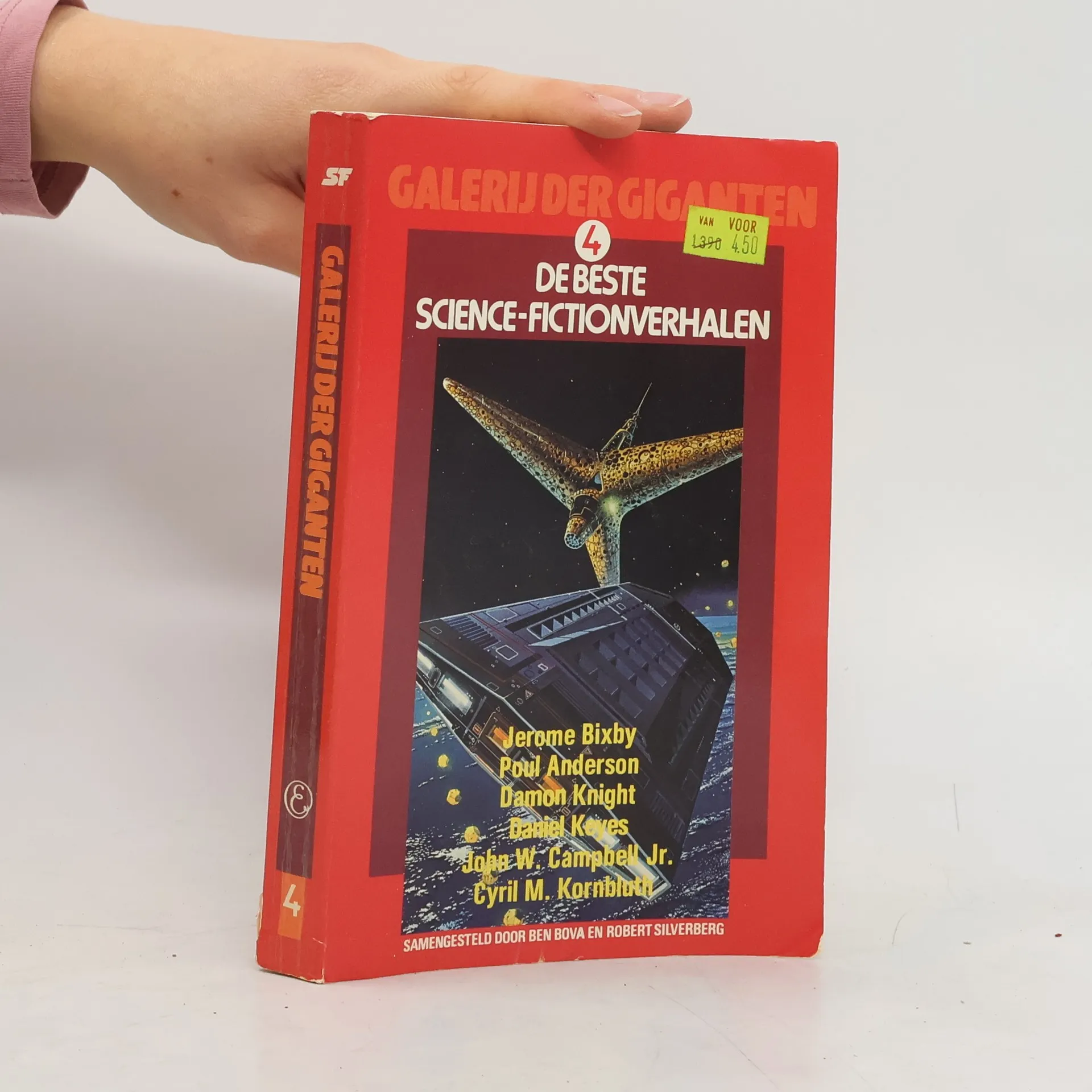
6 verhalen van beroemde SF/Fantasy-schrijvers:Jerome Bixby: Het leven is goed (It's a good life, 1953)Poul Anderson: Zeg maar Joe (Call me Joe, 1957)Damon Knight: In het land der milden (The country of the kind, 1955)Daniel Keyes: Bloemen voor Algernon (Flowers for Algernon, 1959)Don A. Stuart: Wie is dat? (Who goes there?, 1938)Cyril M. Kornbluth: De zwakzinnigen trekken voorbij (The marching morons, 1951)
In this golden age sci-fi novel, war has rendered significant portions of Europe either uninhabitable or barbaric. The U.S. Government has failed, to be replaced by organized crime--Syndic is short for Syndicate.
7 verhalen van beroemde SF/Fantasy-schrijvers:Murray Leinster: Eerste contact (First contact, 1945)Cordwainer Smith: Schouwers leven tevergeefs (Scanners live in vain, 1948)Ray Bradbury: Op Mars is de hemel (Mars is heaven, 1948)Cyril M. Kornbluth: Het zwarte dokterskoffertje (The little black bag, 1950)Richard Matheson: Uit man en vrouw geboren (Born of man and woman, 1950)Fritz Leiber: Binnenkort in dit theater (Coming attraction, 1950)Anthone Boucher: Op zoek naar Sint Aquinus (The quest for Saint Aquin, 1951)
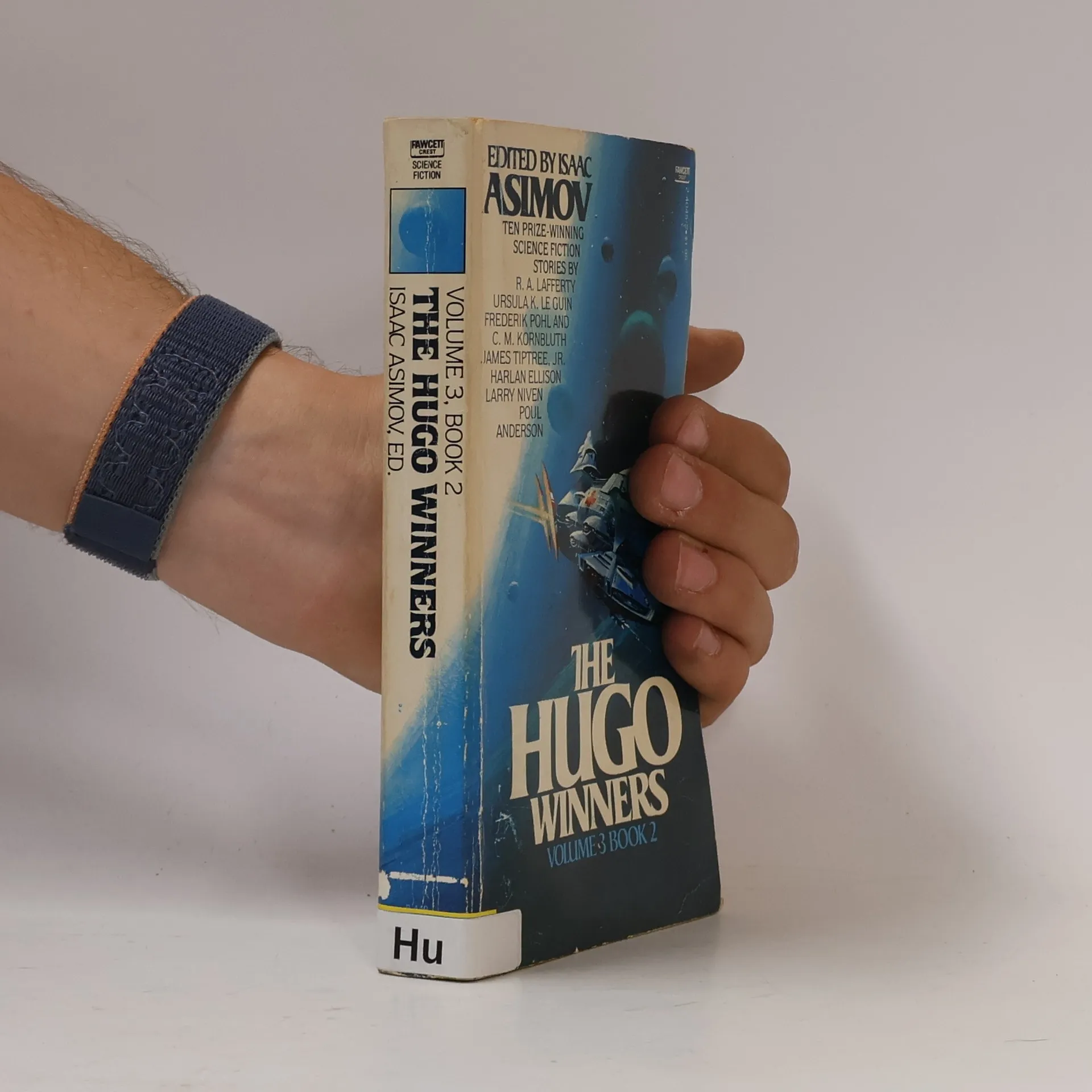
Ten prize-winning science fiction stories R. A. Lafferty, Ursula K. Leguin, Frederick Pohl, C. M. Kornbluth, James Tiptree Jr, Harlan Ellison, Larry Niven, and Poul Anderson.
An alternative cover edition with the same ISBN exists here. Something Was Very Wrong, Out There Among The Stars...The interstellar transport had touched down on six other colony worlds - and all six had been devoid of human life. Where was everybody? It was almost as if humankind, when separated by cosmic distances from Mother Earth, could not survive.
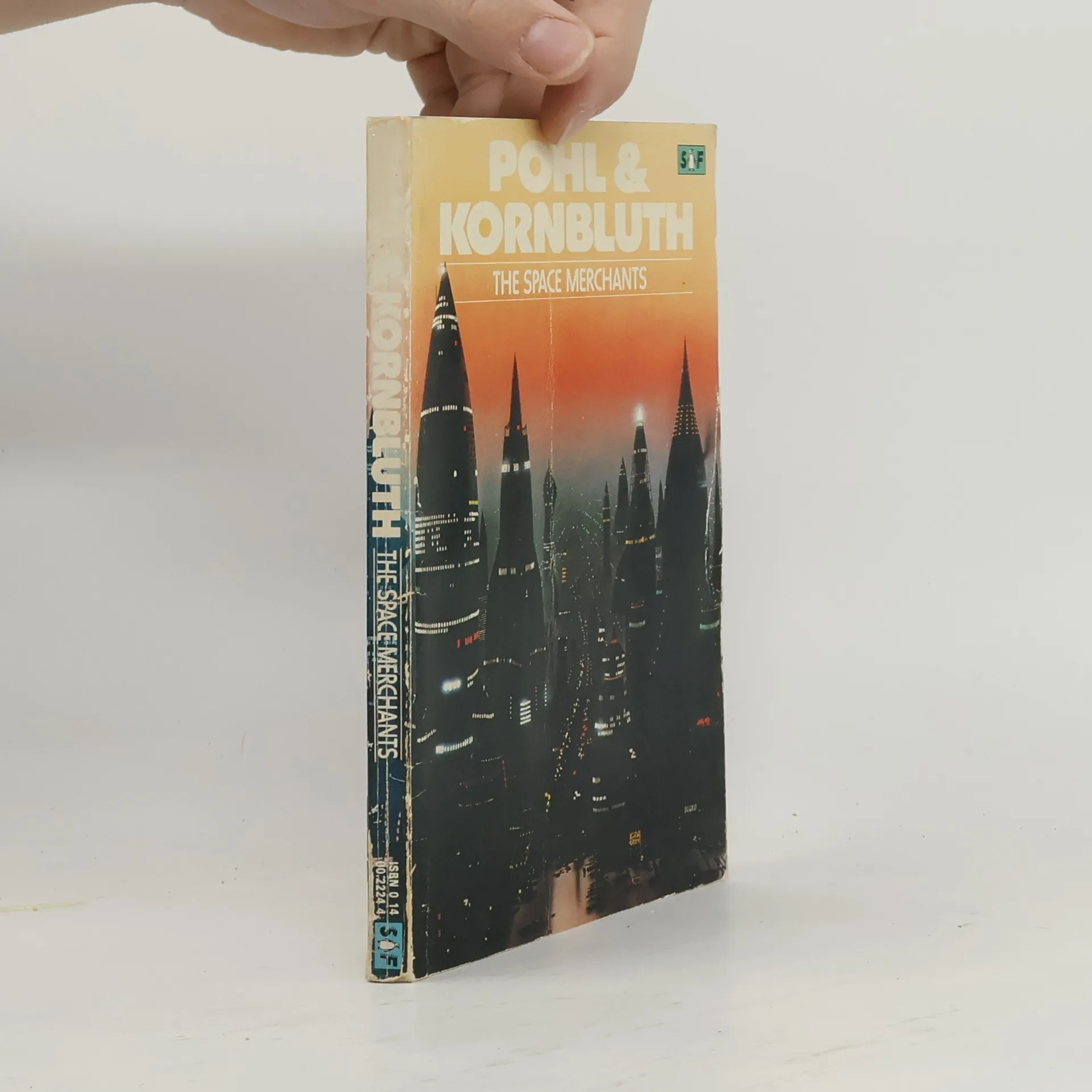
In a vastly overpopulated near-future world, businesses have taken the place of governments and now hold all political power. States exist merely to ensure the survival of huge transnational corporations. Advertising has become hugely aggressive and boasts some of the world’s most powerful executives. Through advertising, the public is constantly deluded into thinking that all the products on the market improve the quality of life. However, the most basic elements are incredibly scarce, including water and fuel. The planet Venus has just been visited and judged fit for human settlement, despite its inhospitable surface and climate; colonists would have to endure a harsh climate for many generations until the planet could be terraformed. Mitch Courtenay is a star-class copywriter in the Fowler Schocken advertising agency and has been assigned the ad campaign that would attract colonists to Venus, but a lot more is happening than he knows about. Mitch is soon thrown into a world of danger, mystery, and intrigue, where the people in his life are never quite what they seem, and his loyalties and core beliefs will be put to the test.
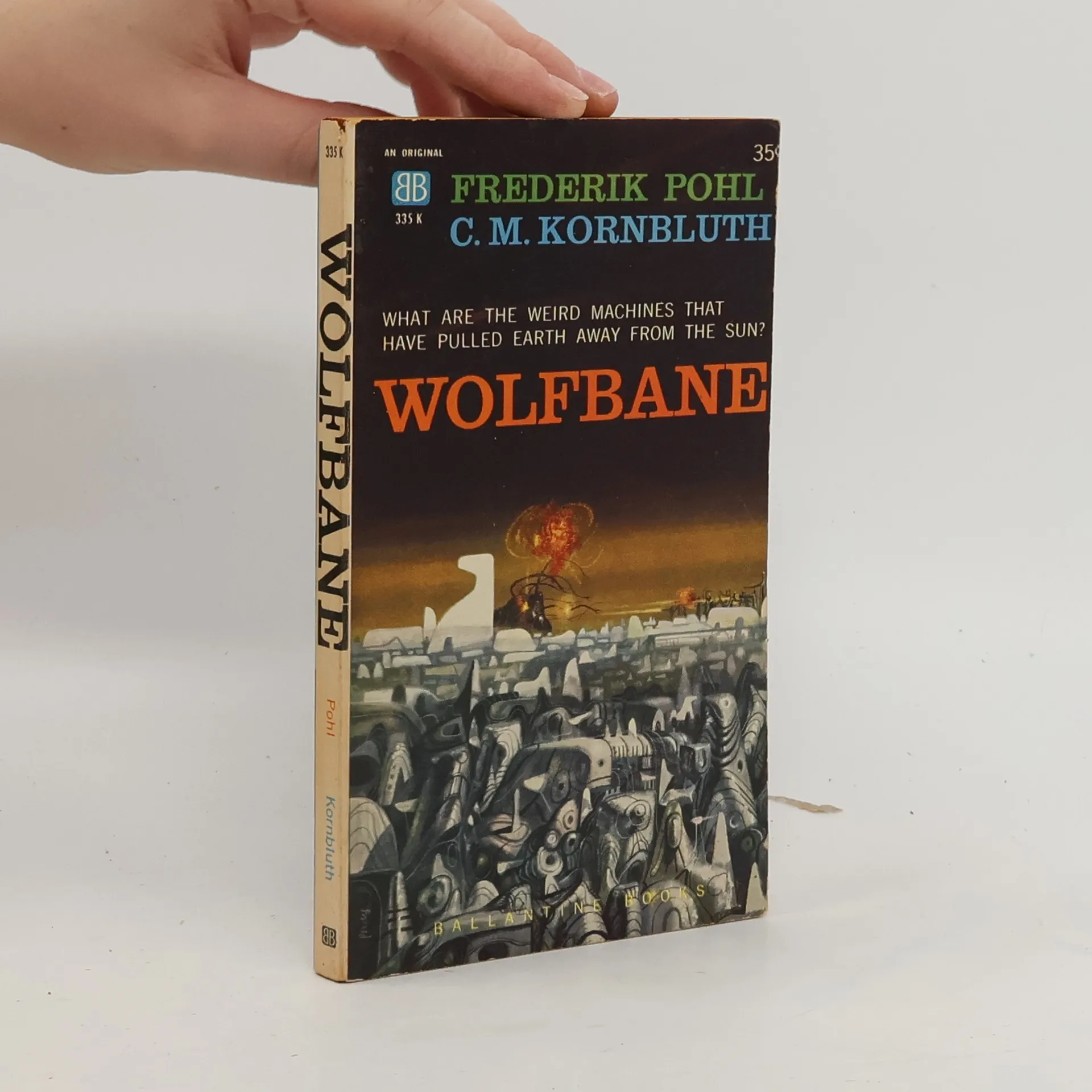
A small artificial sun, once the moon, casts a pale glow over a drifting Earth in the icy blackness of space. The Pyramids, indifferent aliens from beyond, have yanked the planet from its orbit around the sun and taken it into the cold darkness between the stars. The Earth is rapidly cooling, and the flame of life is beginning to flicker out. The weak warmth of the burning moon barely prevents humanity from extinction. Most survivors adapt to a life of extreme frugality, creating a cult around the Pyramids to appease the aliens. Any irregular behavior is deemed wasteful and immoral, punishable by the Donation of spinal fluid. These people have become the Sheep. Yet, others refuse to forget the old world and will not bow their heads in despair. Their actions may seem pointless and wasteful; they are the Wolves. Glenn Tropile discovers he is a Wolf in Sheep's clothing. His tormented companions may resort to the Donation to win favor with the Pyramids...