

Explore the latest books of this year!
Bookbot

Prem Shankar Jha Books

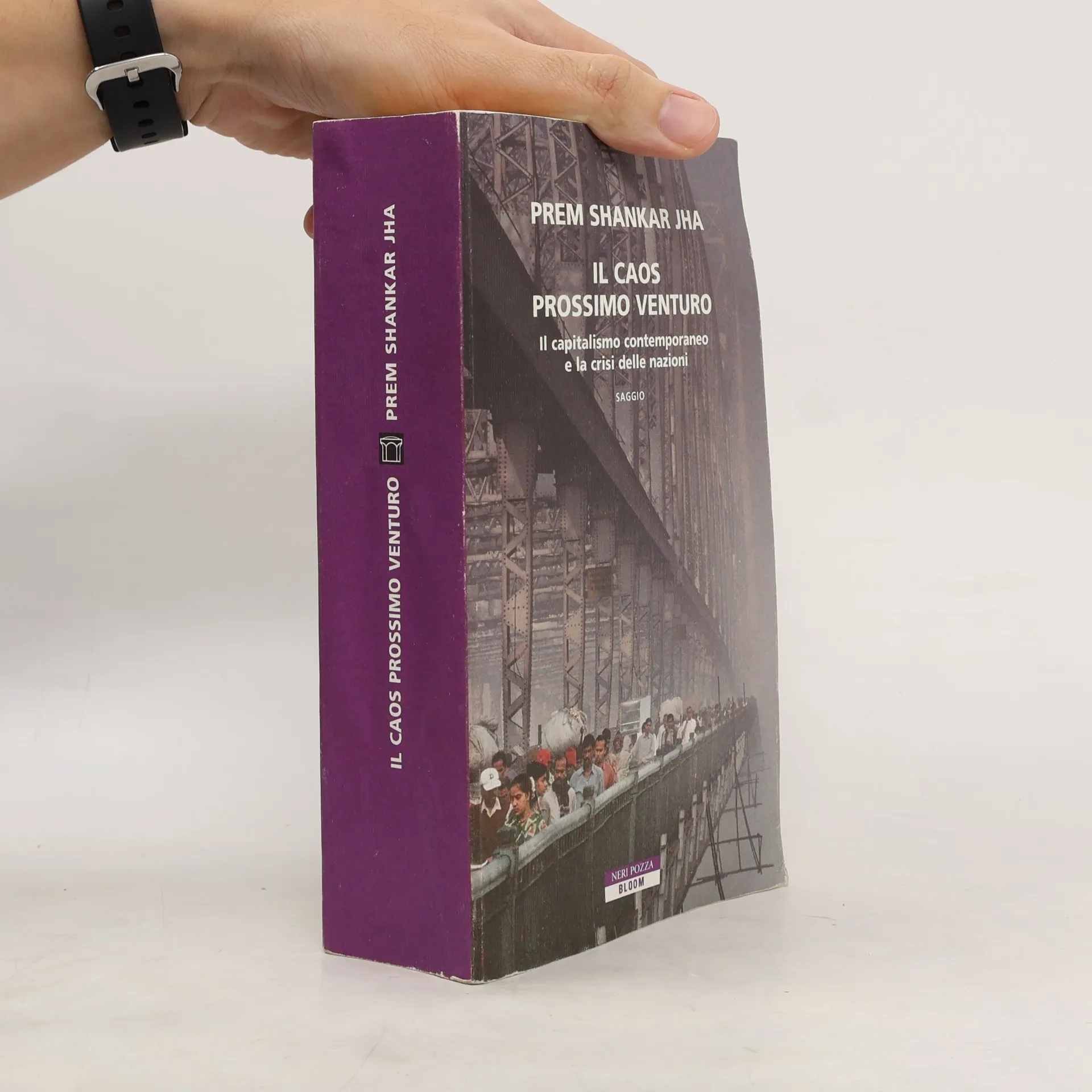
    Il caos prossimo venturo. Il capitalismo contemporaneo e la crisi delle nazioni - Saggio
    Sun, Wind, and Biomass
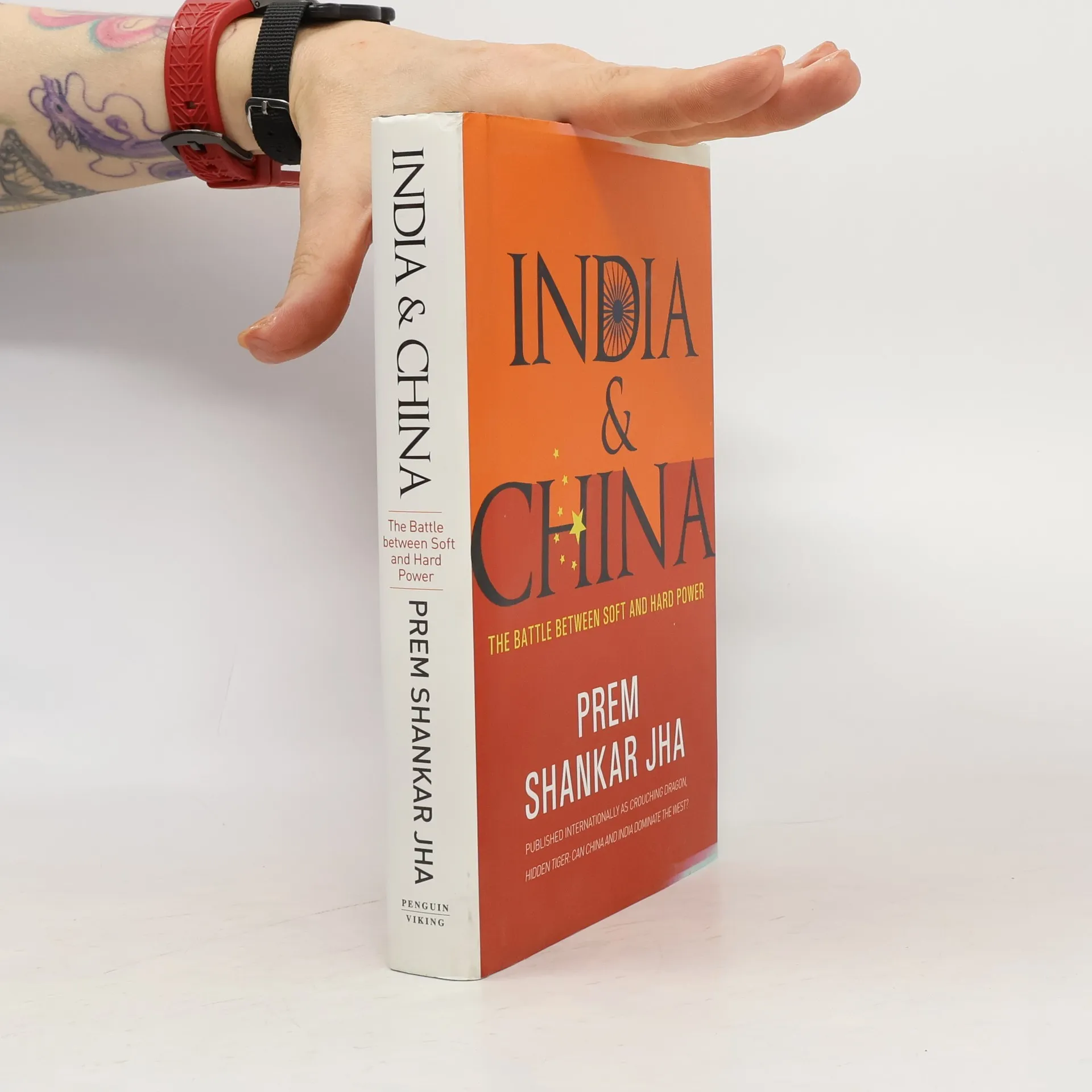
    India and China
    • India and China

      The Battle Between Soft and Hard Power

      India and China focuses on these two countries, both in the middle stages of market-led development and grappling with the problem that societies have faced since the dawn of capitalism- reconciling equity with the claim that free markets are not just efficient but just. The author charts out trajectories for both China and India. China s time horizon for reconciling growth with equity has probably grown shorter, and India s almost certainly has grown longer. This book examines the social and political conflicts that the market has unleashed, and the successes and failures of these countries in trying to contain them. The authoritarian nature of the Chinese state ensured that the struggle between growth and equity remained mainly economic. In India, on the other hand, the strong democratic system ensured that the struggle became political, and the goal of businesses became to capture political power so policies to further their interests would be enacted. The author is sceptical about the inevitability of China and India s rise to global dominance in the twenty-first century. He also examines the impact of the US s tacit abandonment of its dream of regaining unchallenged hegemony in the post-cold war world, and tracks the rapidly deteriorating relations between India and China. Book Reviews User Reviews
      India and China
      4.4
    • Sun, Wind, and Biomass

      India's Path to a Sustainable Future

      • 328 pages
      • 12 hours of reading

      This book presents a comprehensive guide to India's pursuit of a clean energy future, exploring the economic and health benefits of transitioning from fossil fuels to renewable resources.

      Sun, Wind, and Biomass
    • Sintesi innovativa di teoria politica ed economica, Il caos prossimo venturo mette in discussione molti dei preconcetti abituali sull’impatto della globalizzazione e getta una nuova luce sulle conseguenze mondiali del processo di industrializzazione. Prem Shankar Jha, uno dei massimi economisti indiani, racconta l’evoluzione del capitalismo secondo una scansione in quattro fasi, a partire dalla sua nascita nei comuni italiani fino all’attuale dimensione planetaria, evidenziando come alla fine di ogni periodo il capitalismo distrugga i propri “contenitori” per estendere lo scenario della proprie attività, dando vita a situazioni di instabilità e di violenza. Oggi il capitalismo globale considera limitante qualunque tipo di istituzione, dal welfare state agli stati nazionali, mentre le istituzioni non hanno ancora avviato un profondo processo di revisione dei propri ruoli e del proprio funzionamento. Quella che si prospetta è una lunga stagione di disordine sociale e disequilibrio economico, assieme a nuove e pericolose forme di unilateralismo e a uno scenario di guerra permanente popolato da eserciti, di soldati o terroristi, in costante attività.

      Il caos prossimo venturo. Il capitalismo contemporaneo e la crisi delle nazioni - Saggio