



Explore the latest books of this year!
Bookbot

Günter Blamberger

    This author focuses on deep dives into the human psyche and the complexities of interpersonal relationships. His prose is characterized by penetrating introspection and poetic language that draws the reader into the characters' inner lives. His works often explore themes of memory, identity, and the search for meaning in an absurd world. The author's distinctive style and the depth of his literary perspective make him essential reading for those who appreciate philosophically grounded and emotionally resonant fiction.

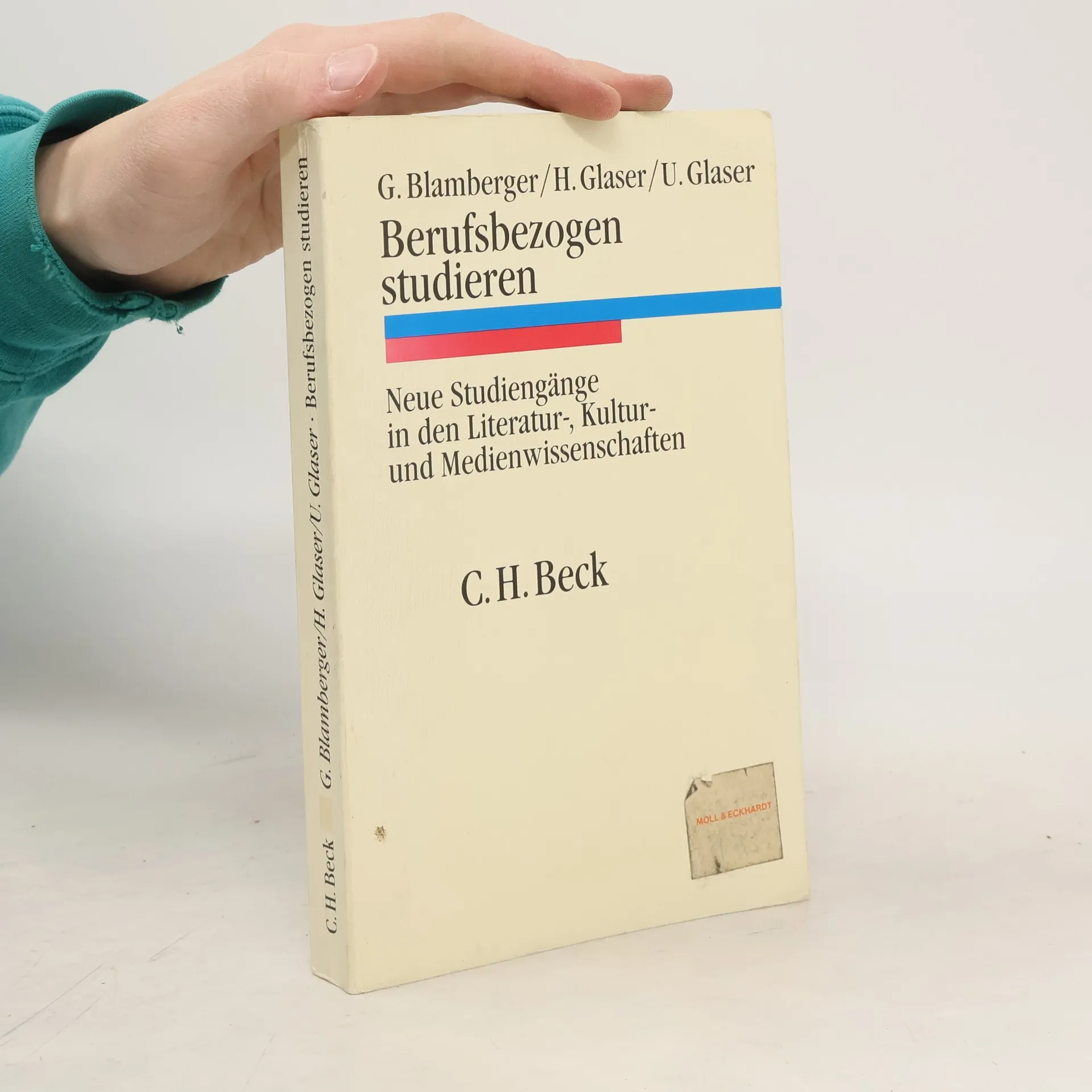
    Berufsbezogen studieren
    Von der Faszination ästhetischer Ideen und der Macht poetischen Denkens
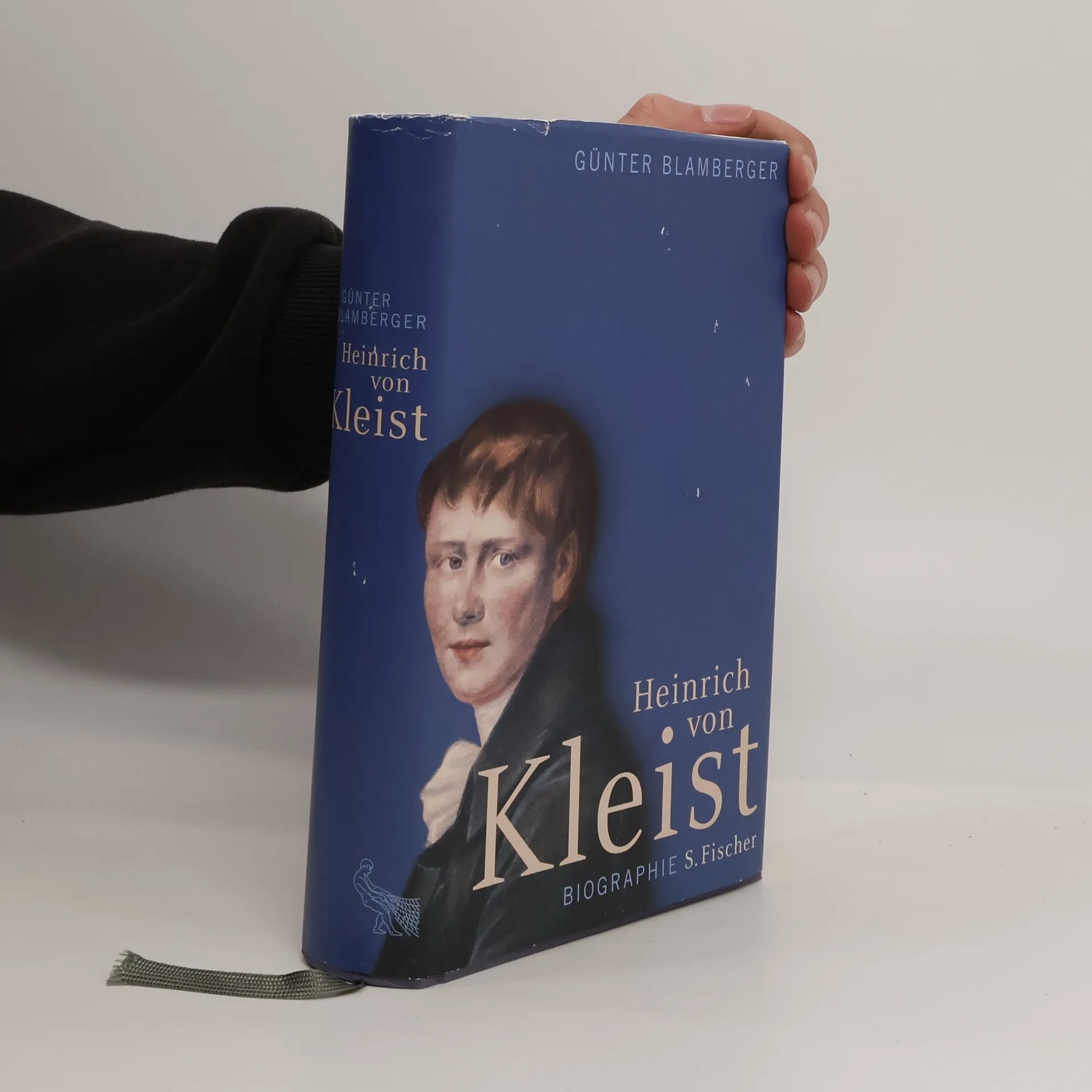
    Heinrich von Kleist
    Thinking in Literature
    Heinrich von Kleist
    • Heinrich von Kleist

      The Biography. Translated from German by Sebastian Goth and Kelly Kawar

      • 521 pages
      • 19 hours of reading

      Focusing on the life and experiences of Heinrich von Kleist, this biography by Günter Blamberger presents a fresh perspective on the writer's journey, avoiding the conventional lens of his tragic end. Blamberger captures the nuances of Kleist's life, exploring the challenges and innovations that defined his literary career. By immersing readers in Kleist's present, the biography highlights the remarkable aspects of his character and work, offering insight into his lasting impact on German literature and the relevance of his struggles today.

      Heinrich von Kleist
    • Thinking in Literature

      On the Fascination and Power of Aesthetic Ideas. Translated from German by Joel Golb

      • 227 pages
      • 8 hours of reading

      M'illumino/d'immenso - I'm lit/with immensity is Geoffrey Brock's translation of Giuseppe Ungaretti's poem Mattina. In the poem's minimalism, Ungaretti points to the maximal: the richness of poetry's expressive possibilities and the power of thinking in literature. This book addresses the fascination of readers to transcend the boundaries of their own in fiction, and literature's capacity, according to Kant, even to evoke, with the help of the development of aesthetic ideas, representations that exceed what is empirically and conceptually graspable - in case studies about myths of creativity, images of death and the beyond after the 'death of God', of the soul, of melancholy as the dark ground of genius, of metamorphoses of both evil and good, of ecstasy, of the economy of self-sacrifice, of the art of resistance, and, among others, about figurations of biography and the portrait as approaches to singularity, what is particular and cannot be fully subsumed to any universality.


      Thinking in Literature
    • Heinrich von Kleist

      • 597 pages
      • 21 hours of reading

      Die Biographie zum 200. Todestag Heinrich von Kleists am 21.11.2011 Wie kein anderer deutscher Dichter hat Kleist die Leser fasziniert. Doch was ist sein Geheimnis? Woher kommt die Tragik seines Lebens? Was sagt uns sein Werk heute? In seiner großen Biographie zeichnet Günter Blamberger einen neuen Kleist: Anders als üblich erzählt er nicht vom Ende her, vom Selbstmord, sondern wählt die offene Perspektive, das Präsens, den Augenblick, wie er von Kleist selbst erlebt worden ist. Damit gelingt es ihm, das Beunruhigende und Staunenswerte offenzulegen, den Zündstoff in Kleists Leben und Werk zu zeigen. Entstanden ist das packende und anschauliche Porträt eines der großen deutschen literarischen Genies – die definitive Biographie für unsere Zeit.

      Heinrich von Kleist
    • "M'illumino/d'immenso" - "Ich erleuchte mich/Durch Unermessliches", so übersetzte Ingeborg Bachmann Giuseppe Ungarettis Gedicht Mattina , das minimalistisch auf Maximales auf den Reichtum dichterischer Ausdrucksmöglichkeiten wie die Macht poetischen Denkens.Wie die ästhetischen Ideen der Literatur Leserinnen und Lesern dazu verhelfen, die Grenzen des Eigenen im Fiktionalen zu überschreiten, ja, laut Kant, sogar Vorstellungen vermitteln können vom empirisch wie begrifflich kaum Fassbaren, davon handeln die Fallstudien dieses u.a. von Mythen des Schöpferischen, von Bildern des Todes, des Jenseits und der Seele nach dem 'Tode Gottes', von der Melancholie als dunklem Grund des Genies, von den Metamorphosen des Bösen wie des Guten, von der Ekstase, von der Ökonomie des Selbstopfers, vom Widerstand und den Gegenworten der Poesie sowie von Figurationen der Biografik und des Porträts als Annäherungen an das Besondere, das in keinem Allgemeinen aufgeht.

      Von der Faszination ästhetischer Ideen und der Macht poetischen Denkens