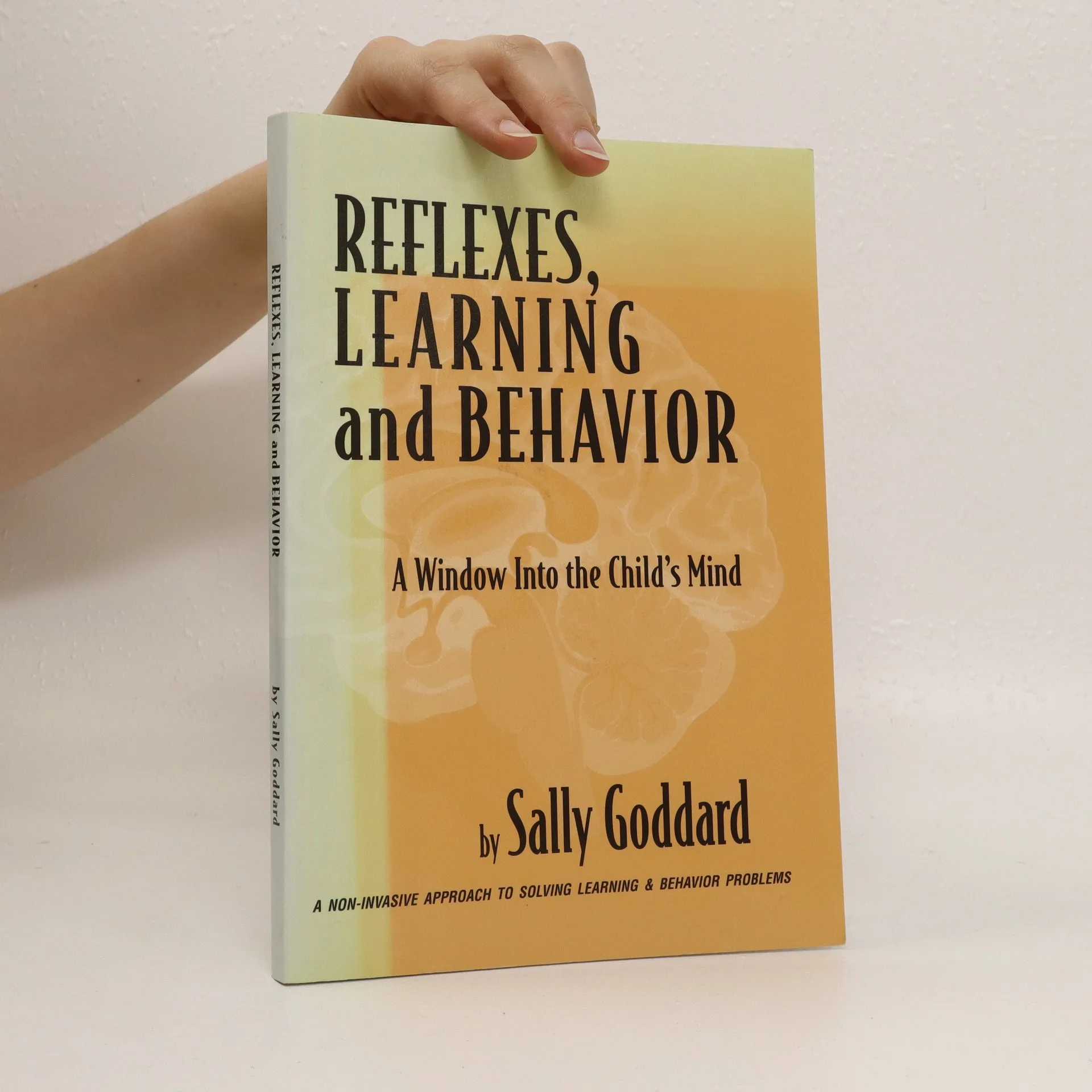
A Non-Invasive Approach to Solving Learning & Behavior Problems
Sally Goddard Books


Movement: Your Child's First Language
- 192 pages
- 7 hours of reading
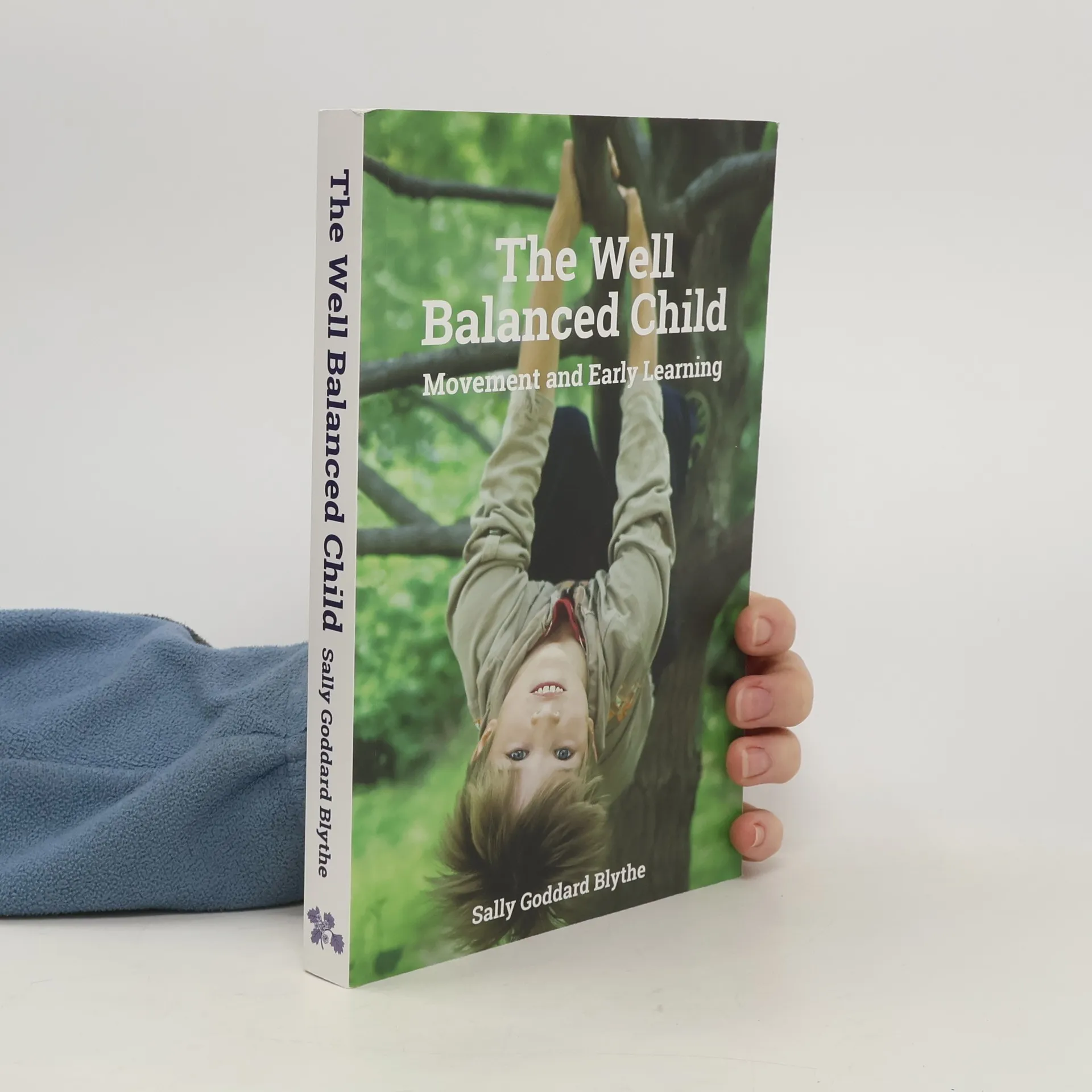
This book with 2 CDs is a collection of songs, action nursery rhymes and stories that assist child development through movement
The Well Balanced Child is a passionate manifesto for a whole body approach to learning which integrates the brain, senses, movement and play.
The Shaping of a Life
- 214 pages
- 8 hours of reading
The narrative follows Sally Goddard's journey from England to Canada and her impactful career as an educator. After moving to Sault Ste. Marie, Ontario, she graduated from Trent University and spent nearly a decade teaching in Papua New Guinea, where she married Tim Goddard. The couple later dedicated their lives to education in various isolated Indigenous communities across northern Canada and in larger southern centers, highlighting their commitment to fostering learning in diverse environments.
Reflexes, Movement, Learning & Behaviour examines the role of primitive reflexes in normal development; what they signify at key stages in development; associated symptoms, behavioural patterns and impact on higher cognitive functioning; how assessment can help; what is a neuro-developmental approach and how this links to school readiness, achievement/under-achievement and emotional regulation. It provides information that can help parents, teachers and other professionals to understand what lies behind the under-achieving child and adults who suffer from balance-related anxiety disorders. The method fills a yawning gap in ' the system', which often fails to recognise underlying physical factors in under-achievement, behavioural and emotional problems. It helps parents and teachers to understand children better, introduce more effective coping strategies if needed and ideally correct some of the underlying problems enabling children and adults to become more resilient and flexible in response to stress and to realise their potential.
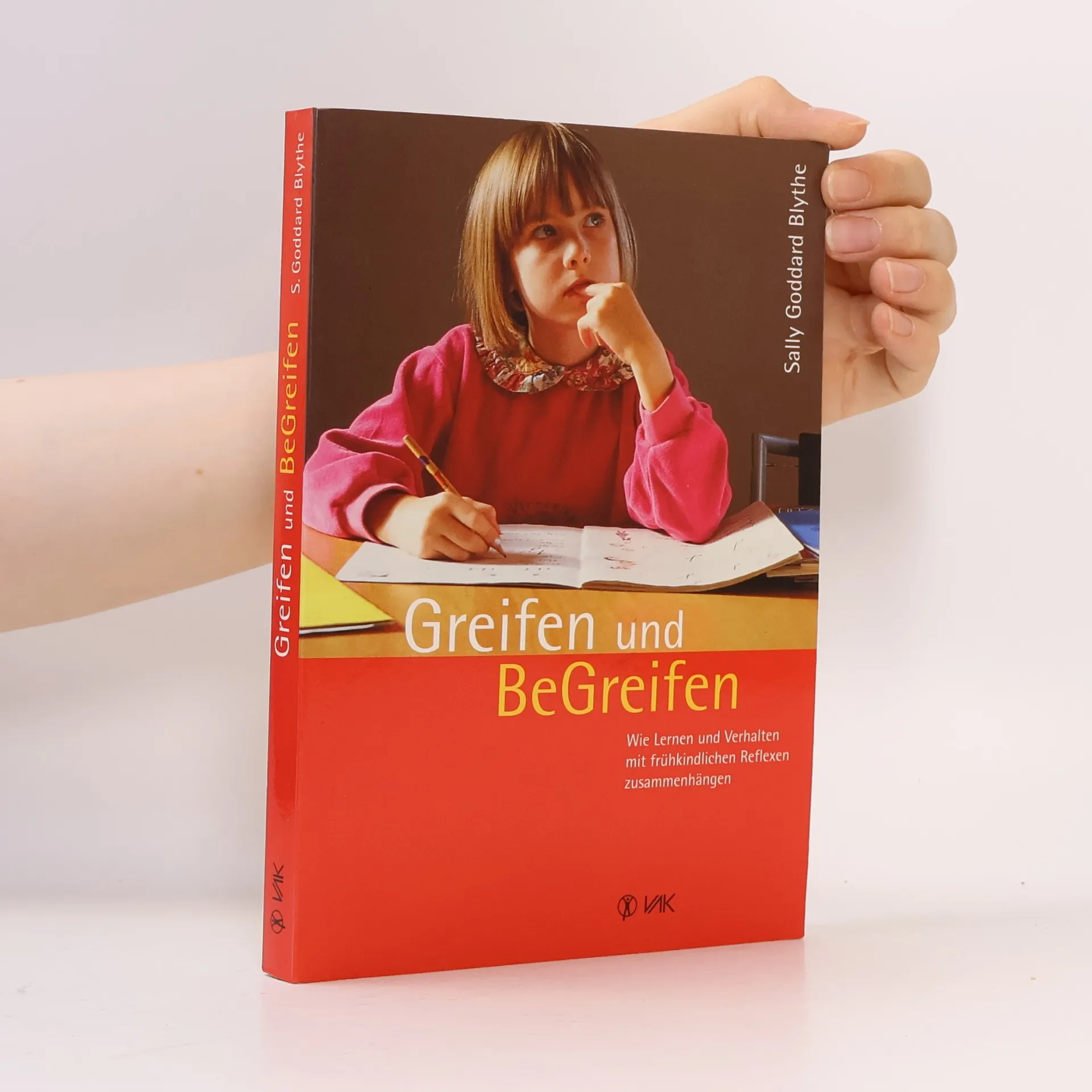
Die Schulreife ist wesentlich eine Frage der motorischen Entwicklung. Neuromotorische Entwicklungsverzögerungen führen unerkannt oft zu Lern- und Verhaltensproblemen. Mit Screening-Tests für die Schuluntersuchung lassen sich Kinder identifizieren, die zusätzlich zu pädagogischen Maßnahmen eine spezifische Förderung benötigen. Außerdem bietet das Buch ein neuromotorisches Übungsprogramm für Entwicklungsverzögerungen in Kindergarten und Schule.
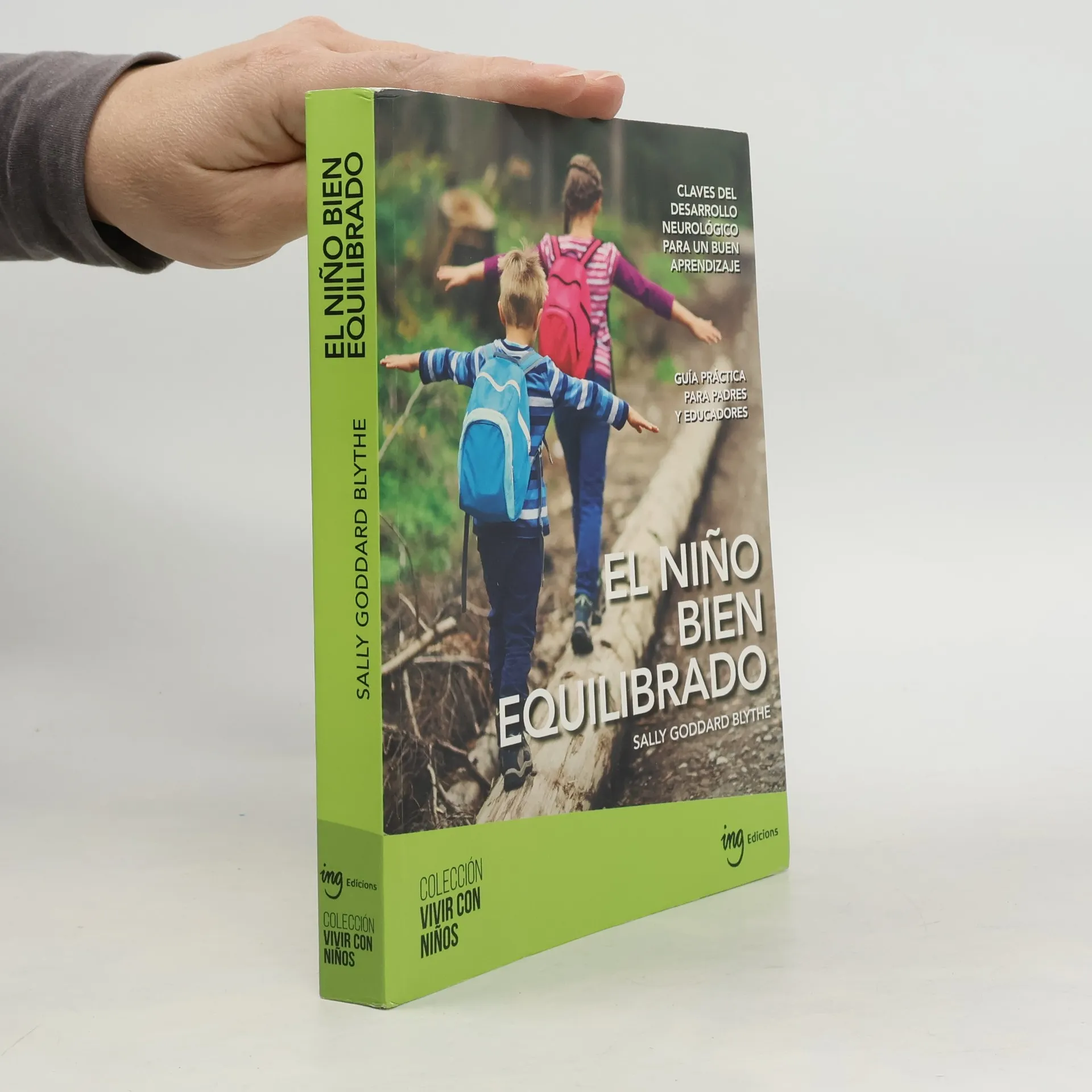
Vivir con Niños: El niño bien equilibrado
Claves del desarrollo neurológico para un buen aprendizaje - Guía práctica para padres y educadores
- 256 pages
- 9 hours of reading
Rare book
Attention, Balance and Coordination - das ABC des Lernerfolgs
Grundlagen der INPP-Methode
- 312 pages
- 11 hours of reading
Die Untersuchung beleuchtet die physischen Grundlagen des Lernens und Verhaltens bei Kindern mit spezifischen Lernschwierigkeiten. Sie stellt die INPP-Methode vor, die seit über 40 Jahren entwickelt wurde und ein neues Verständnis für die Ursachen von Lern- und Verhaltensauffälligkeiten bietet. Der Fokus liegt auf der Bedeutung früher Reflexe, ihrer Integration und den Auswirkungen auf Lernprozesse, Körperhaltung und motorische Fähigkeiten. Zudem werden aktuelle Forschungsergebnisse, der Einfluss des vestibulären Systems auf Angststörungen sowie Fallstudien und ein Beitrag von Dr. Peter Blythe präsentiert.
Neuromotorische Schulreife
Testen und fördern mit der INPP–Methode
Mimo że całokształt procesu uczenia się niewątpliwie przebiega w mózgu, często zapominamy, że odbiera on informacje sensoryczne ze środowiska za pośrednictwem ciała i ukazuje to, jak owo środowisko jest przez mózg odbierane. Kontrola postawy odzwierciedla integrację ośrodkowego układu nerwowego (OUN) i wspiera funkcjonowanie osi mózg-ciało. Niedojrzałość lub zakłócenia funkcjonalne w tym obszarze wpływają na zdolność mózgu do przyswajania i przetwarzania informacji. Jedną z metod oceny dojrzałości i integralności funkcjonowania OUN jest badanie odruchów pierwotnych oraz posturalnych. Ich obecność lub brak na podstawowych etapach rozwoju staje się dla nas oknem, przez które możemy przyjrzeć się funkcjonowaniu OUN, co ułatwia doświadczonemu profesjonaliście identyfikację objawów niedojrzałości bądź dysfunkcji neurologicznej. Istnieje coraz większa liczba dowodów naukowych wspierających teorię, zgodnie z którą umiejętności motoryczne wspierają proces uczenia się i są zaangażowane w regulację emocjonalną i zachowanie. Od chwili powstania w 1975 roku Instytut Psychologii Neurofizjologicznej (The Institute for Neuro-Physiological Psychology – INPP) w Chester jest miejscem, w którym prowadzi się pionierskie badania nad wpływem niedojrzałych odruchów pierwotnych i posturalnych na uczenie się i zachowanie, tworzy się protokoły oceny nieprawidłowych odruchów i związanych z nimi funkcji. Tam właśnie powstała specyficzna metoda terapeutyczna (tzw. metoda INPP). Wyniki badań, prowadzonych przez ponad 30 lat zarówno w INPP, jak i w niezależnych ośrodkach, wskazują, że istnieje ścisły związek między niedojrzałymi odruchami okresu niemowlęcego, brakiem osiągnięć szkolnych i podwyższonym poziomem lęku w dorosłym życiu oraz że program terapeutyczny nakierowany na bezpośrednią stymulację i integrację odruchów pierwotnych oraz posturalnych może spowodować korzystne zmiany w tych obszarach. Książka Jak osiągać sukcesy w nauce. Uwaga, równowaga, koordynacja przedstawia zarys podstawowej teorii, opis mechanizmów i markerów rozwojowych oraz wpływu niedojrzałych odruchów na funkcjonowanie dziecka w starszym wieku, które specjalistom zajmującym się edukacją i zdrowiem dzieci mogą pomóc w rozpoznawaniu oznak dysfunkcji neurologicznych i ich konsekwencji.