

Explore the latest books of this year!
Bookbot

Michael C. Mackey

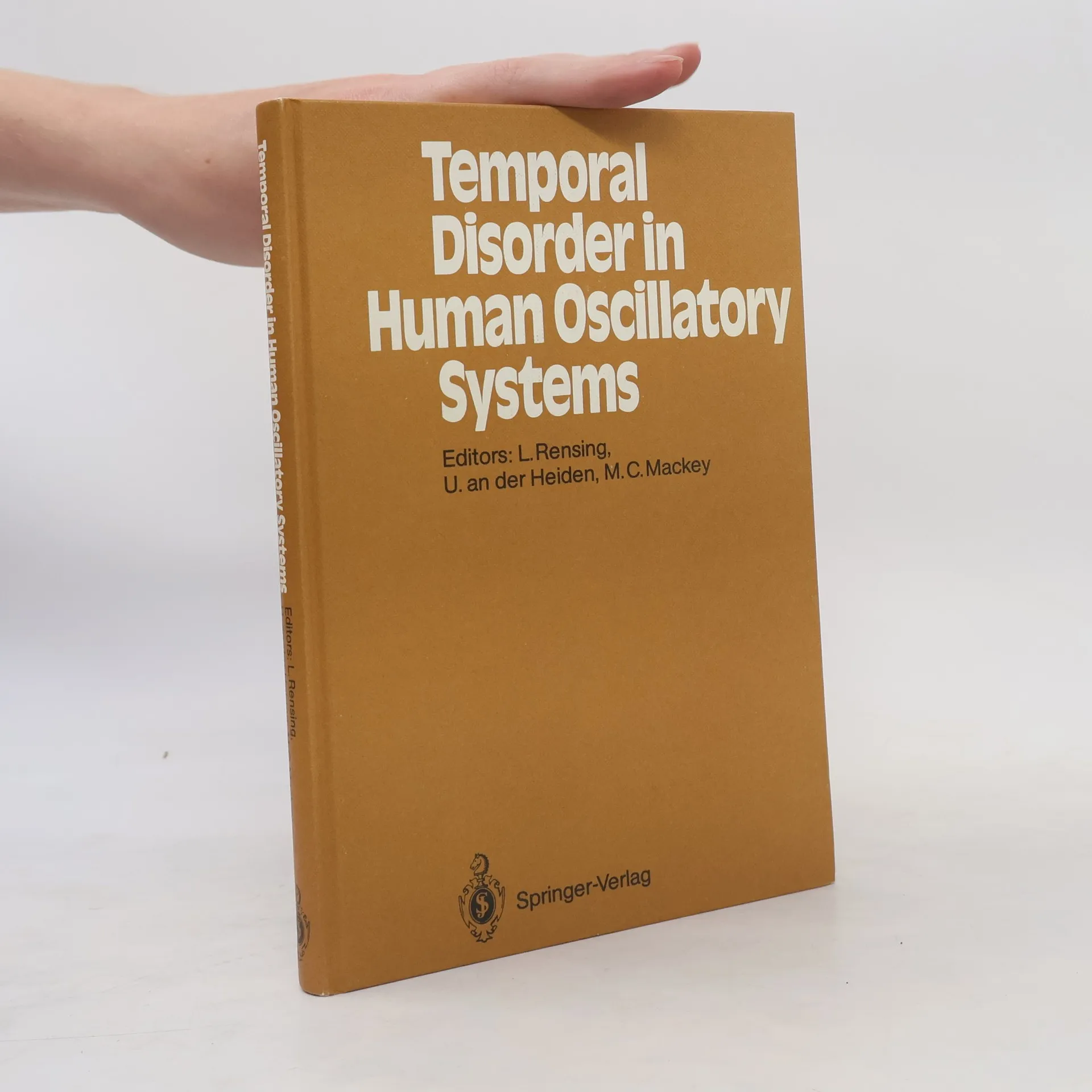
    Springer Series in Synergetics - 36: Temporal Disorder in Human Oscillatory Systems
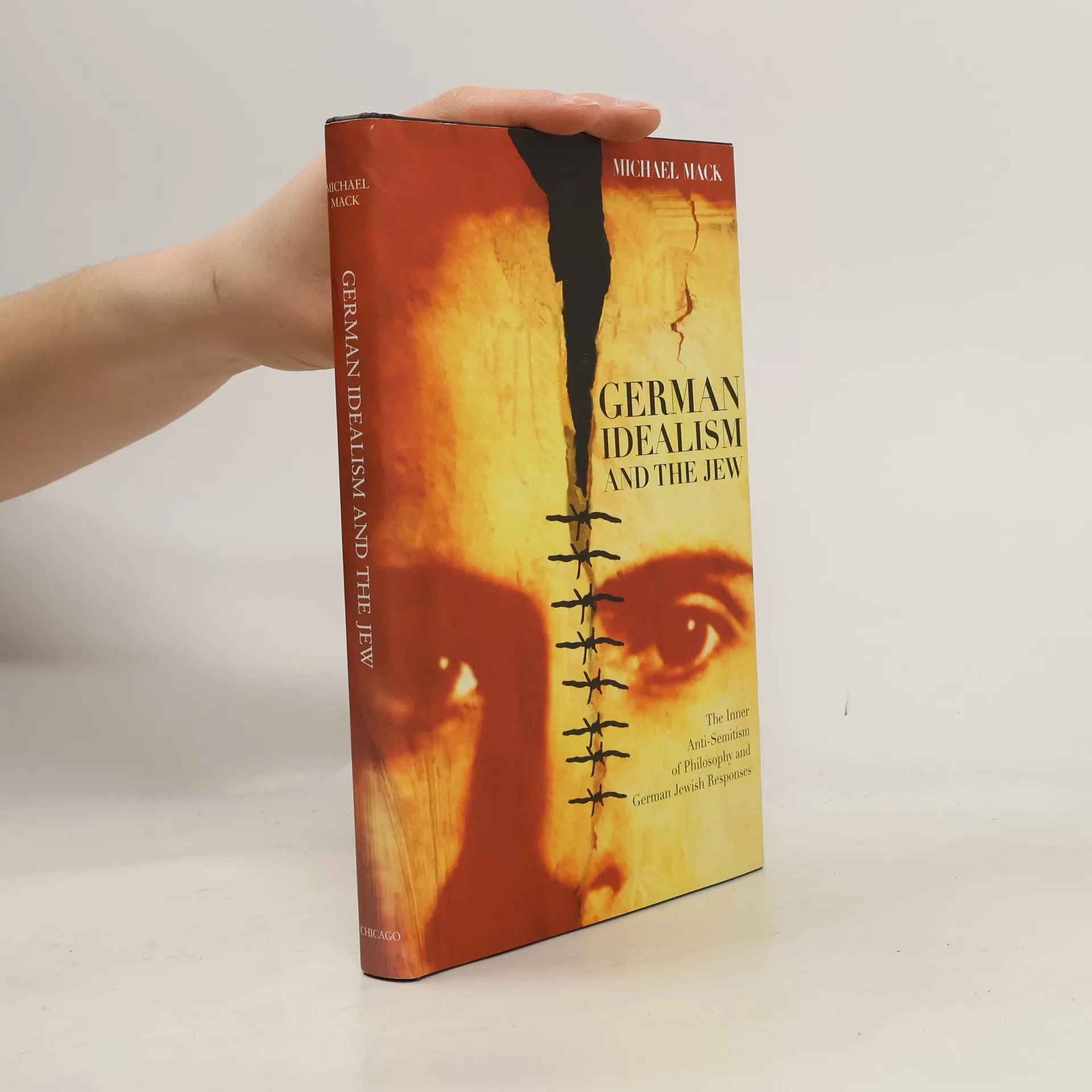
    German Idealism and the Jew
    • German Idealism and the Jew

      The Inner Anti-Semitism of Philosophy and German Jewish Responses

      • 229 pages
      • 9 hours of reading

      In German Idealism and the Jew, Michael Mack uncovers the deep roots of anti-Semitism within the German philosophical tradition. Contrary to viewing German anti-Semitism as merely a reaction to Enlightenment philosophy, Mack argues that redefining Jews as irrational, oriental Others is fundamental to German idealism, including Kant's notion of universal reason. He provides the first analytical account linking anti-Semitism and philosophy, starting with key figures in the German idealist tradition—Kant, Hegel, and later Feuerbach and Wagner. These thinkers suggested that humanity should embody the promises of an otherworldly heaven, yet their philosophies faltered on the belief that the worldly could not transform into this ideal. To address this conflict, Mack posits that philosophers constructed Jews as symbols of the "worldliness" obstructing the development of a body politic, serving as a contrast to Kantian autonomy and rationality. In the second part, Mack explores how thinkers like Moses Mendelssohn, Heinrich Heine, Franz Rosenzweig, and Freud navigated their identities as both German and Jewish. Each engaged with Kant and Hegel's philosophies while critiquing anti-Semitism, ultimately shaping a modern Jewish understanding of enlightenment that diverged significantly from their predecessors. By articulating the unspoken aspects of German philosophy, this work significantly reshapes our comprehension of the subject.

      German Idealism and the Jew
      4.4
    • Springer Series in Synergetics - 36: Temporal Disorder in Human Oscillatory Systems

      Proceedings of an International Symposium, University of Bremen, 8-13 September 1986

      • 259 pages
      • 10 hours of reading

      Rhythms of the heart and of the nervous and endocrine system, breathing, locomotory movements, sleep, circadian rhythms and tissue cell cycles are major elements of the temporal order of man. The dynamics of these systems are characterized by changes in the properties of an oscillator, transitions from oscillatory states into chaotic or stationary states, and vice versa, coupling or uncoupling between two or more oscillators. Any deviation from the normal range to either more or less ordered states may be defined as temporal disorder. Pathological changes of temporal organization, such as tremor, epileptic seizures, Cheyne-Stokes breathing, cardiac arrhythmicities and circadian desynchronization, may be caused by small changes in the order (control) parameters. One major aspect of the symposium was the analysis of characteristic features of these temporal control systems, including nonlinear dynamics of interactions, positive, negative and mixed feedback systems, temporal delays, and their mathematical description and modelling. The ultimate goal is a better understanding of the principles of temporal organization in order to treat periodic diseases or other perturbations of "normal" dynamics in human oscillatory systems.

      Springer Series in Synergetics - 36: Temporal Disorder in Human Oscillatory Systems