

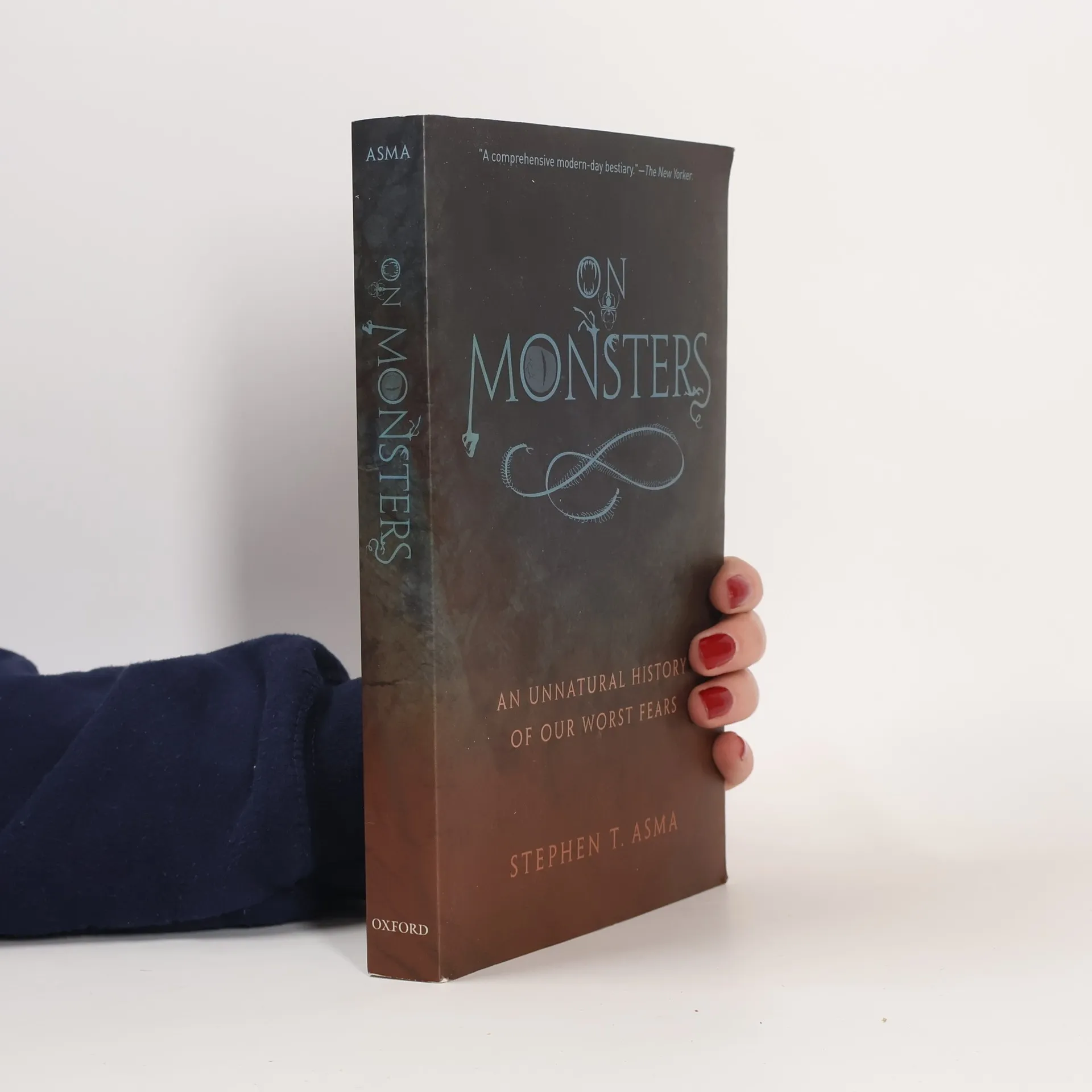
Hailed as "a feast" ( Washington Post ) and "a modern-day bestiary" ( The New Yorker ), Stephen Asma's On Monsters is a wide-ranging cultural and conceptual history of monsters--how they have evolved over time, what functions they have served for us, and what shapes they are likely to take in the future. Beginning at the time of Alexander the Great, the monsters come fast and furious--Behemoth and Leviathan, Gog and Magog, Satan and his demons, Grendel and Frankenstein, circus freaks and headless children, right up to the serial killers and terrorists of today and the post-human cyborgs of tomorrow. Monsters embody our deepest anxieties and vulnerabilities, Asma argues, but they also symbolize the mysterious and incoherent territory beyond the safe enclosures of rational thought. Exploring sources as diverse as philosophical treatises, scientific notebooks, and novels, Asma unravels traditional monster stories for the clues they offer about the inner logic of an era's fears andfascinations. In doing so, he illuminates the many ways monsters have become repositories for those human qualities that must be repudiated, externalized, and defeated.
Stephen T. Asma Books
Stephen T. Asma is a leading thinker whose work bridges philosophy, natural science, and cultural history. His research delves into profound questions of belief, ethics, and human nature, often offering unique perspectives on religious and scientific traditions. Asma explores how these systems shape our understanding of the world and ourselves, providing original interpretations of both common and unusual phenomena. His writing challenges readers to consider the complexities of human existence.

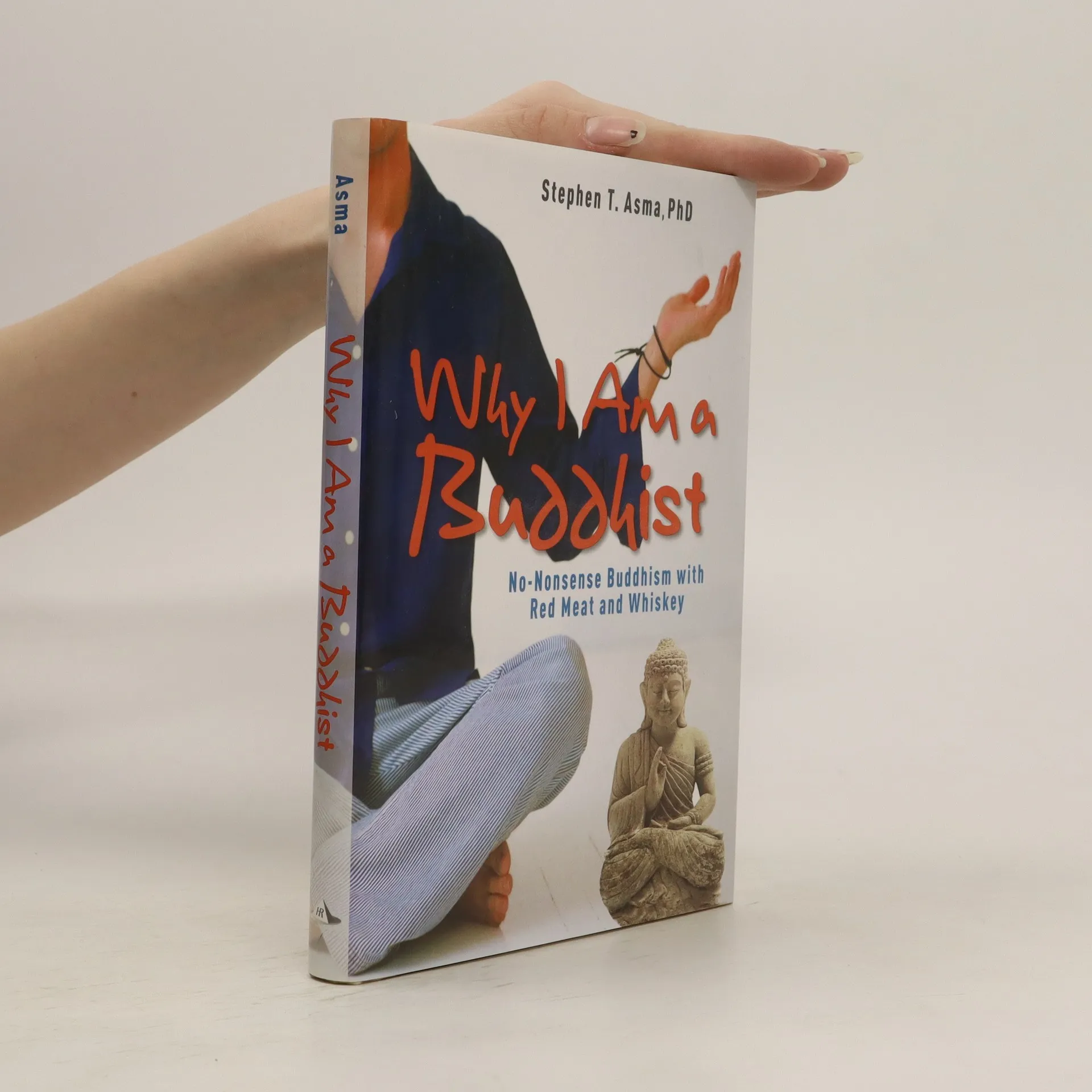
Profound and amusing, this book provides a viable approach to answering the perennial Who am I? Why am I here? How can I live a meaningful life? For Asma, the answers are to be found in Buddhism.There have been a lot of books that have made the case for Buddhism. What makes this book fresh and exciting is Asma's iconoclasm, irreverence, and hardheaded approach to the subject. He is distressed that much of what passes for Buddhism is really little more than "New Age mush." He loudly asserts that it is time to "take the California out of Buddhism." He presents a spiritual practice that does not require a belief in creeds or dogma. It is a practice that is psychologically sound, intellectually credible, and esthetically appealing. It is a practice that does not require a diet of brown rice, burning incense, and putting both your mind and your culture in deep storage.In seven chapters, Asma builds the case for a spiritual practice that is authentic, and inclusive. This is Buddhism for everyone. This is Buddhism for people who are uncomfortable with religion but yearn for a spiritual practice.
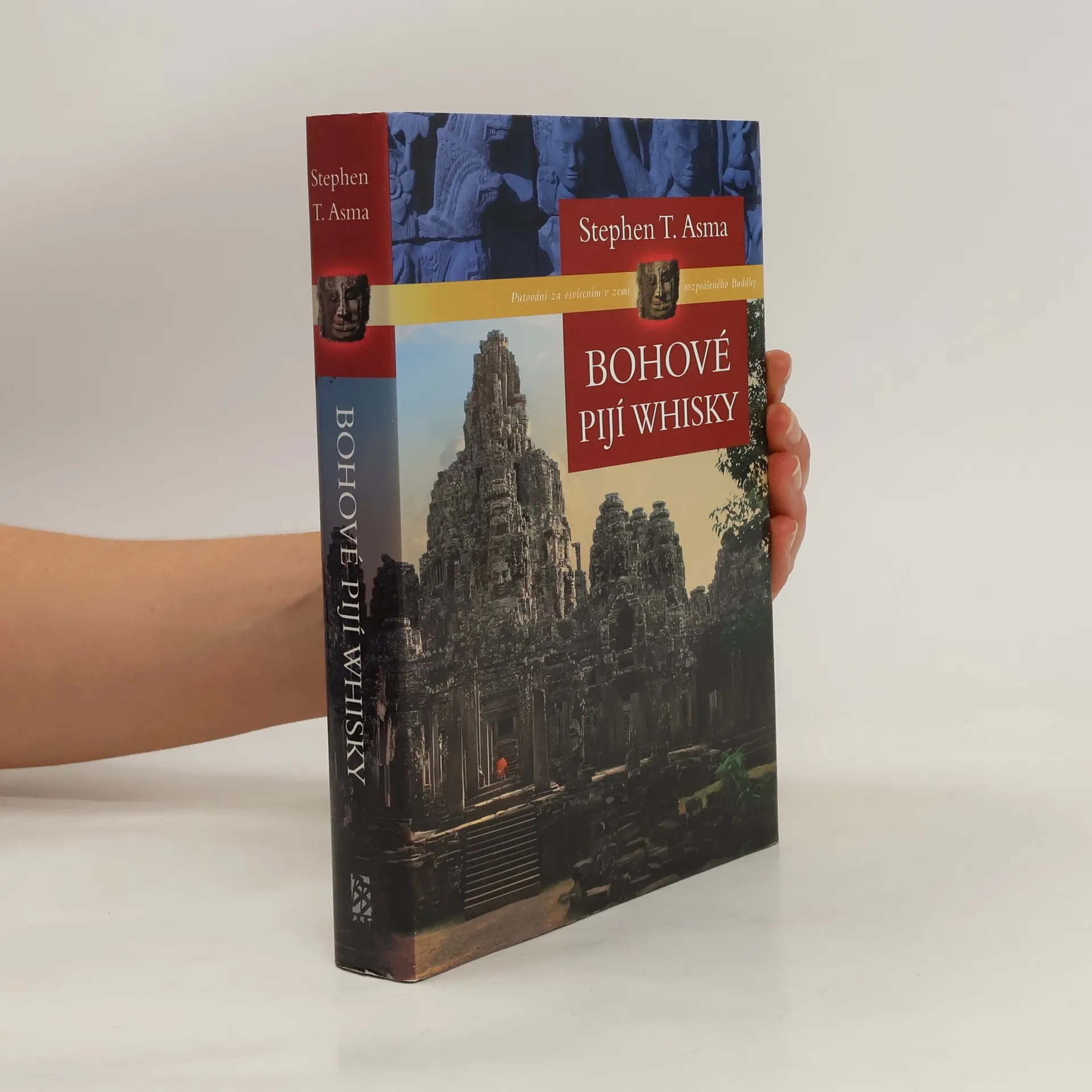
Bohové pijí whisky : putování za osvícením v zemi rozprášeného Buddhy
- 295 pages
- 11 hours of reading
Příběh amerického profesora filozofie, který byl kambodžským Buddhistickým institutem vyzván k výuce buddhismu. V zemi bylo, díky Pol Potovu režimu, toto náboženství téměř vymýceno, zejména jeho racionální podoba (tzv. thammajutový buddhismus). Text psaný stylem, jak říká autor, "filozofického žurnalismu" se pokouší zaznamenat každodenní kulturní projevy théravádového buddhismu (nejstarší a nejčistší formy buddhismu rozšířené v jihovýchodní Asii) spolu s příběhy a zážitky s místními obyvateli, zvířaty i přírodou.