
Explore the latest books of this year!
Bookbot

André Gaudreault

    April 23, 1952

    André Gaudreault is a leading author in film theory and history, examining how cinematic narrative has evolved from its earliest beginnings to the present. His work delves into the essence of film narration and the historical context of cinema's emergence. Gaudreault serves as a professor and director of a research group focused on film and stage institutions. His scholarship illuminates pivotal moments in the development of cinematic art.
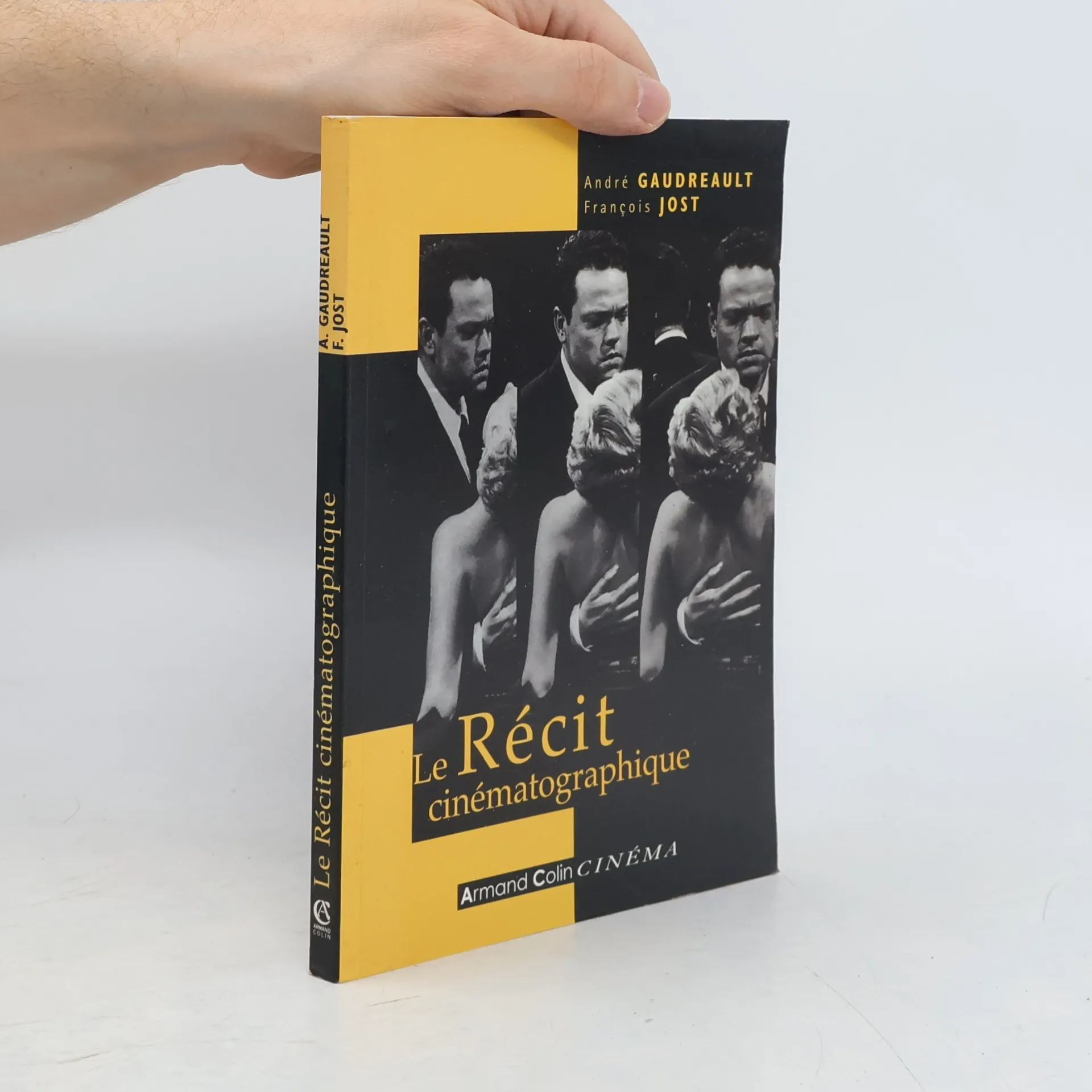
    El relato cinematográfico
    Cinéma et attractions
    End of Cinema?
    • End of Cinema?

      • 256 pages
      • 9 hours of reading

      Is a film watched on a video screen still cinema? Have digital compositing, motion capture, and other advanced technologies remade or obliterated the craft? Rooted in their hypothesis of the "double birth of media," André Gaudreault and Philippe Marion take a positive look at cinema's ongoing digital revolution and reaffirm its central place in a rapidly expanding media landscape. The authors begin with an overview of the extreme positions held by opposing camps in the debate over cinema: the "digitalphobes" who lament the implosion of cinema and the "digitalphiles" who celebrate its new, vital incarnation. Throughout, they remind readers that cinema has never been a static medium but a series of processes and transformations powering a dynamic art. From their perspective, the digital revolution is the eighth major crisis in the history of motion pictures, with more disruptions to come. Brokering a peace among all sides, Gaudreault and Marion emphasize the cultural practice of cinema over rigid claims on its identity, moving toward a common conception of cinema to better understand where it is headed next.

      End of Cinema?
      5.0
    • Cinéma et attractions

      Pour une nouvelle histoire du cinématographe

      • 256 pages
      • 9 hours of reading

      Artisanal, tâtonnant, imaginatif : tel est le cinéma des commencements, avant même le muet. Si l'appareil inventé par les frères Lumière en 1895 permet la projection de vues animées, ca n'est pas encore pour autant le cinéma. Elles sont projetées, comme des attractions, au théâtre et au cirque. Le cinéma que nous connaissons ne s'esquisse que vers 1910. Méliès est ici une figure centrale, car c'est lui qui a " fait sortir le cinéma de son chapeau " (E. Morin). André Gaudreault enseigne l'histoire du cinéma à l'université de Montréal. Il est connu internationalement.

      Cinéma et attractions
      4.0
    • El relato cinematográfico

      Cine y narratología

      • 176 pages
      • 7 hours of reading

      ¿Qué diferencias hay entre un filme mudo y un filme sonoro? ¿Y entre un policíaco y una comedia? ¿Y entre una película de Jean Renoir y otra de Jean-Luc Godard? Muchas, evidentemente. Pero también un parecido escencial: todos ellos, a su manera intentan relatar, contar una historia. Con el fin de analizar convenientemente la diversidad de filmes que componen la historia del cine, pues, hay que entender primero qué tienen en común todos los relatos cinematográficos. Y esto es lo que intenta hacer esta obra, mediante una exposición metódica de los conceptos clabe de la narratología, principalmente los de narrador, tiempo y punto de vista. Los autores, internacionalmente conocidos por sus investigaciones sobre el relato, hacen accesibles, así, para todo tipo de lectores, no sólo las más recientes teorías sobre la narración cinematográfica, sino también, a través de ellas, una nueva visión de las épocasm los géneros y los autores. Algo que resultará de sumo interés tanto para los especialistas como para quienes, procedentes de otras materias, sientan un mínimo de curiosidad respecto a los problemas del relato y sus mecanismos.

      El relato cinematográfico