

Greek / Modern Intersections: Specters of Cavafy
- 316 pages
- 12 hours of reading
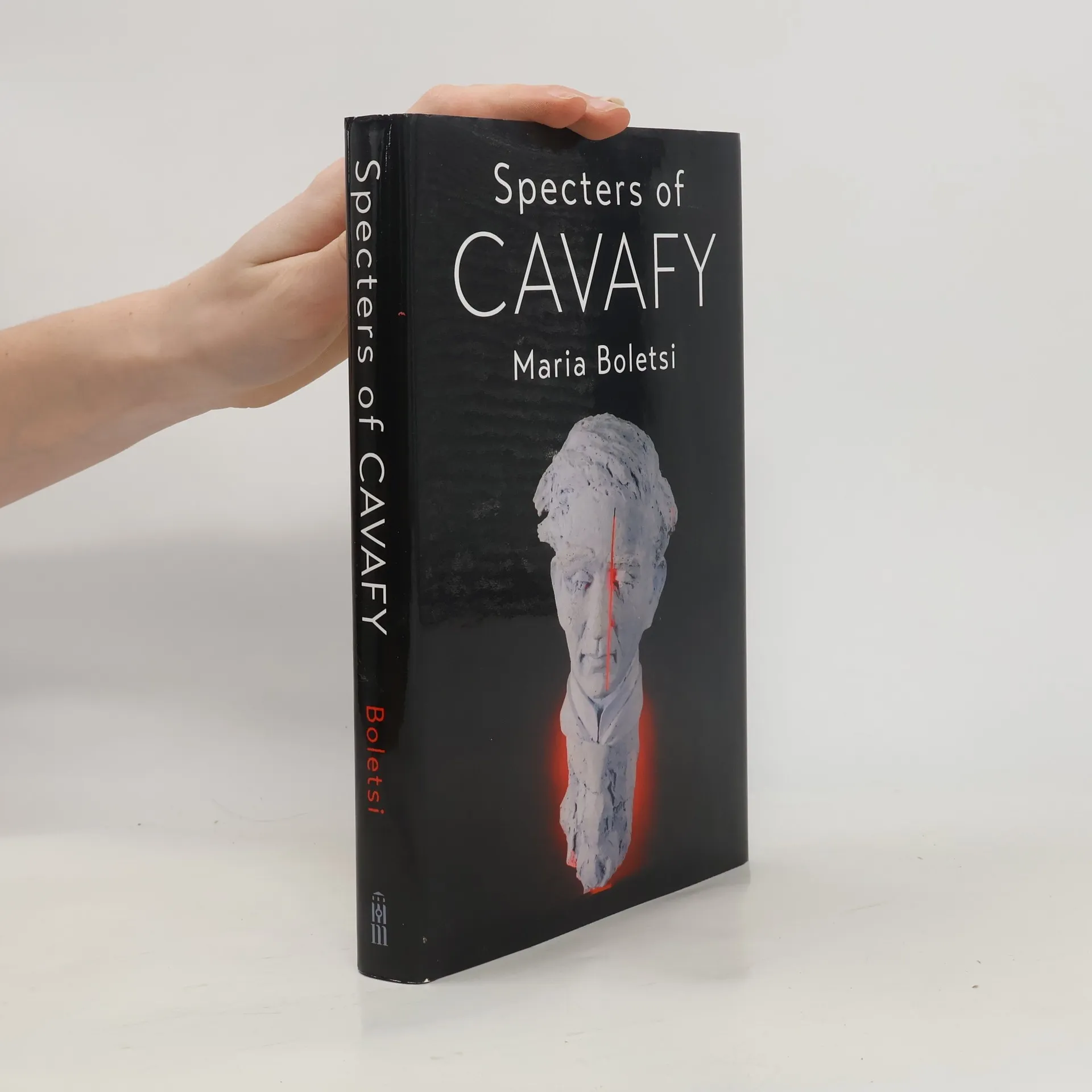
The Greek Alexandrian poet C. P. Cavafy (1863–1933) has been recognized as a central figure in European modernism and world literature. His poetry explored the conditions for animating the past and making lost worlds or people haunt the present. Yet he also described himself as “a poet of the future generations.” Indeed, his writings address concerns and desires that permeate the twentieth and twenty-first centuries. How does poetry concerned with the past, memory, loss, and death, carry futurity? How does it haunt, and how is it haunted by, future presents? Specters of Cavafy broaches these questions by proposing spectral poetics as a novel approach to Cavafy’s work. Drawing from theorizations of specters and haunting, it develops spectrality as a lens for revisiting Cavafy’s poetry and prose, fiction and nonfiction, as well as his poetry’s bearing on our present. By examining Cavafy’s spectral poetics, the book’s first part shows how conjurations work in his writings, and how the spectral permeates the entanglement of modernity and haunting, and of irony and affect. The second part traces the afterlives of specific poems in the Western imagination since the 1990s, in Egypt’s history of debt and colonization, and in Greece during the country’s recent debt crisis. Beyond its original contribution to Cavafy studies, the book proposes tools and modes of reading that are broadly applicable in literary and cultural studies.