Explore the latest books of this year!
Bookbot

Mary Cholmondeley Book order (chronological)

    Mary Cholmondeley was an English novelist whose works often delve into intricate interpersonal relationships and moral quandaries. Her writing is characterized by keen psychological depth and a sharp insight into the human condition. Cholmondeley frequently explored themes of passion, societal constraints, and the internal conflicts of her characters. Her ability to capture the nuances of human behavior secured her a place among the notable novelists of her era.

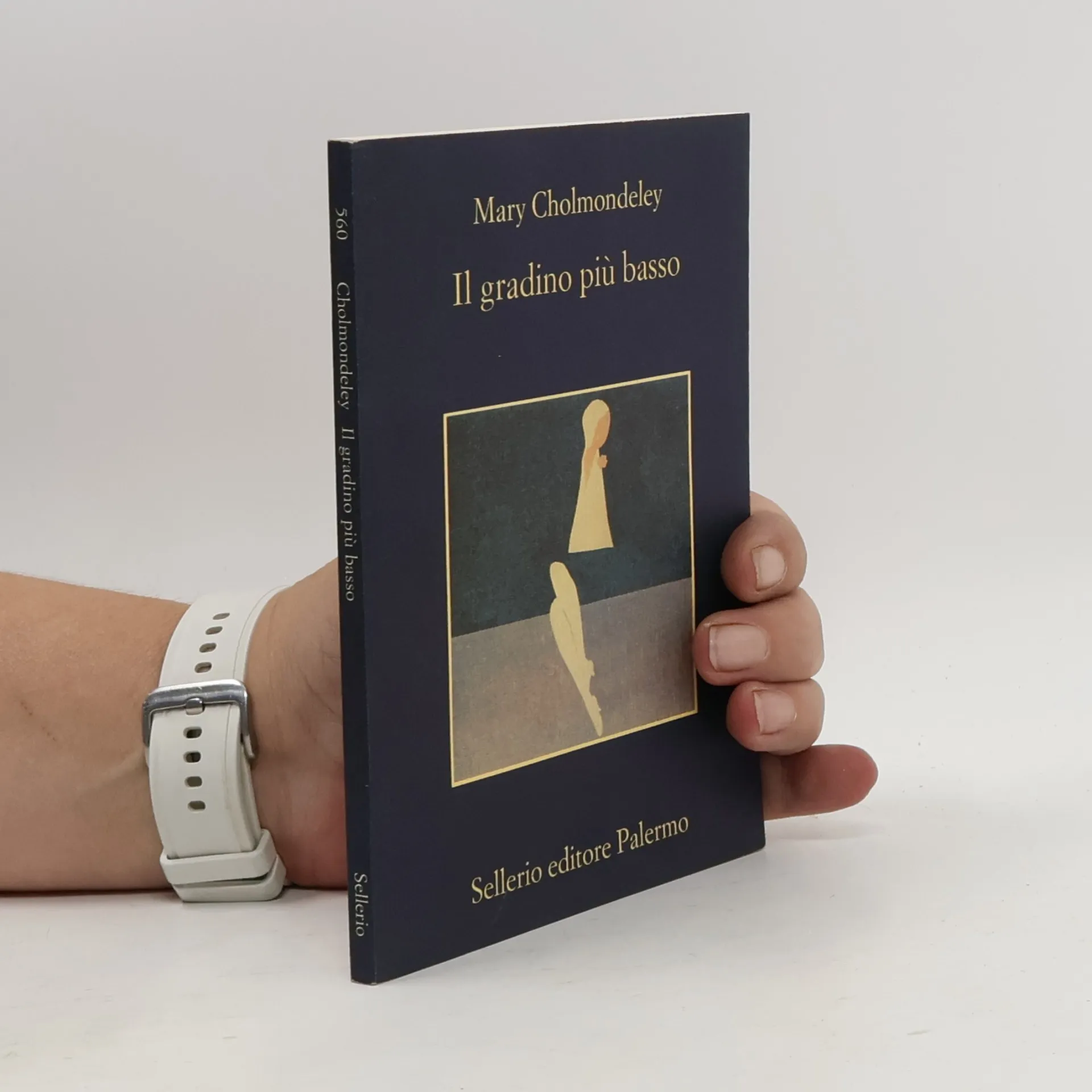
    Il gradino più basso
    Diana
    Red Pottage
    • Red Pottage

      • 316 pages
      • 12 hours of reading

      Mary Cholmondeley wrote at the beginning of the 20th century. She spent most of her life in England caring for her mother. By age 18 she was convinced she would never marry. She is best remembered for her satirical novel Red Pottage. Red Pottage is the story of adultery and a clergyman who destroys his sister's art. The first plot contained in this novel is that of Rachael West an heiress and her love for a man trapped in an illicit affair who is doomed to die by is own hand. The second plot is about a gifted female writer who is unable to break away and start her own life free of her family.

      Red Pottage2021
      3.0
    • Il gradino più basso

      • 99 pages
      • 4 hours of reading

      Tre racconti «a effetto», «sensazionali» come si diceva una volta, ma un effetto, secondo Henry James - che conosceva di persona questa scrittrice inglese molto popolare ai suoi tempi, a cavallo tra l'Ottocento e il Novecento, - «nitido come un colpo di pistola». E certo il romanzo appena scandaloso che fece di Mary Cholmondeley una celebrità, Red Pottage, non era degno del ricordo che meritano invece i numerosi racconti con cui riempiva riviste e raccolte (piacevano, per esempio, ai due Ellery Queen, anche grazie ai quali si sono conservati nella memoria). A cavallo tra due secoli, ma soprattutto a cavallo tra la vecchia campagna inglese e la città monstre appena scoperta dalla piccola o piccolissima aristocrazia agraria, di questa classe esprimeva la sensazione, appunto, provata di fronte alla nuova esperienza di urbanizzazione. Ma in short stories, con colpo di scena finale, così «nitide» da esprimere un più universale valore simbolico, di piccoli incubi dell'uomo moderno: quasi come visioni di una Patricia Highsmith dei primissimi anni del Novecento ancora impigriti dall'Ottocento.

      Il gradino più basso2003