

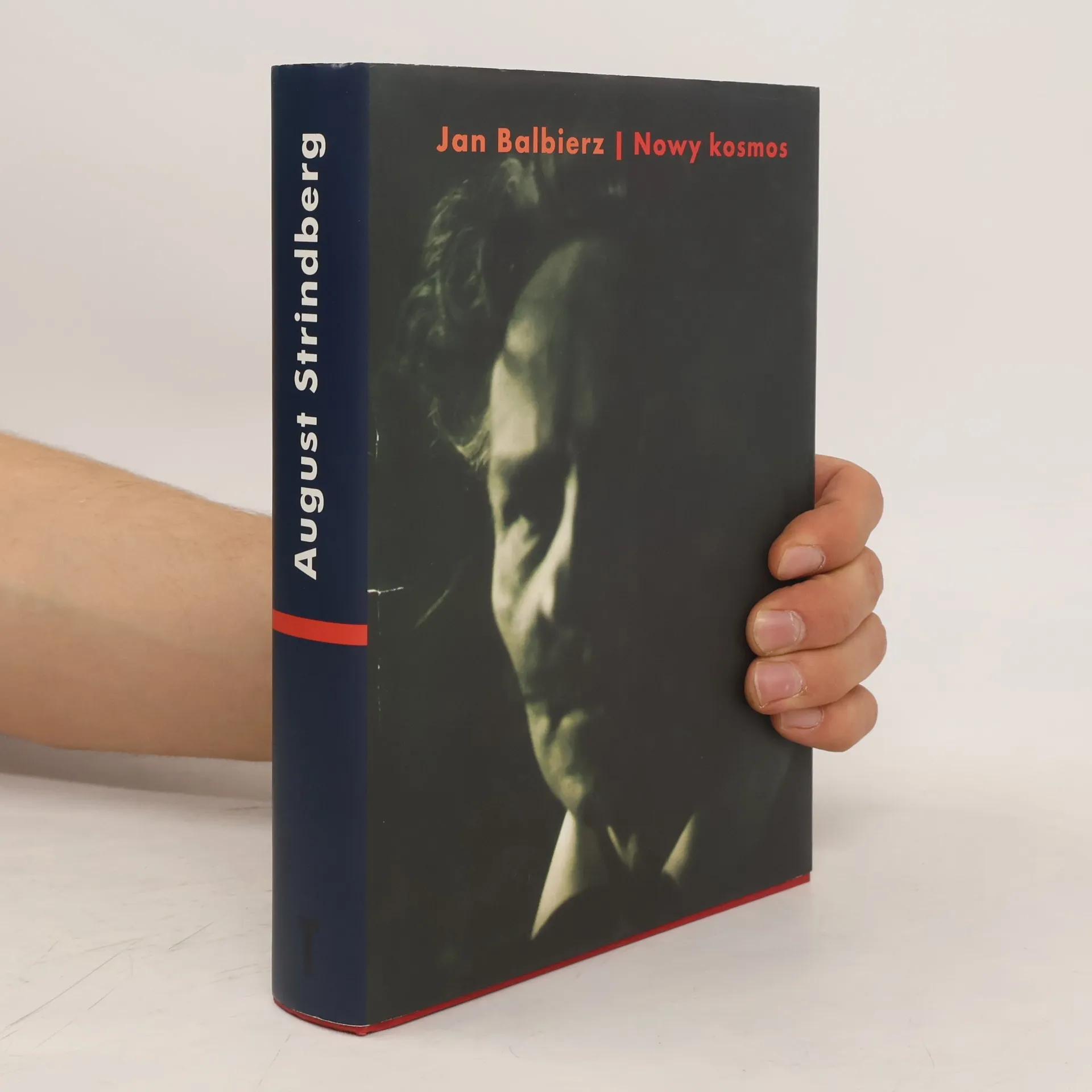

Strindberg and the Western Canon
- 450 pages
- 16 hours of reading
Throughout his writing career, August Strindberg served as a restless canon-maker, constantly quoting both historical and contemporary sources, while shaping and challenging cultural values around the turn of the twentieth century. As a writer, librarian, cultural scholar, polemicist, and amateur researcher, he actively engaged with the literary and cultural canon. Living in self-chosen exile, Strindberg was a multilingual cosmopolitan whose work reflects the dynamics between local and global culture, positioning him within the context of Weltliteratur. His experiences as an emigrant, theosophist, and reporter informed his perspective, as he sought to become a French author and delved into studies of Hebrew, Chinese logograms, Russian literature, and Middle Eastern history. This volume, edited by Jan Balbierz, compiles contributions from esteemed Strindberg scholars, exploring critical questions such as how Strindberg constructed his literary predecessors and the traditions he aligned with. It also examines the transformation of Strindbergian texts in theatrical performance and his complex relationship with foreign cultural values, all while maintaining strong ties to his Swedish identity.