

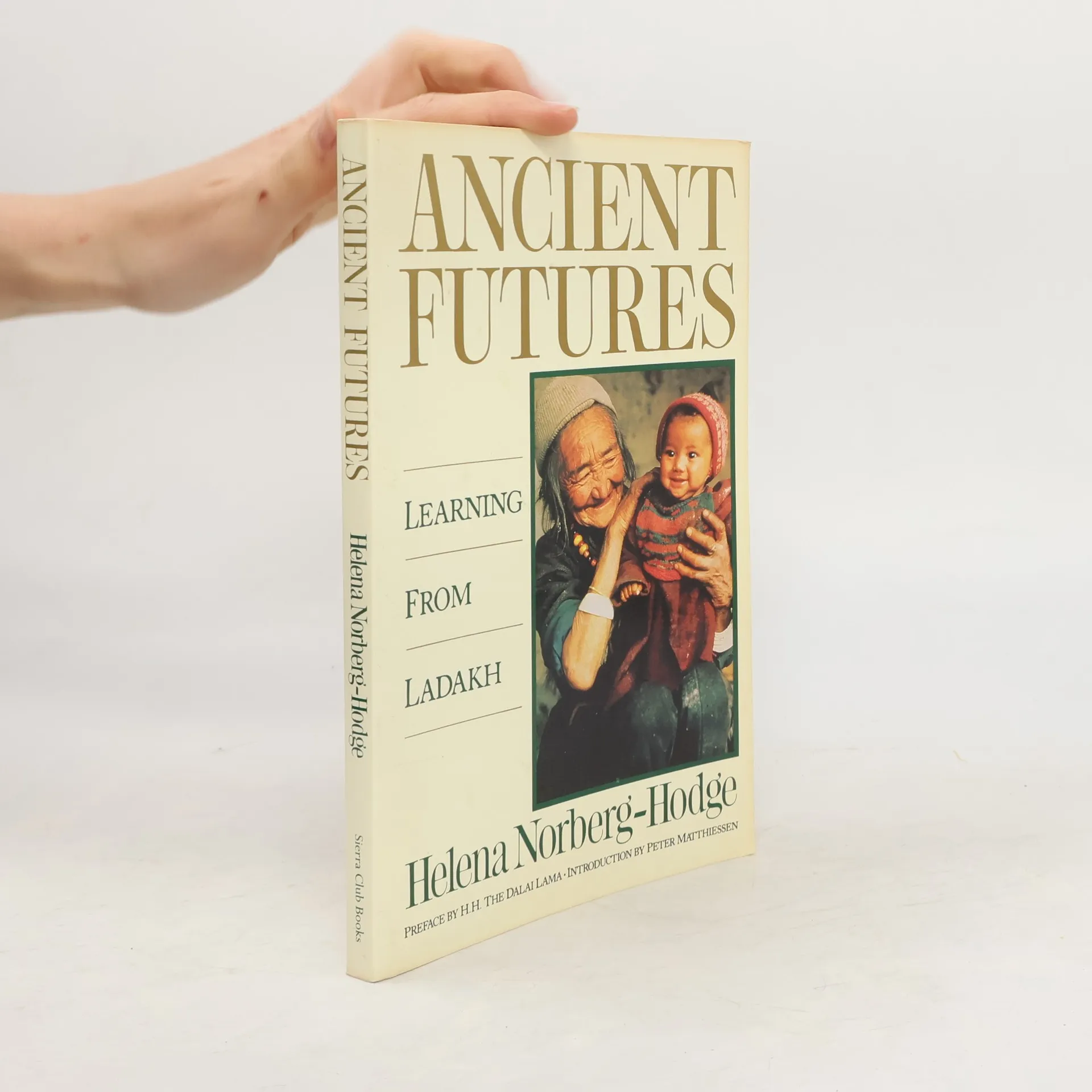
The swiftly evolving socioeconomic life of Ladakh, whose people struggle to balance growth and technology with cultural values, offers crucial lessons in sustainable development. This gripping portrait of the western Himalayan land known as “Little Tibet” moves from the author’s first visit to idyllic, nonindustrial Ladakh in 1974 to the present, tracking profound changes as the region was opened to foreign tourists, Western goods and technologies, and pressures for economic growth. These changes in turn brought generational conflict, unemployment, inflation, environmental damage, and threats to the traditional way of life. Appalled by these negative impacts, the author helped establish the Ladakh Project (later renamed the International Society for Ecology and Culture) to seek sustainable solutions that preserve cultural integrity and environmental health, while addressing the Ladakhis’ hunger for modernization. This model undertaking effectively combines educational programs for all social levels with the design, demonstration, and promotion of appropriate technologies such as solar heating and small-scale hydro power. Examining how modernization changes the way people live and think, Norberg-Hodge challenges us to redefine our concepts of “development” and “progress.” Above all, Ancient Futures stresses the need to carry traditional wisdom into the future—our urgent task as a global community.
Todd Merrifield Books
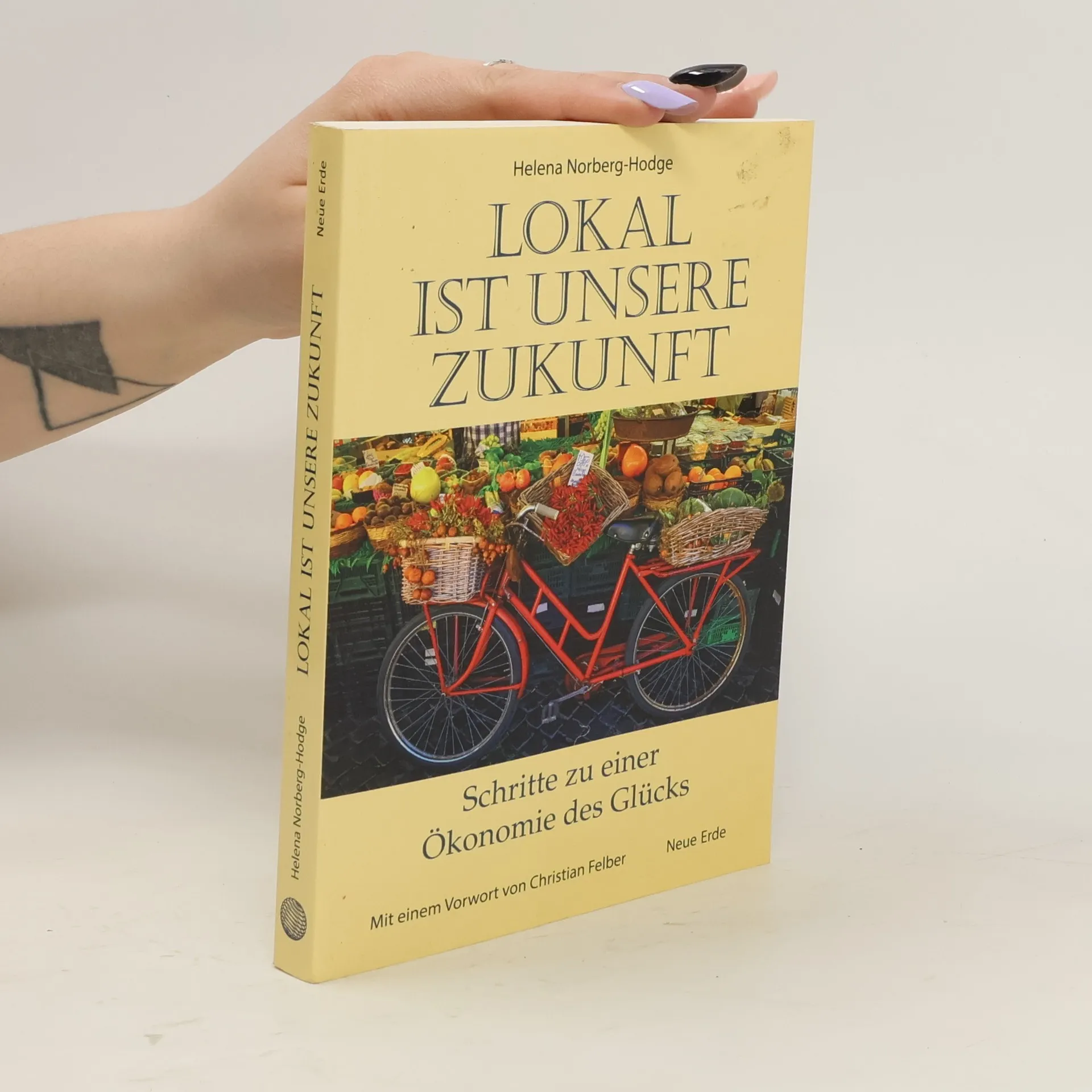
Vor uns liegen zwei diametral entgegengesetzte Wege: Der eine führt uns unerbittlich in Richtung einer rasanten, groß angelegten monokulturellen technologischen Entwicklung. Es ist ein Weg, der uns voneinander und von der natürlichen Welt trennt und unseren sozialen und ökologischen Niedergang beschleunigt. Auf dem anderen Weg geht es darum, langsamer zu werden, sich zurückzunehmen und eine tiefe Verbundenheit zu fördern, um die sozialen und wirtschaftlichen Strukturen wiederherzustellen, die für die Befriedigung unserer materiellen sowie tieferen menschlichen Bedürfnisse nötig sind – und dies auf eine Weise, die den einzigen Planeten, den wir haben, hegt und pflegt.