
This introductory textbook provides a thorough guide to the management of food and beverage outlets, from their day-to-day running through to the wider concerns of the hospitality industry. It explores the broad range of subject areas that encompass the food and beverage market and its main sectors - fast food and casual dining, hotels and quality restaurants and event, industrial and welfare catering. It also looks at some of the important trends affecting the food and beverage industry, covering consumers, the environment and ethical concerns as well as developments in technology. New to this edition: New chapter: Classifying food and drink service operations. New international case studies throughout covering the latest industry developments within a wide range of businesses. Enhanced coverage of financial aspects, including forecasting and menu pricing with respective examples of costings. New coverage of contemporary trends, including events management, use of technology, use of social media in marketing, customer management and environmental concerns, such as sourcing, sustainability and waste management. Updated companion website, including new case studies, PowerPoint slides, multiple choice questions, revision notes, true or false questions, short answer questions and new video and web links per chapter. It is illustrated in full colour and contains in-chapter activities as well as end-of-chapter summaries and revision questions to test the readers' knowledge as they progress. Written by a team of authors with many years of industry practice and teaching experience, this book is the ideal guide to the subject for hospitality students and industry practitioners alike.
Andrew John Lockwood Book order (chronological)


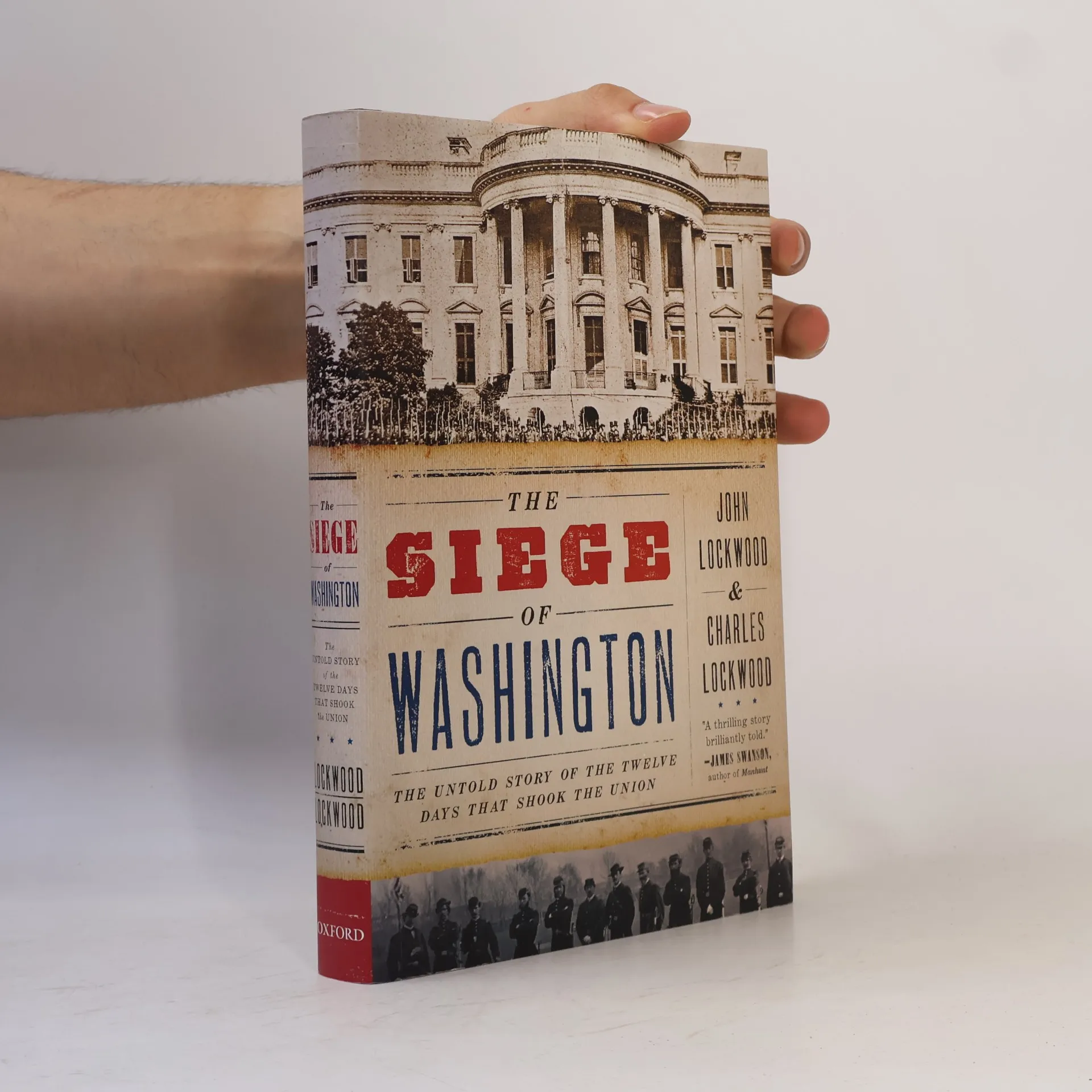
The Siege of Washington
The Untold Story of the Twelve Days That Shook the Union
- 298 pages
- 11 hours of reading
On April 14, 1861, after the surrender of Fort Sumter, Washington was declared "in the condition of a siege" by Abraham Lincoln. Situated just sixty miles south of the Mason-Dixon Line, the capital was vulnerable, surrounded by the slave states of Maryland and Virginia, with no fortifications and only a few trained soldiers. The Confederacy targeted Washington, and cries of "On to Washington!" echoed in the South. Jefferson Davis's wife even sent out invitations for a White House reception on May 1. In response, Lincoln issued an emergency proclamation on April 15, calling for 75,000 troops to suppress the rebellion and protect the capital. A critical question loomed: which forces would reach Washington first—the Northern defenders or the Southern attackers? For 12 days, the city's fate was uncertain. Isolated from the North, Washington lacked trains, telegraph, and mail. Sandbags were piled around key landmarks, and the unfinished Capitol became a barracks for volunteer troops. Meanwhile, Maryland secessionists hindered Union reinforcements, while a rumored Confederate force of 20,000 waited across the Potomac River. Drawing on firsthand accounts, this narrative captures the precarious early days of the Civil War from the perspectives of officials, residents, Confederates, and Union troops racing to save the city.
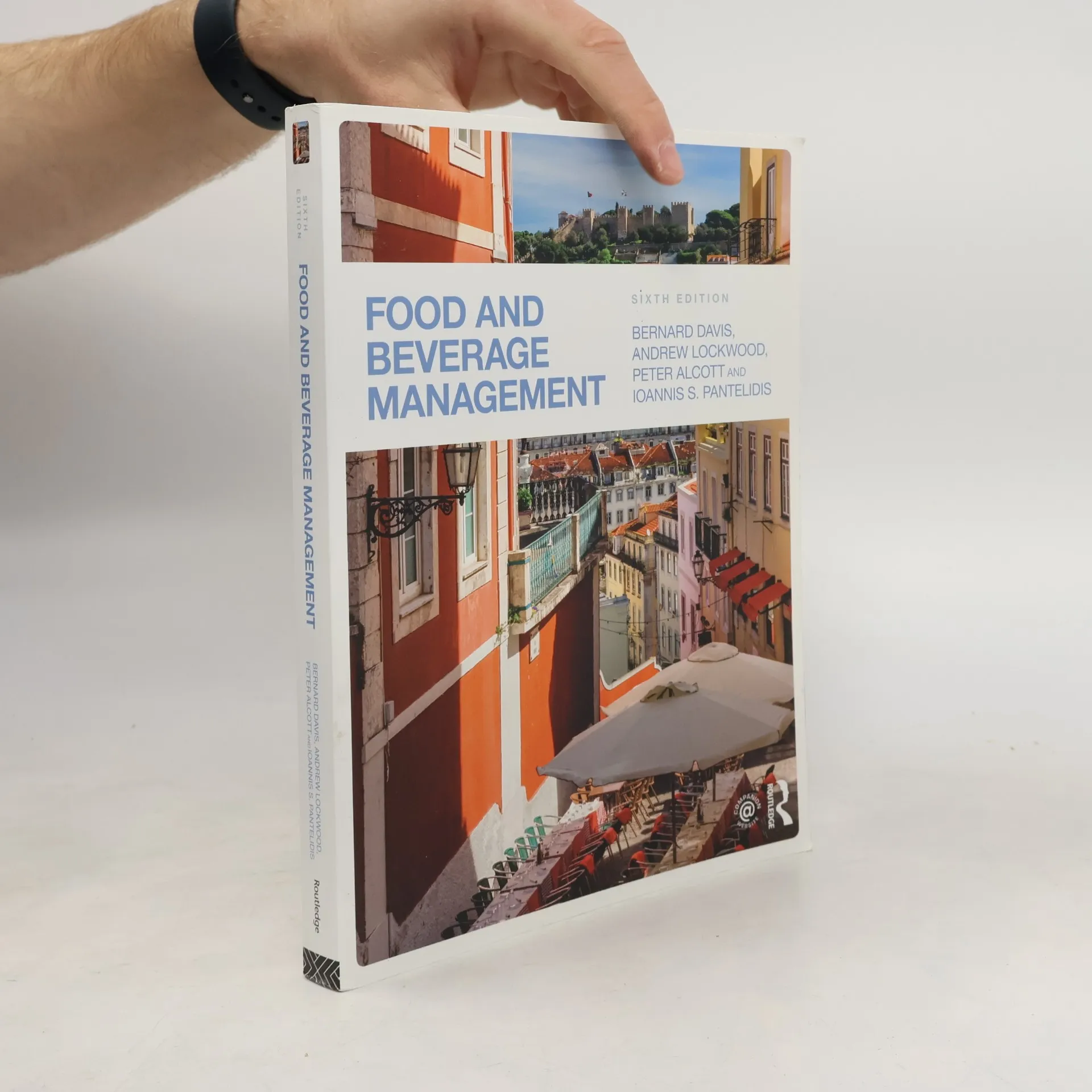
Food and Beverage Management
- 480 pages
- 17 hours of reading
" ... Chapters on the scope and functions of food and beverage management, managing quality, stewarding. ... [including] an examination and classification of the various sectors that constitute the catering industry and describes the role of food and beverage management in the context of overall catering operations. All the practical aspects of management are dealt with: purchasing, receiving, storing, issuing, sales promotion, food menus and beverage lists, production and service."--Publisher's description