Le Coran est le texte sacré de l'islam, considéré par la tradition musulmane comme le premier ouvrage en arabe. Pour les musulmans, il regroupe les paroles de Dieu révélées à Mahomet, de 610 à 632. Il représente un attribut incréé de Dieu destiné à toute l'humanité. Les conditions de sa mise par écrit et de sa fixation canonique, attribuées au troisième calife Uthman, suscitent encore des recherches et des débats parmi les exégètes et historiens contemporains. La tradition divise le Coran en deux parties, distinguées par des différences de style et de thèmes. Les sourates mecquoises, antérieures à l'hégire, sont généralement plus courtes et abordent des histoires de prophètes, avec un accent sur la religion et des références eschatologiques. En revanche, les sourates médinoises, postérieures à l'hégire, sont plus longues et traitent de questions politiques et sociétales, évoquant les hypocrites. Cette division est davantage temporelle que géographique, les sourates médinoises correspondant à une période où Mahomet devient un chef politique. Ainsi, l'islam se présente comme une doctrine politico-religieuse, dont la mission, définie par le Coran, est l'organisation politique et sociale des musulmans, tandis que la période mecquoise marque le début de la prophétie.

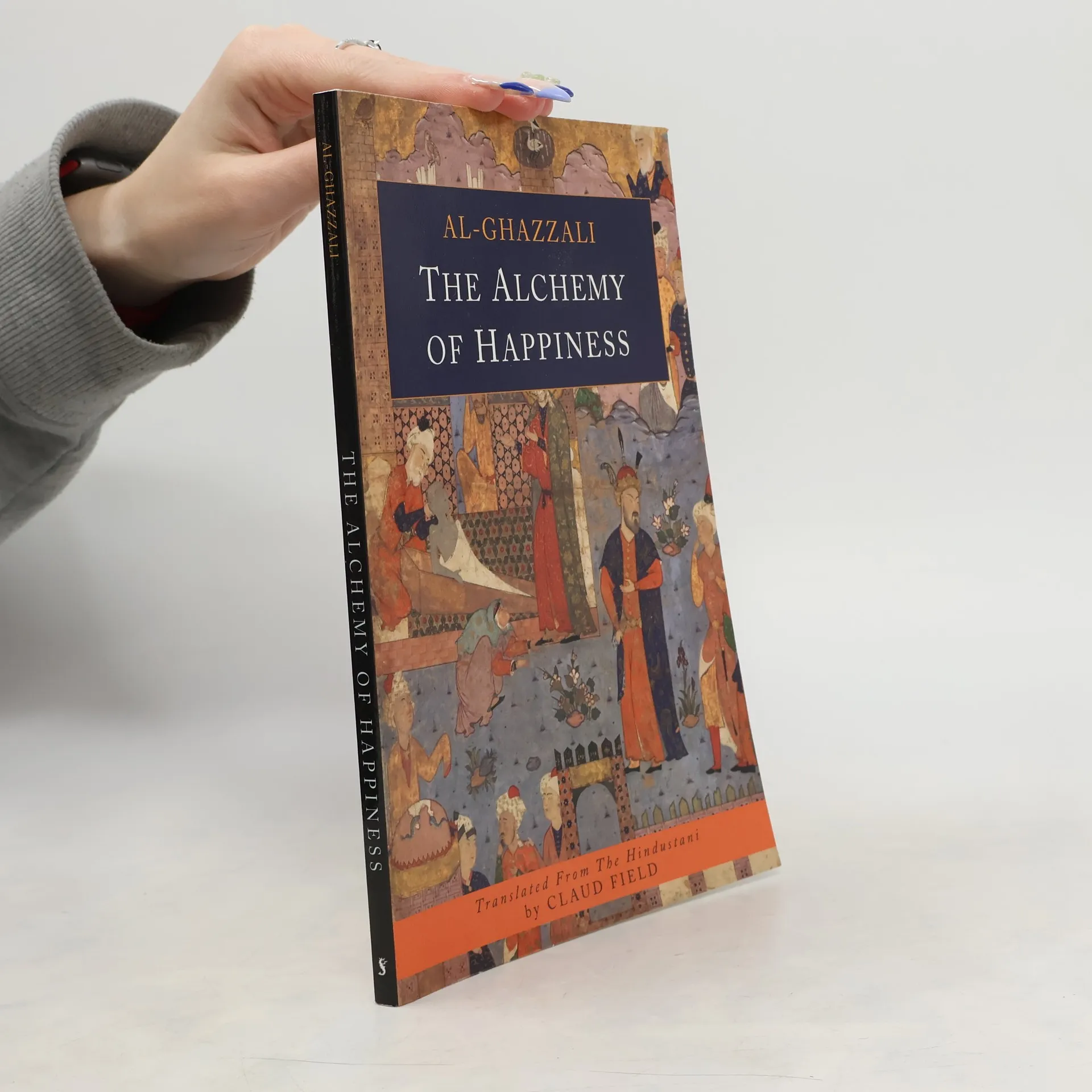
Abu Hamid Muhammad Al- Ghazali Book order (chronological)


2017 Reprint of 1910 Edition. Al-Ghazzali, or, Al-Ghazali, the author of The Alchemy of Happiness, was a Persian theologian, philosopher, and prolific Sunni Muslim author, and is regarded as one of the great thinkers of Islam. The work emphasized the importance of observing the ritual requirements of Islam, the actions that would lead to salvation, and avoidance of sin. The factor that set the Alchemy apart from other theological works at the time was its mystical emphasis on self-discipline and asceticism. Sa'āda (happiness) is a central concept in Islamic philosophy used to describe the highest aim of human striving. Sa'āda is equated with "ultimate happiness", namely that of the hereafter. It is achieved only after a human being has liberated his/her soul completely from its corporal existence, achieving "active intellect". The teachings were to help man to live a life in accordance with the sacred law, and by doing so gain a deeper understanding of its meaning on the day of Judgement.
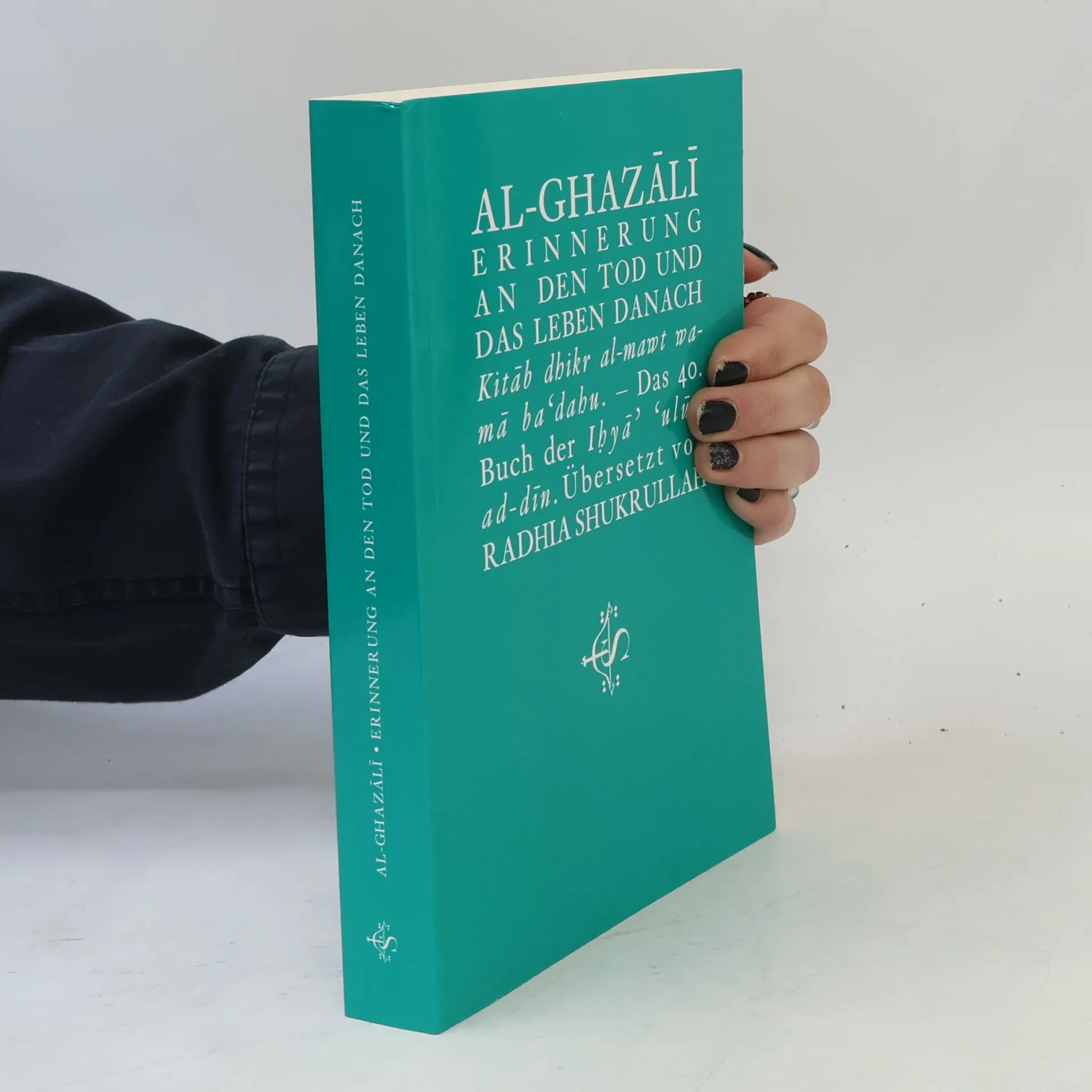
Erinnerung an den Tod und das Leben danach
- 347 pages
- 13 hours of reading
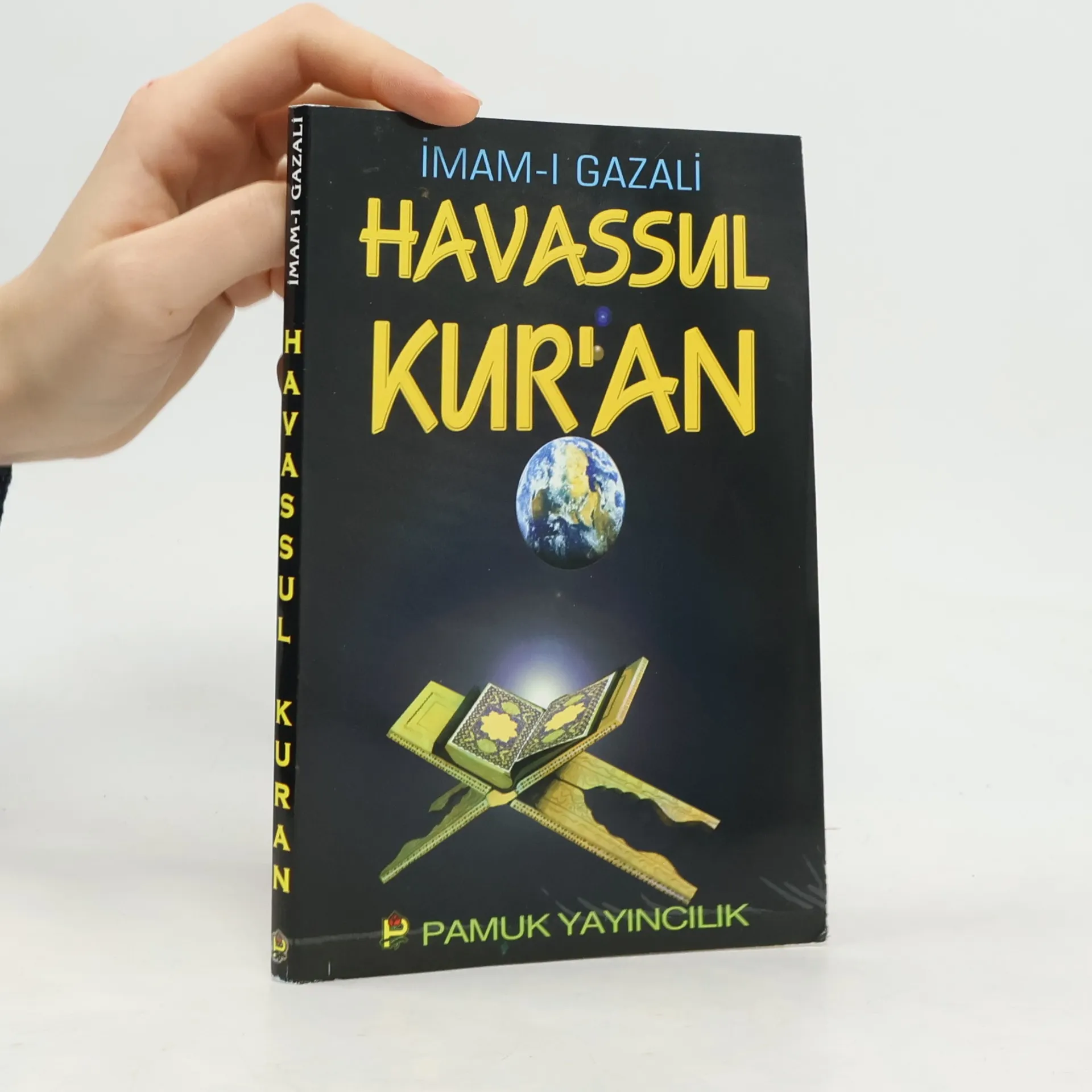
Havassul Kur'an
- 144 pages
- 6 hours of reading
Bu eser. Gazalinin sadece belli bir branşta değil bütün branş ve dallarda söz sahibi olduğuna delildir. Bu kıymetli eser. Kuran ve onun ayetleriyle tedavi yöntemlerine ışık tutmaktadır. Selef-i Salihin. Kuranın. müminlere şifa ve rahmet olarak indirilen ayetlerine başvurmak suretiyle insanları tedavi ederlerdi. Faydalanacağınızı umuyoruz.