Integrating the ISO 56002 and 56004 Standards Into Your Business Operations
270 pages
10 hours of reading
The ISO56002 standard outlines a framework for creating a sustainable innovation ecosystem, drawing parallels to the established quality management systems. It emphasizes structured approaches to foster continuous innovation, enabling organizations to thrive in a dynamic environment. By implementing this standard, businesses can enhance their innovative capabilities and ensure long-term success.
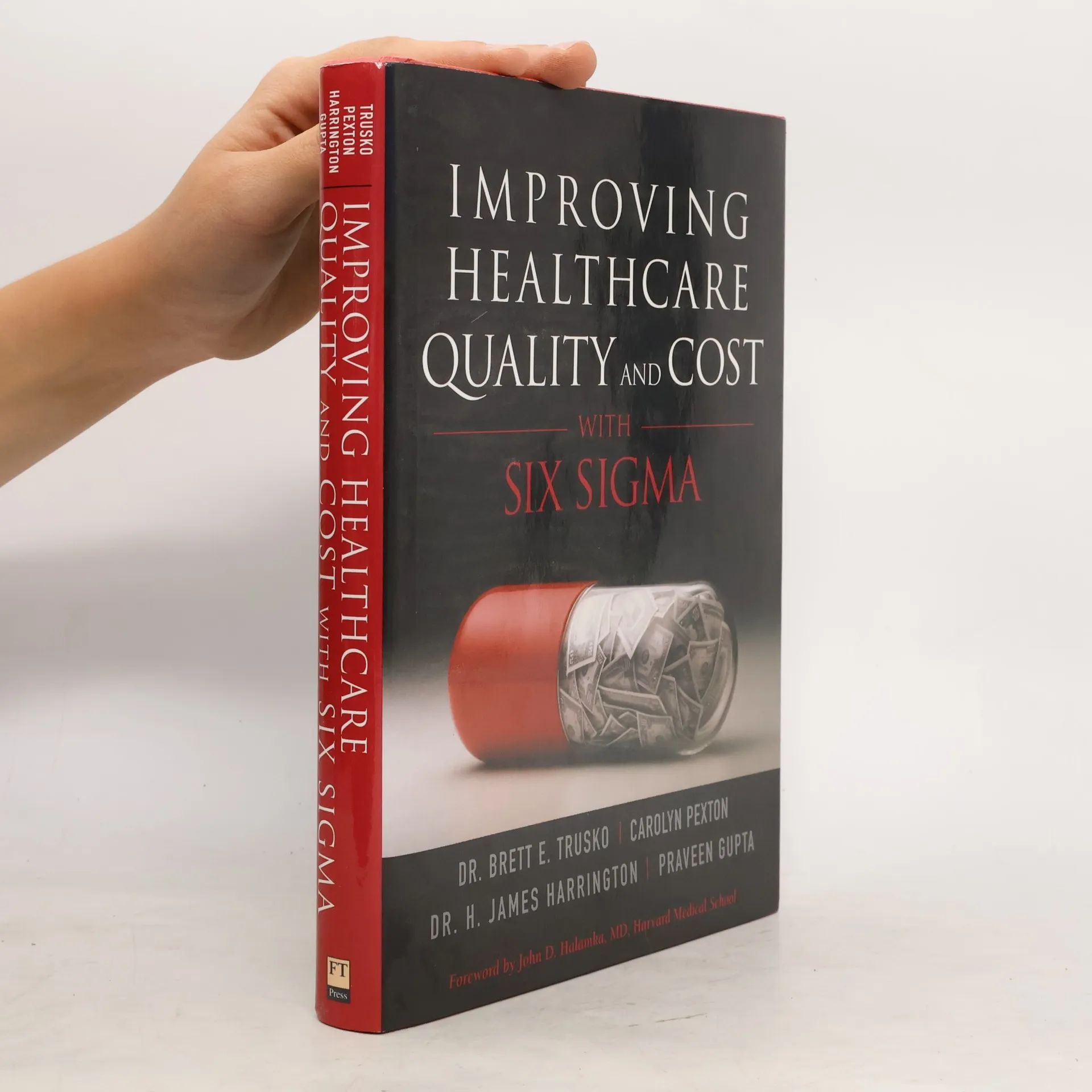
Rising healthcare costs and the prevalence of medical errors necessitate significant changes in the industry. Leading institutions are turning to Six Sigma as an effective approach to enhance quality and efficiency. This comprehensive guide provides healthcare professionals with a practical framework for implementing Six Sigma methodologies tailored to their unique challenges. The authors, four experts in the field, present a step-by-step approach using the Define, Measure, Analyze, Improve, and Control (DMAIC) process to tackle complex issues. They offer realistic strategies for launching Six Sigma initiatives that yield rapid, sustainable improvements across various hospital departments, including clinical, radiology, surgery, ICU, and administrative services. The book emphasizes the superiority of Six Sigma over other quality initiatives, highlighting its ability to instill discipline and drive long-term enhancements in healthcare delivery. Key topics include adapting Six Sigma tools for healthcare, designing effective experiments, and successful initiative rollouts, supported by case studies from diverse hospital areas. This user-friendly resource is essential for administrators, managers, physicians, and quality specialists, serving as a collaborative blueprint for teams already using or considering Six Sigma.
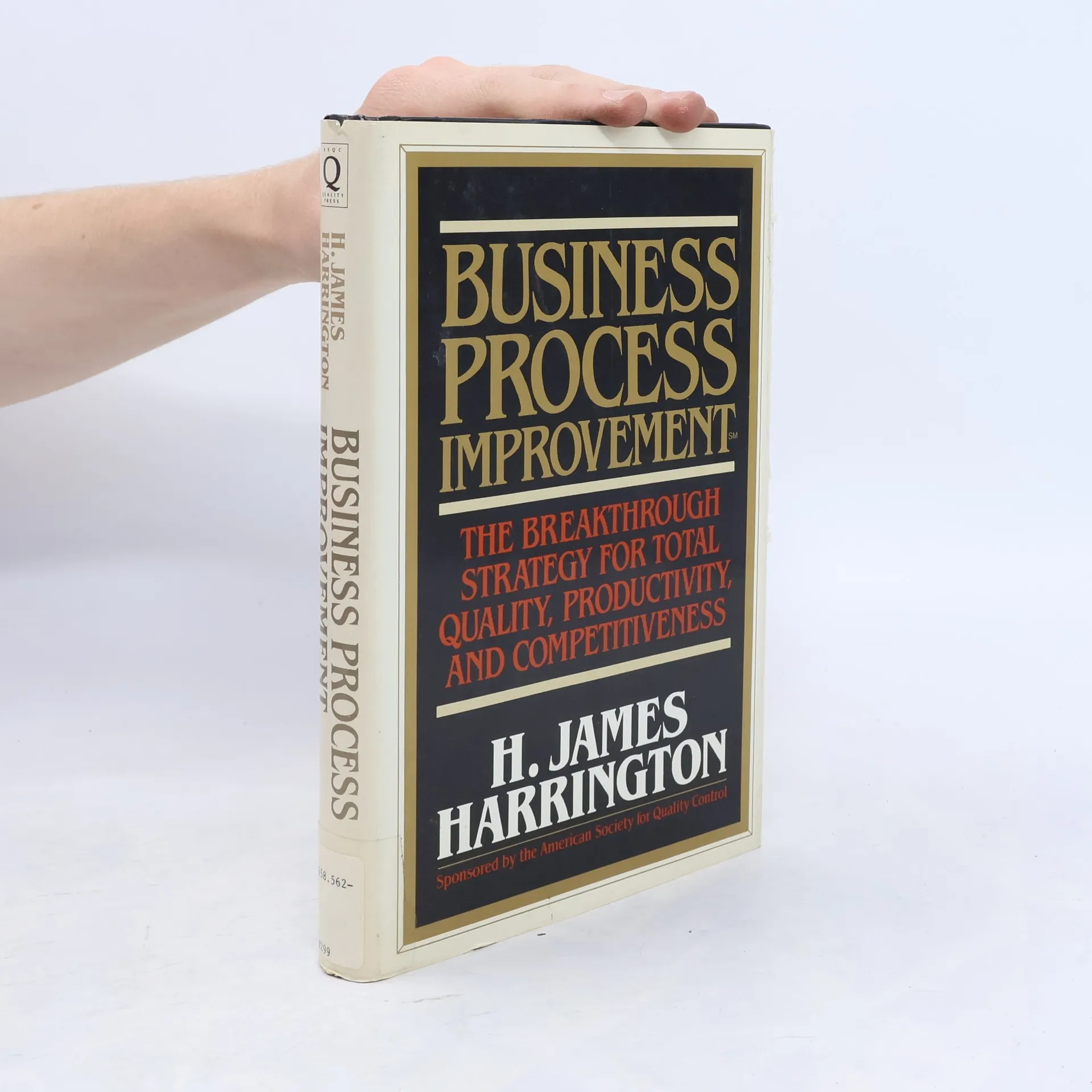
The Breakthrough Strategy For Total Quality, Productivity, And Competitiveness
274 pages
10 hours of reading
It's one of the hot topics for the 1990s--how to apply quality improvement techniques originally developed for the manufacturing sector to service industries. How to Take the Lead in Business Process Management details how to do it, providing a step-by-step formula that helps companies improve quality and productivity in the support areas. Here in one comprehensive volume is all the information an organization needs to start the improvement process right how to determine customer needs and expectations and deliver the best service; how to establish which processes drive your business; how to create process improvement teams and train team leaders; how to eliminate bureaucracy, simplify the process, and reduce processing time; how to measure progress and provide feedback to participants; how to document the levels of improvement and certify operations and activities; and how to ensure ongoing improvement. Two special features further enahance the value of this highly practical (1) a chapter of case histories, showing the results of business process improvement, and (2) an exhaustive section that guides readers in the application of problem-solving methods, value analysis and process analysis techniques, perfection analysis, work simplification programs, and more.