Daniel-Henry Kahnweiler Books

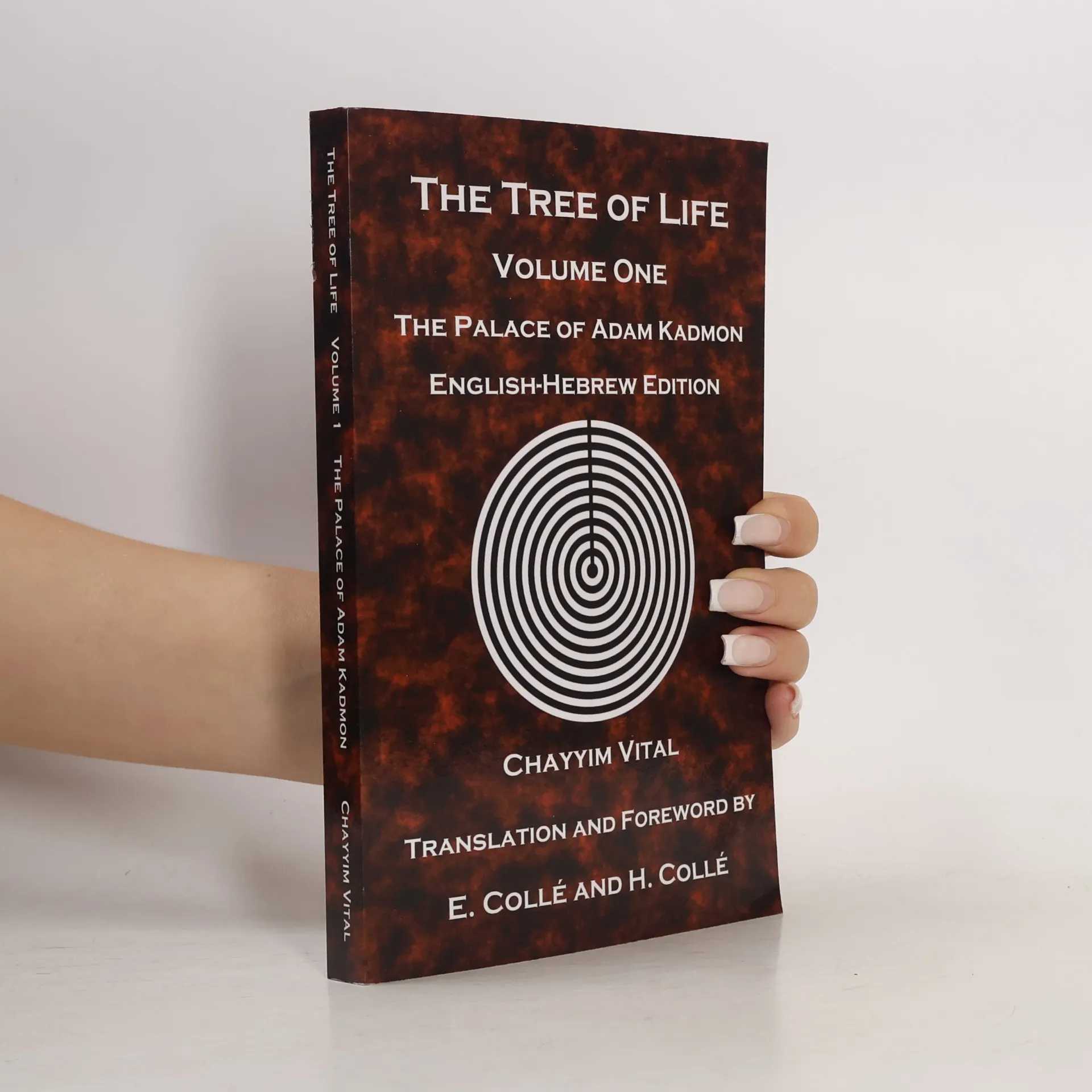
The Tree of Life is a collection of writings by Chayyim Vital. In these writings, Vital describes the teachings of his master, Isaac Luria, who is one of the most important figures within modern Kabbalah. Much of the Kabbalah today is based on the teachings of Luria. However, Luria wrote very little during his life. Consequently, Vital is considered to be the primary source and chief interpreter of the teachings of Luria. The Tree of Life is considered to be the most authoritative version of Luria’s teachings. The Palace of Adam Kadmon is the first volume of the Tree of Life. In it, Vital describes the creation of the universe. Vital first describes the creation in general and then proceeds to describe it in great detail. The Palace of Adam Kadmon provides a basis for understanding the entire Lurianic system. This new translation of the Palace of Adam Kadmon provides new insights into the Kabbalah that have never before been published.
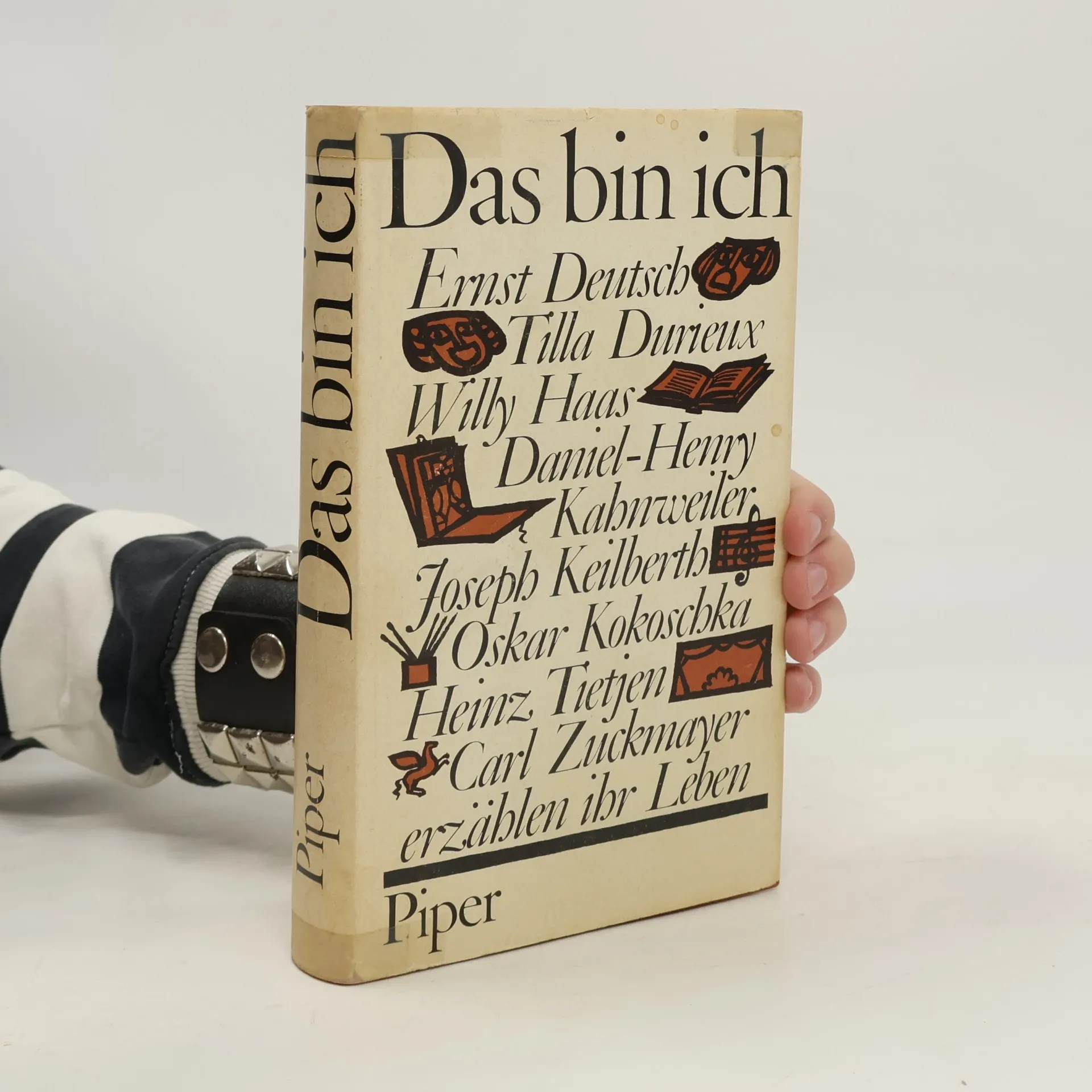
Das bin ich
- 266 pages
- 10 hours of reading
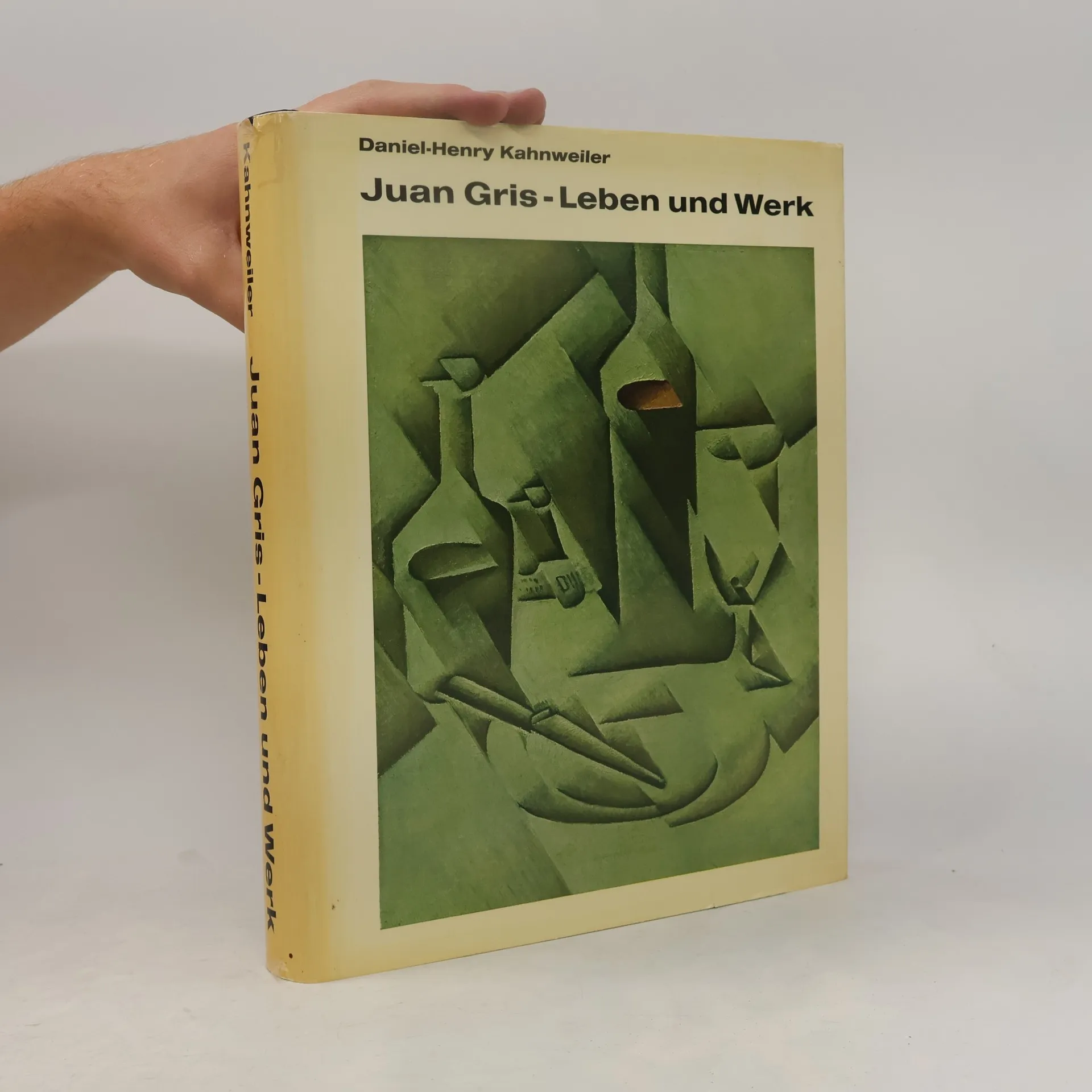
Der Weg zum Kubismus
- 124 pages
- 5 hours of reading
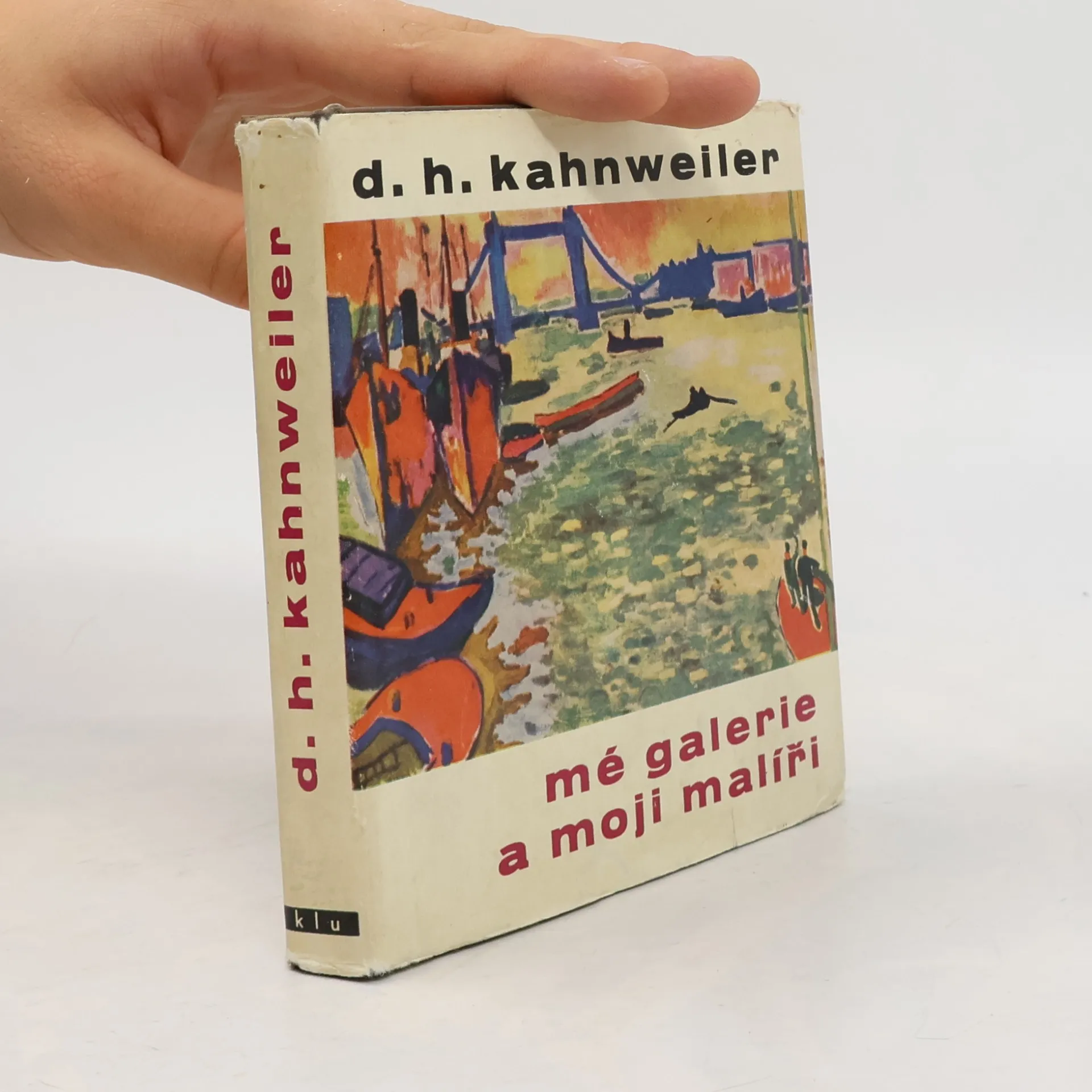
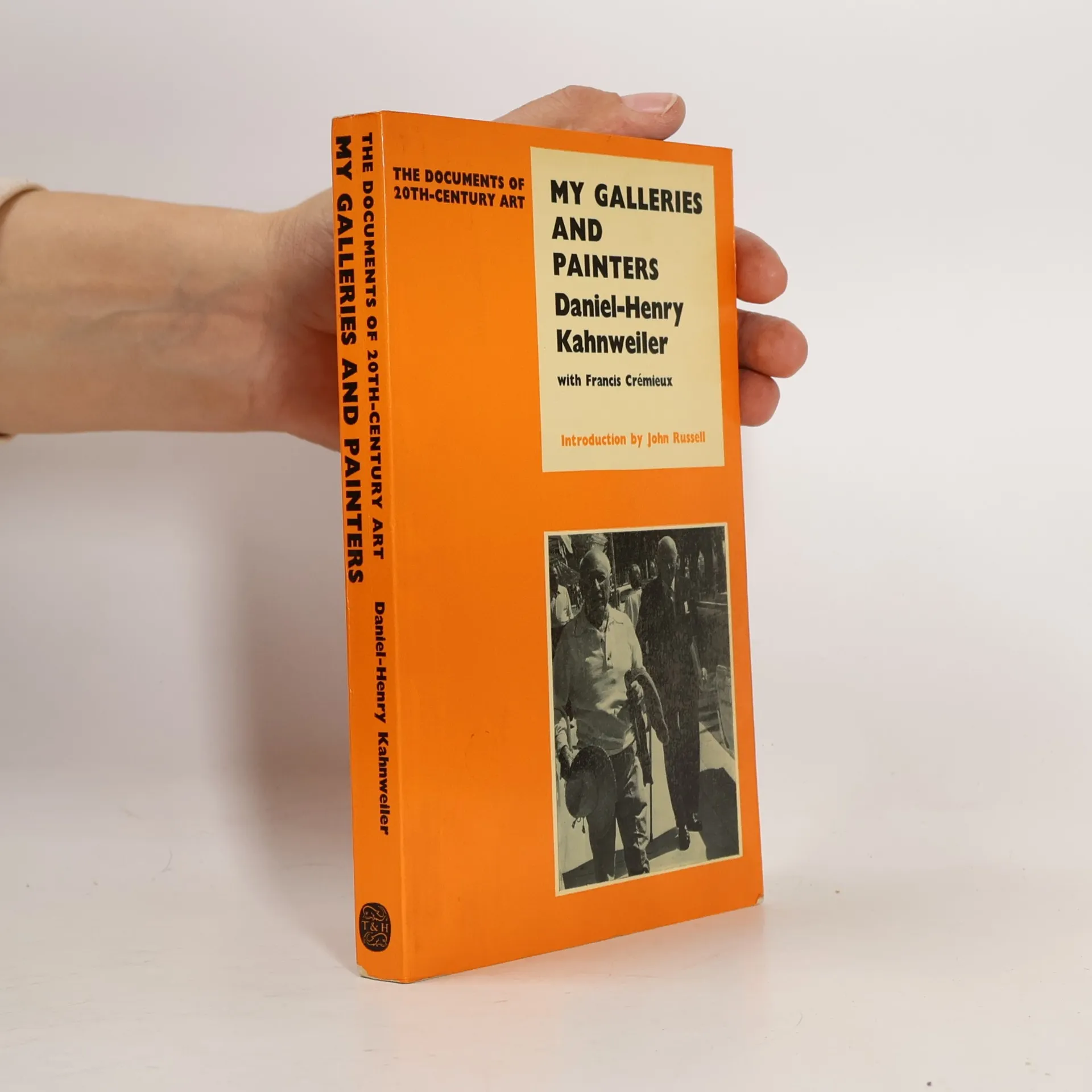
Mé galerie a moji malíři
Rozhovory s Francisem Crémieuxem
Mé galerie a moji malíři: rozhovory s Francisem Crémieuxem Formou rozhovorů psané paměti pařížského obchodníka s obrazy, který svým zaujetím pro kubismus a kubisty v čele s Picassem a Braquem pomáhal probojovávat nový umělecký směr. Kniha poví mnoho o malířích a obrazech i době mezi dvěma světovými válkami a upoutá i úvahami o teorii a praxi umění. Boj o umění, a zejména boj o nové umění, nevedli nikdy jen sami umělci. Právě tak vždy vysvětlovali, hájili a prosazovali každou uměleckou revoluci její kritici a její nadšenci a sběratelé. A vedle nich pak ještě – a to platí především o světových kulturních střediscích – organisovali vítězství nového umění i někteří výjimeční a tím nemnozí obchodníci s obrazy: A. Vollard, Durand-Ruel, Kahnweiler. Vollard a Durand-Ruel byli impresarii impresionistů. Kahnweiler dělal kubisty – Picassa, Braqua, Grise, Légera, počátky Deraina a Vlamincka. Je proto jeho vzpomínání plné neobyčejně zajímavých drobných poznatků a svědectví o těchto lidech, které Kahnweiler všechny dobře znal a s nimiž nadto žil v přátelských vztazích, spolu s básníky a literáty. Avšak kromě kulturní atmosféry a historických zajímavostí jsou tu prostou formou rozhovoru podány i zajímavé zásadní a teoretické myšlenky o umění, o jeho vývoji, o jeho srozumitelnosti a „nesrozumitelnosti", a zejména o tom, co je podstatné na umělecké revoluci kubismu. Doslov Jiří Padrta.