

Nezvalovo básnické drama v sedmi obrazech bylo napsáno v roce 1939 na objednávku E.F.Buriana podle románu abbé Prevosta. Příběh Manon a rytíře des Grieux je tak chronicky známý, že pokládám za zbytečné k němu ještě něco dodat. Spíš bych podotkl, že toto vydání je 21.(!), vlastní hru uvádí esej Adolfa Hoffmeistera Nezvalova Manon, kniha je doplněna řadou dobových fotografií, přehledem inscenací, nejrůznějších citací k Nezvalovi i k Manon, vyjádření režisérů, herců a pod., takže je do jisté míry i faktografická.
Frédéric Deloffre Books


Zadig and Other Stories
- 128 pages
- 5 hours of reading
In the title tale of this original collection, Voltaire addresses the social and political problems of his own day in an ancient Babylonian setting. "Zadig" challenges 18th-century religious orthodoxy by portraying life's vicissitudes as the product of destiny rather than individual choices. Additional selections of the Enlightenment philosopher's short fiction include "Micromegas," "The World As It Is," "Jeannot and Colin," and other stories.
Candide
- 98 pages
- 4 hours of reading
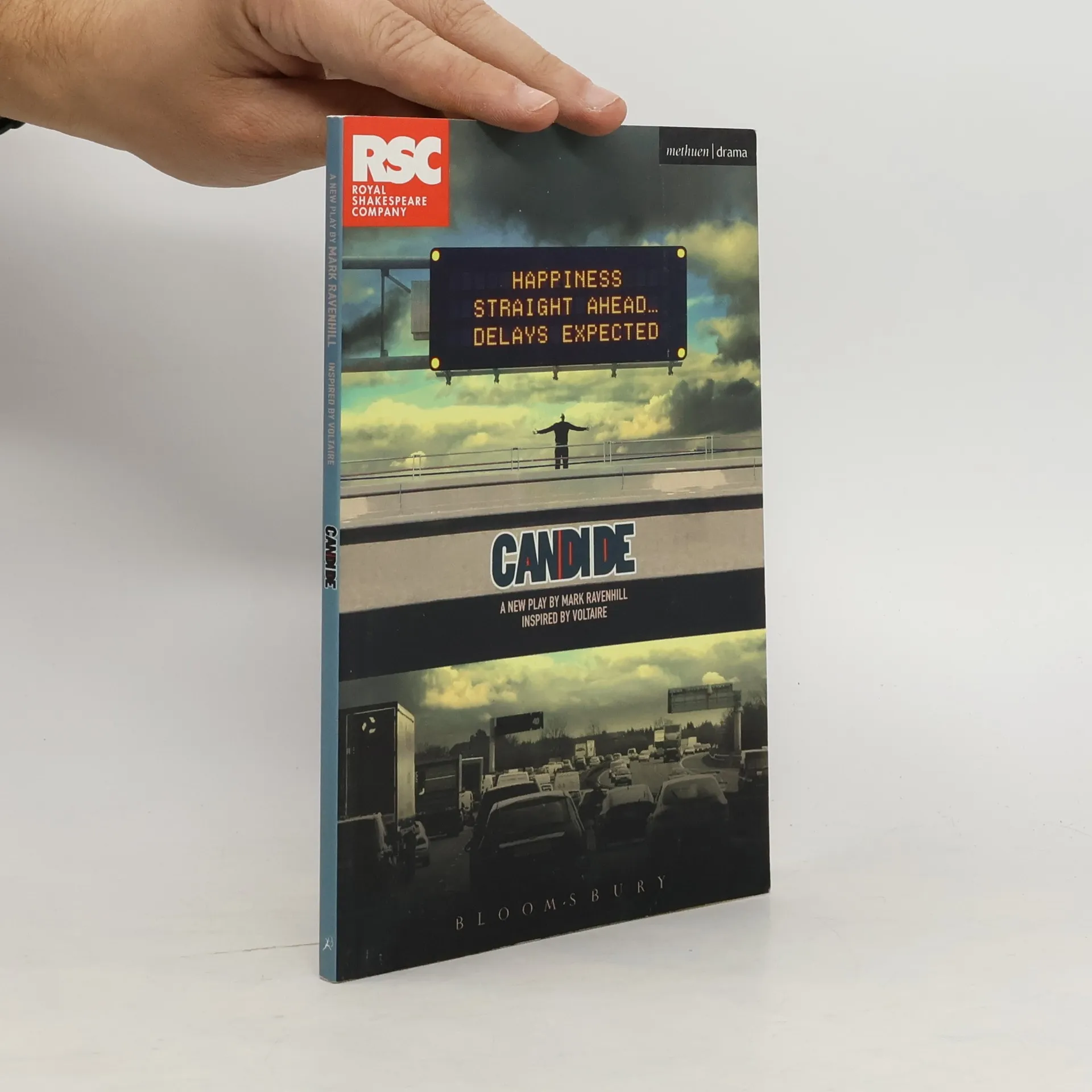
All the world's an Xbox and you're a playerCandide is an optimist. A dreamer. He believes that everything is for the best in the best of all possible worlds. But that belief is about to be tested as Candide's comfortable life is overtaken by an endless barrage of misfortune.First published in 1759, the story traces the journey of a young man who leads a sheltered life, believing that mankind lives in the best of all possible worlds and that everything happens for the best. But Candide's happiness comes to a sharp end when he is unfairly evicted from his uncle's castle for kissing his cousin and true love, Lady Cunégonde. Cast out into the big wide world, Candide is forced to confront reality.As his world collapses around him, we are transported across the centuries to new locations and parallel universes. How will Candide's optimism fare when it collides with life in the twenty-first century?
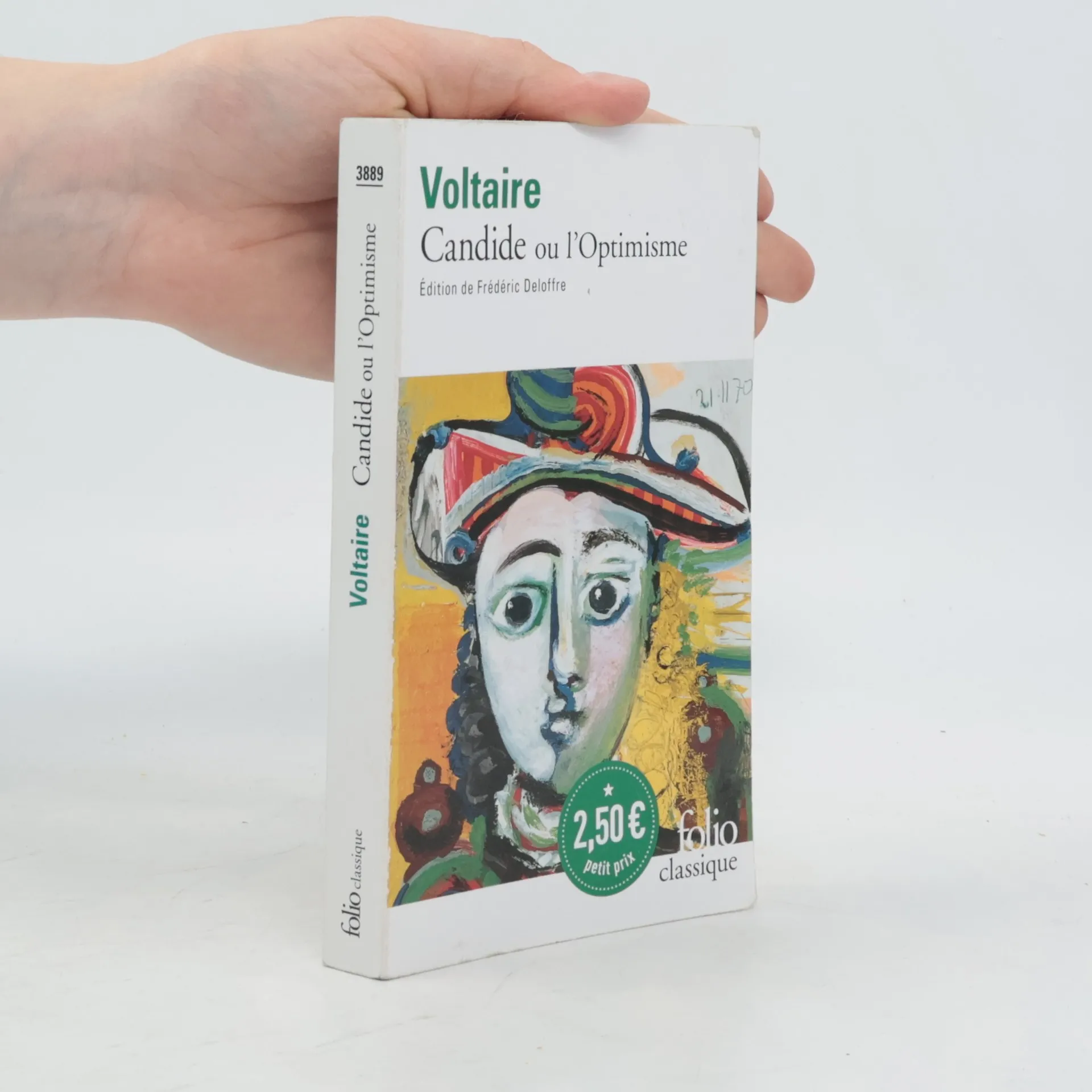
On sait tout de Candide, sauf une chose : quel rapport l'auteur avait-il avec ses personnages ? Les a-t-il imaginés ou connus ? A-t-il partagé certaines de leurs aventures ? Est-il caché dans un coin du roman pour les observer ? Ce regard que Voltaire pouvait porter de l'intérieur sur sa création, c'est justement celui qu'au-delà des connaissances acquises, on a eu l'audace de tenter de porter sur Candide. Cette édition change l'interprétation du plus étudié, mais aussi de plus secret des contes voltairiens. Il s'y présente de façon nouvelle. Ce n'est plus seulement, comme on l'a dit, un «catalogue de tous les malheurs humains», mis au service d'une campagne «philosophique» contre la doctrine de la providence. C'est, dans sa genèse et dans sa structure, un voyage sentimental au pays de la mémoire.