The broadcast that George VI made to the nation on the outbreak of war in September 1939 - which formed the climax of the multi Oscar-winning film The King's Speech - was the product of years of hard work with Lionel Logue, his iconoclastic Australian-born speech therapist. Yet the relationship between the two men did not end there. Far from it: in the years that followed, Logue was to play an even more important role at the monarch's side. The King's War follows this relationship through the dark days of Dunkirk and the drama of D-Day to eventual victory in 1945 - and beyond. The King's War is a fascinating portrait of two men and their respective families - the Windsors and the Logues - as they together faced up to the greatest challenge in Britain's history
Peter Conradi Book order (chronological)
This author focuses on a deep exploration of human nature and complex societal issues through their thought-provoking works. Their writing is characterized by sharp intellect and incisive analysis, encouraging readers to reflect on the world around them. Through their literary endeavors, they offer a unique perspective on power dynamics and international relations, earning recognition as a significant commentator on current events. Their works are valued for their depth, clarity, and ability to spark important discussions.

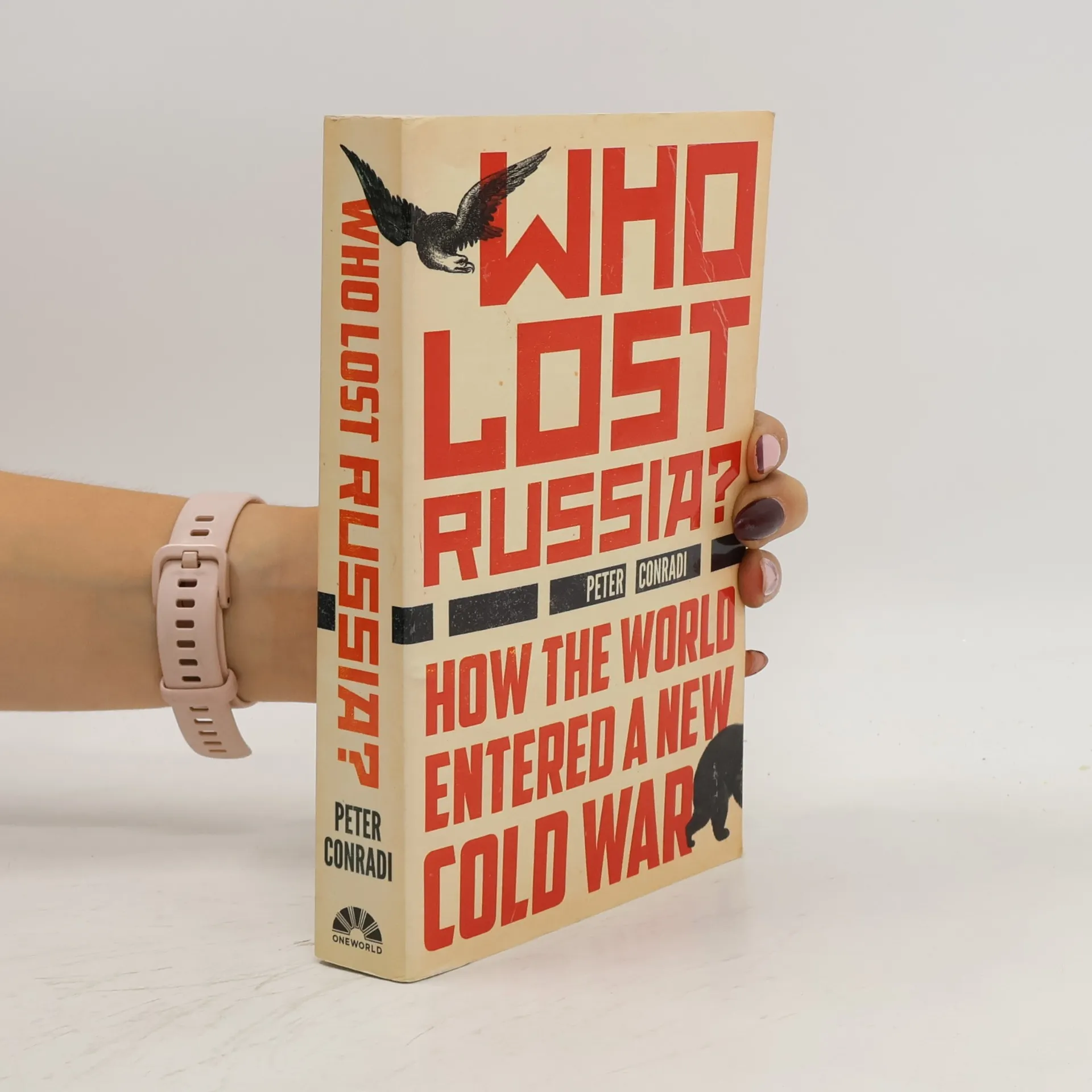
Who Lost Russia?
- 416 pages
- 15 hours of reading
The Cold War ended twenty-five years ago, but tensions between Russia and the West are as bad as ever. What happened? Essential background reading to understanding the bizarre and shifting relationship between Trumps America and Putins Russia. Exclusive interviews with key figures both in Russia and the West, including Putins former Chief of Staff
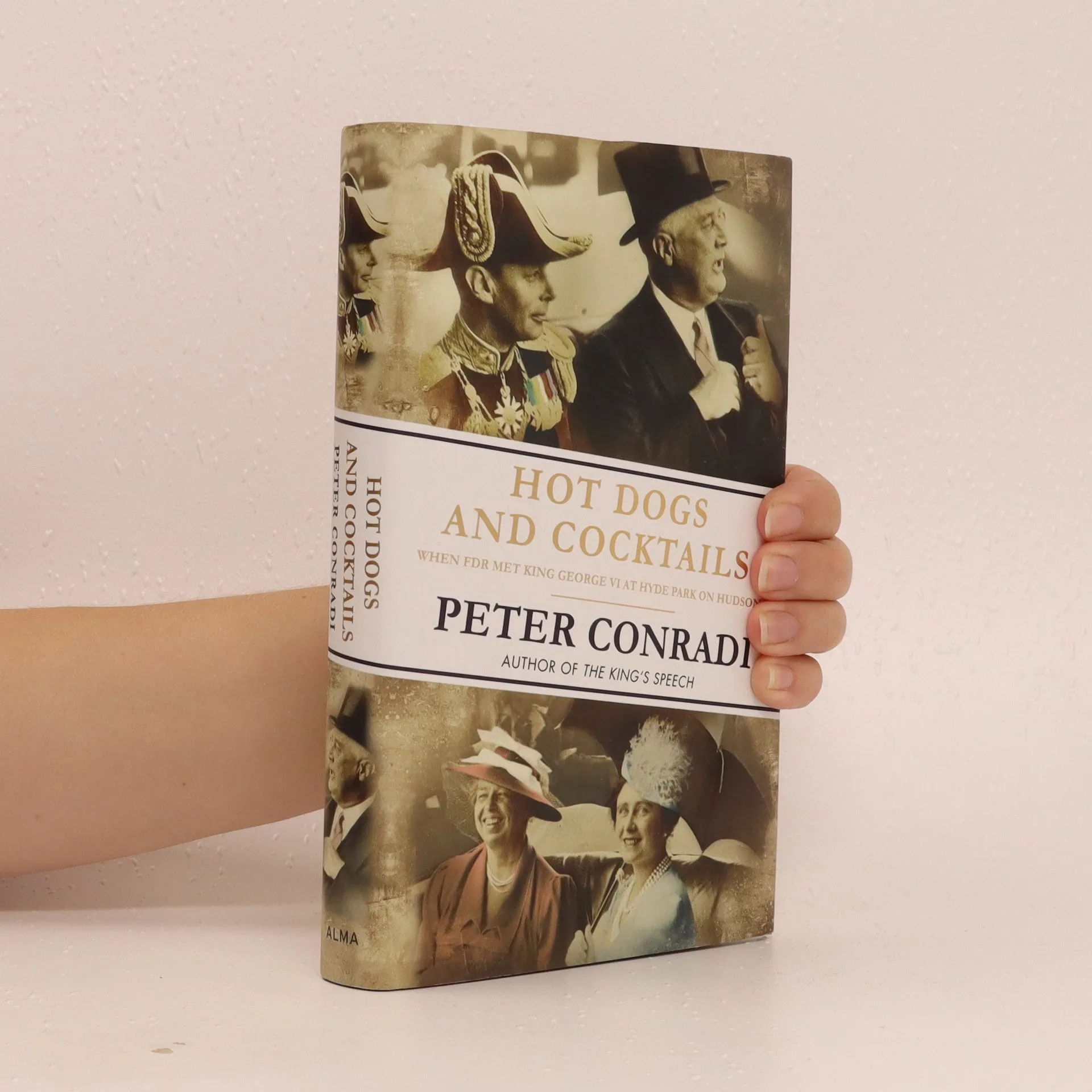
Between June 9th and 12th 1939, King George VI and Queen Elizabeth were the guests of Franklin Delano Roosevelt at his country estate in Hyde Park, New York, during what was the first ever visit by a reigning British monarch to the United States. Coming at a time when Britain desperately needed U.S. help in the conflict that now seemed inevitable, the meeting was front page news on both sides of the Atlantic and imbued with huge political significance. This fascinating book recreates the backdrop to the royal visit, analyzing the political background and the media's reaction, and tells the back stories both of the King and of Roosevelt, whose colorful personal life became entwined with the visit
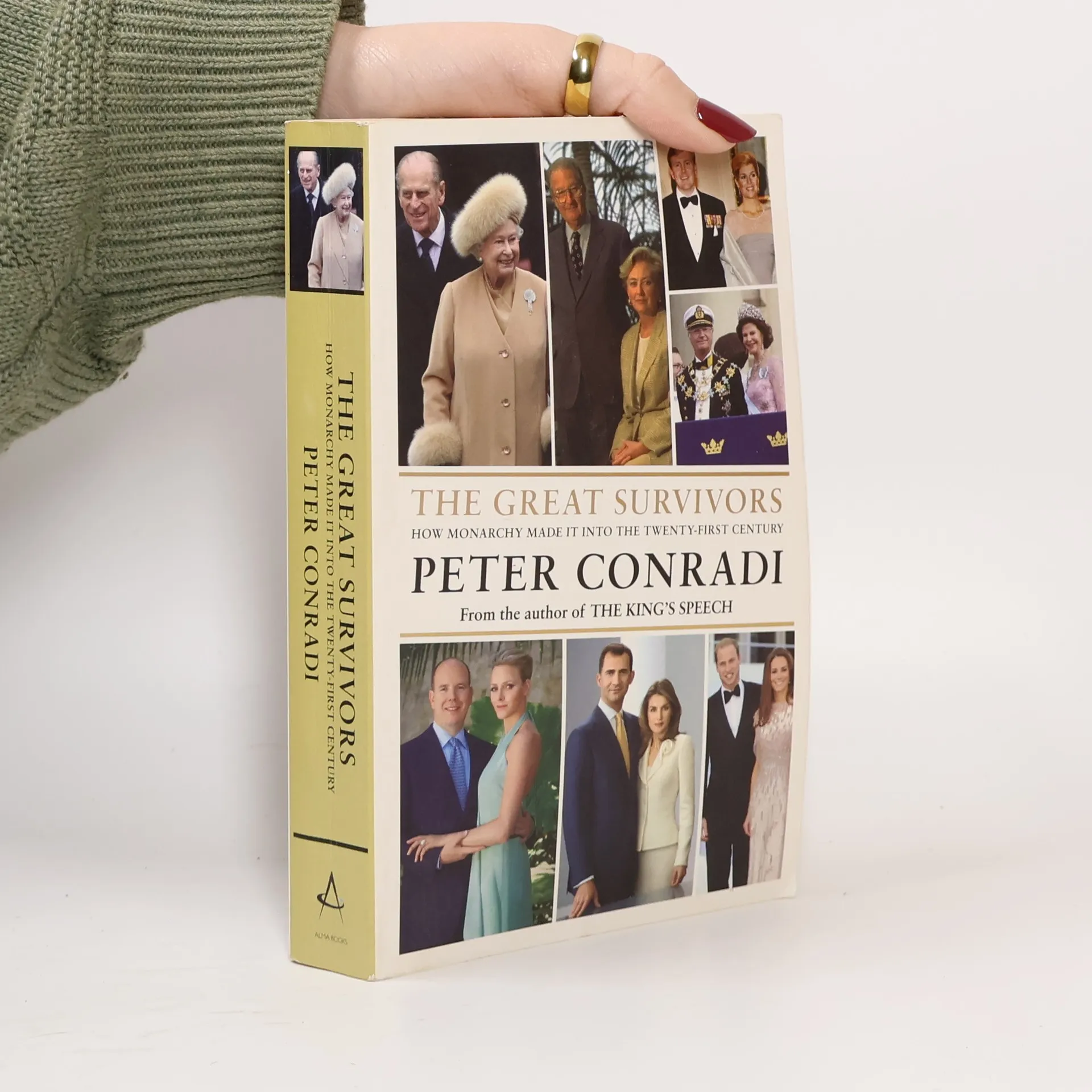
The Great Survivors
- 384 pages
- 14 hours of reading
In this riveting and extensively researched account, Peter Conradi - the celebrated author of The King's Speech - offers an uncompromising portrayal of Europe's royals and reveals the scandals, excesses, conflicts and interests hidden behind the pomp of the ceremonial garb and the grandeur of official functions.
The king's speech
- 272 pages
- 10 hours of reading
The King's Speech is het nooit eerder vertelde verhaal van de opmerkelijke vriendschap tussen spraaklereraar Lionel Logue en de onder zijn spraakgebrek gebukt gaande toekomstige koning George VI van Groot-Brittannië. Het werpt een bijzonder licht op de intieme band tussen beide mannen en op de rol die de vrouw van de koning, wijlen koningin Elizabeth, speelde door hen bij elkaar te brengen om de reputatie en het koningschap van haar man te redden. Het boek biedt een verbluffende inkijk in een doorgaans hermetisch afgesloten wereld. Nooit eerder verscheen er zo'n persoonlijk portret van de Britse monarchie, in een tijd van haar diepste crisis. * Vertelt het ware verhaal achter de succesvolle gelijknamige film, onderscheiden met 4 oscars * De perfecte aanvulling op de film De film stopt in 1939. Het boek gaat veel verder, tot de dood van zowel Koning George als van Lionel Logue
THE BESTSELLING BOOK THAT INSPIRED THE OSCAR AND BAFTA AWARD-WINNING FILM One man saved the British Royal Family in the first decades of the 20th century - amazingly he was an almost unknown, and certainly unqualified, speech therapist called Lionel Logue. Logue wasn't a British aristocrat or even an Englishman - he was a commoner and an Australian to boot. Nevertheless it was the outgoing, amiable Logue who single-handedly turned the famously nervous, tongue-tied, Duke of York into the man who was capable of becoming King. Had Logue not saved Bertie (as the man who was to become King George VI was always known) from his debilitating stammer, and pathological nervousness in front of a crowd or microphone, then it is almost certain that the House of Windsor would have collapsed. The King's Speech is the previously untold story of the extraordinary relationship between Logue and the haunted young man who became King George VI, drawn from Logue's unpublished personal diaries. They throw extraordinary light on the intimacy of the two men - and the vital role the King's wife, the late Queen Elizabeth, the Queen Mother, played in bringing them together to save her husband's reputation and his career as King. The King's Speech is an intimate portrait of the British monarchy at a time of its greatest crisis, seen through the eyes of an Australian commoner who was proud to serve, and save, his King.
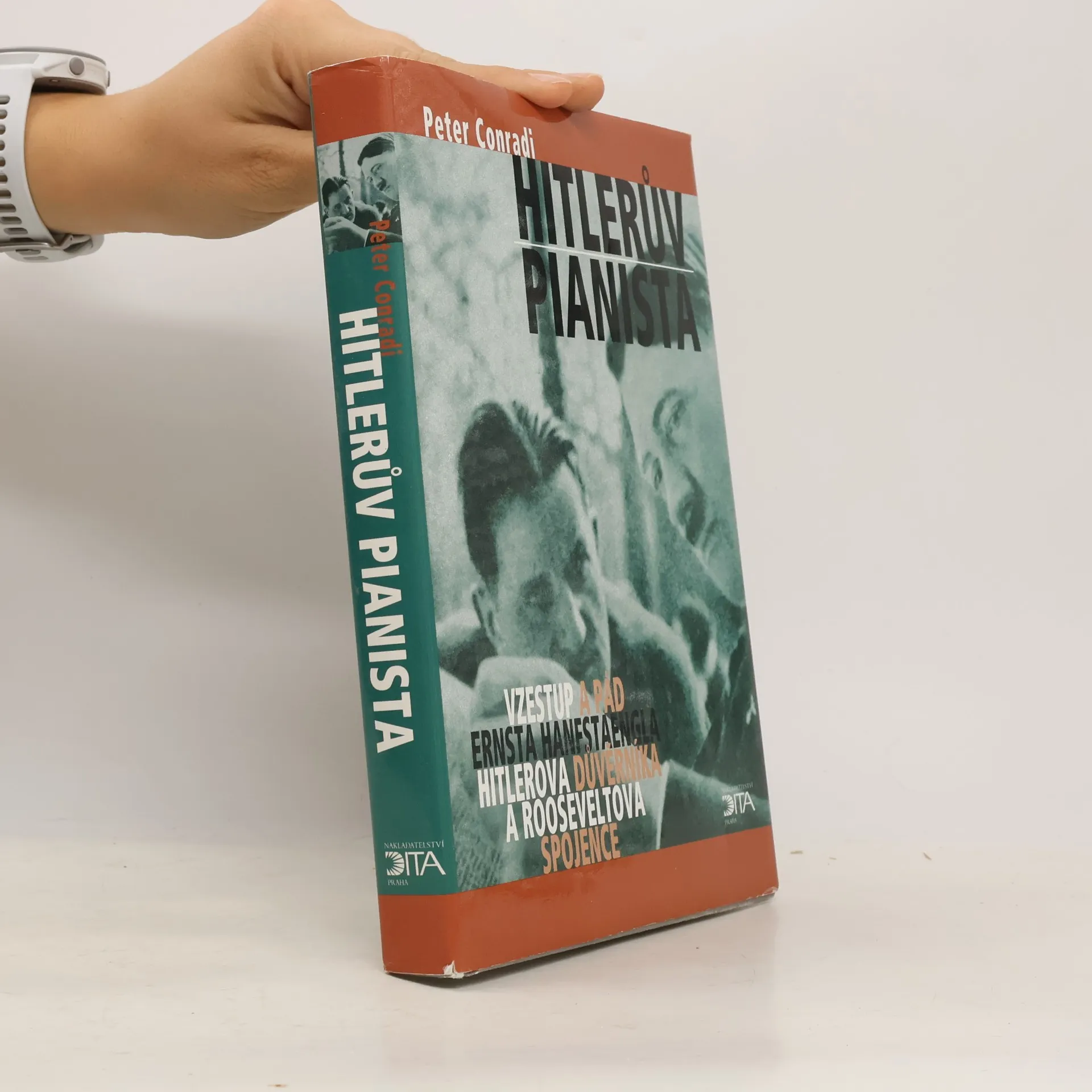
Ein Mann in Adolf Hitlers Umfeld spielte während dessen Aufstieg zur Macht eine besondere Rolle: Ernst 'Putzi' Hanfstaengl. Er lebte lange in New York, war Lebensgefährte von Djuna Barnes und ein Studienfreund von Franklin D. Roosevelt. 1921 kehrte er nach Deutschland zurück. Beeindruckt von Hitlers Auftreten wurde er Parteimitglied und stieg zum Auslandspressechef auf. Er wurde ein enger Vertrauter Hitlers, der ihn zu jeder Tages- und Nachtzeit zum Klavierspielen zitierte. 1937 wurde offensichtlich, dass sein Einfluss auf Hitler geschwunden war und die Parteispitze ihn kaltstellte. Er fürchtete um sein Leben und floh über die Schweiz nach England. Dort wurde er zu Kriegsbeginn interniert und später nach Kanada deportiert. Hanfstaengl nahm Kontakt zu Roosevelts Umfeld auf, der ab 1942 dessen Insider-Kenntnisse für die psychologische Kriegsführung gegen Nazi-Deutschland nutzte. Nach Kriegsende wandelte er sich vom Saulus zum Paulus und erklärte, dass es für ihn heute unvorstellbar ist, wie er Hitler je verfallen konnte. Peter Conradi widerlegt diese Aussage, indem er die Mechanismen von Ehrgeiz, Macht und Machterhalt analysiert. Darüber hinaus bietet dieses Buch einen lebendigen und sachkundigen Einblick in die gesellschaftlichen Verhältnisse, die den Aufstieg der Nationalsozialisten erst möglich gemacht haben.
Hitlerův pianista. Vzestup a pád Ernsta Hanfstaengla. Hitlerova důvěrníka a Rooseveltova spojence
- 332 pages
- 12 hours of reading
Neuvěřitelný příběh jediné osoby, která přímo pracovala pro Hitlera a Franklina D. Roosevelta - příjemného absolventa Harvardu Ernsta Hanfstaengla, který pomáhal vytvořit stvůru nacismu a později pracoval na jejím zničení. Byl to muž, který se těšil důvěře "vůdce" i F. D. Roosevelta, muž s jedinečným celosvětovým rozhledem po katastrofických událostech počátku dvacátého století. Ernst Hanfstaengl (známý jako Putzi) byl domýšlivý Hitlerův dvorní šašek, pianista, který ho dovedl uklidňovat, a mazaný šéf Hitlerova odboru pro zahraniční tisk v období jeho vzestupu; později hrál roli v Rooseveltově nanejvýš tajném projektu, zaměřeném na propagandu proti Třetí říši. Kniha Hitlerův pianista, která odhaluje mnoho skutečností z Hitlerova osobního života a popisuje americkou psychologickou válku, vypráví příběh muže, rozpolceného svou loajalitou vůči dvěma nesmiřitelným odpůrcům.
It often takes a crisis to see what a life's shape has been, to show what really matters. For Peter Conradi, writer, academic, acclaimed biographer of Iris Murdoch, the moment came in 1982. self-help book for cynics, in which it becomes clear that going Buddhist is neither a quick fix, nor a one-shot deal. Conradi explains the point of a religion relevant to Westerners, perishing from the knowingness and nihilism of the age.
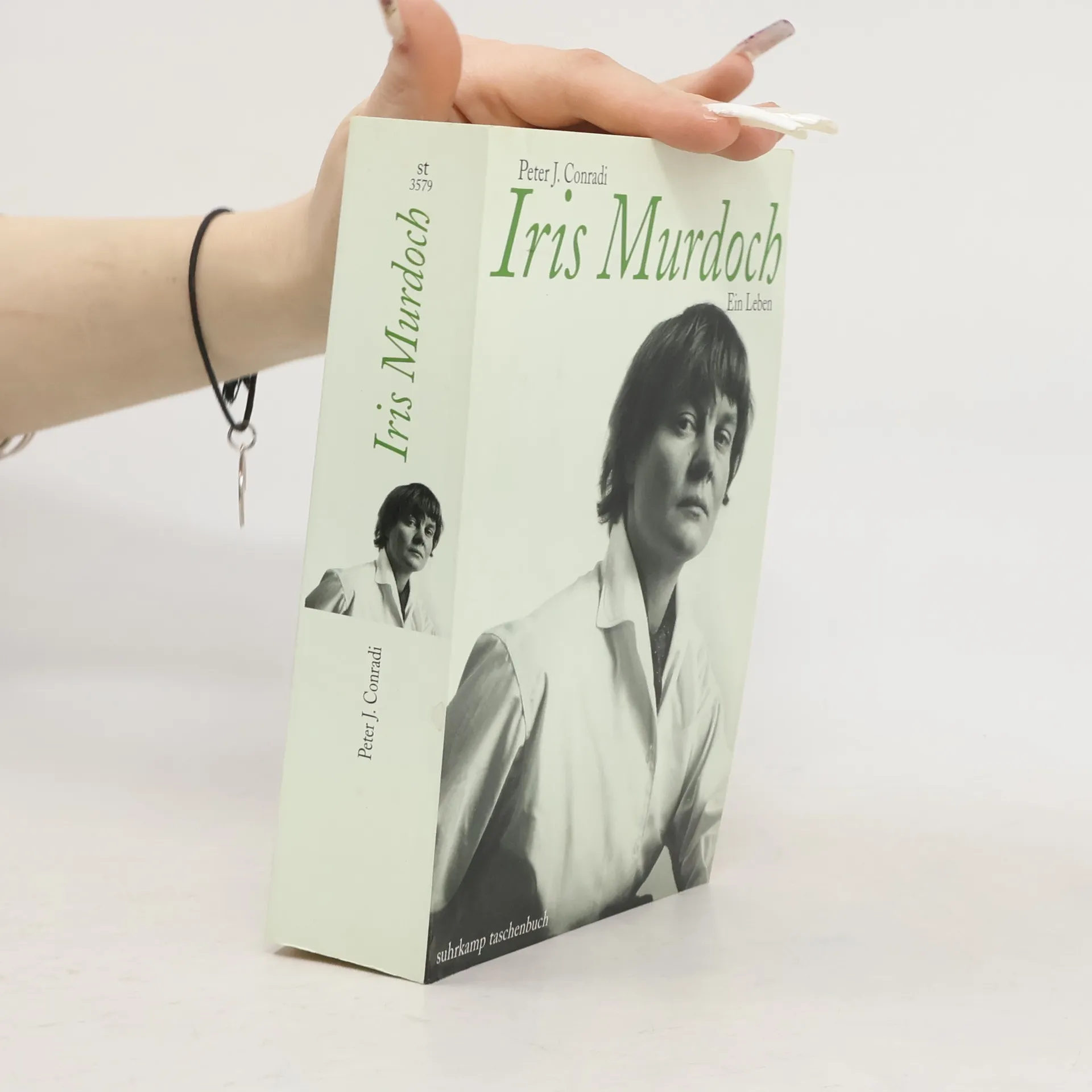
Iris Murduch (1919 - 1999) - unbestrittene Doyenne der britischen Gegenwartsliteratur - prägte als Romanautorin ebenso wie auch durch ihre beeindruckende Persönlichkeit eine ganze Epoche.§Der Autor kannte Iris Murduch nicht nur persönlich, er hatte auch Zugang zu ihren Briefen und Aufzeichnungen und gibt in dieser Biografie Einblick in das sehr facettenreiche Leben einer großen Schriftstellerin.
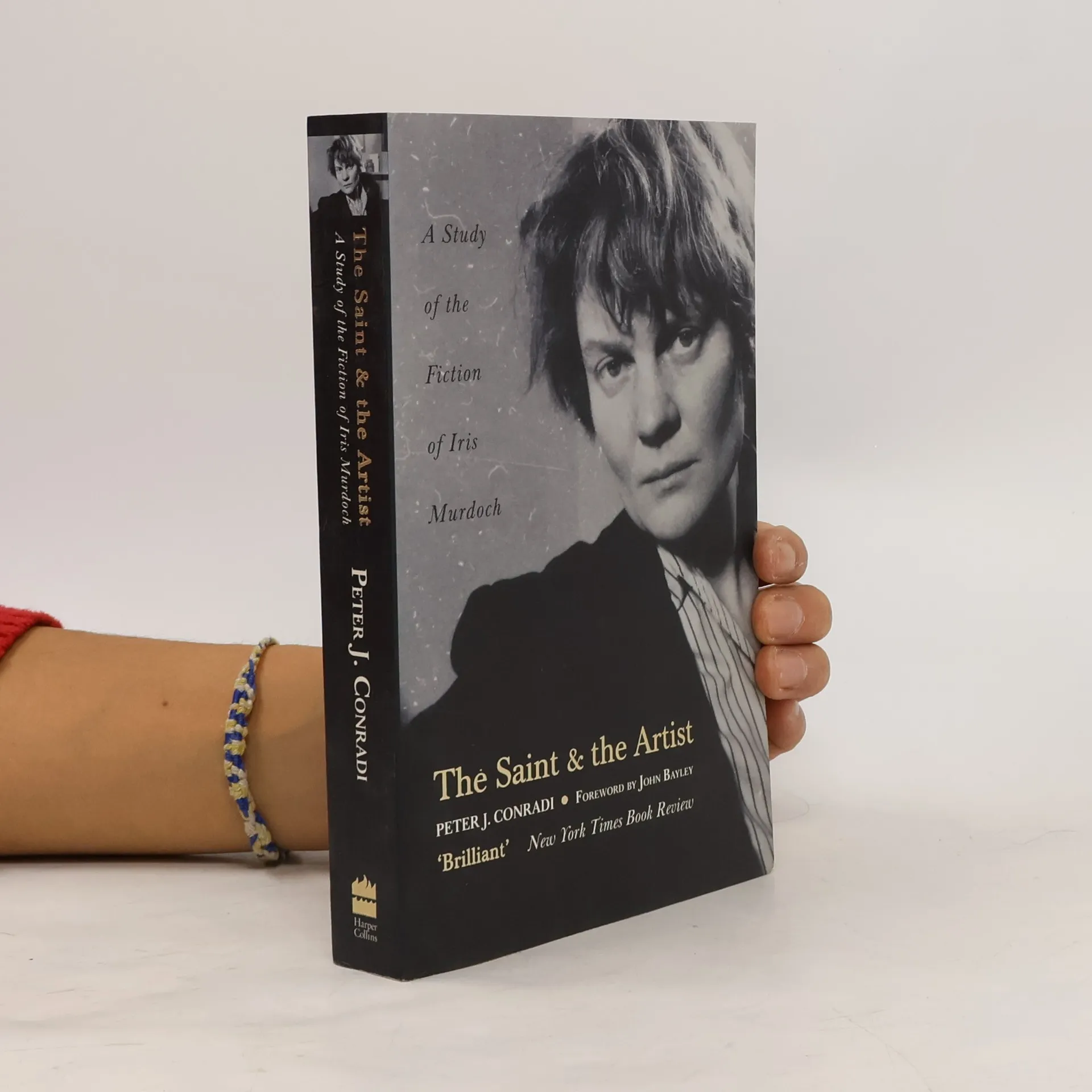
Iris Murdoch, who died in 1999, was the author of 26 novels, including The Bell, A Fairly Honourable Defeat, The Black Prince, and the Booker Prize-winning The Sea, The Sea. In The Saint and the Artist, now fully revised and updated, distinguished literary critic Peter J. Conradi offers a lively and valuable critical appreciation of her works of fiction. He traces the way in which the zest and buoyant high spirits of her early novels gave way to a more deeply and darkly comic achievement in the novels of the 1970s. Conradi, who knew Murdoch well, suggests how her own life, wonderfully transmuted into high art, provided the raw material for her novels; he also argues that they should be read as serious entertainments and as important fictions in the Anglo-Russian tradition, and not as disguised philosophy. Peter J. Conradi is the author of the highly acclaimed biography Iris Murdoch: A Life.
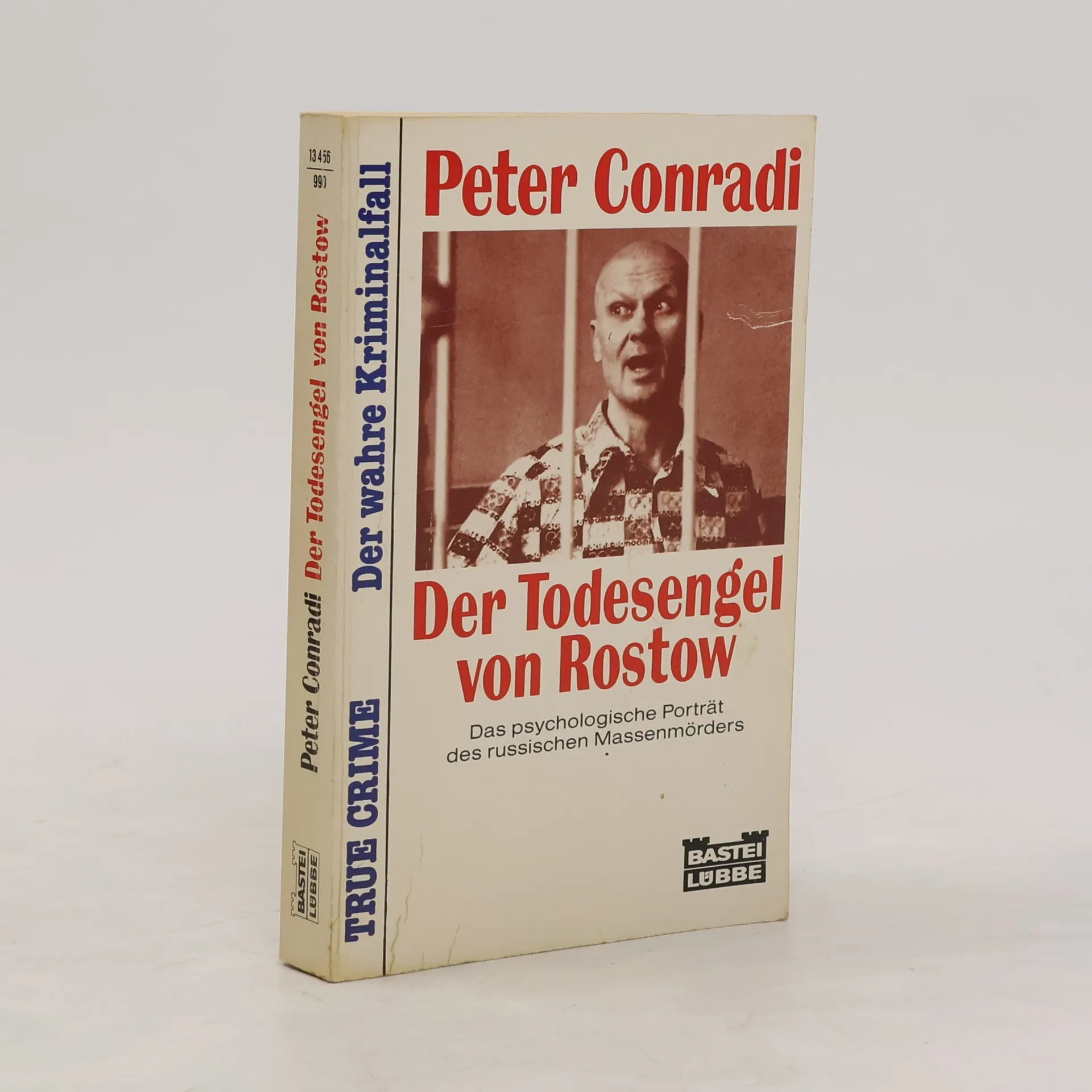
Der Todesengel von Rostow
- 315 pages
- 12 hours of reading
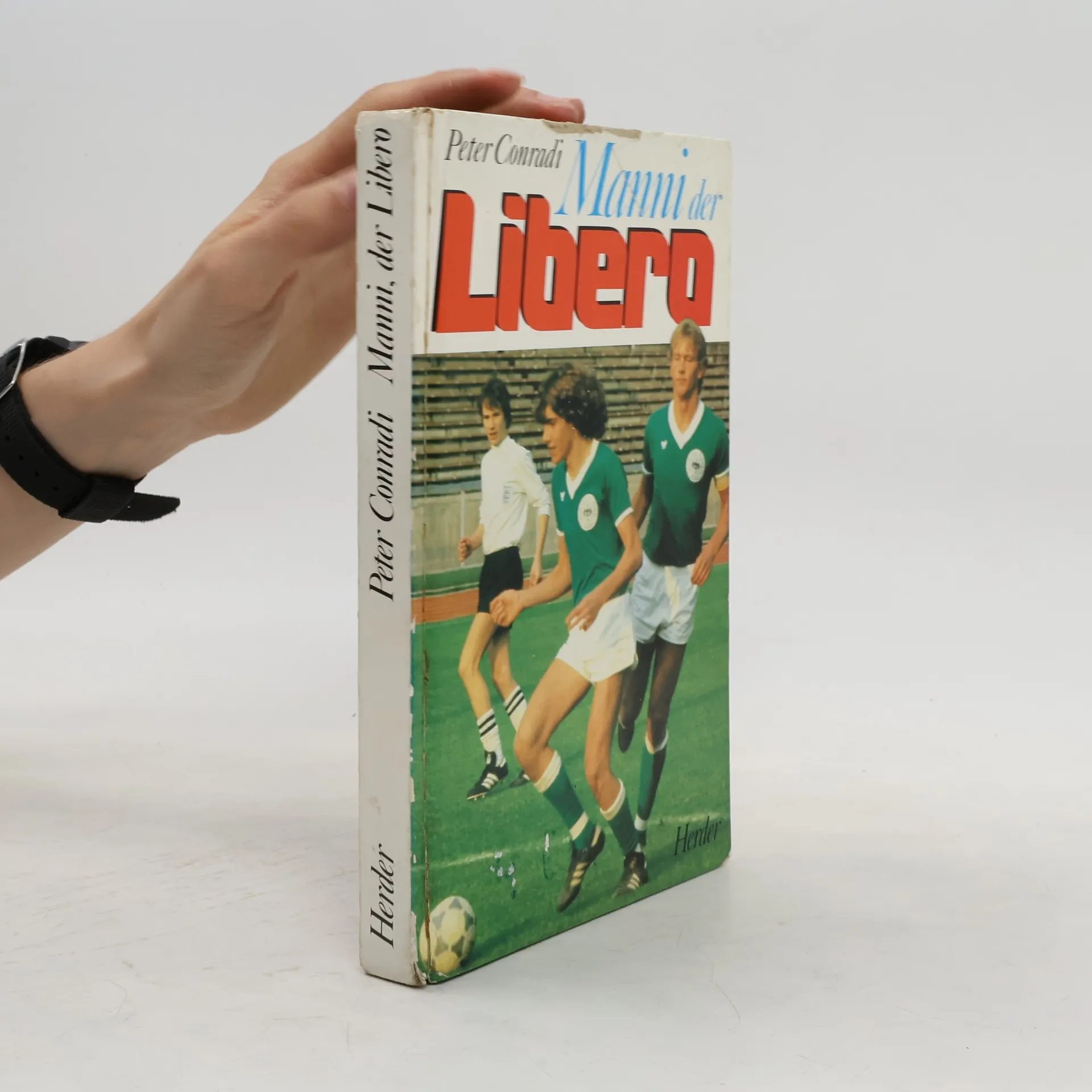
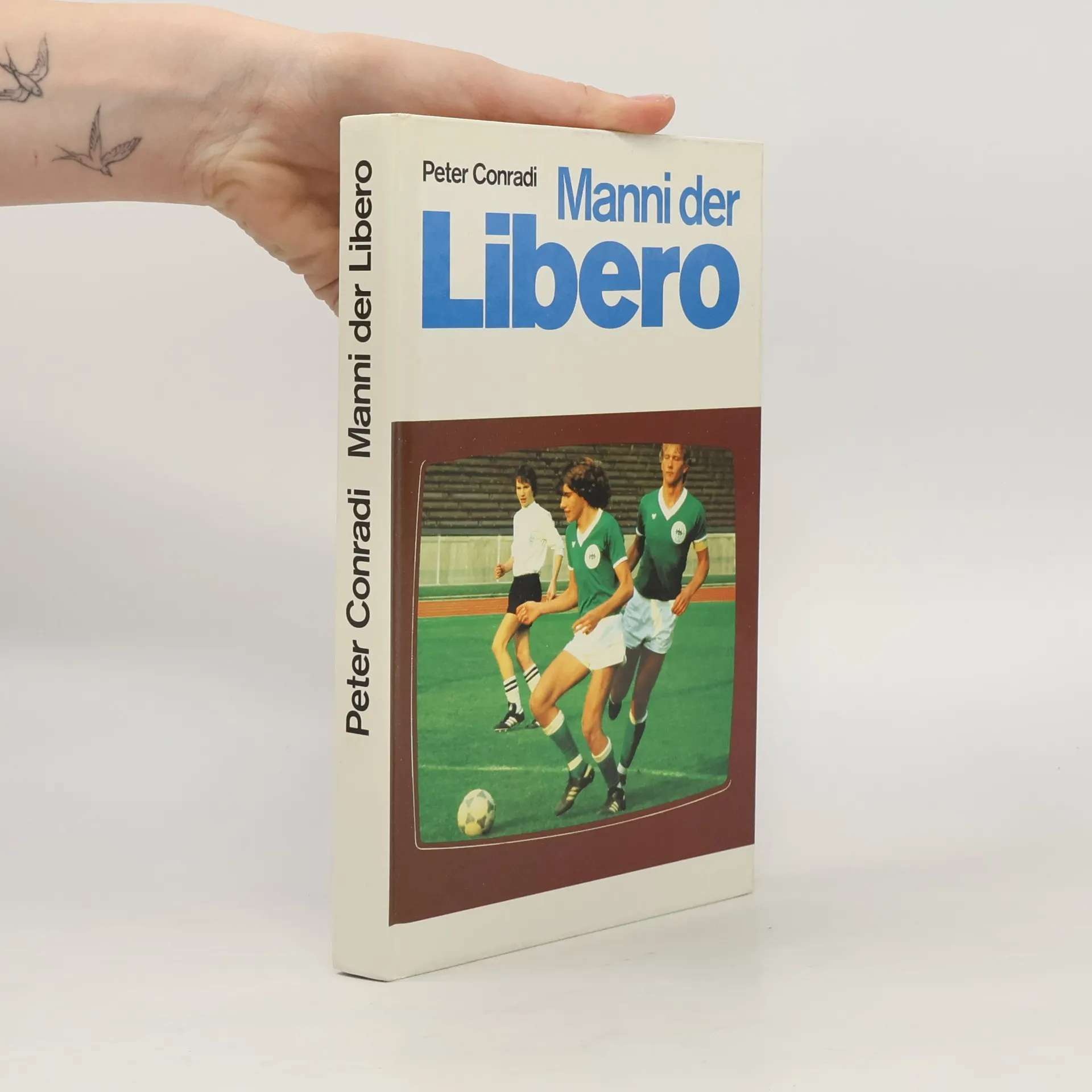
Manni, der Libero. Vorw. v. Manfred Kaltz
- 192 pages
- 7 hours of reading
Mit einer Einführung v. Kaltz, Manfred 192 S.
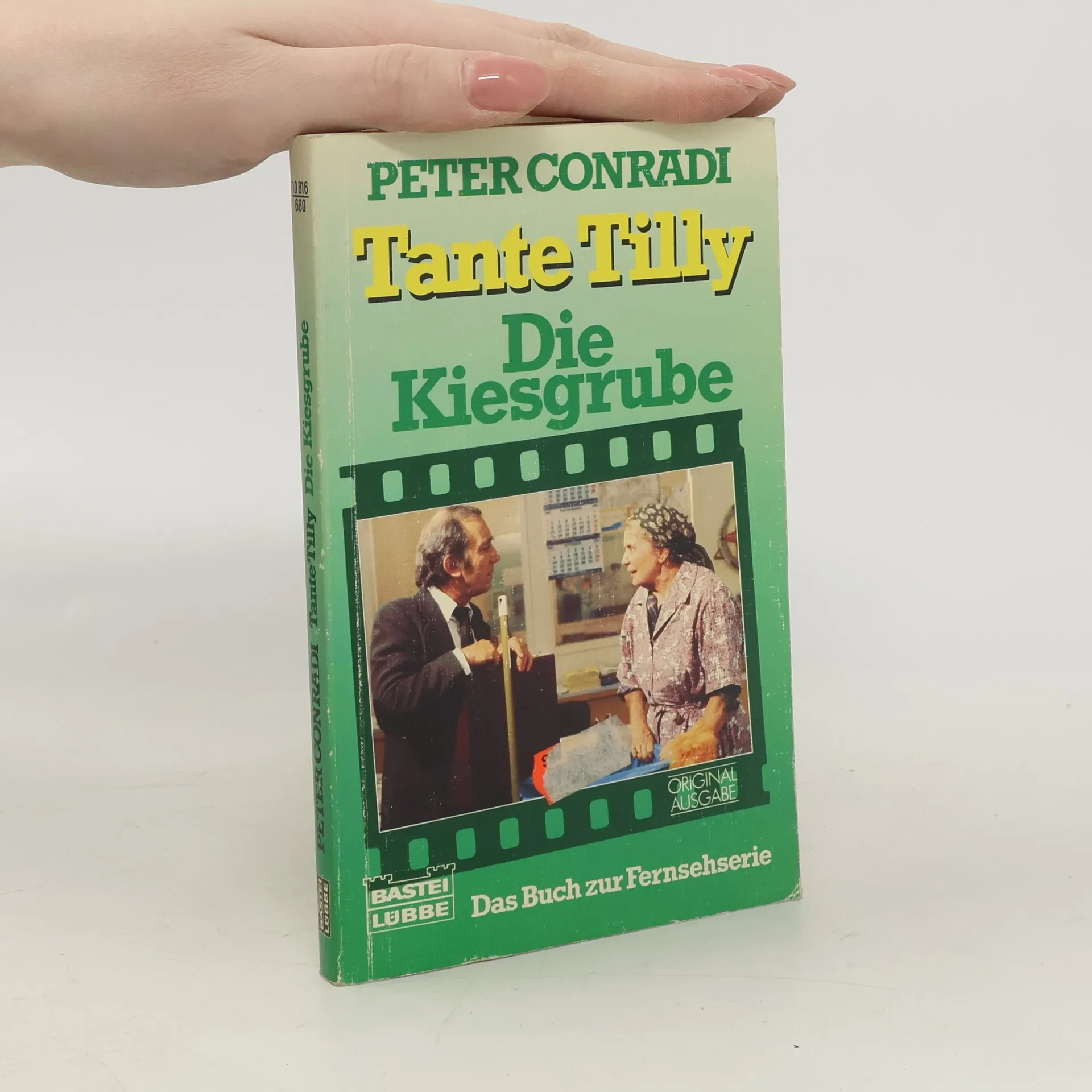
Tante Tilly. Die Kiesgrube
- 207 pages
- 8 hours of reading
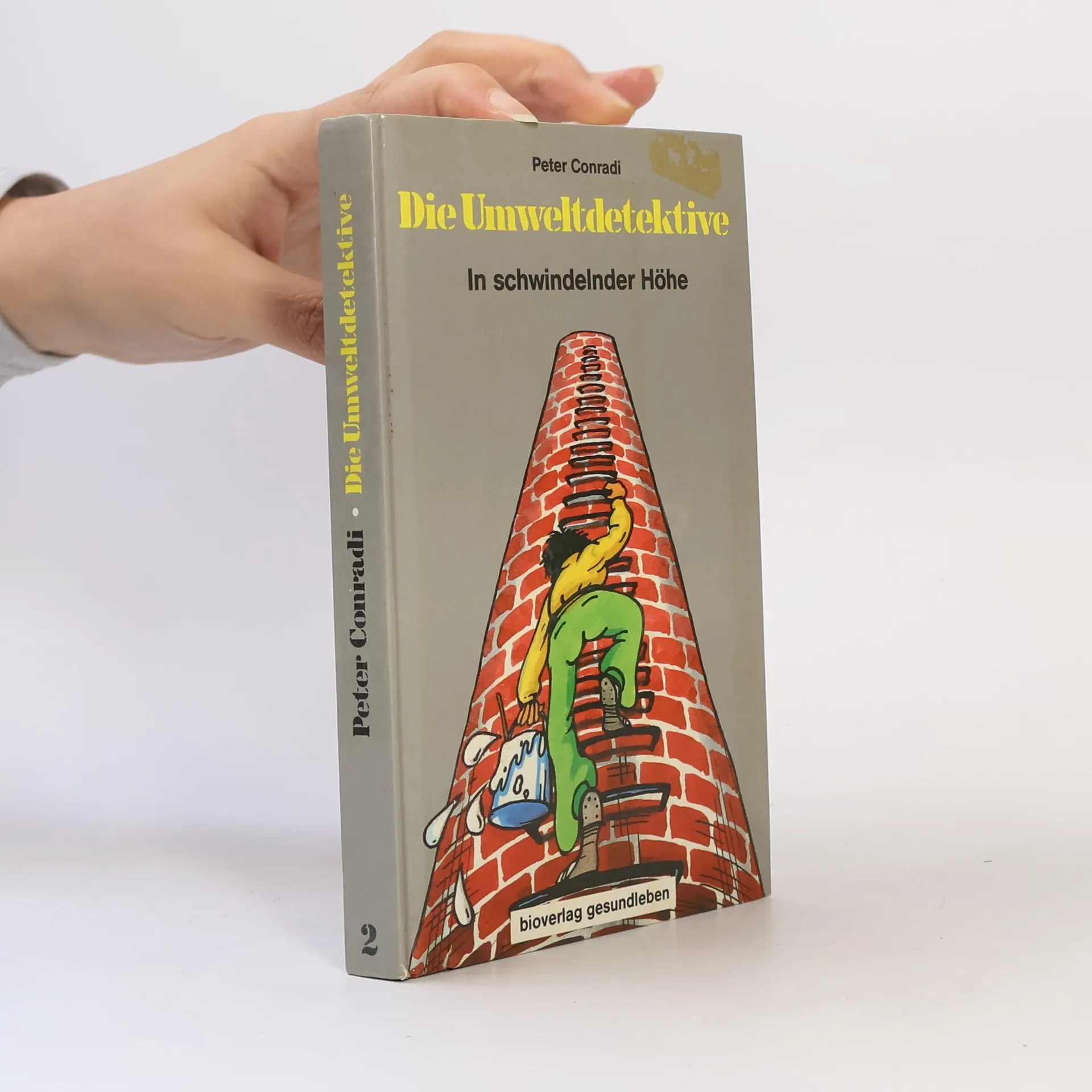
Die Umweltdetektive
In schwindelnder Höhe
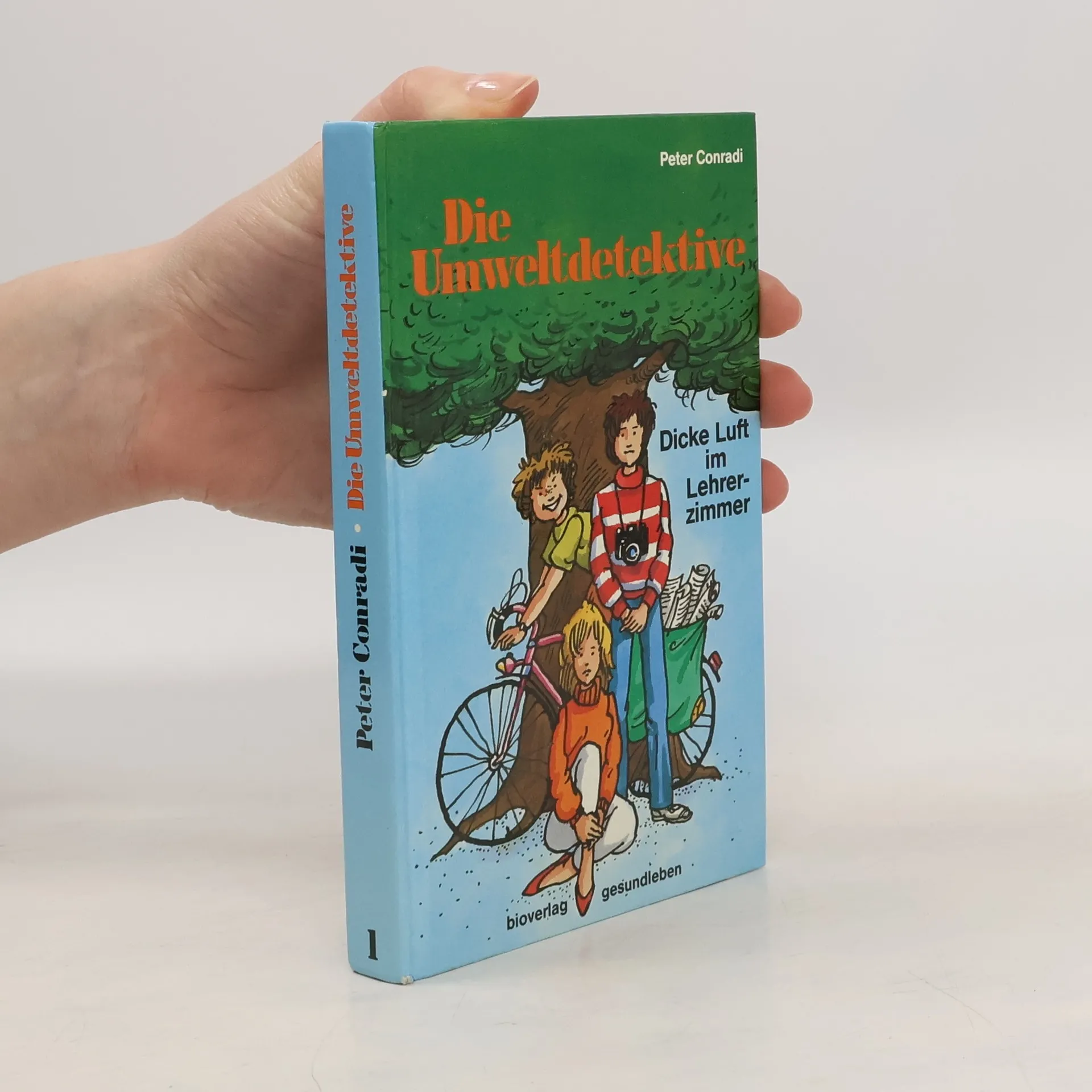
Die Umweltdetektive
- 168 pages
- 6 hours of reading
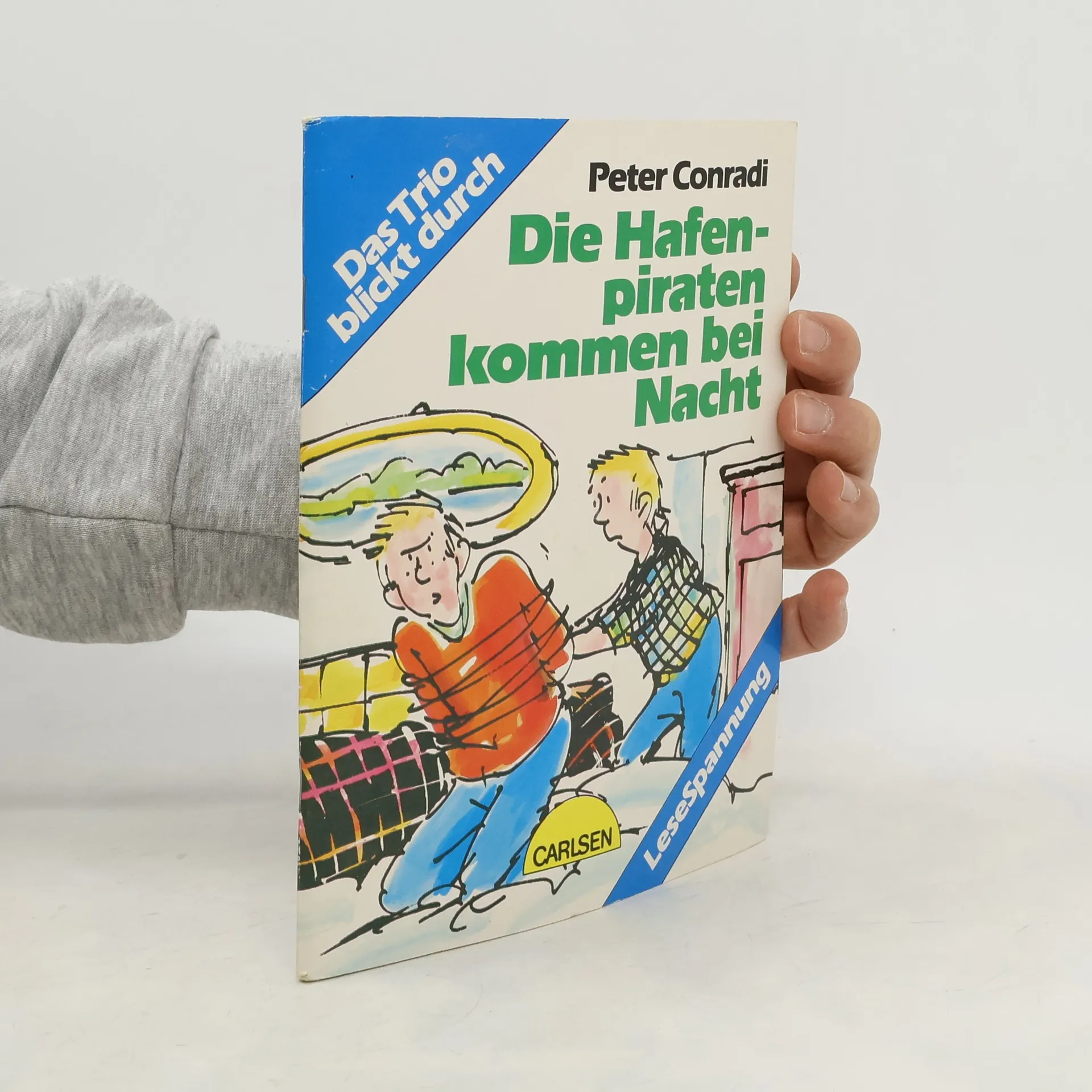
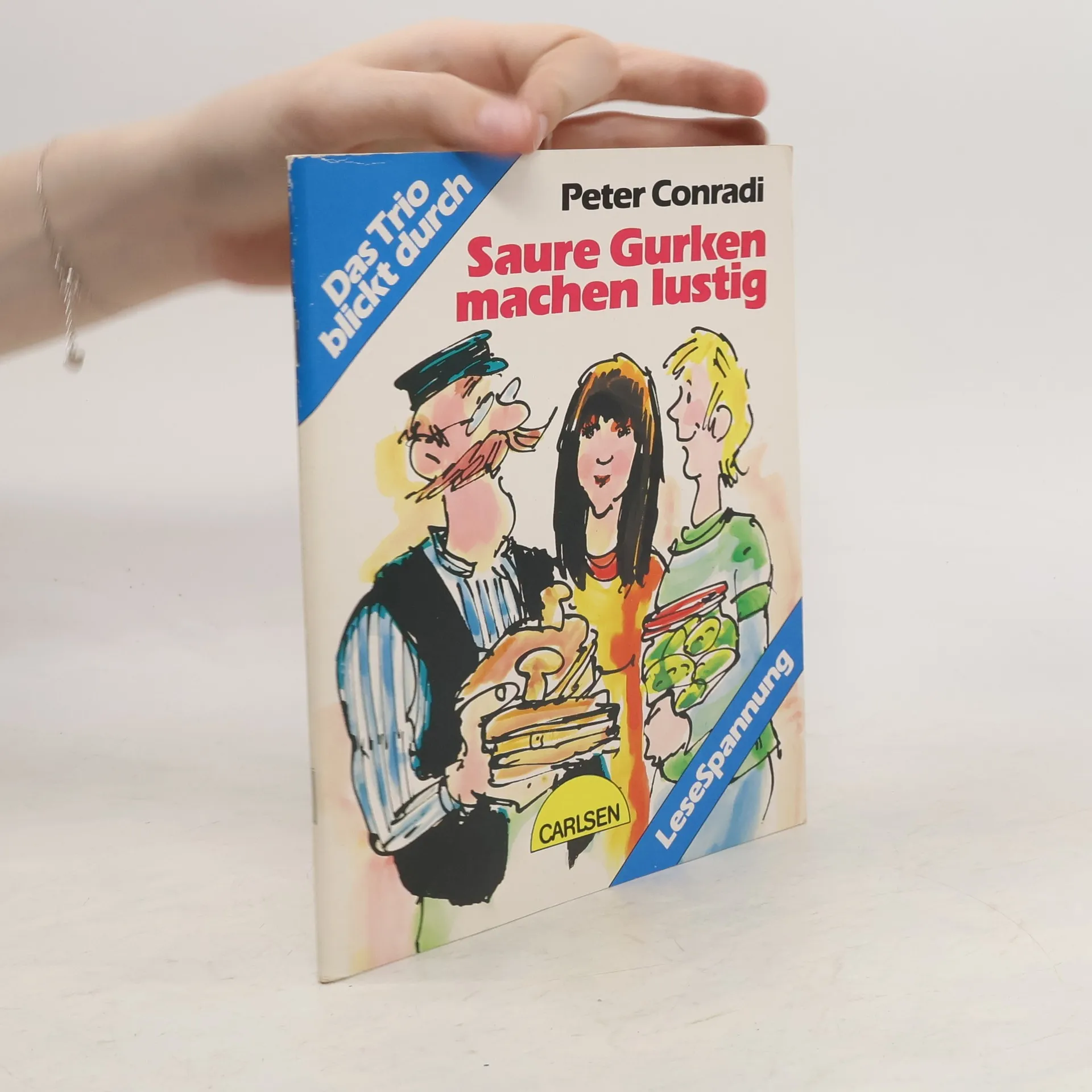
Das Trio blickt durch
- 61 pages
- 3 hours of reading
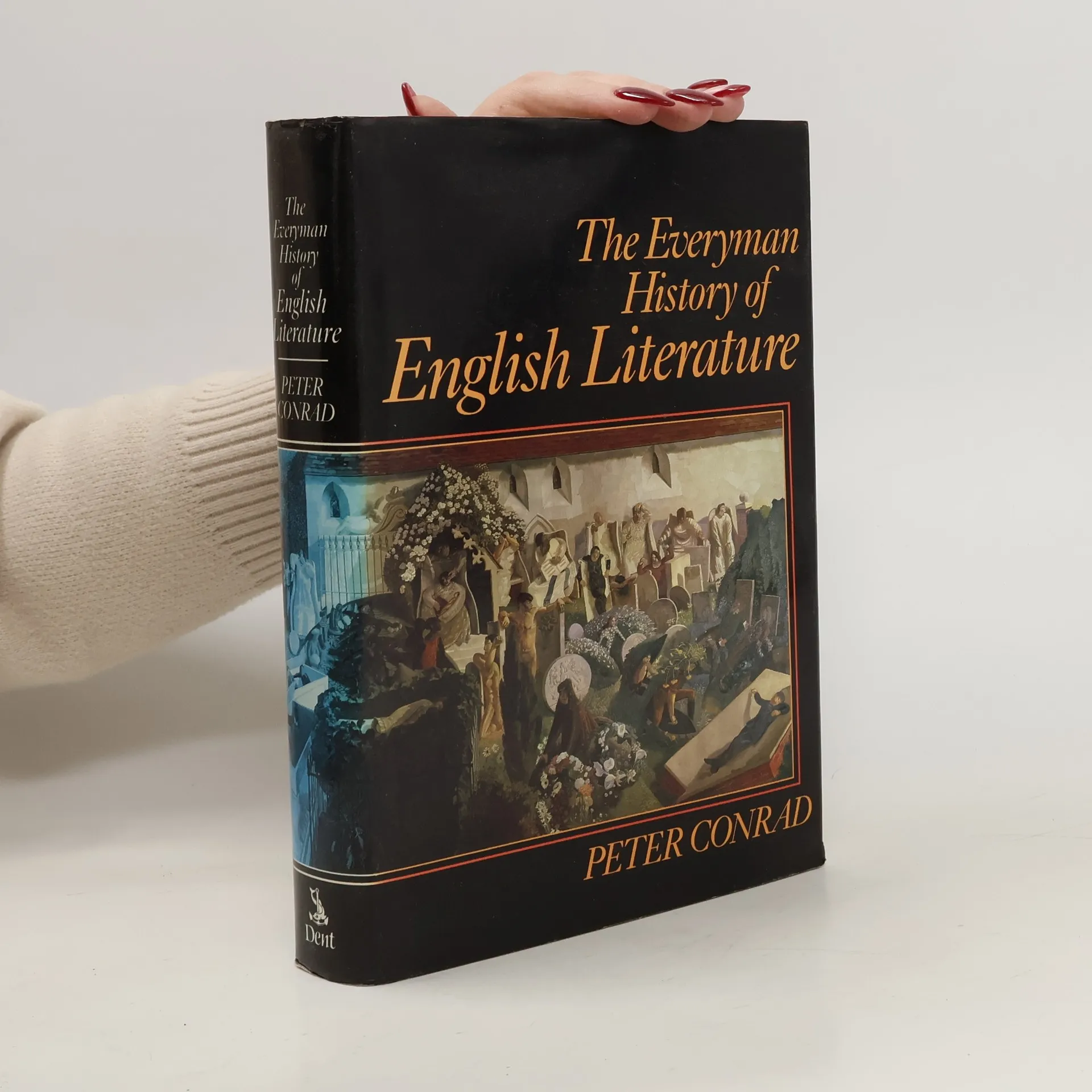
A survey of English poetry, fiction, and drama ranges from the 8th century Beowulf to the present
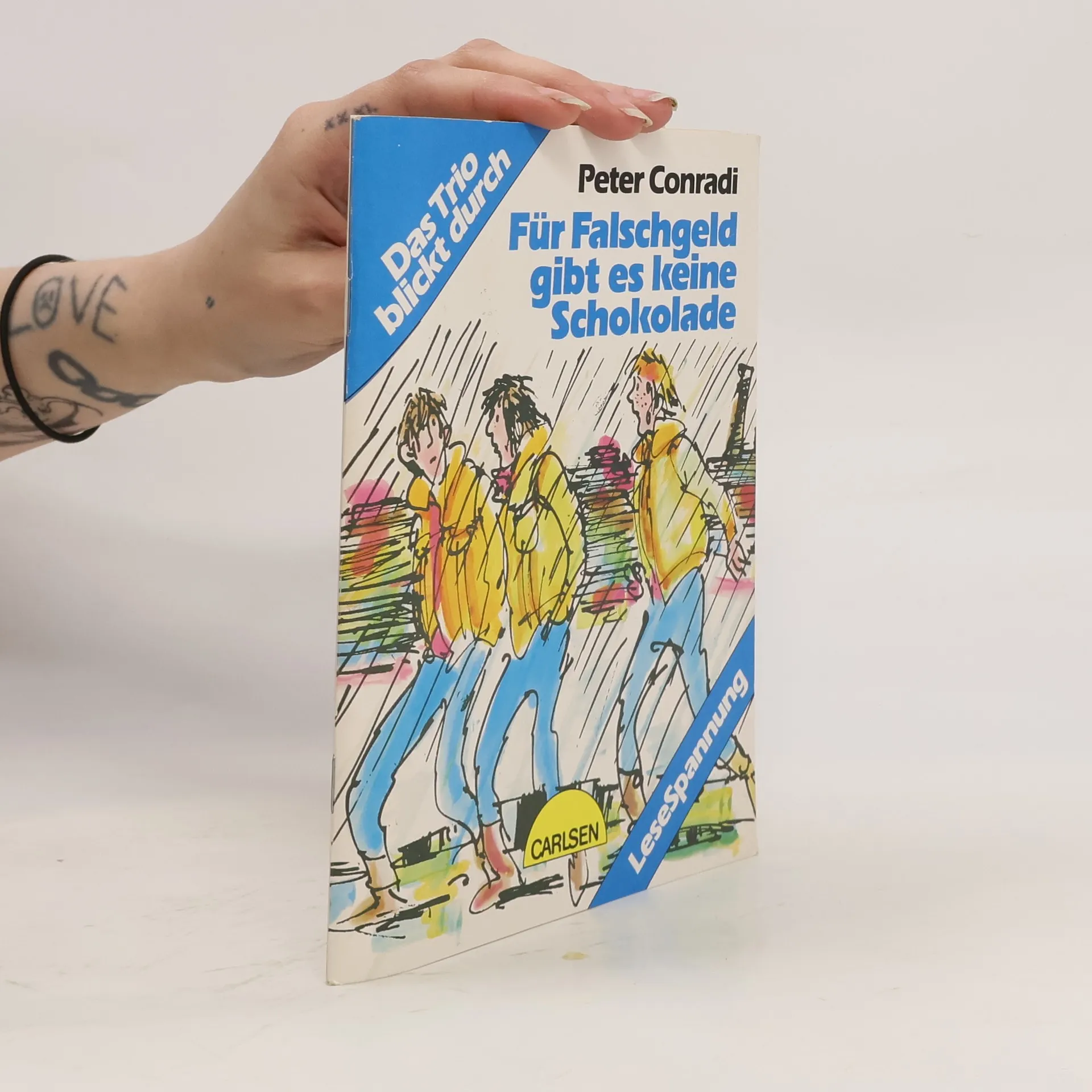
Für Falschgeld gibt es keine Schokolade - bk306; Carlsen Verlag; Peter Conradi; Paperback; 1985
SEMINAR FÜR PLANUNGSWESEN
DER TECHNISCHEN UNIVERSITÄT BRAUNSCHWEIG
Studien zur Gesellschaftstheorie: Ein Mühsamer Dialog
Beiträge zum Verhältnis von Politik und Wissenschaft
- 248 pages
- 9 hours of reading
Mord im Milieu
Die spannendsten Kriminalgeschichten