
Explore the latest books of this year!
Bookbot

Ulrich Lüttge

    Plant desiccation tolerance
    Progress in Botany 77
    Progress in Botany
    Transport in plants
    Progress in Botany / Fortschritte der Botanik
    Physiological ecology of tropical plants
    • Physiological ecology of tropical plants

      • 458 pages
      • 17 hours of reading

      Since the publication of the first edition of this book ten years ago, international research into the physiological ecology of plants in the tropics has increased enormously in quantity and quality. This brand new edition brings the story right up to date. New approaches have been developed in remote sensing while at the other end of the scale molecular biology has come on in leaps and bounds, particularly regarding ecological performance of tropical plants, e.g. in understanding the adaptation of resurrection plants to the extreme habitat of inselbergs. In this fully revised and updated second edition the wealth of new information has made it necessary to break large chapters down into smaller ones.

      Physiological ecology of tropical plants
    • Progress in Botany / Fortschritte der Botanik

      Morphology · Physiology · Genetics · Taxonomy · Geobotany / Morphologie · Physiologie · Genetik · Systematik · Geobotanik

      • 472 pages
      • 17 hours of reading

      The book features a detailed table of contents that organizes its themes and topics, guiding readers through the material. Each section is carefully structured to provide clarity and facilitate learning, making it easy to navigate through the various subjects covered. The content is designed to engage readers and enhance their understanding of the key concepts presented.

      Progress in Botany / Fortschritte der Botanik
    • Progress in Botany

      Structural Botany Physiology Genetics Taxonomy Geobotany Fortschritte der Botanik Struktur Physiologie Genetik Systematik Geobotanik

      • 476 pages
      • 17 hours of reading

      The book features a detailed table of contents that outlines the structure and key themes, providing readers with a clear roadmap of the material covered. Each section is carefully organized, allowing for easy navigation and a comprehensive understanding of the subject matter. This structured approach enhances the reader's experience by facilitating quick reference and deeper engagement with the content.

      Progress in Botany
    • Progress in Botany 77

      • 435 pages
      • 16 hours of reading

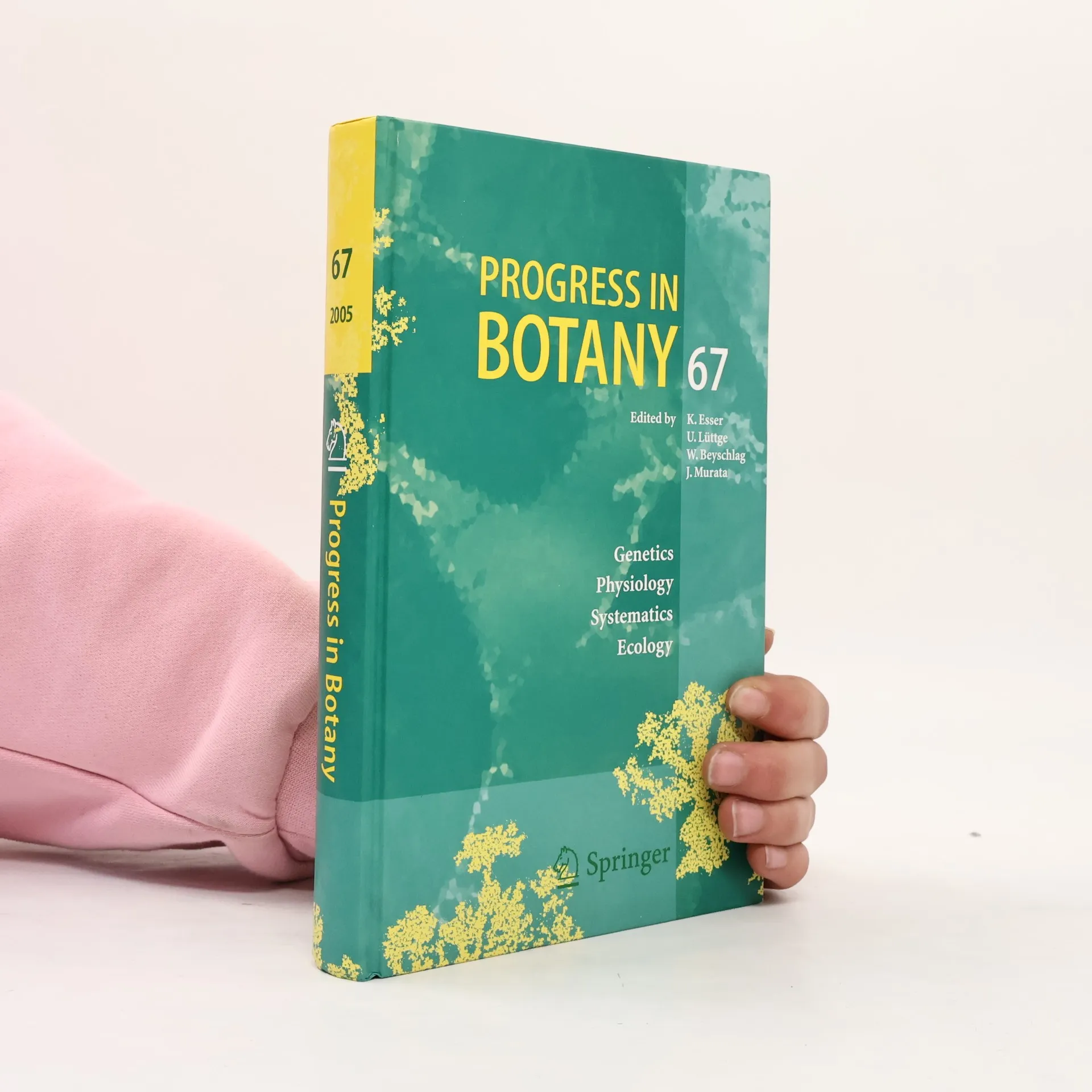
      With one volume each year, this series keeps scientists and advanced students informed of the latest developments and results in all areas of the plant sciences. The present volume includes reviews on plant genetics, physiology, ecology, and evolution.

      Progress in Botany 77
    • Desiccation tolerance was essential when plants first began to conquer land, roughly 400 million years ago. While most desiccation-tolerant plants belong to basal phylogenetic taxa, this capacity has also evolved among some vascular plant species. In this volume renowned experts treat plant desiccation tolerance at the organismic as well as at the cellular level. The diversity of ecophysiological adaptations and acclimations of cyanobacteria, eukaryotic algae, mosses, and lichens is addressed in several chapters. The particular problems of vascular plants during dehydration/rehydration cycles resulting not only from their hydraulic architectures, but also from severe secondary stresses associated with the desiccated state are discussed. Based on the treatment of desiccation tolerance at the organismic level, a second section of the book is devoted to the cell biological level. It delineates the general concepts of functional genomics, epigenetics, genetics, molecular biology and the sensing and signalling networks of systems biology involved in dehydration/rehydration cycles. This book provides an invaluable compilation of current knowledge, which is a prerequisite for a better understanding of plant desiccation tolerance in natural as well as agro- and forest ecosystems where water is one of the most essential resources.

      Plant desiccation tolerance
    • Das Werk schafft alle Voraussetzungen für die Botanikprüfung im Vordiplom. Darüber hinaus ist es auch geeignet für interessierte Leser in Schulen und Hochschulen, in Landwirtschaft und Industrie, deren Arbeit pflanzliches Leben berührt oder durch pflanzliches Leben berührt wird. Für die vierte Auflage wurde wiederum der gesamte Inhalt überprüft und auf den neuesten Stand gebracht, ohne dabei die Stoffmenge deutlich zu erweitern. Das verbesserte Layout der vorangegangenen Auflage zur leichteren Lesbarkeit und klareren Strukturierung der Inhalte wurde beibehalten.

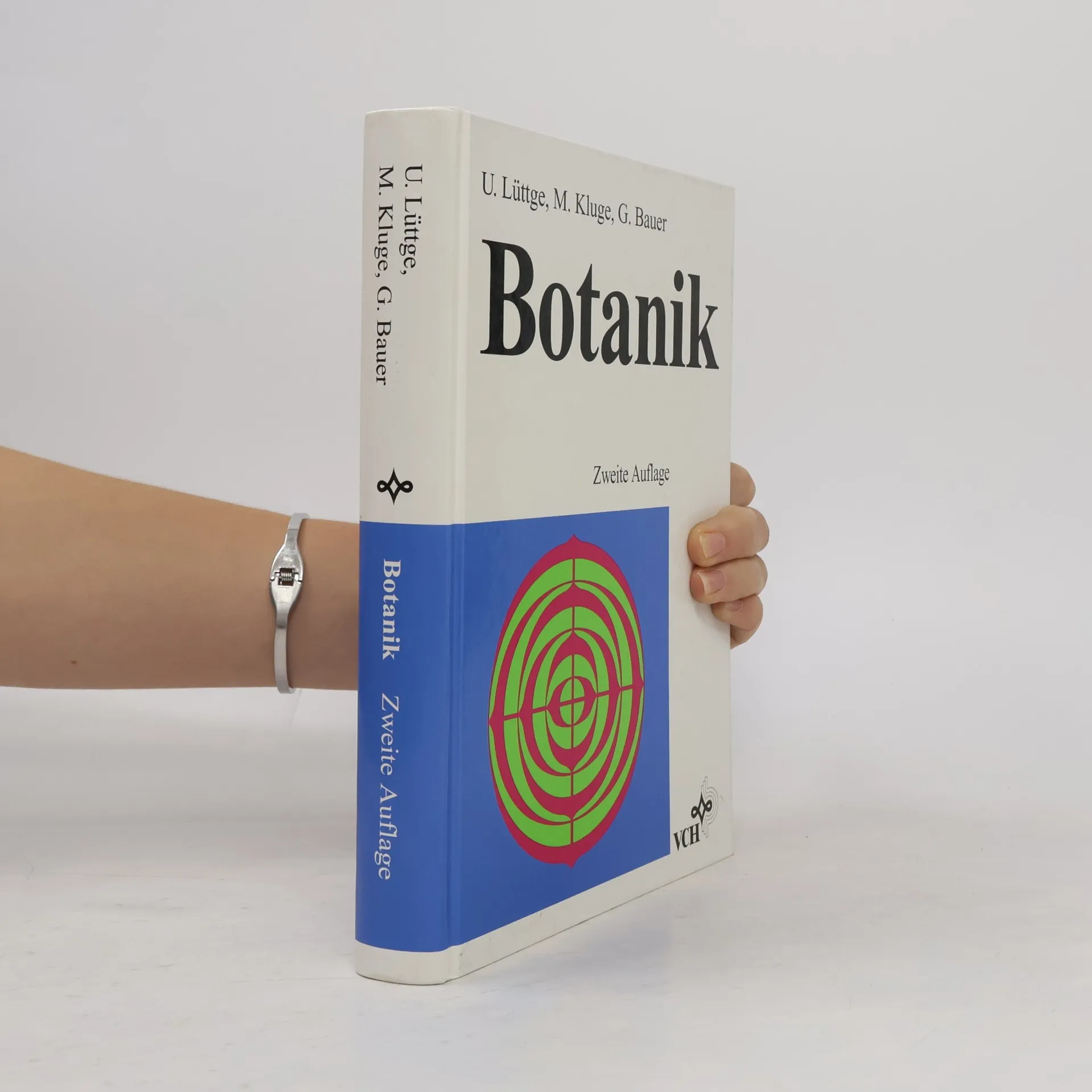
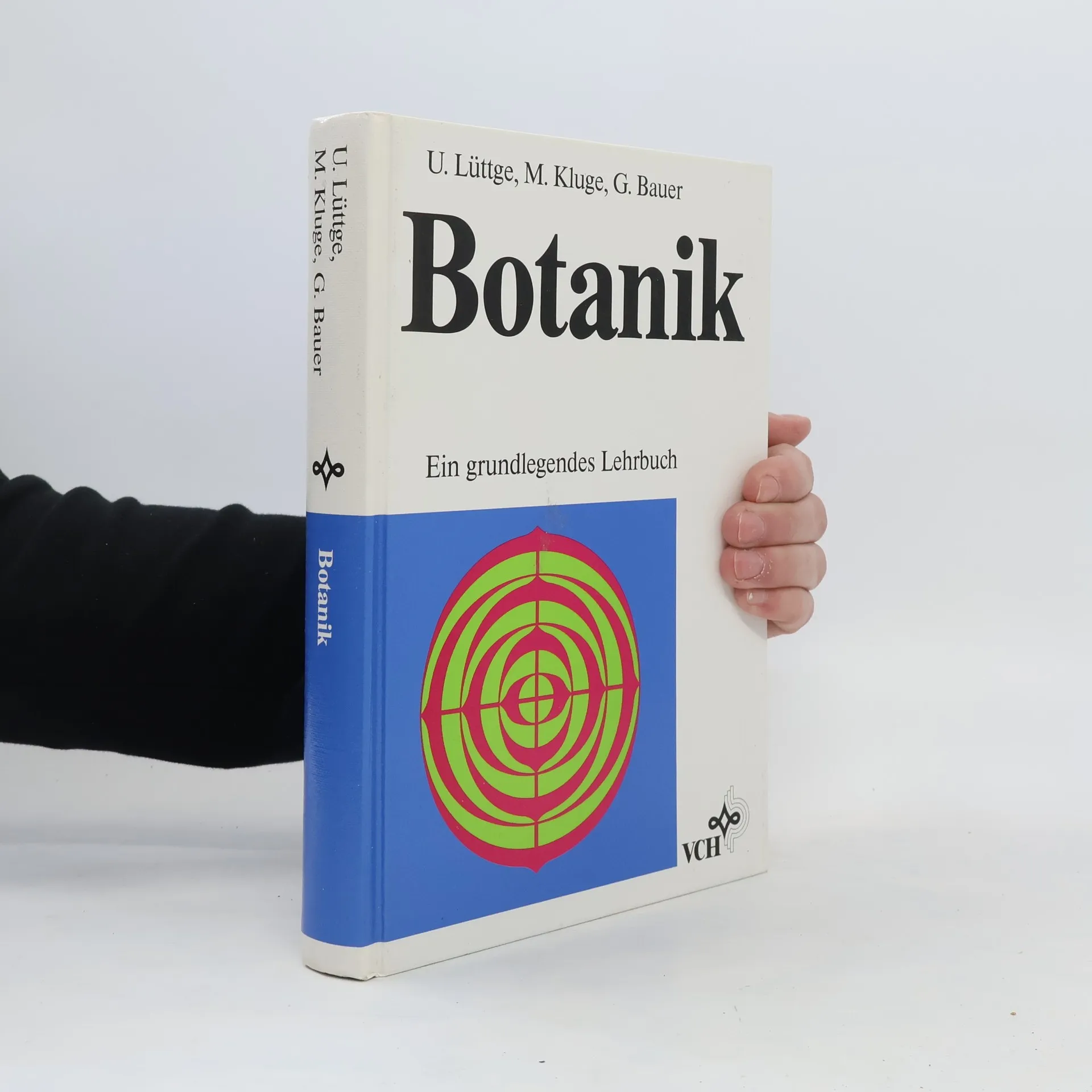
      Botanik
    • Bericht Über das Jahr 1958

      • 496 pages
      • 18 hours of reading

      Inhaltsverzeichnis A. Anatomie und Morphologie.- 1. Morphologie und Entwicklungsgeschichte der Zelle. Von Professor.- 2. Morphologie einschließlich Anatomie.- 3. Entwicklungsgeschichte und Fortpflanzung.- 4. Submikroskopische Morphologie.- B. Systemlehre und Pflanzengeographie.- 5. a) Systematik und Phylogenie der Algen.- b) Systematik und Stammesgeschichte der Pilze.- c) Systematik der Flechten.- d) Systematik der Moose1.- e) Systematik der Farnpflanzen.- f) Systematik der Spermatophyta.- 6. Paläobotanik.- 7. Systematische und genetische Pflanzengeographie..- 8. Ökologische Pflanzengeographie.- 9. Ökologie.- C. Physiologie des Stoffwechsels.- 10. Physikalische und chemische Grundlagen der Lebensprozesse (Strahlenbiologie).- 11. Zellphysiologie und Protoplasmatik1.- 12. Wasserumsatz und Stoffbewegungen.- 13. Mineralstoffwechsel.- 14. Stoffwechsel organischer Verbindungen I (Photosynthese).- 15. Stoffwechsel organischer Verbindungen II1.- 16. N-Stoffwechsel.- 17. Viren und Phagen..- D. Physiologie der Organbildung.- 18. Vererbung..- 19. Cytogenetik1.- 20. Wachstum1.- 21. a) Entwicklungsphysiologie1.- b) Physiologie der Fortpflanzung und Sexualität.- 22. Bewegungen.- E. Ausgewählte Kapitel der angewandten Botanik.- 23. a) Allgemeine Pflanzenpathologie.- b) Virosen.- c) Bakteriosen.- d) Mykosen..- e) Nichtparasitäre Pflanzenkrankheiten1..- f) Pflanzenschutz..- 24. Holzkrankheiten und Holzschutz.- 25. Antibiotica.- 26. Hydrobiologie, Limnologie, Abwasser und Gewässerschutz.- 27. Pharmakognosie1.- 28. Angewandte Pflanzenphysiologie1..- 29. Angewandte Mikrobiologie1..

      Bericht Über das Jahr 1958
    • Bericht über das Jahr 1954

      • 900 pages
      • 32 hours of reading

      Inhaltsverzeichnis A. Morphologie.- 1. Morphologie und Entwicklungsgeschichte der Zelle.- 2. Morphologie einschließlich Anatomie.- 3. Entwicklungsgeschichte und Fortpflanzung.- 4. Submikroskopische Morphologie.- B. Systemlehre und Pflanzengeographie.- 5a.Systematik und Phylogenie der Algen.- 5b.Systematik und Stammesgeschichte der Pilze.- 5c. Systematik der Flechten.- 5d. Systematik der Moose.- 5e. Systematik und Stammesgeschichte der Pteridophyten.- 5f. Systematik und Stammesgeschichte der Spermatophyten.- 6. Paläobotanik.- 7. Systematische und genetische Pflanzengeographie.- 8. Ökologische Pflanzengeographie.- 9. Ökologie.- C. Physiologie des Stoffwechsels.- 10. Physikalisch-chemische Grundlagen der Lebensprozesse (Strahlenbiologie).- 11. Zellphysiologie und Protoplasmatik.- 12. Wasserumsatz und Stoffbewegungen.- 13. Mineralstoffwechsel.- 14. Stoffwechsel organischer Verbindungen I (Photosynthese).- 15. Stoffwechsel organischer Verbindungen II.- D. Physiologie der Organbildung.- 16. Vererbung.- 17. Cytogenetik.- 18. Wachstum.- 19a.Entwicklungsphysiologie.- 19b.Physiologie der Fortpflanzung und Sexualität.- 20. Viren.

      Bericht über das Jahr 1954
    • Bericht Über das Jahr 1956

      • 440 pages
      • 16 hours of reading

      Inhaltsverzeichnis A. Morphologie.- 1. Morphologie und Entwicklungsgeschichte der Zelle.- 2. Morphologie einschließlich Anatomie.- 3. Entwicklungsgeschichte und Fortpflanzung.- 4. Submikroskopische Morphologie.- B. Systemlehre und Pflanzengeographie.- 5a. Systematik und Phylogenie der Algen.- 6. Paläobotanik.- 7. Systematische und genetische Pflanzengeographie.- 8. Ökologische Pflanzengeographie.- 9. Ökologie.- C. Physiologie des Stoffwechsels..- 10. Physikalische und chemische Grundlagen der Lebensprozesse (Strahlenbiologie).- 11. Zellphysiologie und Protoplasmatik.- 12. Wasserumsatz und Stoffbewegungen.- 13. Mineralstoffwechsel.- 14. Stoffwechsel organischer Verbindungen I (Photosynthese).- 15. Stoffwechsel organischer Verbindungen II.- D. Physiologie der Organbildung.- 16. Vererbung.- 17. Cytogenetik.- 18. Wachstum.- 19a. Entwicklungsphysiologie.- 20. Bewegungen1.- 21. Viren.

      Bericht Über das Jahr 1956