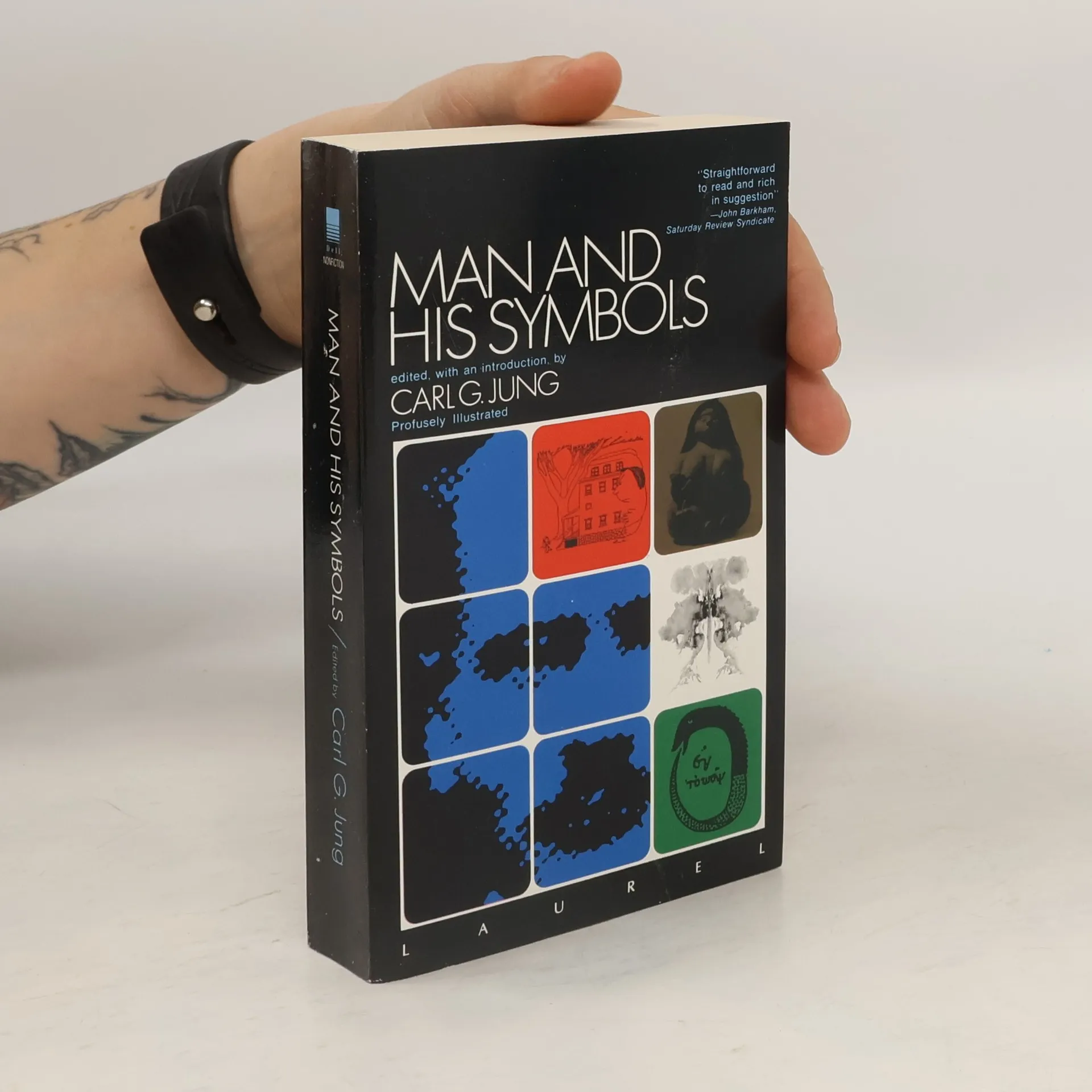
Man and his symbols
- 432 pages
- 16 hours of reading
Explores Jung's psychological concepts regarding the nature, function and importance of man's symbols as they appear on both the conscious and subconscious level


Jolande Jacobi was a Swiss psychologist, best remembered for her work with Carl Jung and her writings on Jungian psychology. A prominent figure in the development of analytical psychology, her works delve into the depths of the human psyche with profound insight. Jacobi's scholarship is marked by a meticulous exploration of archetypes and the collective unconscious, offering readers a rich tapestry of psychological understanding. Her approach was instrumental in grasping the complexities of the human mind.

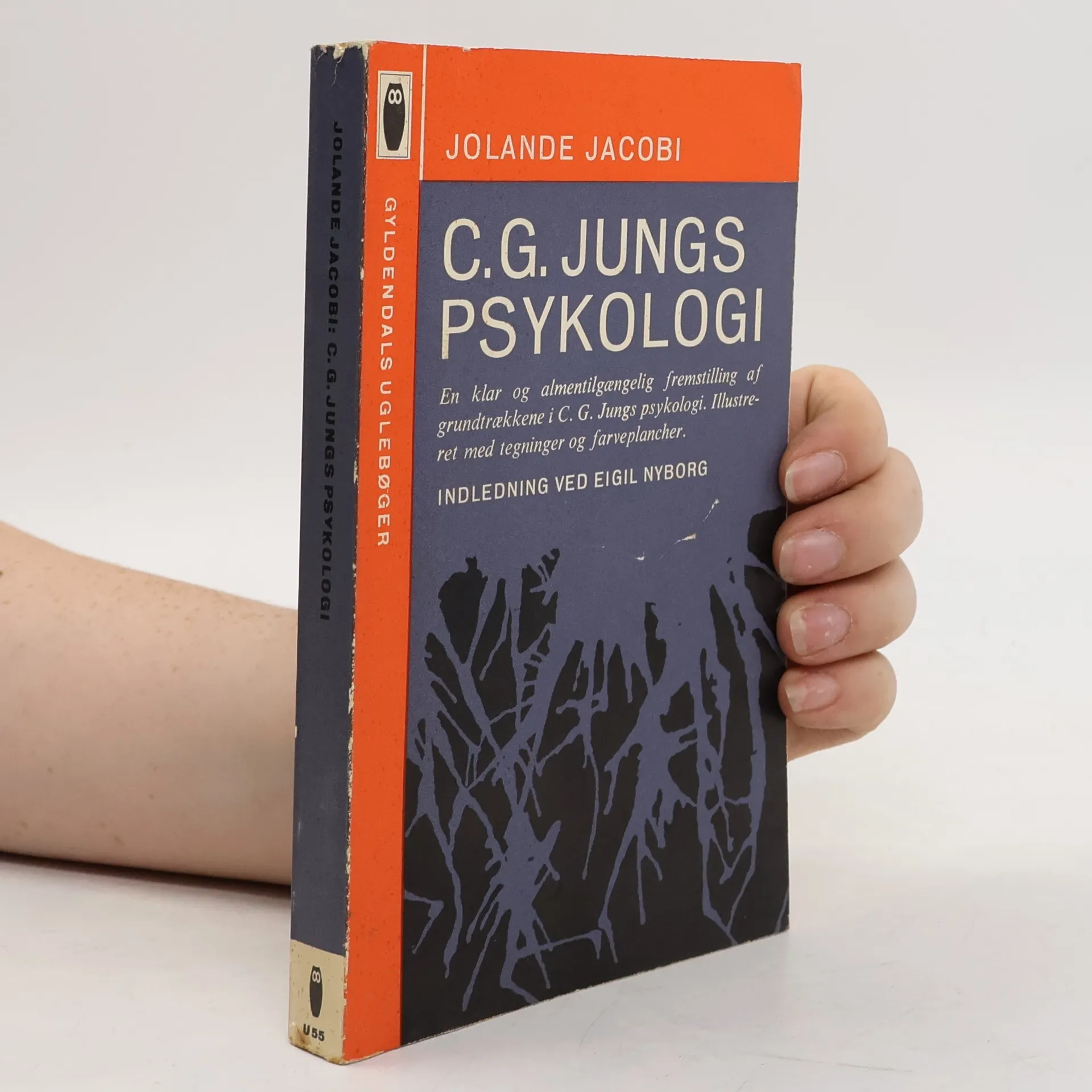
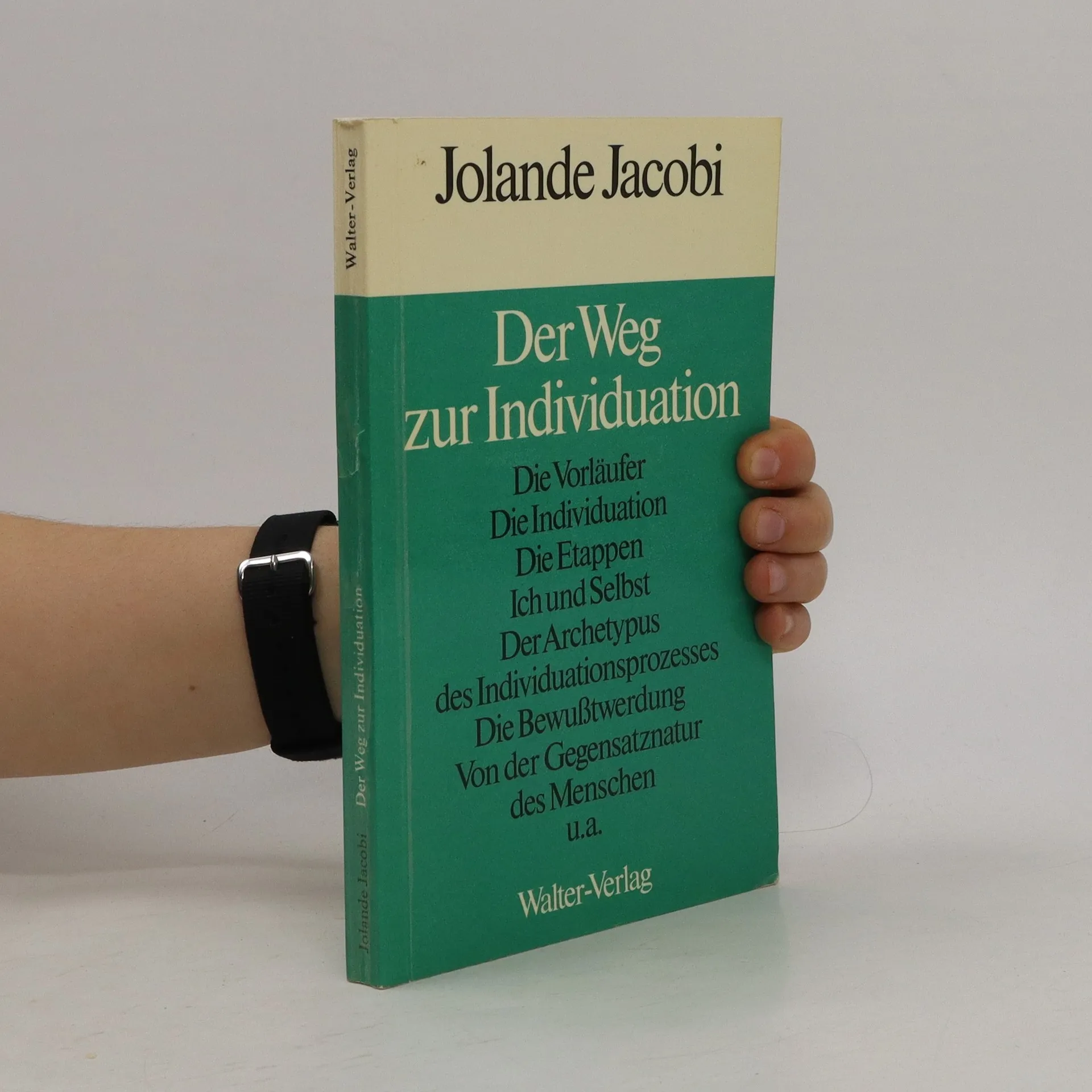
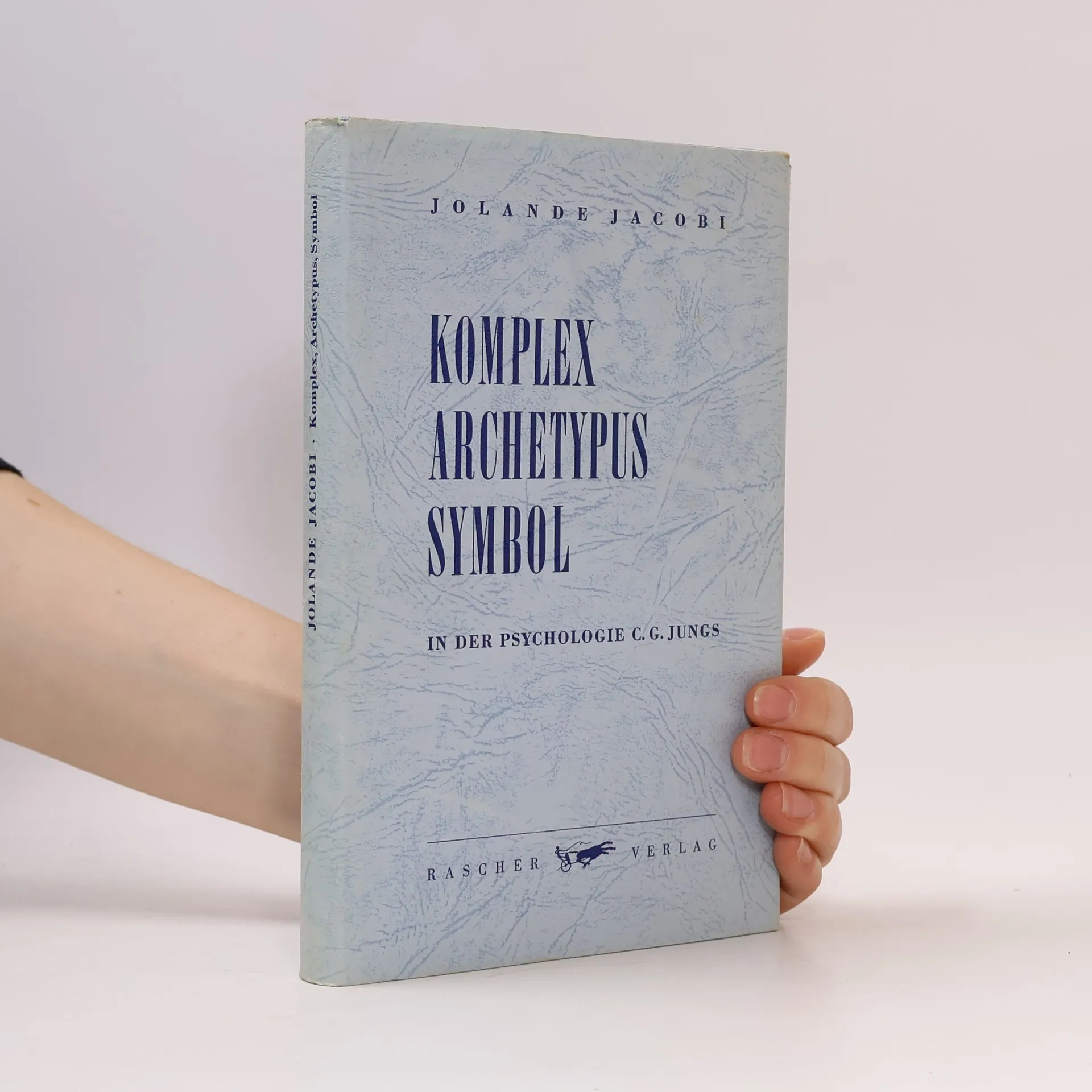
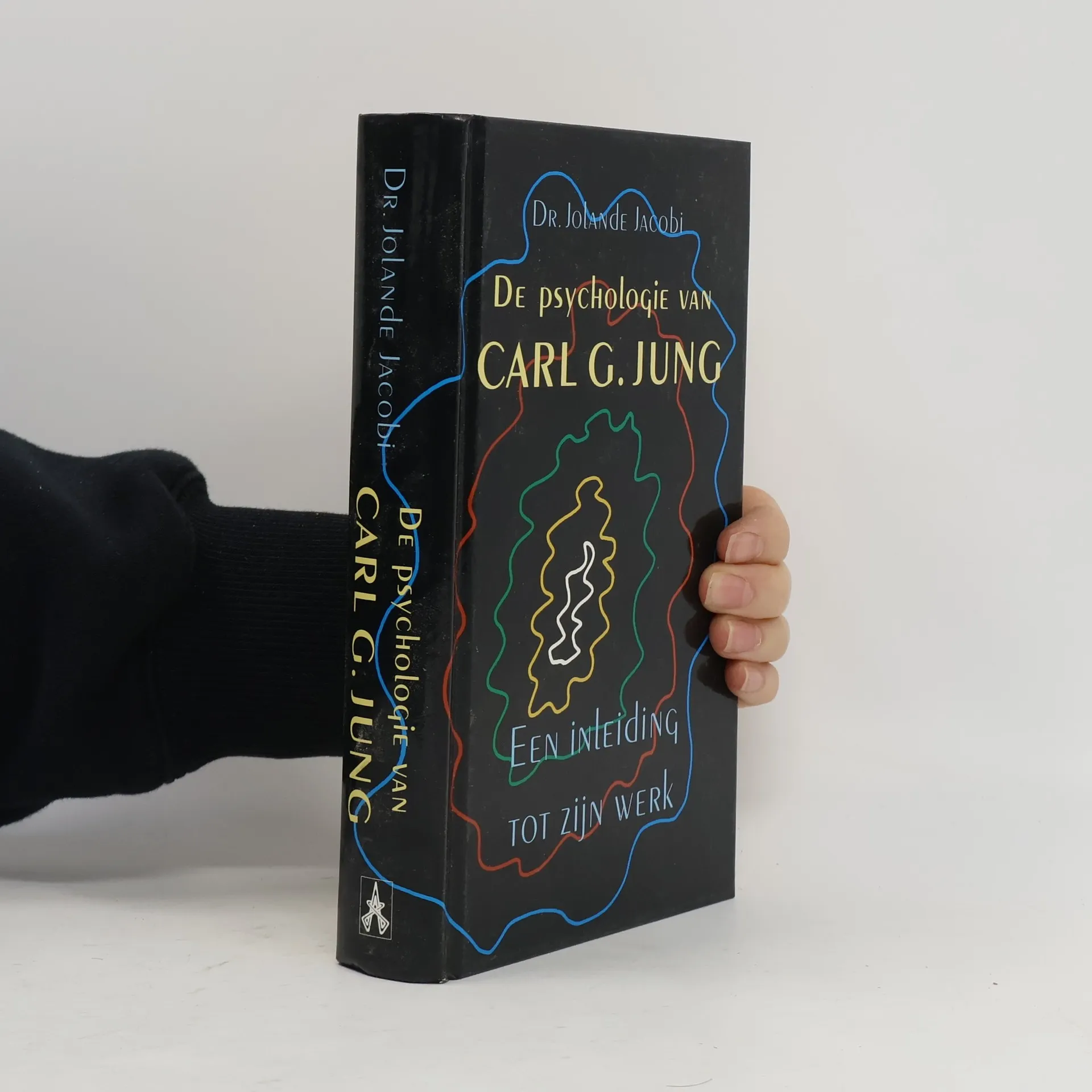
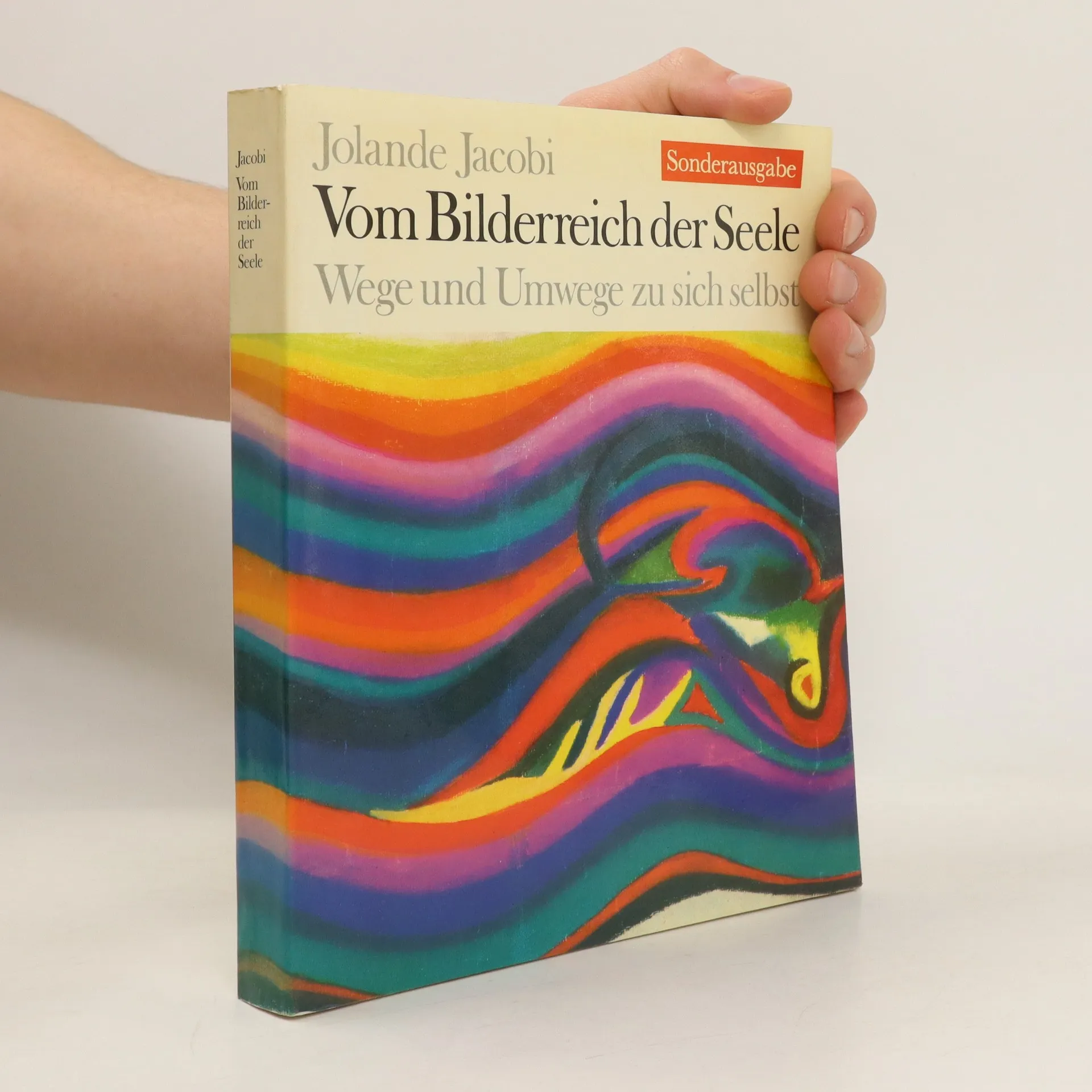
Explores Jung's psychological concepts regarding the nature, function and importance of man's symbols as they appear on both the conscious and subconscious level
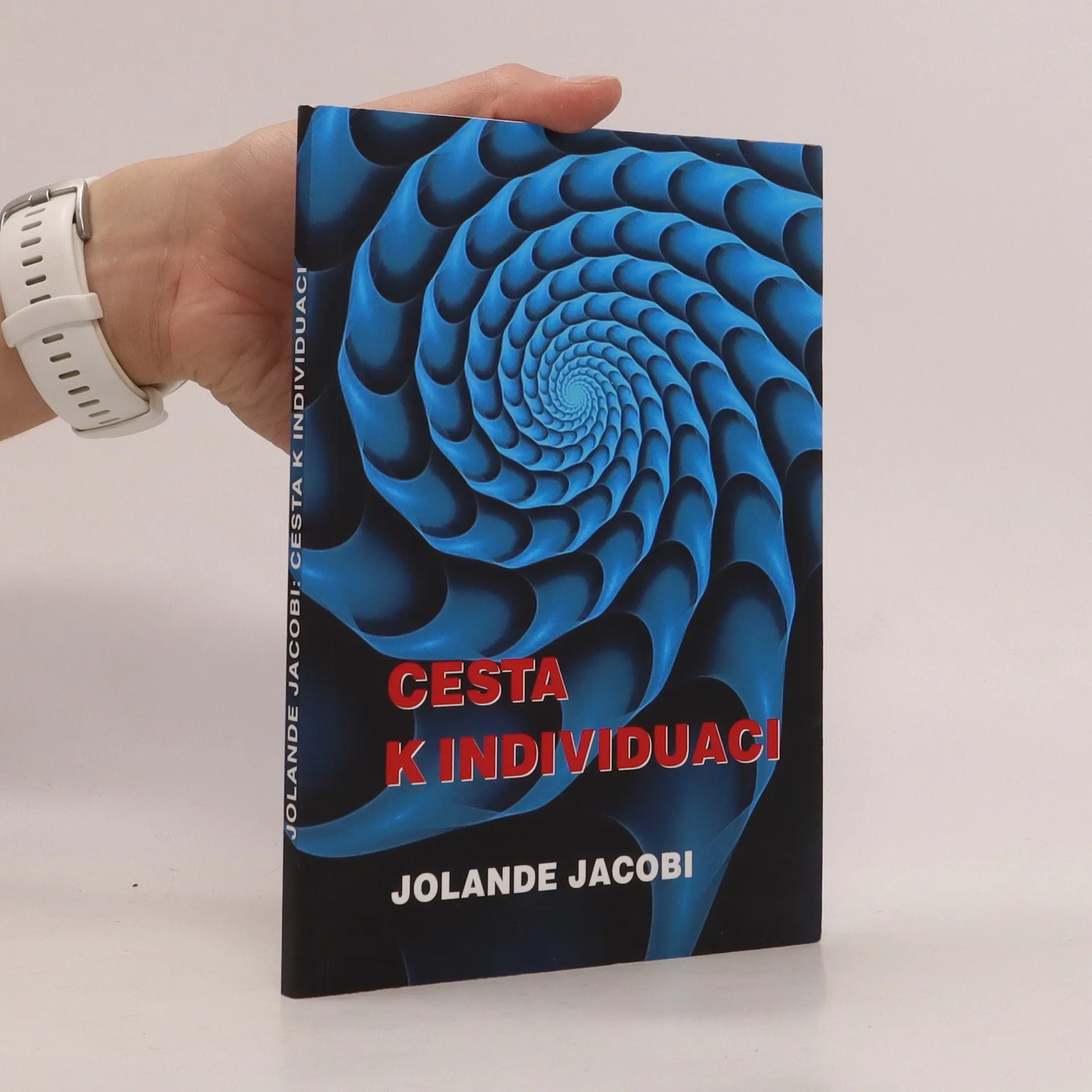
Individuace je zde podána perem spolupracovnice C. G. Junga na základě vlastní praxe i shrnutí poznatků samotného Junga, objevujících se v jeho různých pracech a poznámkách.
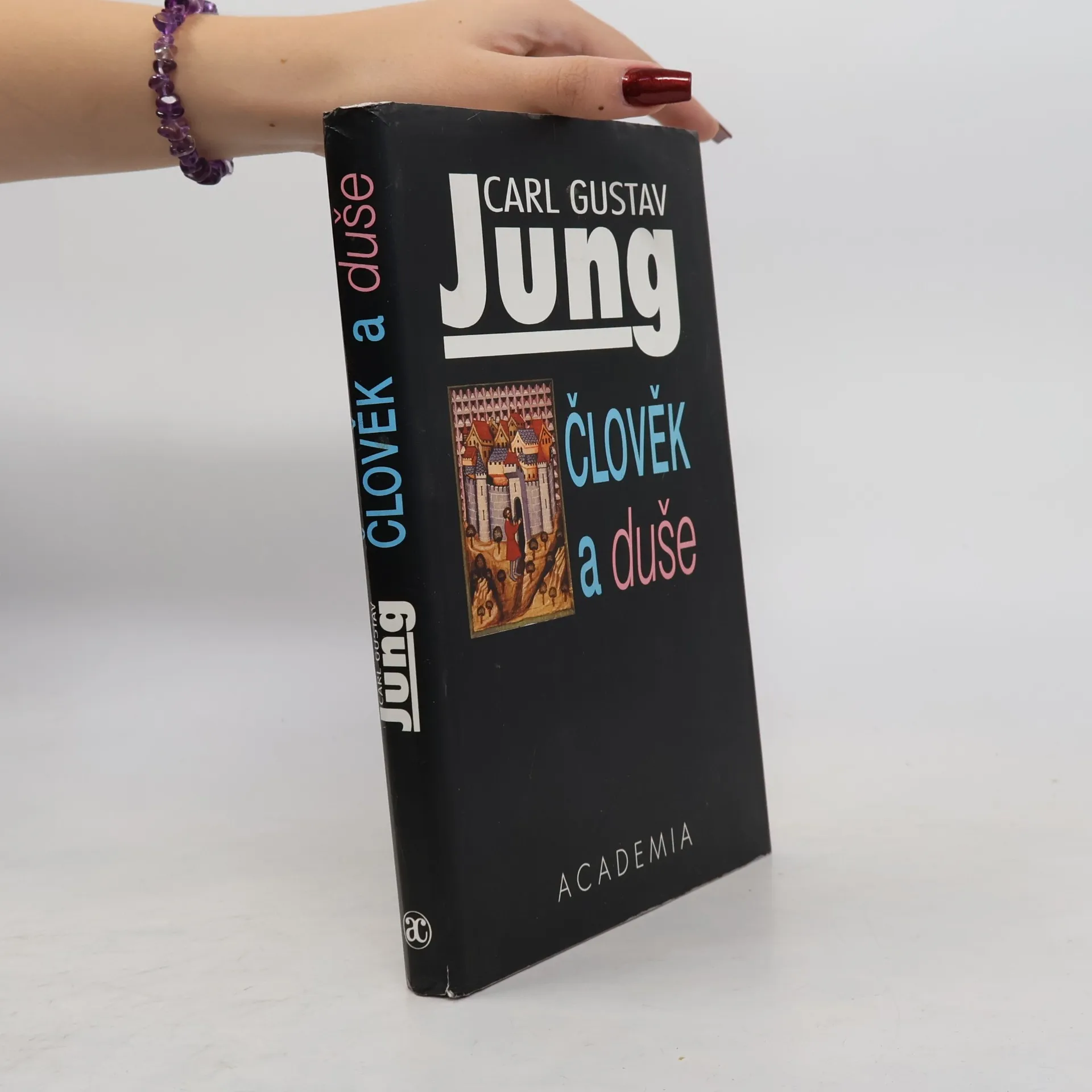
Přes tisíc citátů z celoživotního díla švýcarského psychiatra, psychologa, psychoterapeuta a jednoho z nejvýznamějších myslitelů dvacátéo století Carla Gustava Junga, které kniha obsahuje, představuje jistém smyslu duchovní kompendium současné západní moudrosti. Vybrala je Jungova žačka a spolupracovnice Jolanda Jacobiová a seřadila je tematicky v šestnácti kapitolách do čtyř základních existenciálních okruhů pojednávajících o skutečnosti duše a jejích vztazích, o říši hodnot a o posledních věcech.
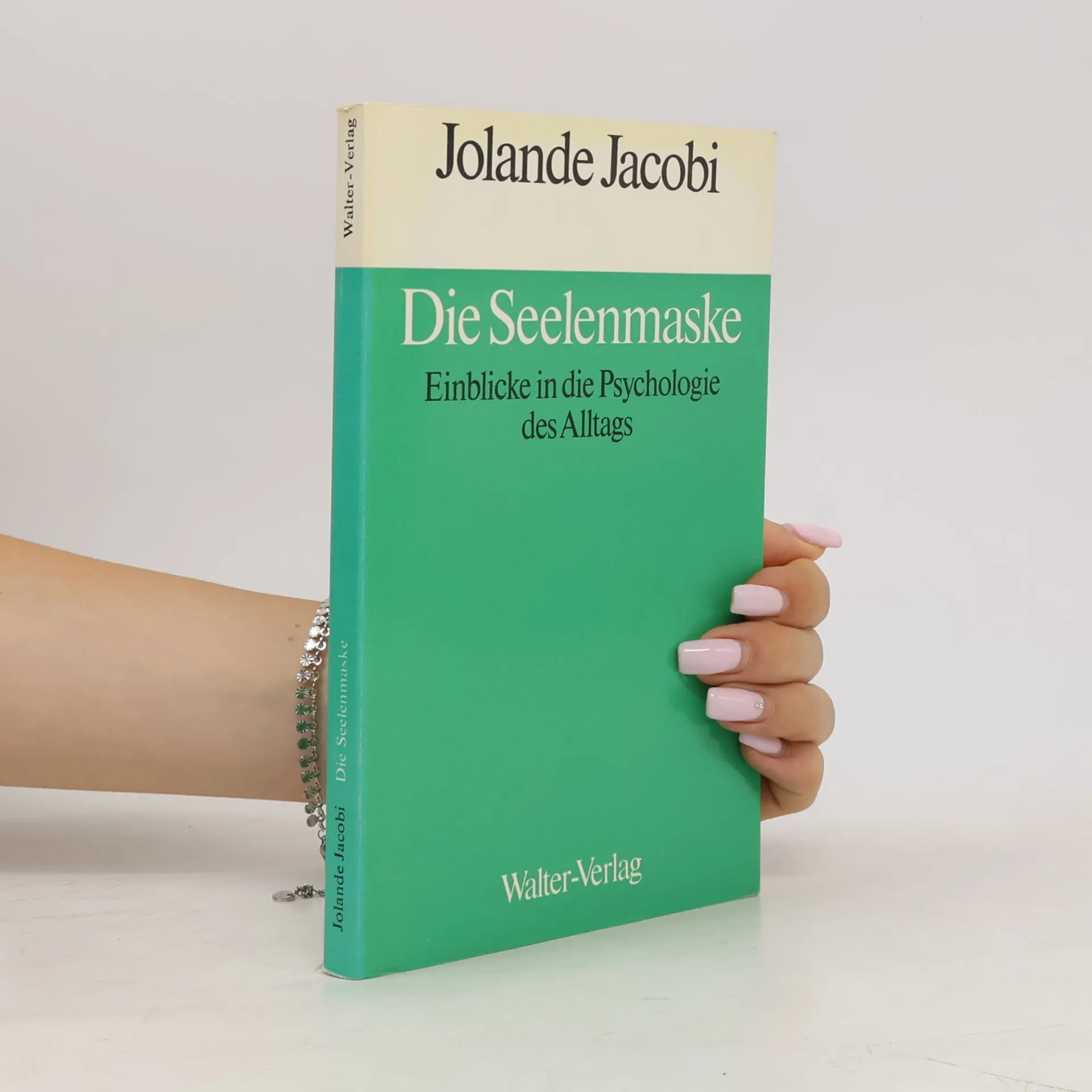
Vorw. Fierz, H. K. 217 Abb., dav. 103 farb. 308 S. 2. A.
Standaardwerk MP. Klassieke inleiding op de geschriften van Jung (1875-1961) en zijn "analytische psychologie", waarin alle centrale concepten uit zijn werk aan bod komen.
Jolande Jacobi (Budapest, 25.3.1890–Zürich, 1.4.1973) war eine Schweizer Psychologin, die vor allem für ihre Schriften zur jungianischen Psychologie bekannt ist. Sie wurde in Ungarn als Jolande Szekacs geboren, wurde jedoch nach ihrer Heirat im Alter von 19 Jahren mit Andor Jacobi als Jolande Jacobi bekannt. Sie verbrachte einen Teil ihres Lebens in Budapest, einen Teil in Zürich und einen Teil in Wien. Ihre Eltern waren jüdisch. Später im Leben konvertierte sie zum römischen Katholizismus. Jacobi traf Jung 1927 und war später einflussreich bei der Gründung des C.G. Jung Instituts für Analytische Psychologie in Zürich im Jahr 1948.