

"This book offers an understanding of how to audit accounting information systems. By using the software provided, a solid background in both traditional auditing and in the evaluation of accounting information systems is formed. The unique combination of text and software creates a double learning environment in which a true understanding of how audits take place in the "real world" is gained."--Jacket
James Albert Hall Books


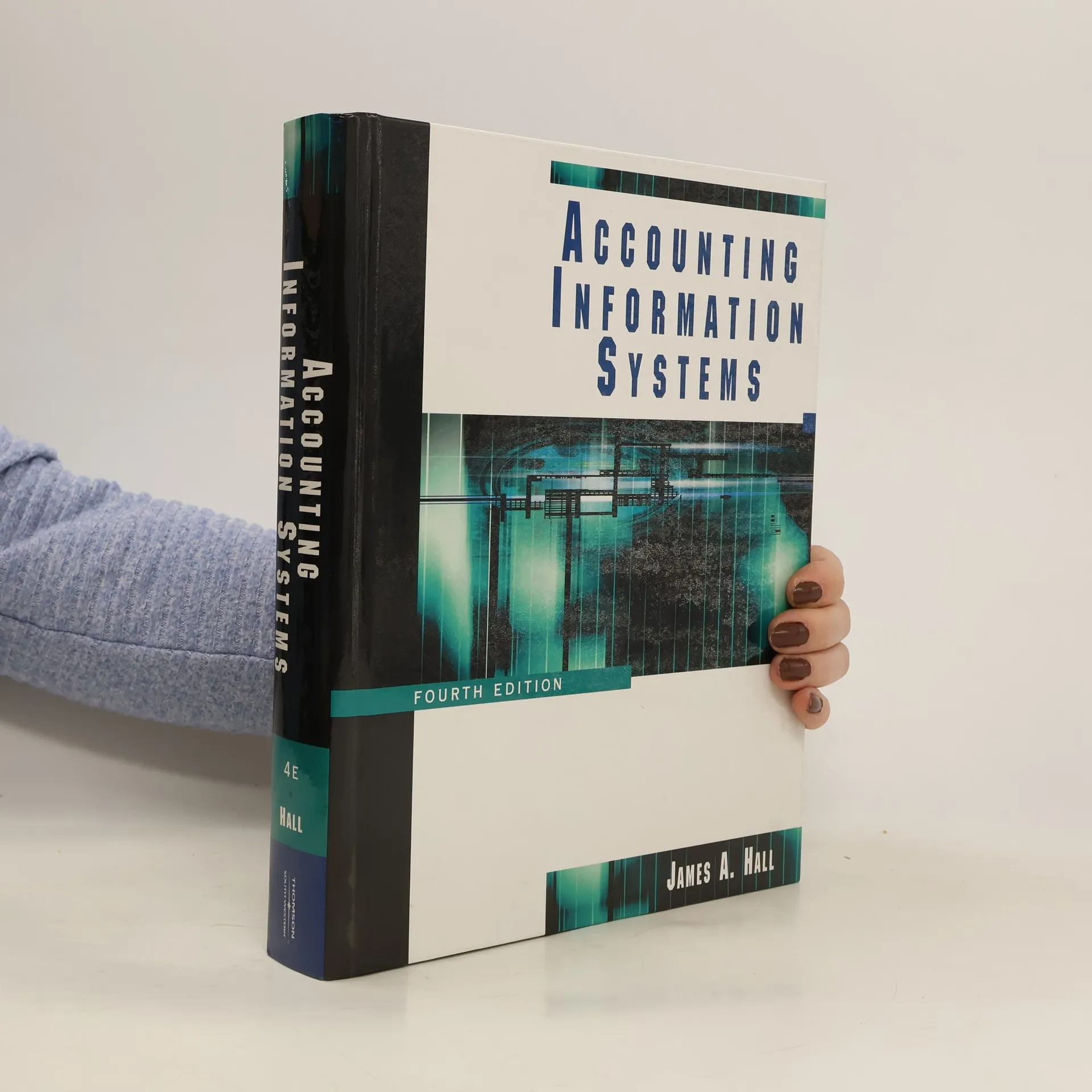

Accounting Information Systems
- 976 pages
- 35 hours of reading
Accounting Information Systems, 4e provides thorough and up-to-date coverage of accounting information systems and related technologies. It features an early presentation of transaction cycles plus a special emphasis on ethics, fraud, and the modern manufacturing environment. Hall assumes that the student is familiar with fundamental accounting principles and basic computer concepts and terminology and has been exposed to computer programming. Hall's focus is on the needs and responsibilities of accountants as end users of systems, systems designers, and auditors.
Jungiánský výklad snů
- 120 pages
- 5 hours of reading
Kniha Jamese A. Halla může čtenářům posloužit jako praktická příručka pomáhající lepšímu porozumění snům z hlediska Jungovy analytické psychologie. Autor zdůrazňuje zejména kontextuální výklad snů, přičemž důsledně vychází z Jungova modelu psýché. Věnuje pozornost přednostem i nebezpečím amplifikace snových obrazů, iniciálním snům, které mohou sloužit jako diagnostické nástroje, dále kompenzační funkci snů, snům traumatickým a vztahům mezi sny, jednotlivými životními stadii a individuačním procesem.