
Born in Australia, Caroline Brothers holds a PhD in history and has honed her observational skills as a foreign correspondent across Europe and Latin America. Now based in Paris, her writing delves into the profound aspects of human experience and historical events. Brothers' prose is characterized by its incisive and sensitive nature, exploring the complexities of relationships and the enduring impact of history on individuals.
Buenos Aires, 1976. Osvaldo Ferrero, a distinguished doctor, and his wife Yolanda escape the city with their daughters, sensible Julieta and wilful Graciela, who is nineteen and madly in love. On their return, the Argentine military stages a coup. Friends disappear overnight, and Osvaldo is forced to flee to Europe. When her fiancé is abducted, Graciela goes into hiding, then she vanishes in turn. As Yolanda fights on the ground for some trace of their beloved daughter, she soon realises she may be fighting for an unknown grandchild as well...
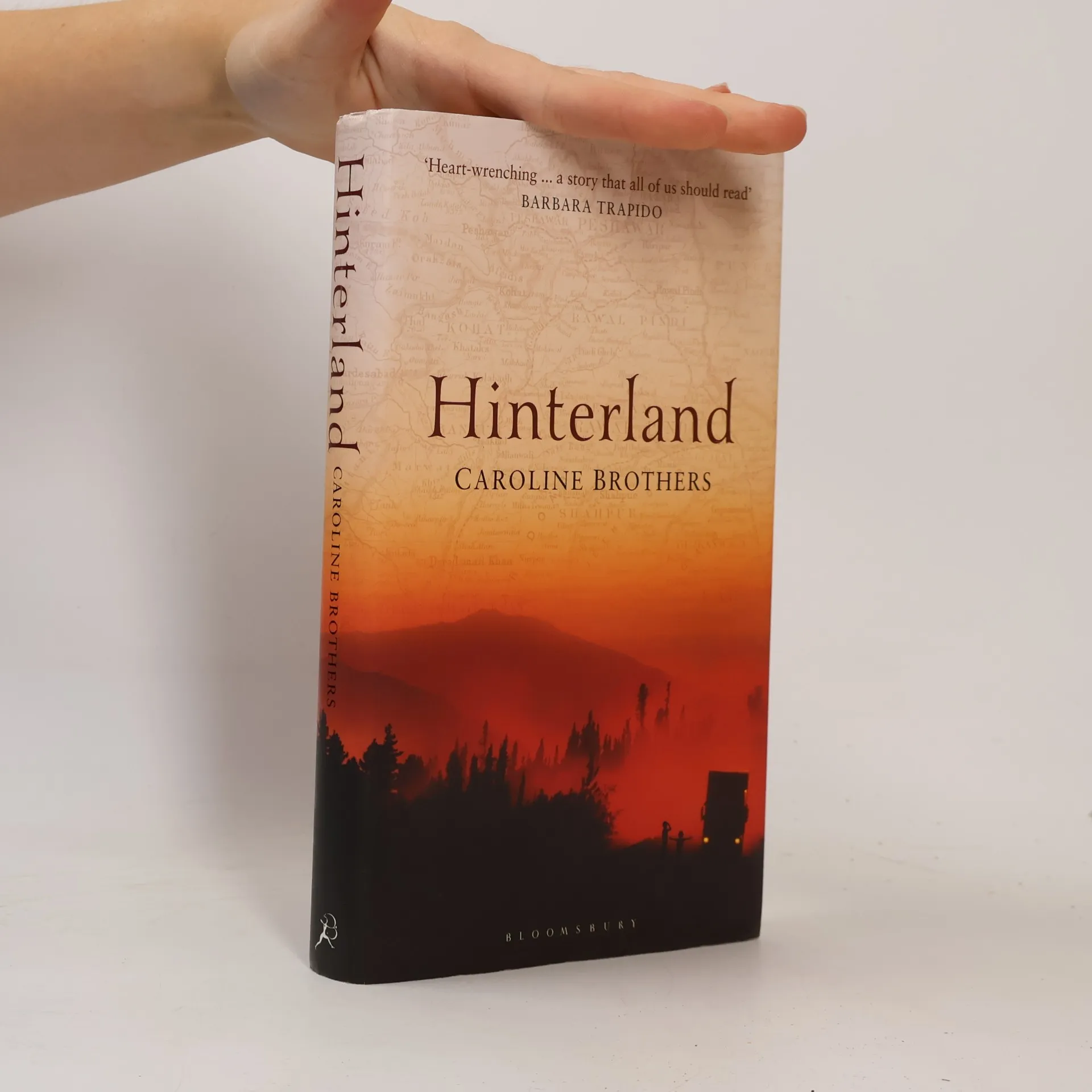
Two boys, aged fourteen and eight, embark on a perilous journey across Europe with only the clothes on their backs and a dwindling inheritance hidden in a belt. Their destination is England, a future they can no longer wait for in Afghanistan. The older brother, Aryan, teaches his sibling Kabir the capitals of the countries they will traverse, a way to stay connected should they become separated. They recite a list of cities—Kabul, Tehran, Istanbul, Athens, Rome, Paris, London—clinging to the hope of a better life. Their adventure is marked by moments of boyish wonder but also harsh realities, including hunger, exhaustion, and the threat of violence. They face exploitation and must rely on untrustworthy strangers for help. Caroline Brothers, who first encountered these "lost boys" as a journalist in makeshift refugee camps in France, sought to delve deeper into their experiences. Her report gained attention in the *New York Times*, but she aimed to tell their story with empathy and depth. Her debut novel raises critical questions about the global community's responsibilities toward vulnerable children. It is a poignant tale of love and courage, capturing the indomitable spirit of two brothers on an unforgettable journey.
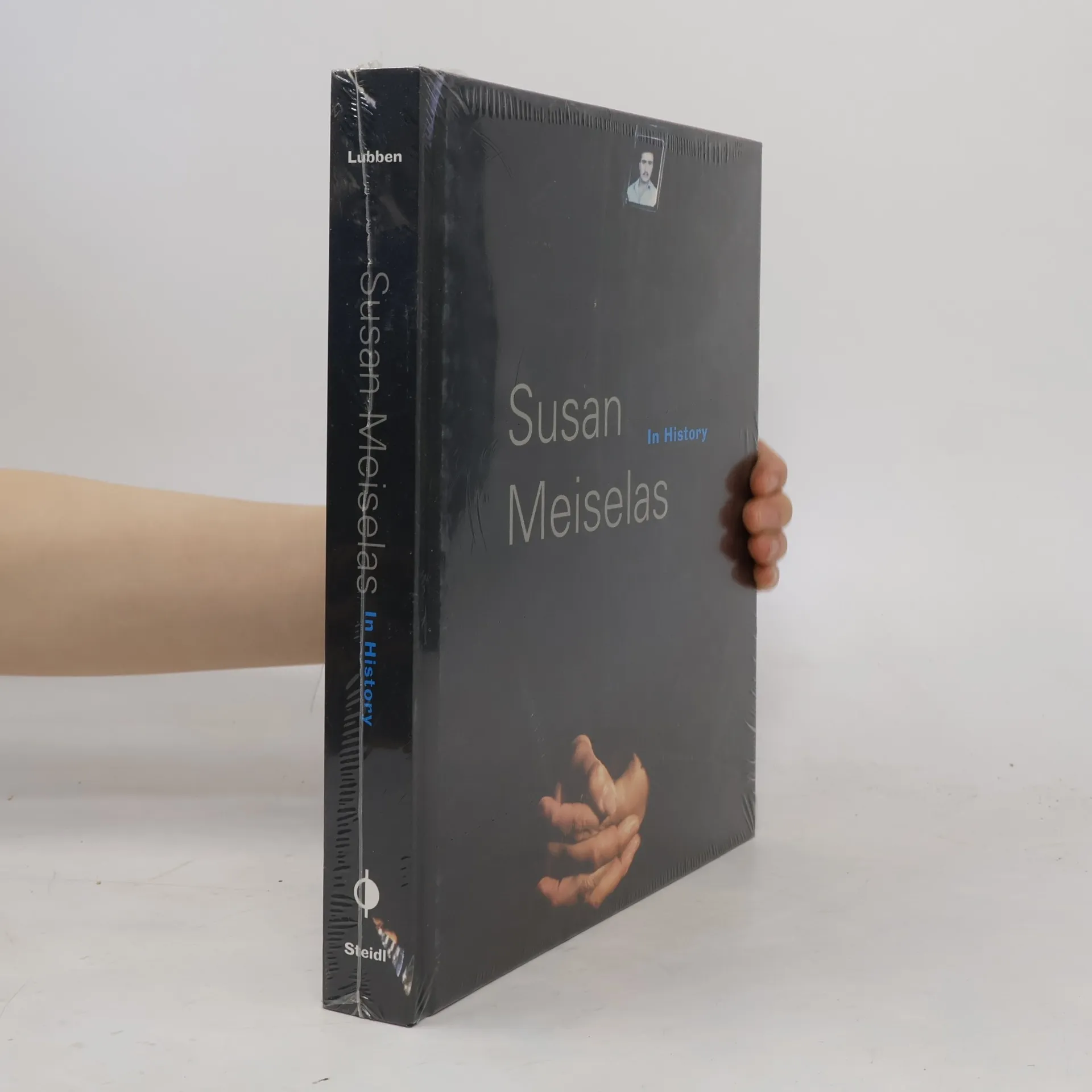
Since the 1970s, questions of ethics raised by documentary practice have been central to debates in photography. Perhaps no other photographer has so closely and consistently represented and participated in these debates than Susan Meiselas. An American photographer best known for her work covering the political upheavals in Central America in the 1970s and 80s--including the El Mozote massacre in El Salvador--Meiselas' process has evolved in radical and challenging ways as she has grappled with essential questions about her relationship to her subjects, the use and circulation of her images in the media and the relationship of images to history and memory. Meiselas is under no illusions about the dual nature of the photographer's role as "The camera is an excuse to be someplace you otherwise don't belong. It gives me both a point of connection and a point of separation." Her tenacious engagement with these matters has made her a leading commentator in the debate on contemporary photojournalism. With 200 plates and contributions from some of photography's finest theorists--among them David Levi Strauss, Lucy Lippard, Kristen Lubben, Jan-Erik Lundstrom and Allan Sekula--this volume gives an overview of Meiselas' enormously varied and courageous work to date.