"Bouvard and Pécuchet" by Gustave Flaubert is a satirical novel about two clerks exploring various hobbies and professions in search of fulfillment. Through sharp wit and keen social commentary, Flaubert critiques societal pretensions and the absurdity of human endeavors, making it a timeless exploration of the quest for meaning in life.
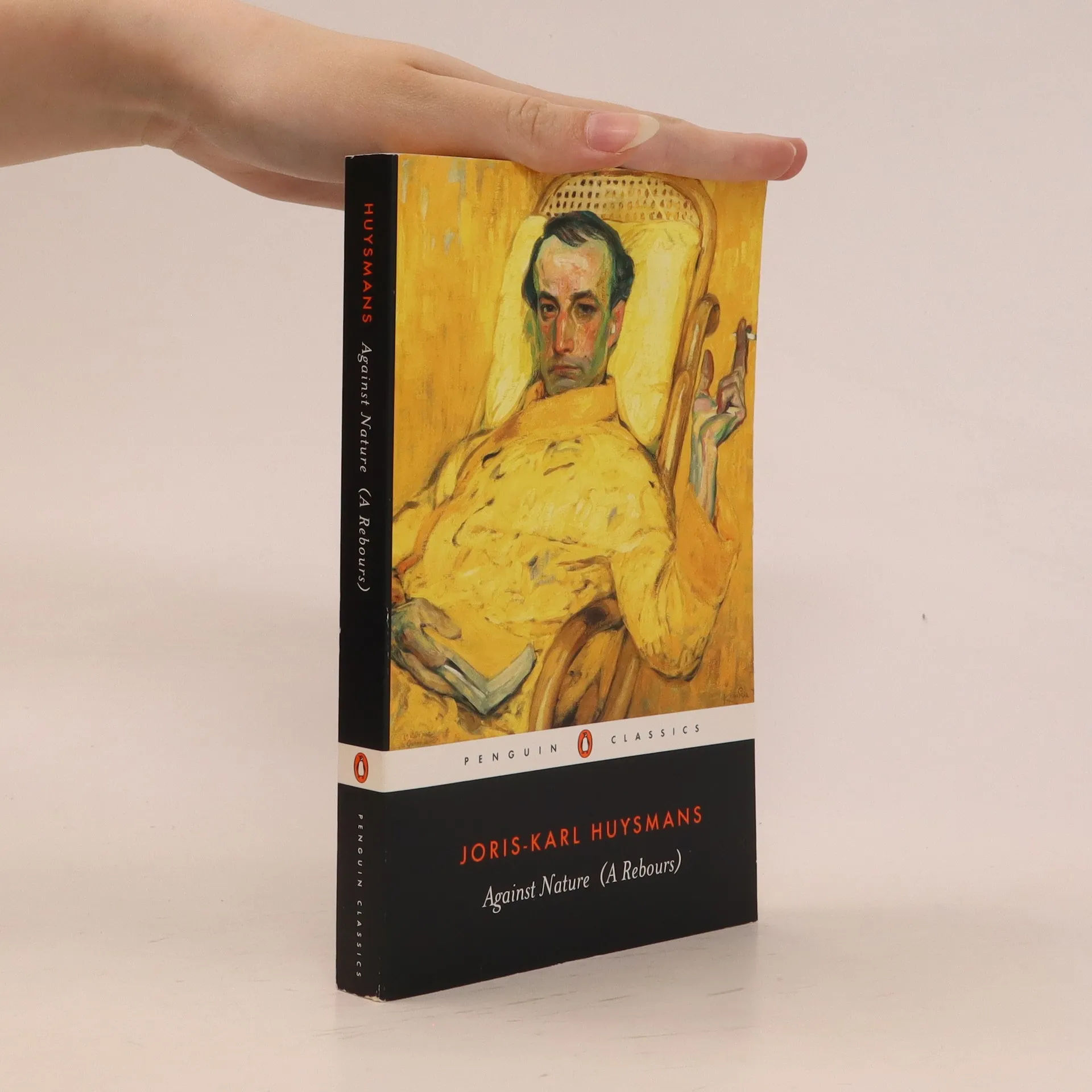
With a title translated either as Against Nature or as Against The Grain, this wildly original fin-de-siècle novel follows its sole character, Des Esseintes, a decadent, ailing aristocrat who retreats to an isolated villa where he indulges his taste for luxury and excess. Veering between nervous excitability and debilitating ennui, he gluts his aesthetic appetites with classical literature and art, exotic jewels (with which he fatally encrusts the shell of his tortoise), rich perfumes, and a kaleidoscope of sensual experiences. The original handbook of decadence, Against Nature exploded like a grenade (in the words of Huysmans) and has enjoyed a cult readership from its publication to the present day.
A devastating novel about the treachery of love by Maupassant, now in a new translation by National Book Award and Pulitzer Prize winning poet and translator Richard Howard Olivier Bertin is at the height of his career as a painter. After making his name as a young man with his Cleopatra, he has gone on to establish himself as “the chosen painter of Parisiennes, the most adroit and ingenious artist to reveal their grace, their figures, and their souls.” And though his hair may be white, he remains a handsome, vigorous, and engaging bachelor, a prized guest at every table and salon. Olivier’s lover is Anne, the Countess de Guilleroy, the wife of a busy politician. Their relationship is long-standing, close, almost conjugal. The countess’s daughter is Annette, and she is the spitting image of her mother in her lovely youth. Having finished her schooling, Annette is returning to Paris. Her parents have put together an excellent match. Everything is as it should be—until the painter and countess are each seized by an agonizing suspicion, like death. . . . In its devastating depiction of the treacherous nature of love, Like Death is more than the equal of Swann’s Way. Richard Howard’s new translation brings out all the penetration and poetry of this masterpiece of nineteenth-century fiction.
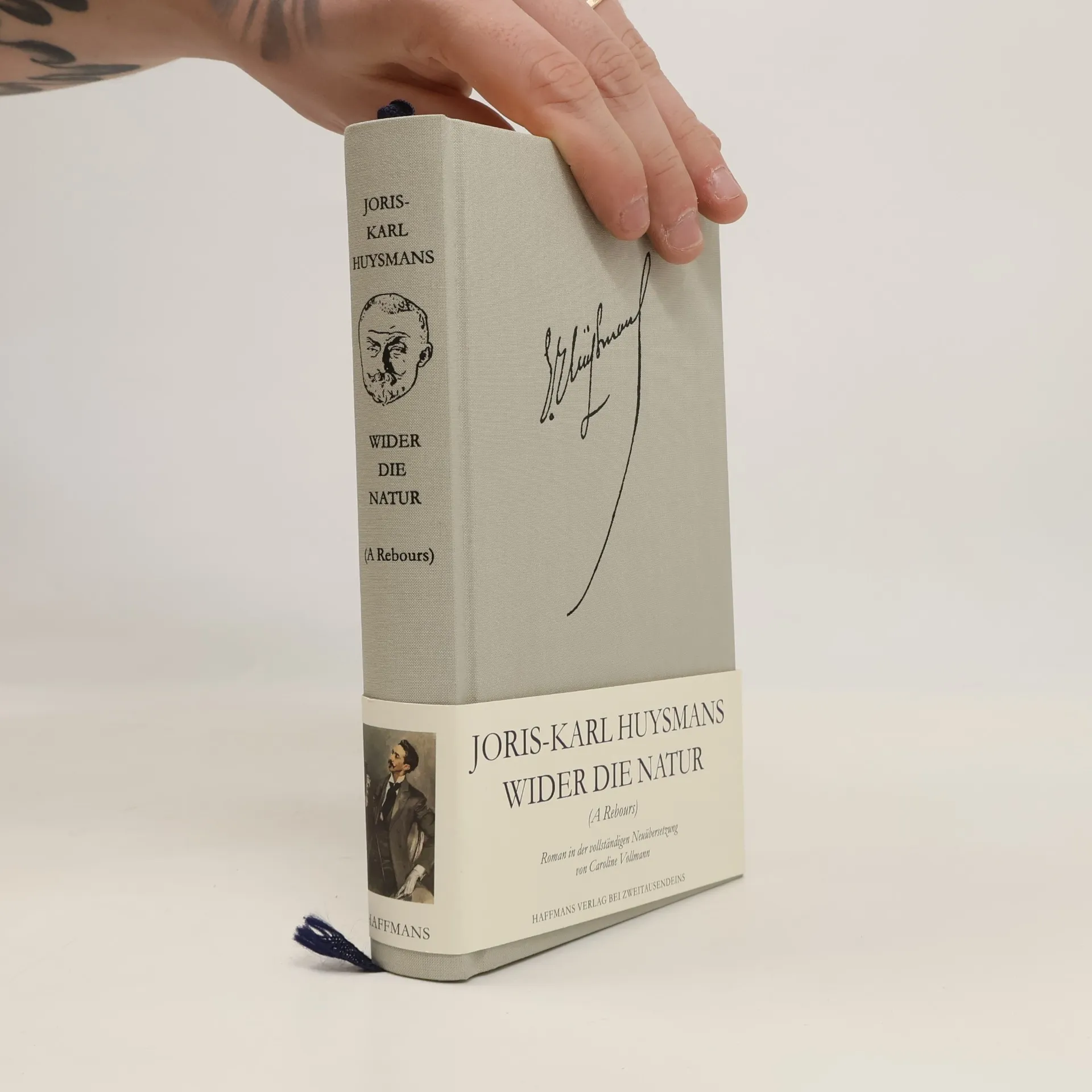
(Au Rebours) - Roman in der vollständigen Neuübersetzung von Caroline Vollmann
368 pages
13 hours of reading
Dieser Roman, 1884 erstmals einem erlesenen Zirkel zur letzten Lust gereicht, „schlug ein wie ein Meteor auf dem literarischen Jahrmarkt und löste Staunen und Wut aus“ (Huysmans): Jean Florissac Duc des Esseintes, exzentrischer Spross einer hochadligen Familie, entflieht aus einer als zutiefst trivial empfundenen Realität in sein Landhaus. Dort richtet er sich in einer idealen Welt der Künstlichkeit ein. Umgeben nur von Bediensteten giert er nach immer neuen Reizen, vertieft sich in Düfte, Farben, Geschmäcke, Pflanzen, Bücher – und treibt so wahnhaft seinem Siechtum entgegen. Das Kultbuch wurde ein nationaler und internationaler Erfolg und für Paul Valery die Bibel, für Arthur Symons das Brevier der Dekadenz wie auch zu einem der wichtigsten Bezugspunkte für das Werk von Michel Houellebecq. „Das Ungewöhnlichste, was ich kenne. Eine Maßlosigkeit der Kunst, die mich begeistert“ (Emile Zola).